Food innovation begins with understanding the true art and science of food formulation. It is where creativity meets structured research, technical precision, and scientific thinking. From developing everyday staples like breakfast cereals to crafting advanced plant-based proteins, food formulation transforms ideas into functional, scalable, and market-ready products.
At the core of successful food brands lies a strong food formulation strategy. It involves balancing flavours, textures, nutrition, processing methods, and shelf-life considerations while ensuring regulatory compliance and consumer acceptance. With the right expertise, startups and established brands alike can create products that consumers not only enjoy but also trust. In this blog, we explore how food formulation shapes modern food innovation and helps brands build products that stand out in competitive markets.
This process is the precise science of combining ingredients to meet sensory, nutritional, functional, and commercial goals. It goes beyond simple mixing, requiring a deep understanding of food chemistry, processing impact, and consumer expectations. A well-developed recipe forms the foundation of effective product development.
Key scientific factors include:
• Water Activity (aw): Controls shelf life and microbial safety. Most bacteria grow above 0.85 aw, so managing moisture is critical.
• pH Levels: Influence flavour, colour, and safety. Foods below pH 4.6 are protected from harmful bacteria.
• Protein Functionality: Proteins act as emulsifiers, gelling, and foaming agents, especially important in plant-based applications.
With expert support, brands can translate scientific principles into scalable, stable, and market-ready products.
Understanding Food Formulation Science
The Art of Food Formulation
Successful food formulation is about pairing the right ingredients to achieve taste, texture, and shelf life. Smart food recipe formulation ensures every component has a purpose, from thickeners and emulsifiers to proteins and natural sweeteners.
In modern food product formulation, flavour protection and natural preservation are key. Techniques like encapsulation help maintain stability, while plant extracts and organic acids support clean-label safety.
Art of Food Formulation, Ingredient Selection, and Synergy
Technologies In Food Product Formulation
Successful product creation is about pairing the right ingredients to achieve the desired taste, texture, and shelf life. A well-developed recipe ensures every component has a clear purpose, from thickeners and emulsifiers to proteins and natural sweeteners.
In modern development practices, flavour protection and natural preservation are essential. Techniques like encapsulation help maintain stability, while plant extracts and organic acids support clean-label safety and longer-lasting freshness.
Ingredient Type
Common Ingredients
Function / Purpose
Base Ingredients
Wheat flour, rice flour, milk powder, protein isolate
Provide body, texture, structure, and nutritional bulk
Sweeteners
Sucrose, jaggery, stevia, erythritol, monk fruit extract
Food Product Formulation Techniques and Technologies
Food Sensory Science Integration
Successful product creation goes beyond ingredients; it requires a deep understanding of sensory science and how consumers perceive flavour, texture, aroma, and appearance. Strong development strategies focus on how the five basic tastes (sweet, sour, salty, bitter, and umami) interact with aroma compounds to shape overall flavour perception.
In modern R&D practices, experts consider:
• Taste Masking: Managing bitterness or off-notes in plant proteins, vitamins, or functional ingredients. • Flavour Enhancement: Improving taste in reduced-sodium or low-sugar products. • Flavour Release Timing: Using fast- and slow-release systems for better sensory impact. • Texture Engineering: Designing creaminess, crunch, chewiness, or smoothness based on ingredient behaviour. • Cross-Sensory Effects: Colour, sound, and appearance influence perceived freshness and intensity.
For example, tannins create a dry, astringent mouthfeel in beverages and must be carefully balanced. Even small details, like crunch sound or colour intensity, can significantly elevate overall product perception.
Food Sensory
Nutritional Optimisation in Food Formulation
Modern food formulation requires a strong focus on nutrition, functionality, and health impact. In advanced food product formulation, every nutrient must be selected not just for value, but for stability, bioavailability, and sensory balance. Smart food recipe formulation ensures products are both healthy and enjoyable.
Key nutritional considerations in food product development include:
• Protein Quality: Combining plant proteins like rice and pea to create complete amino acid profiles, guided by PDCAAS scores.
• Micronutrient Fortification: Using stable, bioavailable forms of iron, vitamin D, and calcium to avoid oxidation and nutrient interaction issues.
• Prebiotics & Probiotics: Inulin improves fibre content and texture, while probiotics require protection from heat, moisture, and acidity.
• Sugar & Sodium Reduction: Replacing sugar with high-intensity sweeteners and bulking agents, and balancing sodium reduction with flavour enhancers and masking systems.
Effective food formulation balances nutrition, stability, and taste, creating products that support health without compromising consumer satisfaction.
Product success depends on strong quality control and regulatory compliance. R&D teams operate under strict regional guidelines, ensuring that any new ingredient meets required safety standards, such as GRAS approval in the U.S. or Novel Food regulations in Europe.
Safety also requires proper allergen management, including careful handling and accurate labelling of major allergens like milk, eggs, nuts, wheat, and soy.
Shelf-life testing is equally essential. Stability studies, accelerated testing at high temperature and humidity, along with sensory and microbiological analysis, ensure the product remains safe, stable, and high quality throughout its intended storage period.
Food product development is at its peak, driven by creativity and evolving consumer needs. Through advanced research and strategic recipe development, brands are not just following trends; they are setting them and becoming market leaders. The way we produce food is changing rapidly, and for the better.
• Upcycled Ingredients: Using by-products like spent grain from beer or fruit peels to create fibre, and antioxidant-rich ingredients, making products more sustainable and waste-efficient.
• Personalised Nutrition: With AI and modern science, companies can now create customised products tailored to individual health needs and lifestyles.
• Next-Generation Proteins: Beyond soy and pea, innovation now includes insect protein, cultivated meat, and algae-based options for sustainable nutrition.
• Clean-Label & Natural Preservation: Replacing artificial additives with natural methods like fermentation and controlled atmosphere storage to maintain freshness without chemicals.
Smart innovation ensures sustainability, quality, and consumer trust go hand in hand.
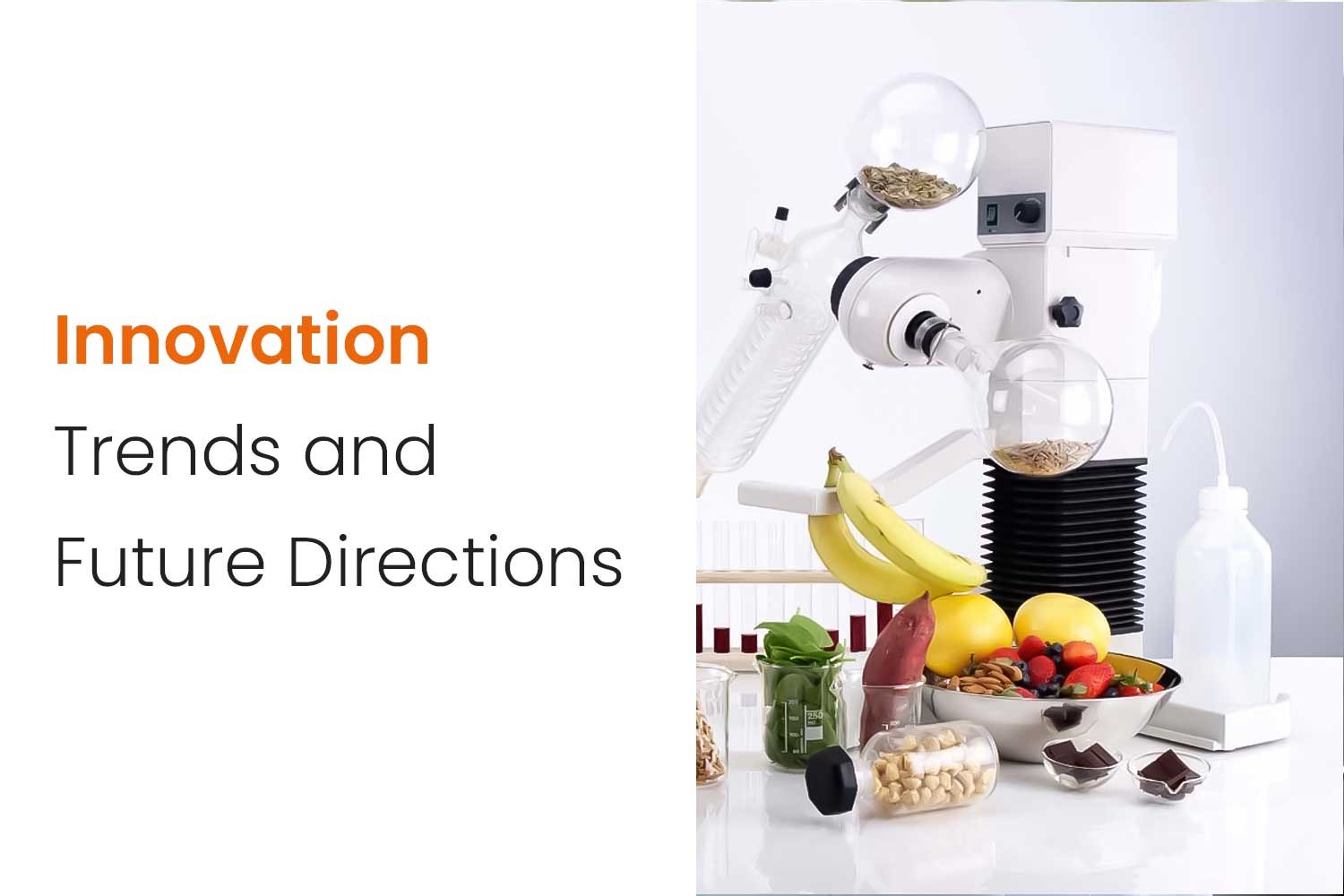
Food Development Trends and Future Directions
The Path Forward
Mastering this process requires continuous learning, innovation, and adaptation to changing consumer demands and emerging technologies. Partnering with experienced experts ensures every stage of product development is handled with scientific precision and creative insight.
The best results come from combining deep technical knowledge with strong problem-solving skills, whether developing plant-based proteins, functional foods, or sustainable solutions. With the right approach, brands can create breakthrough products and lead the market with confidence.
Ready to Perfect Your Food Formulation?
From R&D to sensory optimisation & FSSAI compliance—Foodsure brings your food product from concept to shelf-ready.
The most successful food formulators of tomorrow are the ones taking action today. You can join hands with India’s best food formulation experts, Foodsure , for massive success. We are learning, experimenting, networking, and innovating while others are still thinking about it. Your journey into the fascinating world of food formulation starts with a single step.
Q1. Why is food formulation important in Food Production?
It ensures consistent taste, nutrition, safety, and shelf life across every production batch.
Q2. How does food formulation differ from normal cooking?
Unlike cooking, food formulation uses exact ingredient ratios, testing, and regulatory compliance for commercial production.
Q3. How does good formulation improve shelf life?
By controlling moisture, pH, preservatives, and processing conditions to prevent spoilage and maintain product stability.
Q4. Why do food startups need professional formulation services?
Experts reduce trial-and-error, ensure safety, and create stable, scalable formulations that speed up market launch.
Q5. What technologies are used in modern food formulation?
Techniques like microencapsulation, natural preservation, emulsification, and sensory testing improve product quality and stability.
Brands We’ve Built & Formulated
Real products developed by Foodsure experts — from concept and formulation to market-ready brands across beverages, nutraceuticals, and food products.
Stroom’s protein bar was formulated, piloted, and scaled by Foodsure along with a complete machinery setup, enabling a Shark Tank-ready brand built on strong innovation, manufacturing, and commercial confidence for nationwide growth.
Vold’s energy drink was developed and industrialised by Foodsure, including a complete machinery setup, positioning the brand for Shark Tank with a strong formulation foundation, scalable manufacturing, and clear commercial readiness.
3 Sisters’ food products were conceptualised and scaled by Foodsure, with end-to-end machinery installation, preparing the brand for Shark Tank through robust R&D, operational efficiency, and market-ready product execution.
Stroom’s protein bar was formulated, piloted, and scaled by Foodsure along with a complete machinery setup, enabling a Shark Tank-ready brand built on strong innovation, manufacturing, and commercial confidence for nationwide growth.
Shark Tank India
Vold: Powering Modern Energy Consumption
Vold’s energy drink was developed and industrialised by Foodsure, including a complete machinery setup, positioning the brand for Shark Tank with a strong formulation foundation, scalable manufacturing, and clear commercial readiness.
Shark Tank India
3 Sisters: Thoughtful Beverages Innovation
3 Sisters’ food products were conceptualised and scaled by Foodsure, with end-to-end machinery installation, preparing the brand for Shark Tank through robust R&D, operational efficiency, and market-ready product execution.
Green Horn has emerged as a new favorite energy drink among younger consumers, combining bold flavor with great performance, and has created an identified brand presence and customer loyalty across India.
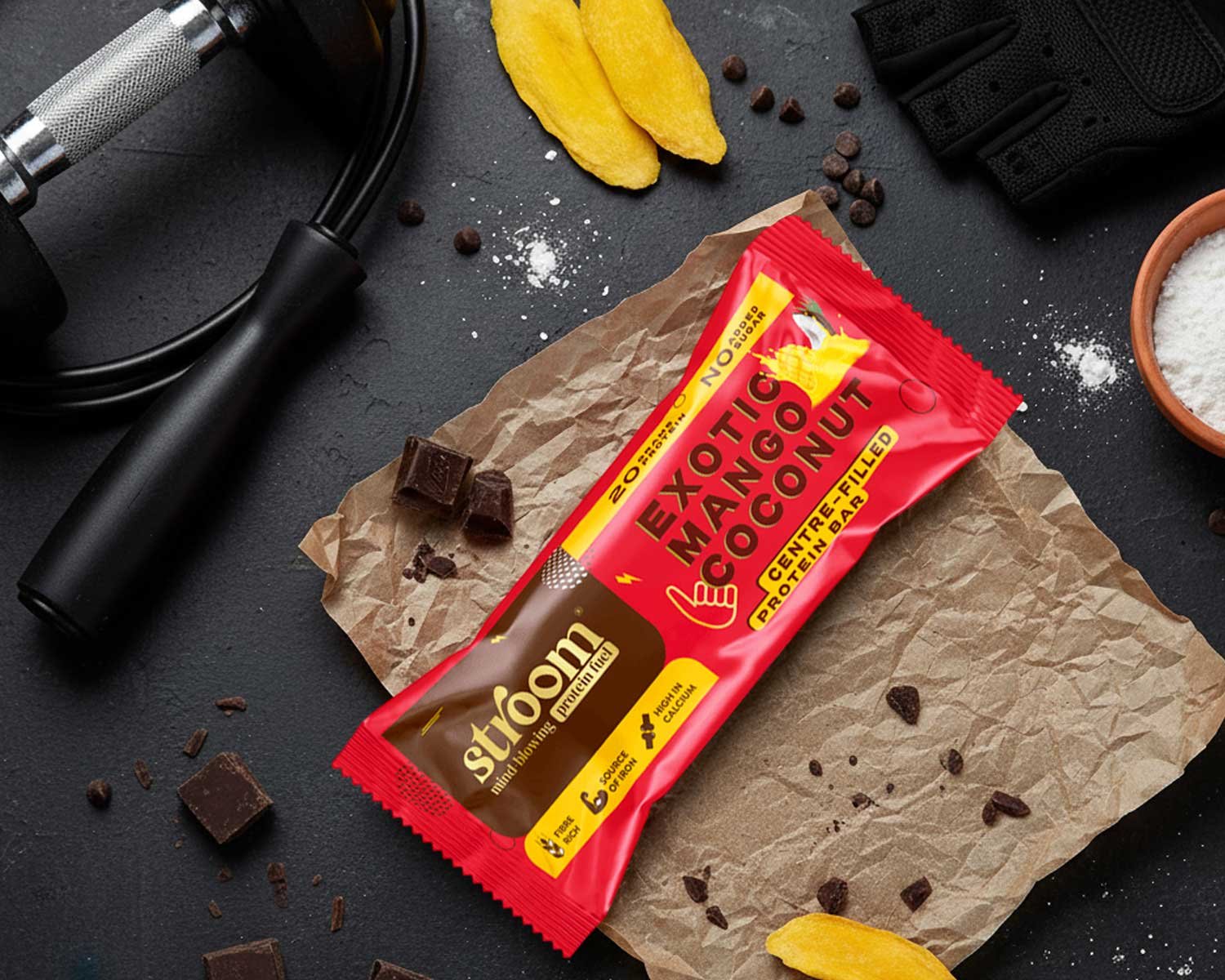
Stroom
Stroom Protein Bar is a healthy snack brand focused on natural ingredients, great taste, and energy for active people. It promotes fitness, balance, and everyday strength.
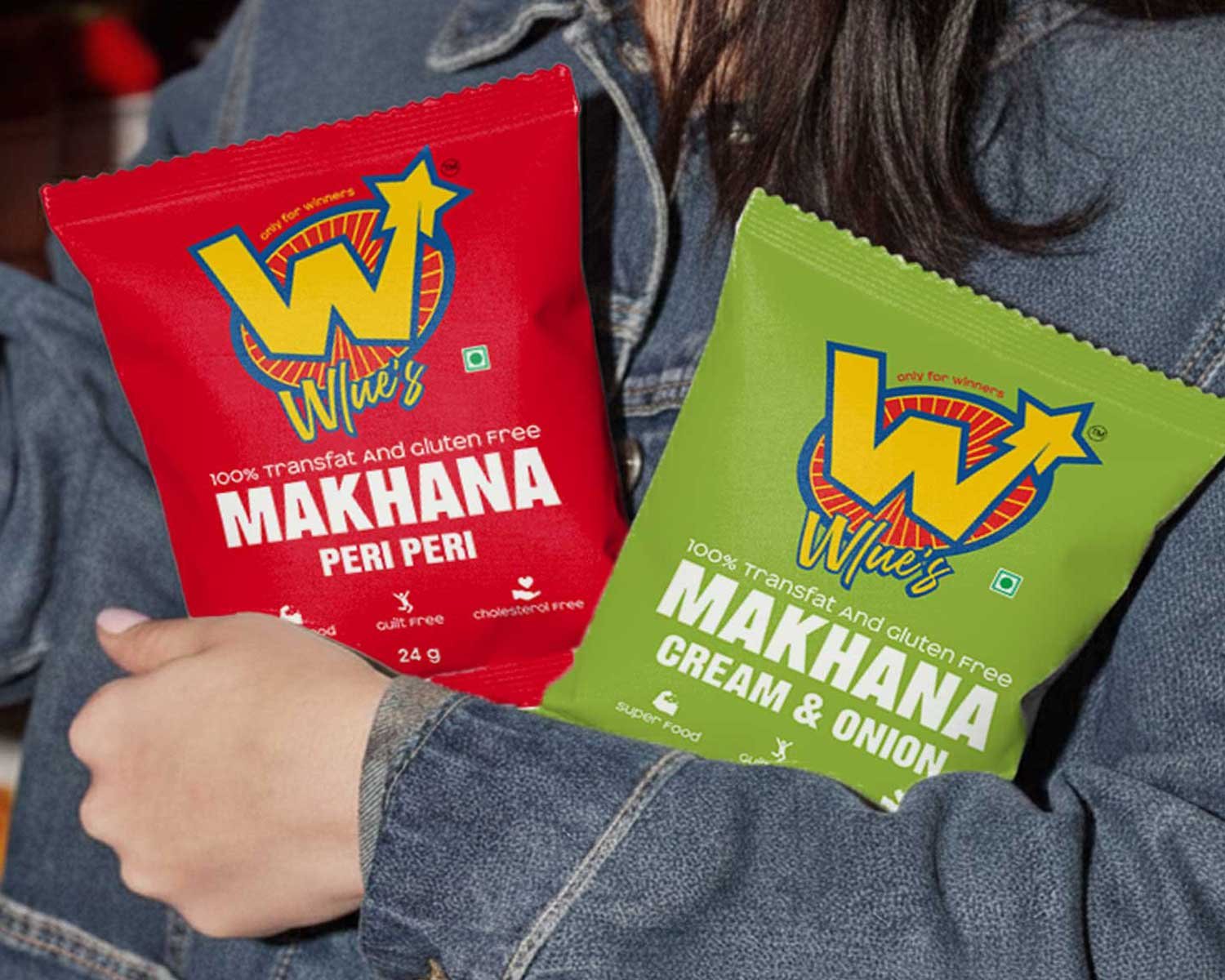
Wlue's
Wlue's has transformed healthy snacking in India by creating a trendy superfood out of fox nuts, through innovation, strong branding, and presence across retail locations nationally.
Smart Caffeine
Smart Caffeine offers quick, clean energy through easy-to-use powder sachets. It helps people stay alert, focused, and active without the crash of regular caffeinated drinks.
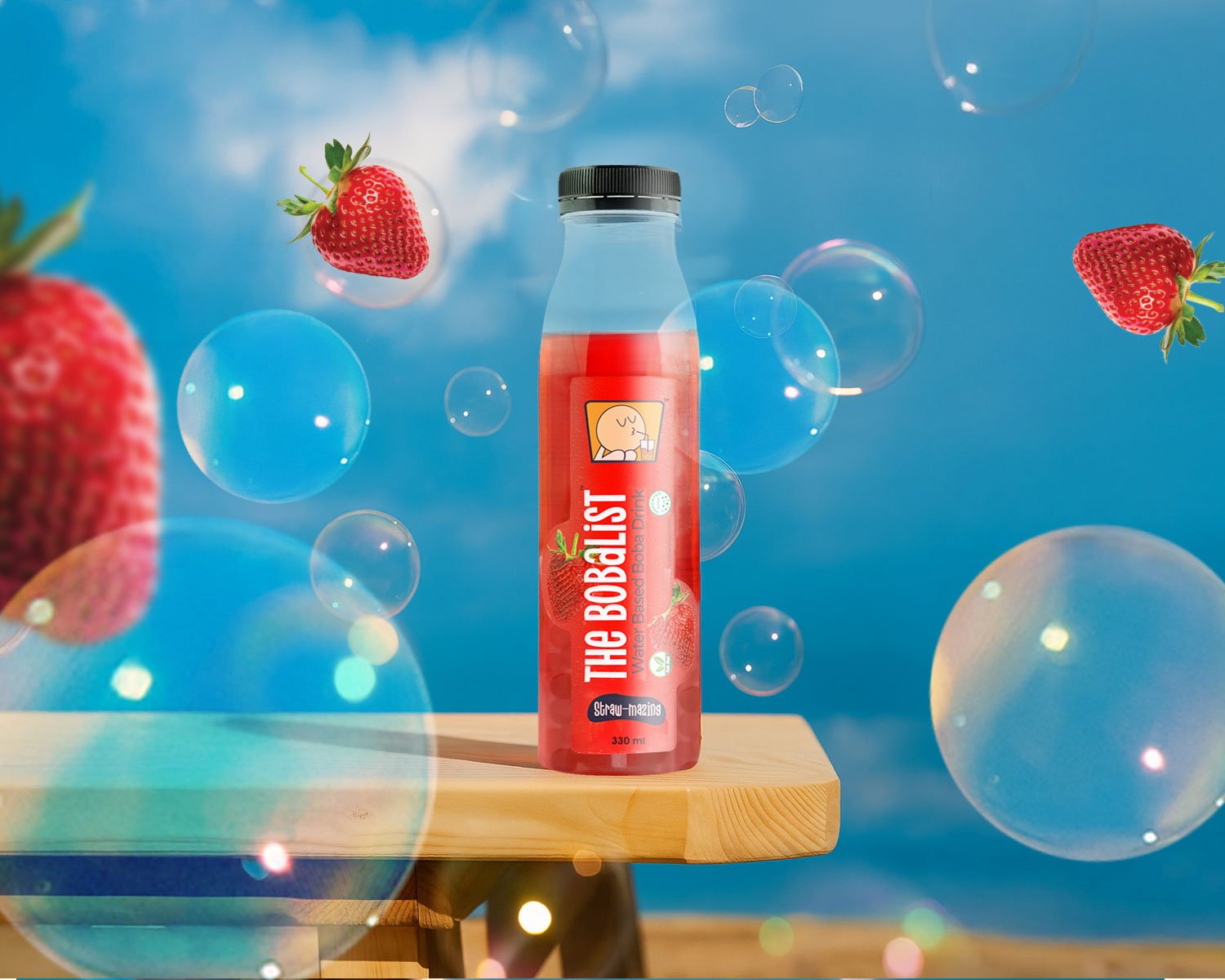
The Bobalist
The Bobalist set itself as the first bottled popping boba drink in India, creating a disruptive product in the marketplace through innovation, bright and vibrant colors.
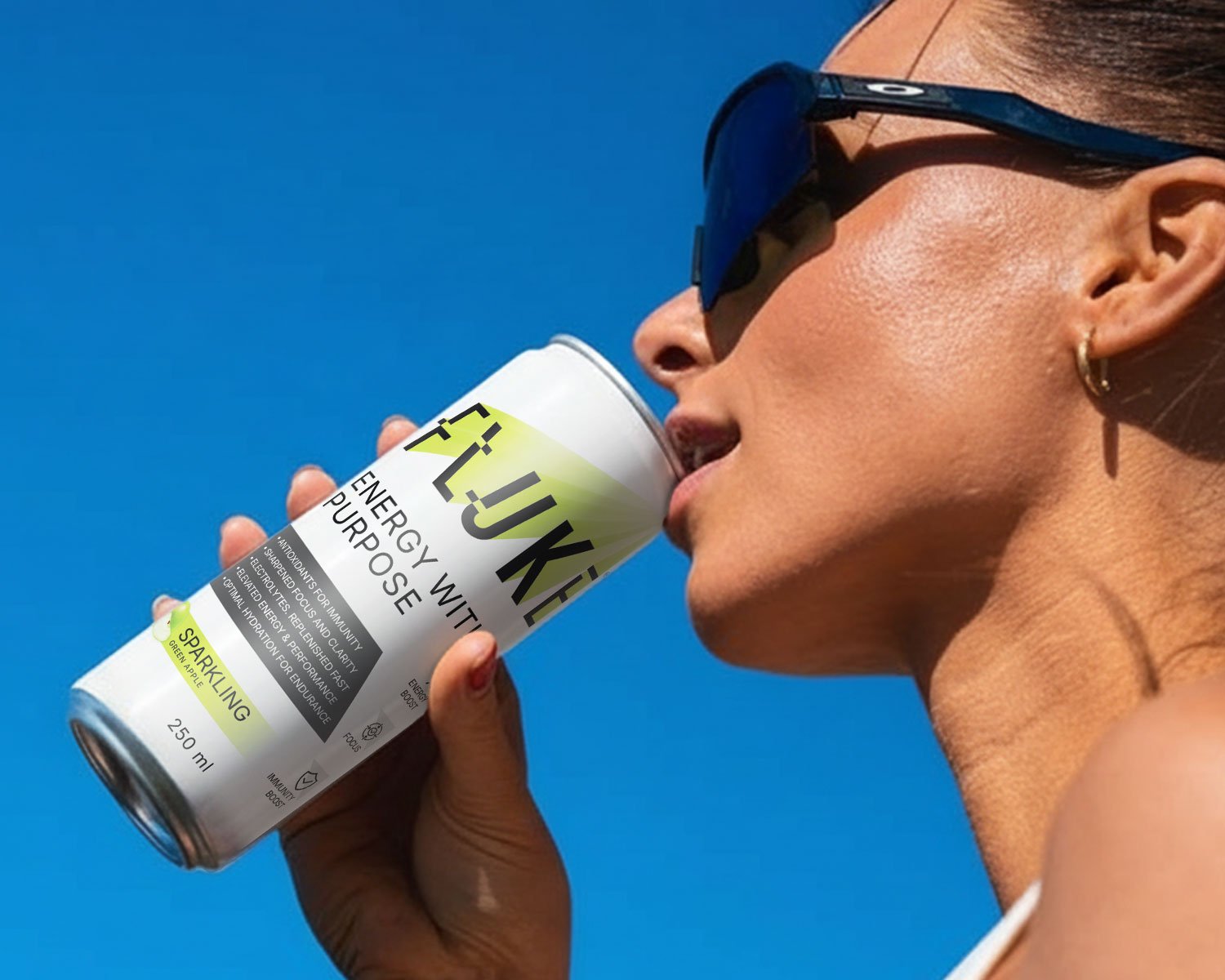
FLUKE
Fluke changed how people see energy drinks: clean, tasty, and functional. It quickly became a favorite for those who want real energy without the crash.
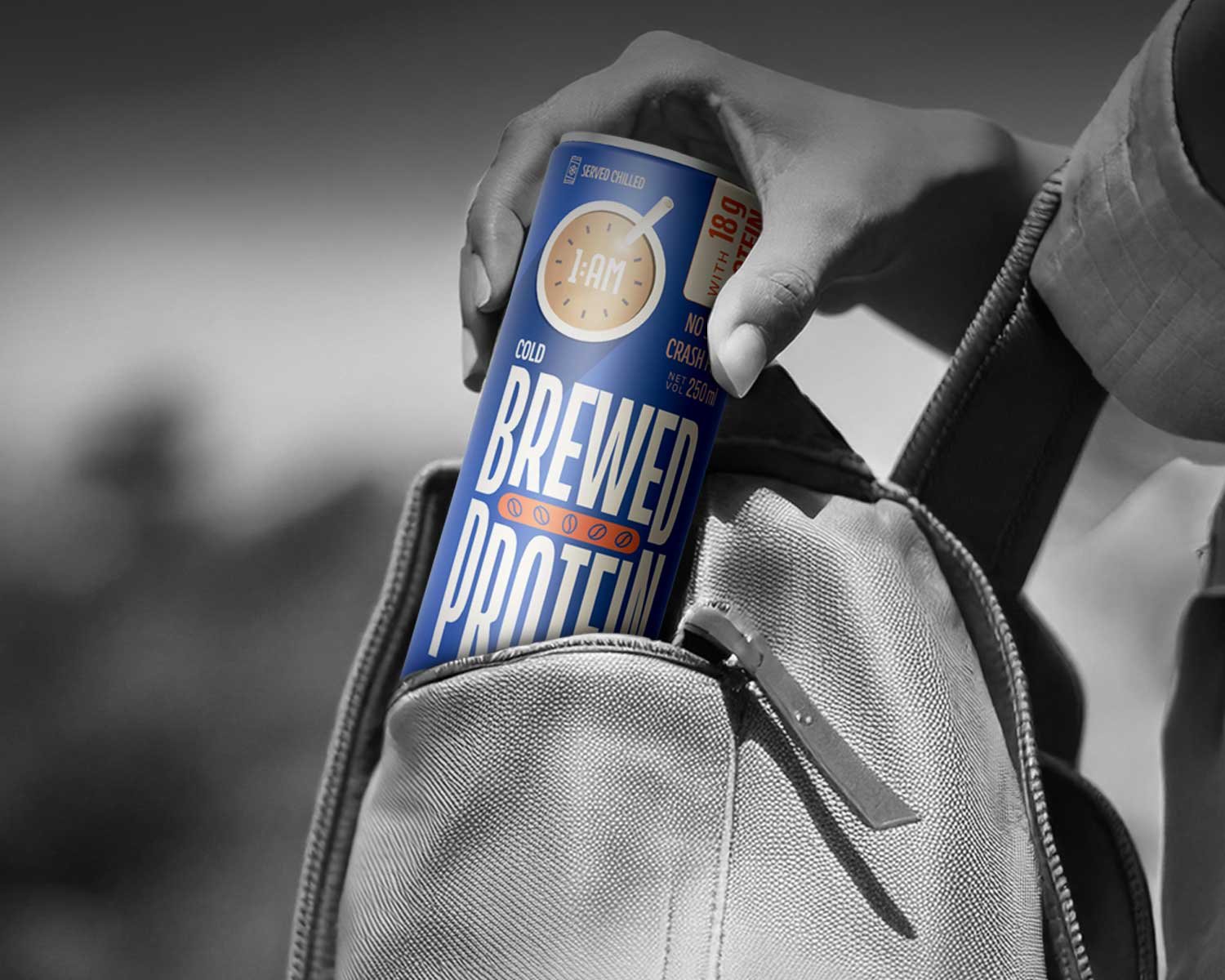
1 AM
1 AM shook up the market with its lactose-free, protein-packed cold coffee, giving coffee lovers a smooth, healthy boost without the guilt or discomfort.
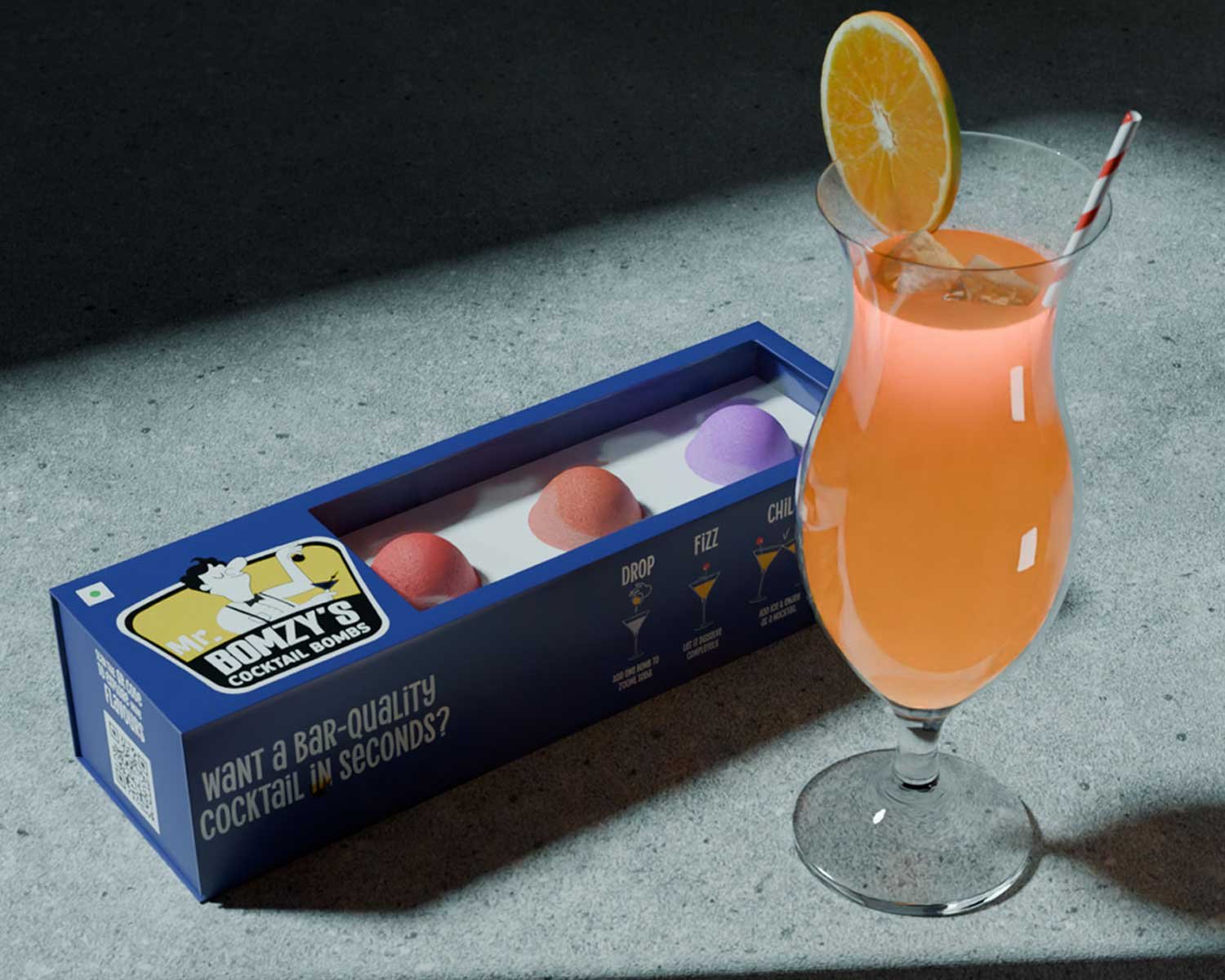
Mr. Bomzy
Mr. Bomzy changed the game for home mixology in India with innovative Cocktail Bombs to make premium, crafted cocktails using top-shelf quality spirits easy, affordable, and fun for celebrations.
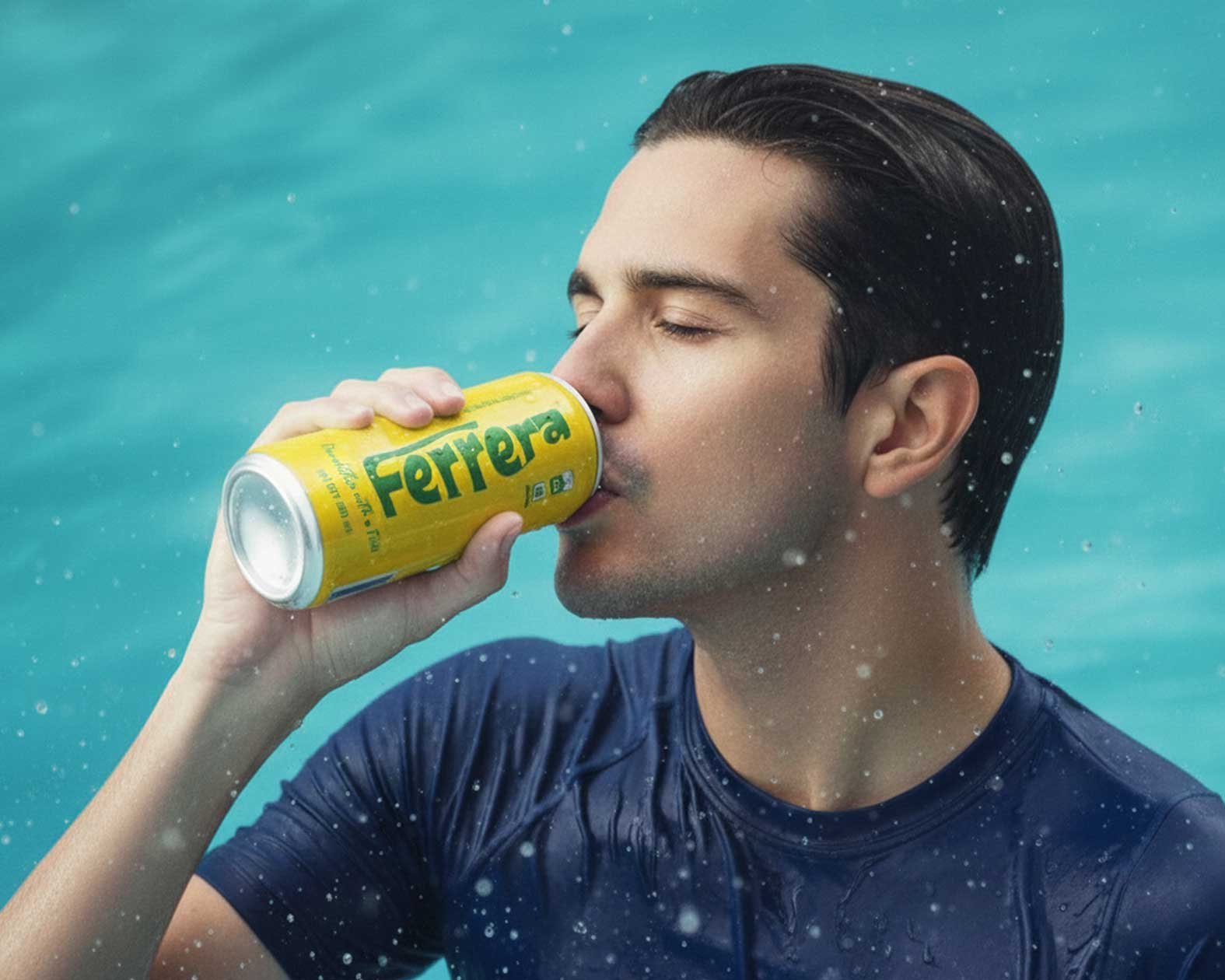
Ferrera Fizzy Drink
Ferrera expanded its reach by providing pure, vibrant flavors and a trendy, youth-driven branding, thus a mere fizzy drink was turned into a refreshing, health-leaning choice for the daily consumers.
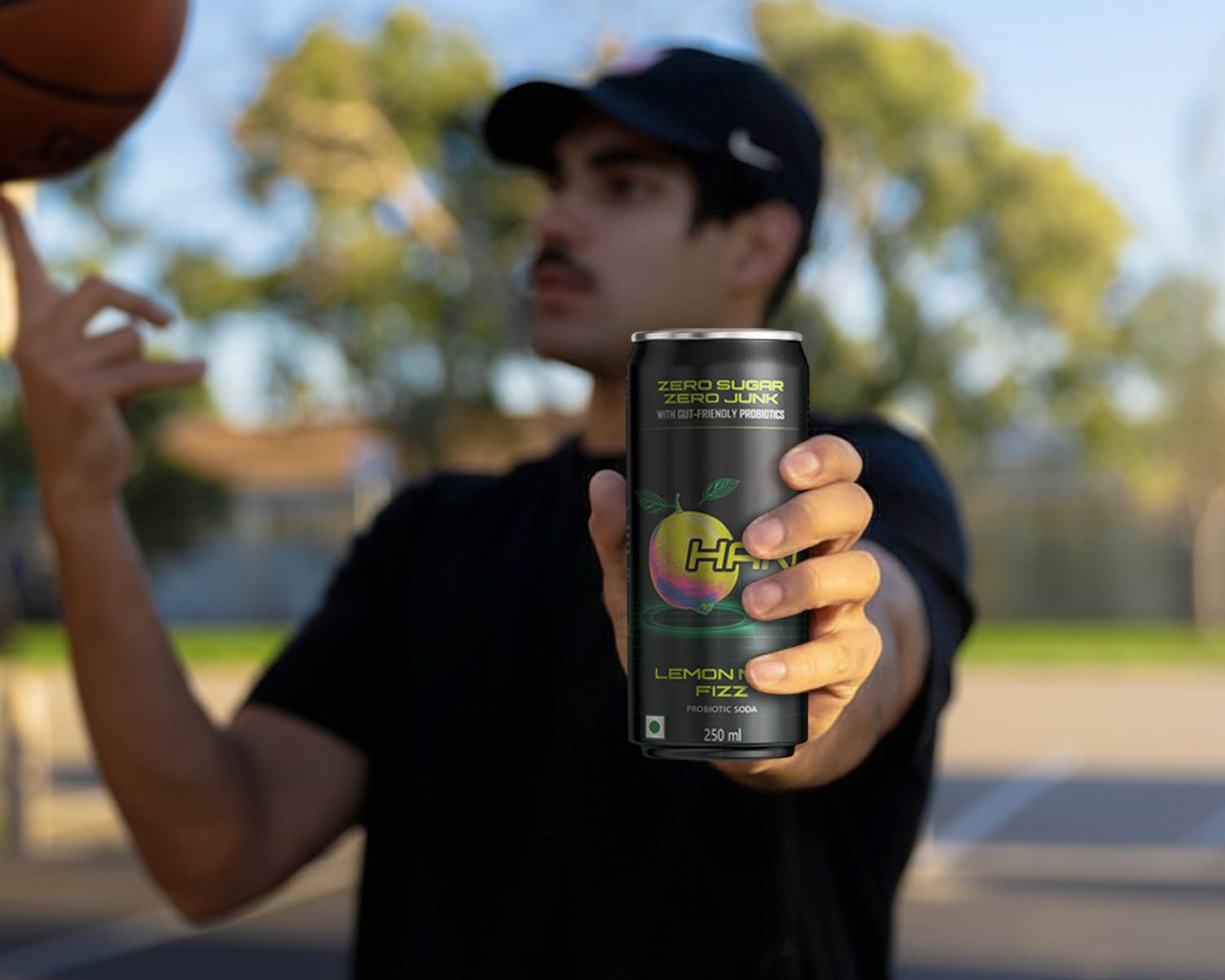
Haki Probiotic Soda
Haki combined probiotics with enjoyable fizz, thus educating the consumers through the wellness communities and quickly becoming trusted as a delicious, functional soda alternative.
Flipkart Banana Chips
Flipkart elevated the popularity of banana chips through excellent marketplace visibility, consistent quality, and customer trust, thus making them the most frequently chosen crunchy, everyday snack.
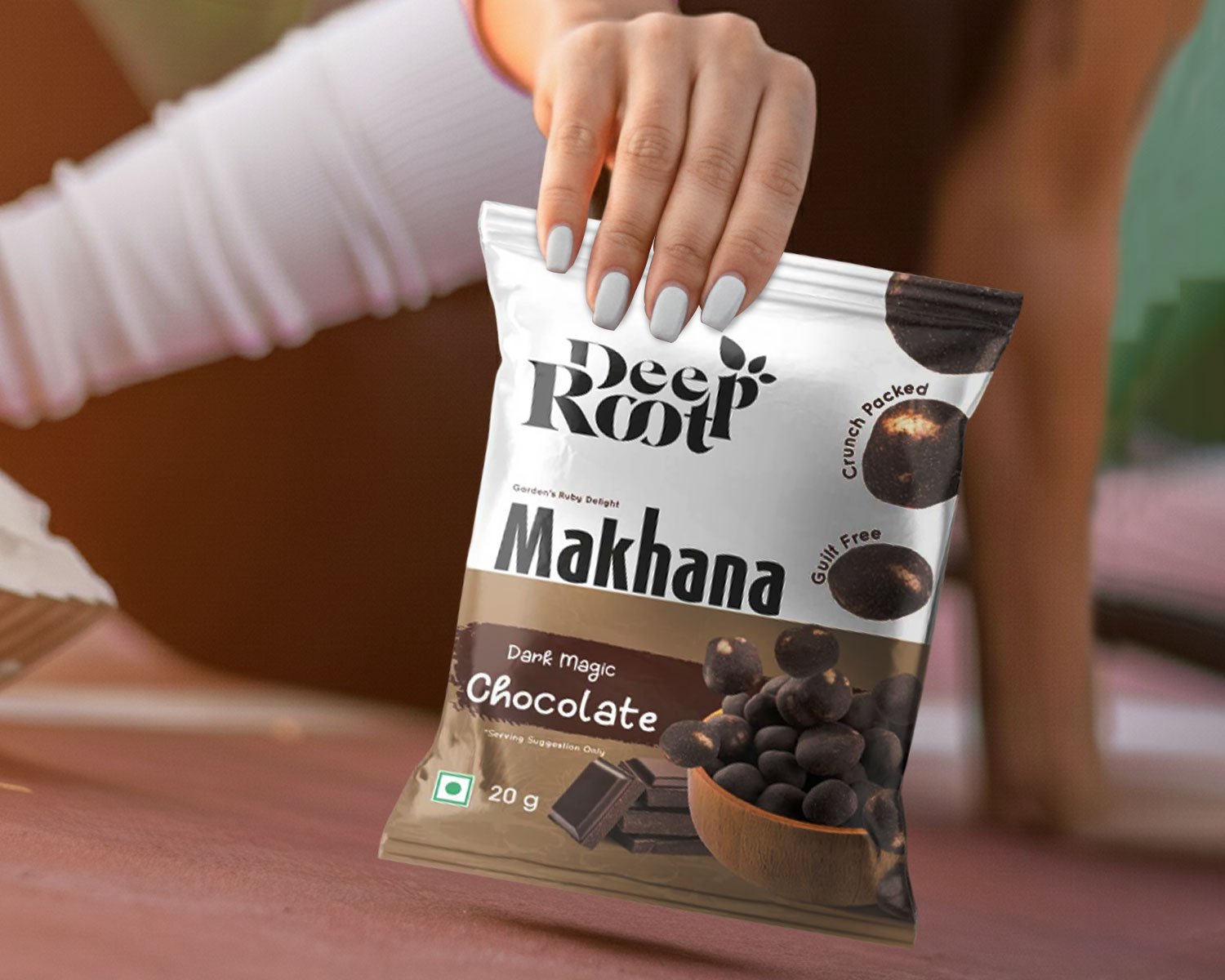
Deeproot Chocolate Protein Makhana
Deeproot transformed the traditional makhana by adding protein and chocolate, thereby attracting the fitness-conscious consumers who are looking for clean, tasty, and guilt-free snacking.
Success Stories
Lab To Pilot To Scale - One Roof Model
Green Horn
Green Horn has emerged as a new favorite energy drink among younger consumers, combining bold flavor with great performance, and has created an identified brand presence and customer loyalty across India.
Stroom
Stroom Protein Bar is a healthy snack brand focused on natural ingredients, great taste, and energy for active people. It promotes fitness, balance, and everyday strength.
Wlue's
Wlue's has transformed healthy snacking in India by creating a trendy superfood out of fox nuts, through innovation, strong branding, and presence across retail locations nationally.
Smart Caffeine
Smart Caffeine offers quick, clean energy through easy-to-use powder sachets. It helps people stay alert, focused, and active without the crash of regular caffeinated drinks.
The Bobalist
The Bobalist set itself as the first bottled popping boba drink in India, creating a disruptive product in the marketplace through innovation, bright and vibrant colors.
FLUKE
Fluke changed how people see energy drinks: clean, tasty, and functional. It quickly became a favorite for those who want real energy without the crash.
1 AM
1 AM shook up the market with its lactose-free, protein-packed cold coffee, giving coffee lovers a smooth, healthy boost without the guilt or discomfort.
Mr. Bomzy
Mr. Bomzy changed the game for home mixology in India with innovative Cocktail Bombs to make premium, crafted cocktails using top-shelf quality spirits easy, affordable, and fun for celebrations.
Ferrera Fizzy Drink
Ferrera expanded its reach by providing pure, vibrant flavors and a trendy, youth-driven branding, thus a mere fizzy drink was turned into a refreshing, health-leaning choice for the daily consumers.
Haki Probiotic Soda
Haki combined probiotics with enjoyable fizz, thus educating the consumers through the wellness communities and quickly becoming trusted as a delicious, functional soda alternative.
Flipkart Banana Chips
Flipkart elevated the popularity of banana chips through excellent marketplace visibility, consistent quality, and customer trust, thus making them the most frequently chosen crunchy, everyday snack.
Deeproot Chocolate Protein Makhana
Deeproot transformed the traditional makhana by adding protein and chocolate, thereby attracting the fitness-conscious consumers who are looking for clean, tasty, and guilt-free snacking.