Imagine a super-sized version where food wizards stir up tomorrow’s meals. Just like how a caterpillar becomes a butterfly, everyday foods are being changed into something amazing right under our noses. While you munch on your breakfast cereal, teams of food makers are mixing, matching, and testing new recipes that might end up on your dinner table next year.
It’s like those cooking shows where chefs turn simple ingredients into jaw-dropping dishes – but with science tools! These food creators are like your creative friend who can turn leftover pizza into a brand-new tasty meal the next day.
Remember how excited you felt finding a toy in your cereal box as a kid? That’s how these food makers feel when they crack the code on a crunchy snack that’s both yummy AND good for you. The food world is bubbling like mac and cheese in the oven, with old-school cooking wisdom getting a fresh spin. Grandma’s secret recipes are meeting high-tech kitchen gadgets, creating foods that snap, crackle, and pop with new possibilities.
Every bite of tomorrow’s food is being crafted today – not just to make your taste buds dance but to keep our planet smiling too! This blog will let you know more about the Food R&D.
The Evolution of Food R&D
Who’s behind the food innovation and expertise? The master behind the innovation is food R&D professionals and food development labs, where scientists, technologists, and food innovators bring something very exciting to the market. What do they do? These teams work tirelessly on new food product innovation and formulation. They take complete responsibility for blending ingredients to make food and beverage products that taste awesome and have nutritional benefits.
Seeing the current trends, people are more into something innovative and sustainable options. These trends spread the magic across consumers to choose sustainable practices. A world where eco-friendly work ethics and responsible sourcing are the norm in food product development. Every step is followed with perfection, from the idea in a head to the market goes crazy about your product, every step is optimized to reduce waste and promote best practices for a greener world.
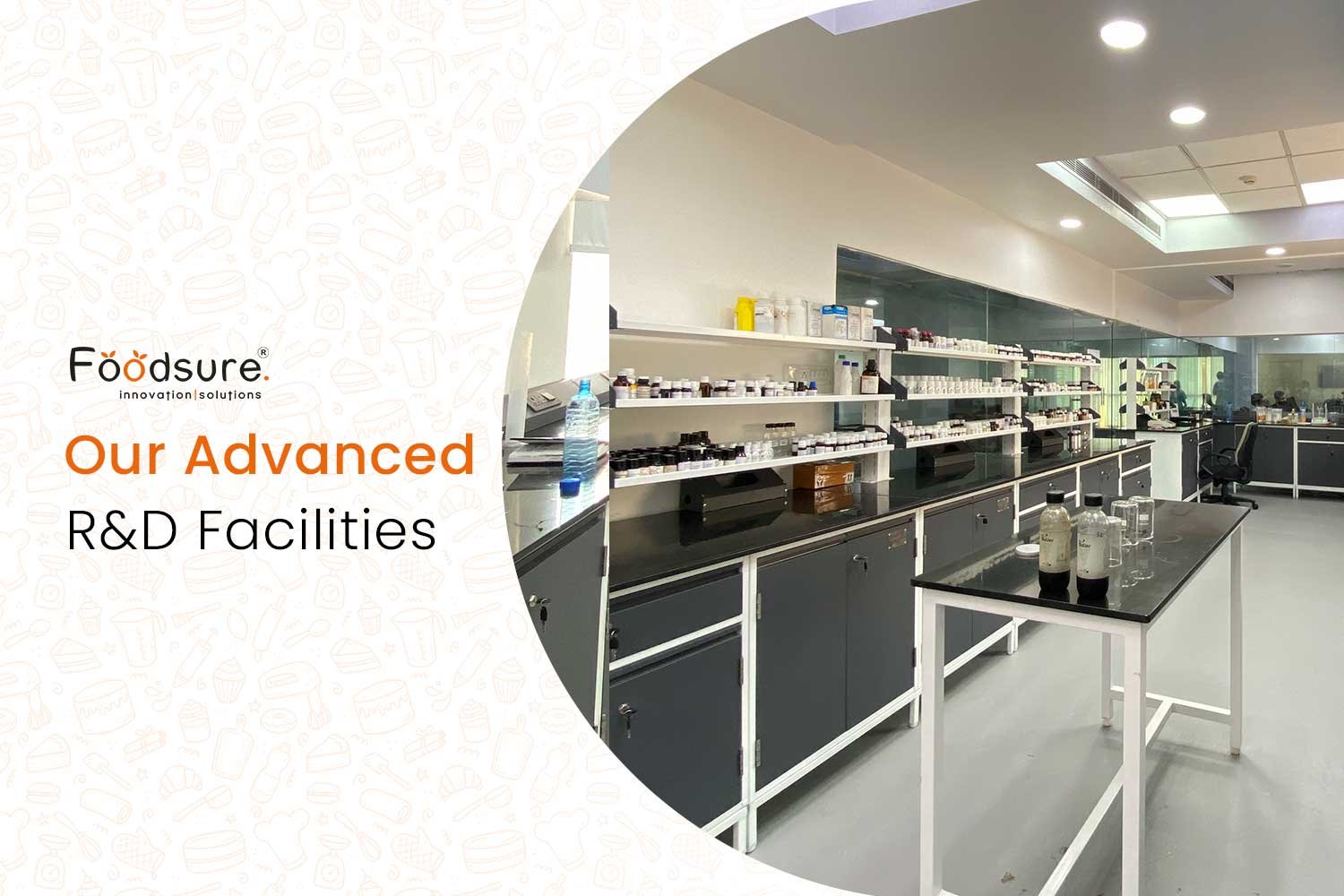
Food Product Development with Advanced Food Science
How can you create something extraordinary in this competitive era of the food and beverage industry? What trends should you follow to stay at the top of the graph? Food science and technology can be the master stroke. With breakthroughs in food processing R&D, manufacturers are now able to develop more nutritious products. A product that can be used for a longer duration of time and gives amazing sensory experiences. Food innovation is more than just mixing flavors; the dynamics of creating healthy and nutritious food is about creating nutritious and healthy food with amazing tastes.
With the help of technology in food product development, new creations can be made, catering to consumer demands in mind. Be it functional food & beverages like nootropics and neutonic drinks that develop immunity and mind growth. The potential for new product development is limitless.
The Process of Food Product Development
Are you thinking about the steps involved in the food product development? It all starts with brainstorming ideas and researching what people love to eat. Once the concept is decided, the food R&D team starts working on the food product development. They plan to bring it to life in food labs, testing different recipes to get the perfect taste and texture. But it doesn’t stop there! The crafted food product goes through safety and quality checks. The goal? A tasty, safe, and market-ready food product that people will love!

Read More: 10 Stages Of New Food Product Development
Phases of product development include
➜ Creative Planning: First, we conduct ideation sessions that include research and ideas brainstorming with proper market research and trends, and insights for the best results.
➜ Recipe Formulation: The detailed food formulation processes where ingredients are mixed to get the perfect taste, texture, and nutritional profile. In this stage, they formulate the food recipe.
➜ Market Test Production: We will now do the market test by small-scale manufacturing to get the product’s quality, taste, and performance in real-world conditions.
➜ Business Scaling: Transitioning from lab-scale to full-scale production using advanced food technology and automated processes.
➜ Go-to-Market Launch: A coordinated effort involving marketing, distribution, and ongoing food industry R&D to adapt to consumer feedback.

The Role of Food Development Consultants
A food development consultant is like your support partner in fulfilling your dream. To manage the challenges of food R&D, you need a food development consultant and expert guidance. A food development consultant serves as a strategic partner, helping businesses touch up or refine their product concepts, check the processes, and make sure they follow all the rules and regulations. These consultants use their deep industry knowledge to drive food innovation and perfect the food product development cycles.
Partnering with a reputable food development consultant or food research and development firm can offer several benefits, including:
➜ Guidance that can take your brand to the top: They can give you access to the latest insights in food science and technology. They will help you completely bring your ideas to life.
➜ Strategic Roadmapping: Development of a clear plan that aligns with market trends and consumer expectations.
➜ Workflow Enhancement: Implementation of best practices in food processing R&D to enhance product quality and production speed.
➜ Smart Spending: Avoidance of costly errors through precise food quality testing and product formulation techniques.

Future Trends in Food R&D
The industry is growing at its peak. Several key trends are shaping the future of food R&D:
➜ Individualized Nutrition: Consumers are increasingly looking for products made to their specific dietary needs. This is leading in functional food development and custom food formulation.
➜ Clean Label Movement: There is a growing demand for products with minimal additives and natural ingredients, fueling food ingredient innovation and the quest for cleaner processing methods.
➜ Digital Transformation: The Integration of AI and machine learning in food science and technology is revolutionizing product development, from predicting flavor profiles to optimizing production processes.
➜ Sustainability Initiatives: A commitment to eco-friendly practices is driving sustainable food R&D, with companies investing in renewable energy, waste reduction, and sustainable sourcing.
Overcoming Challenges in Food R&D
While the innovation potential is vast, the journey of food R&D is not without its hurdles. Challenges such as regulatory compliance, ingredient variability, and scaling production can impact the success of new products. However, through meticulous food quality testing, continuous food product testing, and a proactive approach to food research innovations, these challenges can be effectively managed.

Final Thoughts
The landscape of food R&D is brimming with opportunities for those willing to invest in food innovation, food product development, and advanced food technology. As the industry moves towards more sustainable and health-centric solutions, the role of food research and development becomes increasingly significant. If you follow the emerging trends, use the expert consultancy, and focus on continuous improvement, businesses can not only meet consumer expectations but exceed them. Food R&D is the key to next-generation products using intelligent innovation, rapid development and offering consumer-oriented solutions. Research in the food industry is altering the method of production and the market launching of brands through the development of functional foods, clean-label products, advanced processing and sustainable packaging among others. Since customer requirements generally change mainly towards health, convenience and transparency, Food R&D is the main facilitator of product innovation that leads to success. Those firms that incorporate emerging trends, make investments in the most modern food technology and give primary importance to ongoing improvements in product quality will be way ahead of others. What is the next major thing in food that we can expect is now undergoing trials in R&D labs–and those brands that engage at this point will be the ones dominating the market of tomorrow.
Your Next Hit Food Product Development Starts Here!
Innovation, technology, and consumer insights drive the future of foods. Whether you’re launching a food product or refining a formula, strategic food R&D and expert consulting are key to success.
Ready to create a market-winning food product? Let’s make it happen- contact us today at +91 8130404757!
FAQs
How long does it take to develop a new food product?
It typically takes 6 to 12 months, depending on complexity, testing, and regulatory approvals. Simple snacks may take less time, while functional foods or beverages may need more time.
What are the latest trends in food product development?
Current trends include:
Plant-based and vegan alternatives
Functional foods (like immunity boosters)
Clean-label ingredients
Sustainable and eco-friendly packaging
Personalized nutrition
How does technology help in food innovation?
Advanced food science and technology enable better shelf life, taste, and nutrition. Tools like AI, lab automation, and ingredient mapping help develop unique, safe, and scalable food products faster.
What is a food development consultant, and do I need one?
A food development consultant is an expert who helps companies build and launch food products by guiding them through recipe creation, food safety, regulatory rules, and market testing. Yes, they are highly recommended for startups or new launches.
How much does it cost to develop a food or beverage product?
The cost can range from ₹2 lakhs to ₹20+ lakhs depending on:
Type of product
Ingredients and packaging
Lab and testing needs
Batch production scale
Consultant or OEM services
What is the role of sustainability in modern food R&D?
Sustainability ensures minimal waste, eco-friendly sourcing, clean labels, and conscious packaging. It’s now a key factor in how consumers choose products, making it critical for food brands.
Can I create a functional or healthy food product with Food R&D?
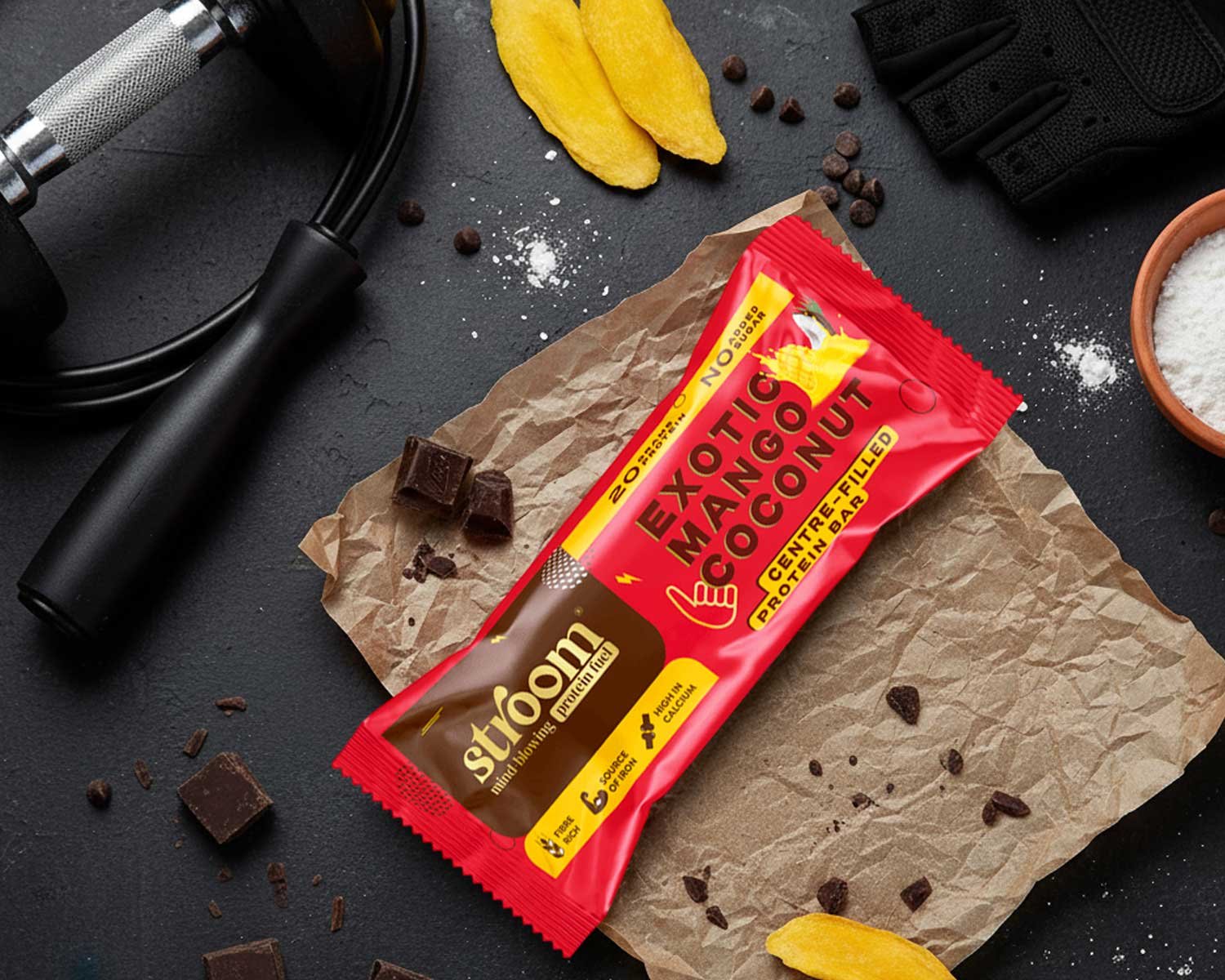
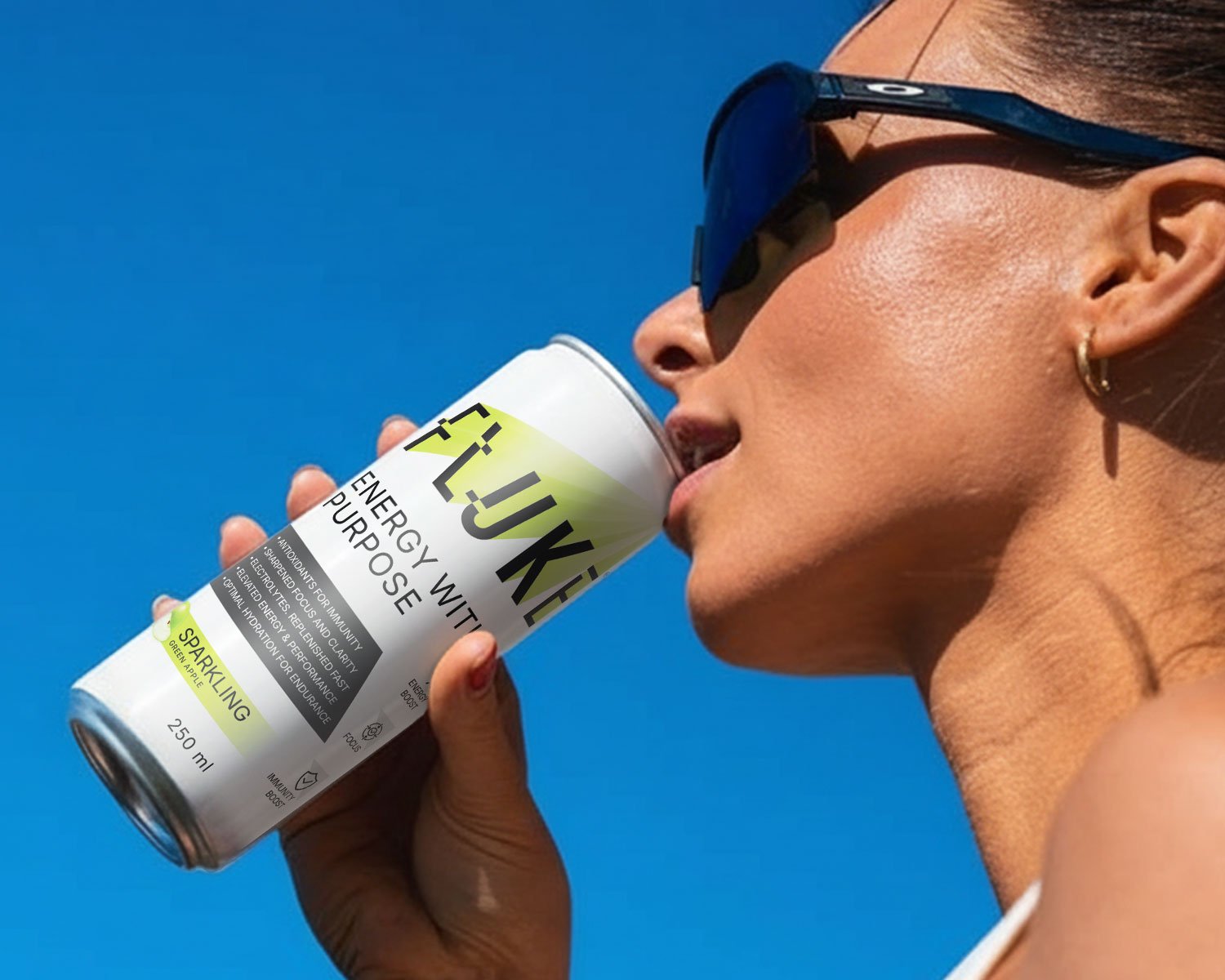
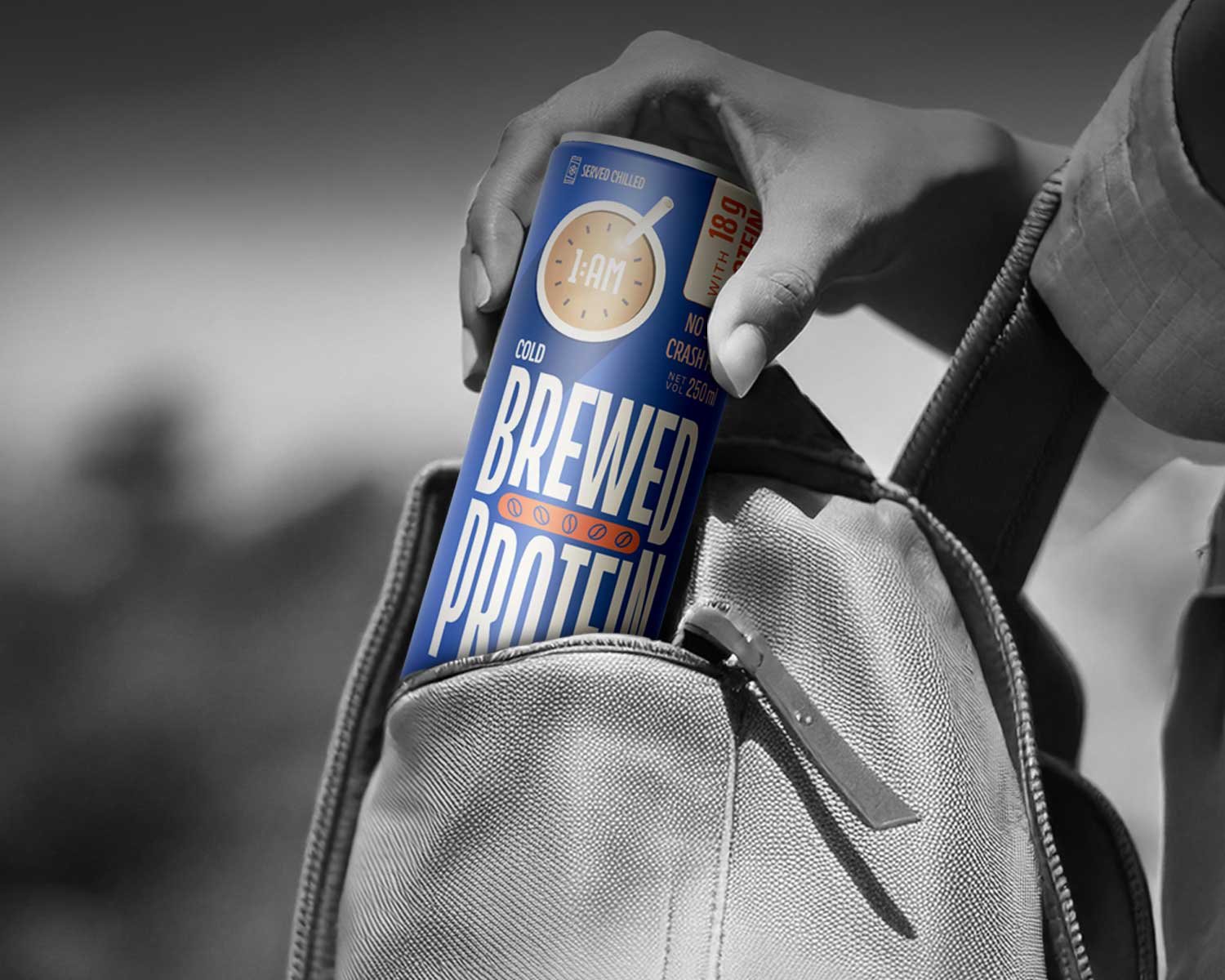
Yes! Functional foods like energy drinks, protein snacks, or brain-boosting beverages are in high demand. Food R&D experts help you choose the right ingredients and formulations to create such products.
What exactly is Food R&D and how come it matters in 2026?
Food R&D, or Research and Development in the food area, deals with new inventions of food items, changing existing ones, making them last longer, and making sure they meet the rules. It keeps the world moving towards things like health-boosting foods, foods with simpler ingredients, and eco-friendly packaging in 2026.
How is Food R&D a helping hand for brands to get their products out in the market sooner?
Food R&D makes new product creation easier by experimenting with components, refining dishes, and confirming methods to be used in production. It ends up cutting down on mistakes, saving money, and getting a product to the market faster.
What major food innovation trends are expected to impact the future?
Among the major food innovation trends that are expected to influence the future are plant-based alternatives, healthy food and drinks, reduction of sugar content, beverages that support gut health, snacks with a high protein content, and adaptogenic drinks.
What role does Food R&D play in extending shelf life without deteriorating product quality?
The use of ingredient science, packaging innovation and preservation methods are ways through which R&D contributes to the extension of the shelf life of products while still maintaining the product’s good taste, texture, and nutritional value.
Is Food R&D capable of providing regulatory compliance like FSSAI?
Absolutely, Food R&D is a route of ensuring that aspects such as formulations ingredients packaging, and labeling are in line with the FSSAI regulations, and That means lead to lower compliance risks post-launch.
What factors should brands consider when selecting a Food R&D partner?
First of all, brands should identify the level of expertise in formulation, pilot trials scalability sensory testing, and regulatory support that the partner has to offer with the capability of the partner to help in the product-to-market journey in a smooth manner.