
Food product development is undergoing a major transformation as sustainability becomes a core business priority. With rising environmental awareness, brands are increasingly integrating sustainable ingredients in food product development to reduce environmental impact and build long-term consumer trust. In 2026, adopting sustainable food ingredients will no longer be a trend but a strategic requirement for companies that want to stay competitive and relevant.
Modern food ingredients development now focuses on responsibly sourced, plant-based, and upcycled ingredients that balance functionality, nutrition, and environmental responsibility. By embedding sustainability into ingredient selection and innovation, food brands can strengthen supply chains, lower carbon footprints, and create products that benefit both people and the planet.
Why Is Sustainability In Food Formulation Important In 2026?
Sustainability is now a business necessity in 2026. The food industry consumes vast land, water, and energy resources, and the Food and Agriculture Organization (FAO) states that the global food system is responsible for nearly one-third of global emissions. Brands must reformulate products responsibly to reduce environmental impact while staying competitive.
Why it matters:
- Reduces carbon footprint and resource usage
- Promotes ethical sourcing and fair labour
- Minimises waste and improves efficiency
- Supports clean-label and responsible innovation
- Builds consumer trust and long-term brand value
5 Trends Of Sustainable Ingredients
Some sustainable ingredient trends in food product development are:
1. Plant-Based Ingredients

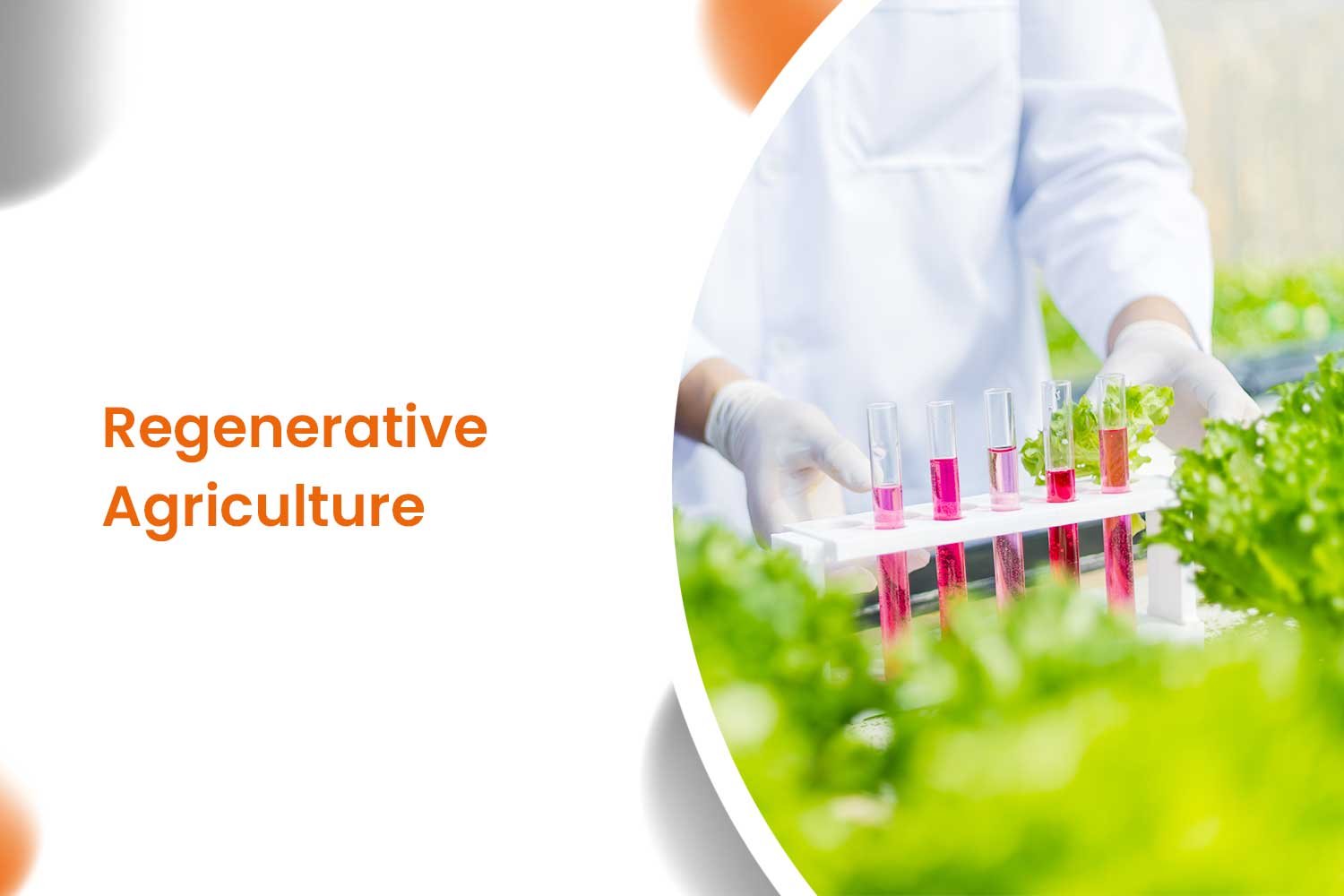
2. Regenerative Agriculture
3. Insect Protein
It is emerging as a breakthrough in sustainable food formulation and alternative protein development. Crickets and mealworms require significantly less land, water, and feed than livestock while producing fewer greenhouse gas emissions, making them highly resource-efficient.
Rich in protein, healthy fats, and micronutrients, insect protein is being used in protein bars, functional snacks, and animal feed, supporting eco-friendly food production and future-ready protein solutions. Though still growing in acceptance, it holds strong potential for sustainable food product innovation.

4. Seaweed and Algae
Have you ever thought about seaweed or algae as a food ingredient? These aquatic plants are good for the environment because they don’t need land, freshwater, or pesticides to grow. In fact, they actually absorb carbon dioxide, helping fight climate change.
Seaweed and algae are also highly nutritious, rich in protein, minerals, and fibre. They are popping up in plant-based dairy products, snacks, and even supplements. And let’s not forget, seaweed is a powerful tool in sustainable food development because it can also be used in biofuels and biodegradable packaging.

5. Upcycled Ingredients
The idea of upcycling might sound new, but it is one of the smartest ways to reduce food waste. Upcycling involves taking food by-products, things that would normally be thrown away, and turning them into something useful. For example, spent grains from brewing, coffee grounds, and fruit peels are now being turned into flours, snacks, and protein powders.
By upcycling, sustainable food companies are reducing waste and making sustainable food formulation more efficient, and providing consumers with some new options that are both nutritious and eco-friendly.

Role Of Certifications In Sustainable Food Formulations
Certifications play a key role in sustainable food formulation and responsible food product development by assuring consumers of environmental, ethical, and health standards.
- Ethical sourcing: Fair Trade supports fair wages and safe working conditions.
- Environmental sustainability: Organic certification promotes chemical-free farming and soil-friendly practices.
- Corporate transparency: B Corp highlights high standards in sustainability and social impact.
- Health & dietary assurance: Non-GMO and Gluten-Free labels support clean-label food formulation and special dietary needs.
These certifications strengthen consumer trust and support sustainable food brands.
How Brands Can Get Started With Sustainable Ingredients?
For brands wanting to embrace sustainability, here’s how they can start:

- Research and Find Sustainable Suppliers – Partner with certified sustainable food suppliers (Fair Trade, USDA Organic) for ethical and sustainable ingredient sourcing.
- Start Small, Then Expand – Introduce sustainable ingredients in food product development gradually, then scale based on market response.
- Communicate Transparently – Clearly showcase sustainable sourcing and clean-label food formulation across packaging and digital platforms.
- Work with Sustainable Food Formulation Experts – Collaborate with sustainable food formulation consultants for compliance, sourcing, and innovation.
- Track Impact and Adjust – Measure environmental impact, cost, and supply chain efficiency to ensure long-term sustainable growth.
Fuel The Future With Sustainable Ingredients In Food Product Development

The future of food is in your hands. By choosing sustainable ingredients in food product development, you are not just creating better products; you are shaping a better world. Join the movement and turn your food into a catalyst for change. Let’s create a future where every bite leaves a positive impact.
Take the first step and contact our sustainable food recipe formulation consultants at 8130404757 today!
FAQs
Q1. Why are sustainable ingredients becoming important in food product development?
Sustainability reduces environmental impact, supports ethical practices, and meets growing consumer demand for eco-friendly foods.
Q2. What are the key trends in sustainable food ingredients in 2026?
Top trends include plant-based ingredients, regenerative agriculture crops, insect protein, seaweed/algae, and upcycled ingredients.
Q3. What counts as plant-based, sustainable ingredients?
Items like lentils, beans, peas, quinoa, oats, are used in plant-based meats, dairy-free milks and other eco-friendly formulations.
Q4. Why consider insect protein in sustainable food development?
Insect protein uses far fewer resources (land, water, feed) than traditional livestock, and still delivers high-quality protein – making it a low-impact, sustainable option.
Q5. How do seaweed and algae help sustainability in food products?
They grow without land or pesticides, absorb CO₂, and provide proteins/minerals, making them eco-efficient and nutritious ingredients.
Q6. What are upcycled ingredients in food product development?
Upcycled ingredients are food by-products (e.g. spent grains, fruit peels) that would be wasted but are repurposed into nutritious flours, snacks, or powders – reducing waste and maximising resources.
Q7. Why do certifications matter when using sustainable ingredients?
Certifications (organic, fair-trade, non-GMO, gluten-free) assure consumers and regulators that ingredients meet ethical, environmental, and health standards.
Q8. How can brands begin using sustainable ingredients without high risk?
Start small (one or a few products), source certified suppliers, test the recipe, label transparently, and monitor cost and customer feedback.
Q9. Does sustainable ingredient sourcing affect a brand’s trust and market position?
Yes, transparent sustainable sourcing builds consumer trust, brand reputation, and aligns with growing demand for environmentally conscious products.
Q10. What steps do brands need to implement sustainable ingredient formulation?
Research suppliers, select sustainable ingredients, reformulate recipes, ensure regulatory compliance, communicate sourcing to customers, and track environmental & business impact.