This blog is your chance to make your brand shine like a star in the tough, competitive market. If you’re serious about your beverage idea and its journey towards the real brand, choosing the right beverage co-packer is one of the biggest decisions you’ll ever make. It’s not just about finding someone to bottle your drink — it’s about finding a true partner who can help you scale without ruining your product, delaying your launch, or blowing your budget.
This is your chance. You are planning to launch a wellness shot, energy drink, kombucha, or sparkling flavored water; remember that the wrong co-packer can lead to missed deadlines. There might be quality issues or lost money for your brand. So, never compromise on choosing the right co-packer for your beverage product? They’ll help you move from kitchen to shelf with confidence.
This reading ride is for you to know everything before signing a co-packing deal — including real examples from your beverage manufacturing partner, expert advice, key questions to ask, and major red flags to watch out for. If you want to save time, avoid costly mistakes, and build a brand that lasts — this is the guide you need. Let’s go together.
What Is a Beverage Co-Packer?
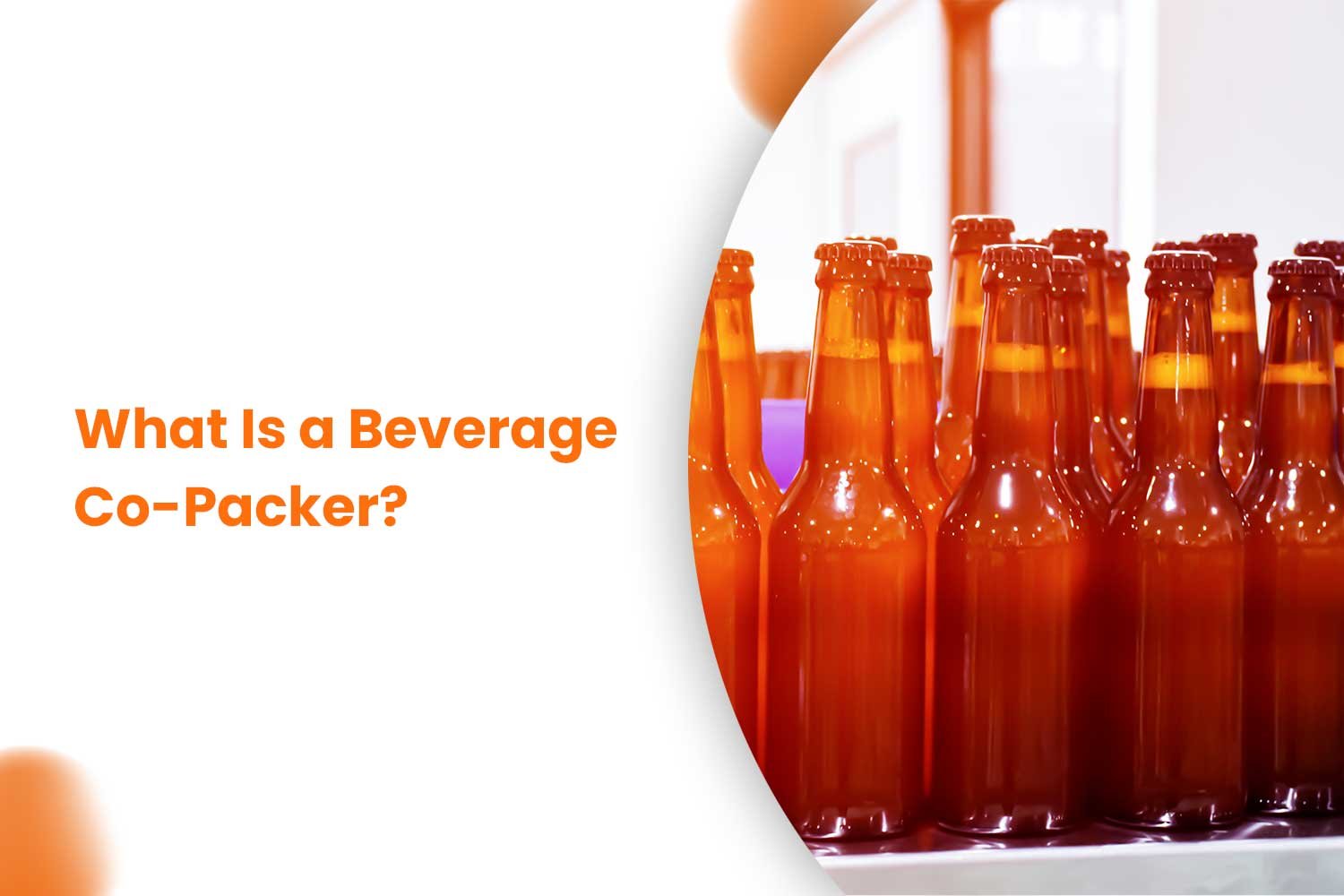
Before directly moving into how to choose the right beverage co-packer for your product, let’s talk about what it actually is. A beverage co-packer (short for “contract packer”) is a third-party company that produces and packages beverages for other brands. Or you can define it as an opportunity for you to make your name in the beverage industry. Be it sourcing ingredients, mixing, pasteurizing, filling, labeling, and shipping, co-packers handle the heavy lifting so you can focus on marketing, branding, and distribution.
For Example:
- A cold-pressed juice brand may work with a co-packer that specializes in HPP (High Pressure Processing) to make sure their products are fresh without heat.
- An energy drink startup might need a co-packer experienced in carbonation and nitrogen dosing. So the actual challenges in energy drink formulation or overall brand building can be taken care of by experts.
So choosing a beverage manufacturing partner with the right experience, certifications, and capacity is the actual key.
Why Choosing the Right Co-Packer Matters
If you are someone who doesn’t have expertise in all segments of building a beverage brand, you can reach out to the best co-packer in India to achieve success. Here is the listicle of why choosing the right co-packer can be a game-changing aspect for your beverage brand.
1. Quality Assurance
Quality check is a must when you want your brand to be the one and only choice of the market. An experienced co-packer makes sure your product meets food safety and quality standards such as FSSAI, HACCP, and BRCGS. They also manage testing, shelf-life stability, and cleanroom standards—all crucial in food and beverage manufacturing.
Case Example:
A probiotic drink startup in Bangalore switched co-packers after repeated complaints about fermentation issues. The new co-packer implemented stricter cold-chain handling and HACCP protocols—rescuing the brand’s reputation. This is how you can also make your brand successful.
2. Cost Efficiency
Cut the major cost and help in generating more ROI. Producing in-house requires major investment in machinery, staff, and compliance. Co-packers offer economies of scale, meaning lower per-unit costs, faster production timelines, and reduced operational headaches.
3. Market Readiness
Good co-packers stay updated on trending formats—think aluminum cans, tetra packs, glass bottles, or even ready-to-drink pouches. They’ll also advise on what works best for your shelf-life and audience.
8 Factors to Consider Before Choosing a Beverage Co-Packer
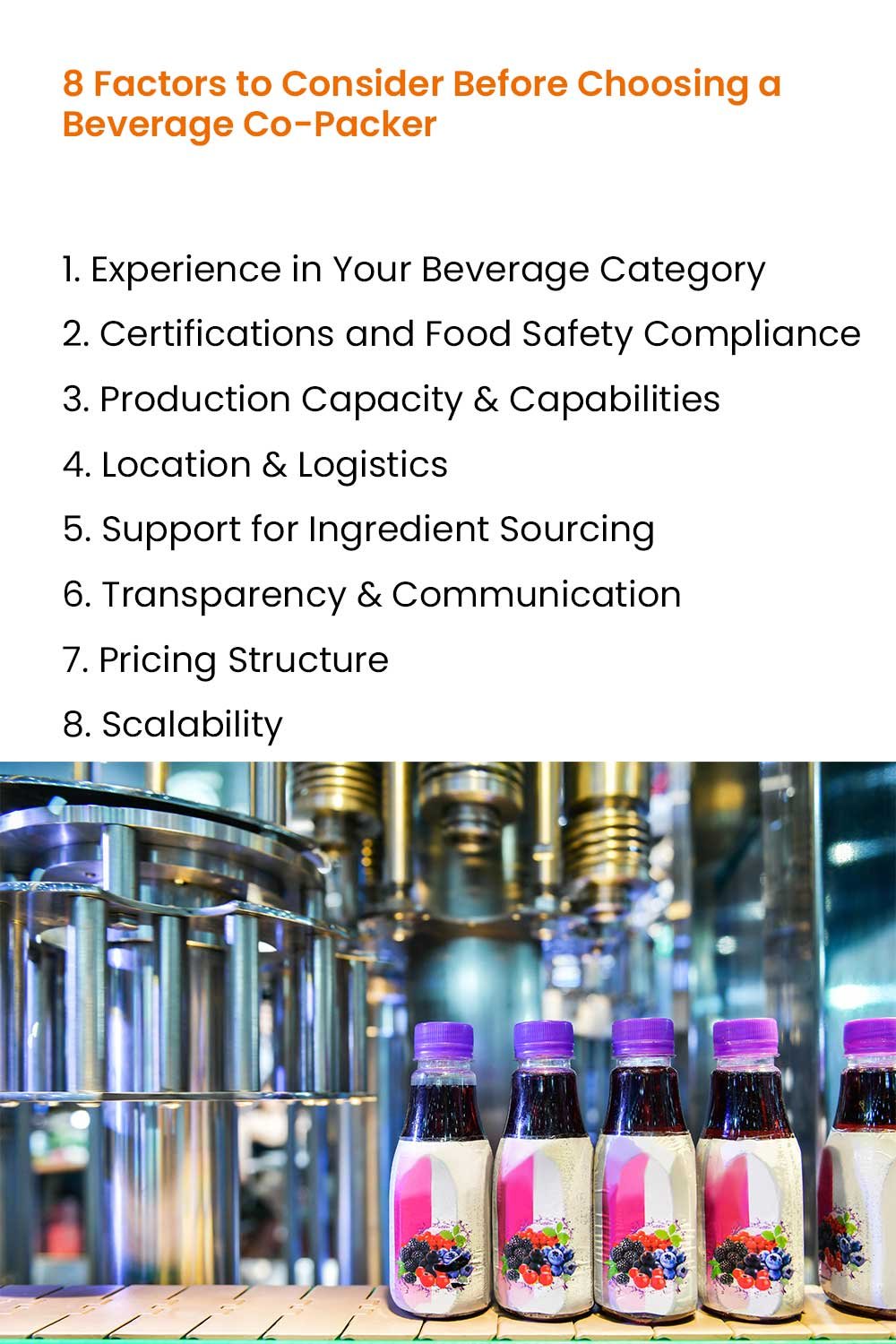
1. Experience in Your Beverage Category
Experience in the industry can be the best way to choose the right contract manufacturer for your beverage products. Choose a co-packer that has worked with products similar to yours. Making kombucha is very different from producing an energy drink. So check their existing contract manufacturing of beverages details.
Ask:
- “Can you share examples of brands you’ve worked with in this category?”
- “Have you handled any beverages that require live cultures or carbonation?”
Pro Tip: Ask your beverage manufacturing partner for references or product samples of similar products they’ve co-packed. You will be able to select the contract manufacturer for your beverage products.
2. Certifications and Food Safety Compliance
Beverage Co-Packing services also include some major certifications required for your brand. Look for relevant certifications that indicate strong quality control and regulatory alignment:
- FSSAI – Mandatory in India
- ISO 22000 – Food safety management
- HACCP – Hazard analysis and critical control points
- BRCGS – Global food safety standard (important for exports)
Example:
An Ayurvedic beverage brand seeking export to the UK chose a BRCGS-certified co-packer to streamline approval processes in international markets.
3. Production Capacity & Capabilities
Choose the best Co-Packer for startup beverages to enhance the capabilities and shine. Don’t just ask about current capacity—ask if they can scale as you grow.
Check for:
- Minimum and maximum batch sizes
- Production speeds
- Packaging options (glass, PET, cans, pouches)
- Compatibility with your formulation (hot-fill, cold-fill, UHT, aseptic)
Scenario:
A startup launched a 5,000-bottle batch of cold brew coffee. When a retail chain showed interest, the co-packer couldn’t scale up to 50,000 bottles. They had to switch vendors mid-year—leading to costly delays.
4. Location & Logistics
The best co-packer for startup beverages is the only solution for the brands to take care of everything. Also, location can impact your distribution costs, delivery timelines, and regulatory needs (e.g., GST zones, export clearances). If you’re targeting metro cities or exports, choose a co-packer close to ports or transport hubs.
Case in Point:
A brand targeting North Indian cities chose a co-packer in Delhi NCR to reduce freight charges and delivery timelines—saving nearly ₹4 per unit in logistics.
5. Support for Ingredient Sourcing
Some co-packers offer ingredient sourcing support—great for founders without vendor networks. Others expect you to supply everything.
Ask:
- “Can you help source ingredients like botanicals, flavours, or functional additives?”
- “Do you have approved vendors for organic or certified ingredients?”
Pro Tip:
For functional drinks (collagen water, adaptogen blends), ask about sourcing bioactive ingredients with proper certifications.
6. Transparency & Communication
Good co-packers act like an extension of your team. They should be transparent about:
- Batch testing updates
- Timeline expectations
- Any delays or formulation issues
- Willingness to allow product trials or factory visits
Green Flag:
If they proactively share lab results, certifications, and weekly updates—you’re in good hands.
7. Pricing Structure
Don’t get trapped by low quotes. Understand the full cost structureSet-upup charges (formulation, test batches)
- Per-unit cost
- Packaging material costs
- Lab testing fees
- Storage or warehousing charges
Smart Tip:
Always ask for a detailed breakup. Compare 2–3 co-packers to evaluate value—not just price.
8. Scalability
As your brand grows, will your co-packer keep up?
- Can they double or triple batch sizes?
- Are they open to installing new machinery (e.g., shrink sleeve labeling, can seaming)?
- Can they support export-grade documentation?
Example:
A Pune-based electrolyte drink brand grew from 10,000 to 100,000 units in one year. Their co-packer had the space, machines, and team to handle the growth seamlessly—saving them from a costly transition.
Questions to Ask Before You Sign
- Have you produced a beverage like mine before?
- What’s your minimum order quantity (MOQ)?
- What certifications do you hold?
- Can I visit your facility?
- What’s your typical turnaround time?
- Can I do a pilot batch or test run?
- How do you handle revisions or batch failures?
Red Flags to Watch Out For
- Vague answers or unwillingness to share references from your beverage co-packer
- Lack of certifications or outdated licenses
- Unclean facility or outdated machinery
- Poor communication or missed timelines
- No written agreements or price transparency
Final Thoughts: Choosing a Partner, Not Just a Vendor
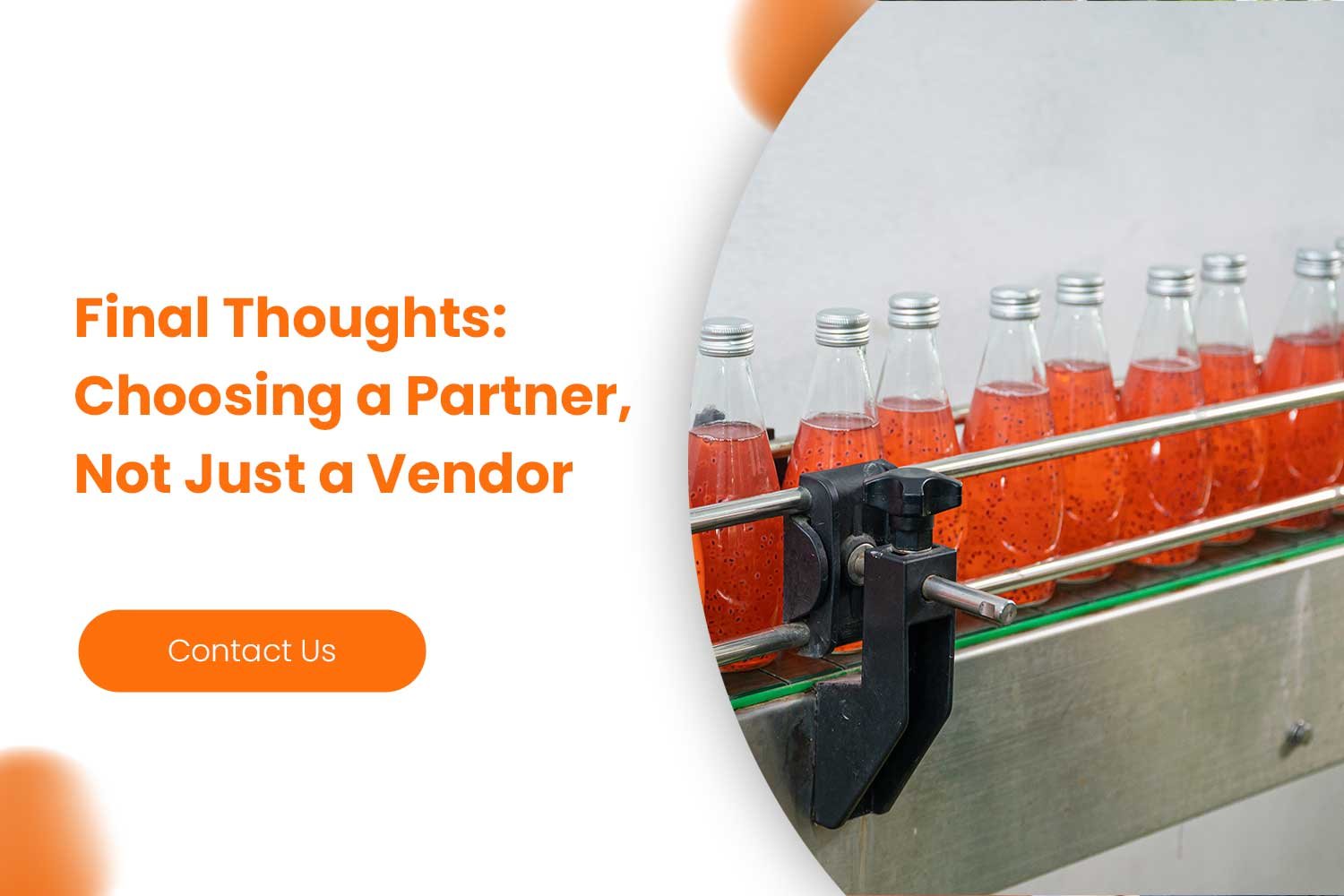
Choosing the right beverage co-packer is not merely a checklist task—it is a strategic move that defines your product’s success. A great co-packer helps you avoid mistakes, maintain quality, and scale faster with confidence, no matter if you are a large or small batch beverage producer.
Take your time. Visit their facility. Ask tough questions. And make sure their values match yours.
Looking for the Right Beverage Co-Packing Partner in India?
Meet the expert to fulfill your beverage dreams- the Foodsure. We help brands with formulation, regulatory approvals, and full-scale beverage manufacturing.
Let’s build your product the right way. Book your free consultation with Foodsure.
Contact us today at +91 8130404757