Sports drinks formulation might look like simply mixing sugar, salt, and flavours into a bottle and putting it on shelves, but in reality, it is far more complex. The functional beverage market is already dominated by established sports drink brands like Gatorade and Powerade, which means consumers are actively searching for better sports beverage development, products that hydrate faster, taste lighter, and rely on smarter, cleaner sports beverage ingredients. This shift is pushing brands to invest seriously in hydration beverage development, where precision electrolyte drink production and science-backed isotonic drink formulation create the real opportunity for new players to win.
Step 1: Creating A Scientifically Proven Sports Drink Recipe Formula
The first goal in launching a sports drink brand is to create a sports drink that replaces fluid, electrolytes, and energy at the same rate athletes lose them during exercise. This is where sports drink development becomes a science-driven process. A sports drink formulation is only successful when it is physiologically aligned and scientifically validated. The most effective sports beverage development ensures that the drink matches the body’s hydration and energy needs under physical stress—something every serious sports drink formulation company in India focuses on while designing high-performance products.
Here are the key parameters that determine successful hydration beverage development and commercial isotonic drink formulation:
- Concentration of the drink: An effective isotonic drink formulation ensures the balance of water and nutrients mirrors the body’s osmotic pressure. This balance allows faster fluid absorption and efficient carbohydrate uptake, which is critical in professional sports drink formulation. When done correctly, it supports hydration without causing heaviness or digestive discomfort—an essential factor in large-scale electrolyte drink production.
- Carbohydrates: In commercial sports drink formulation, carbohydrates should typically make up 6–8% of the drink. Anything lower fails to supply adequate energy, while higher concentrations may slow gastric emptying. Most sports beverage ingredients strategies rely on a dual-carbohydrate system to optimise energy delivery and gut tolerance, especially when scaling electrolyte drink manufacturing processes.
- Electrolytes: Sodium remains the cornerstone of any electrolyte drink production, as it drives fluid absorption and maintains electrolyte balance during intense activity. Advanced sports drinks development often includes potassium and magnesium to support muscle function and endurance, particularly for longer training sessions or competitive events.
- Flavour and mouthfeel: Taste plays a decisive role in repeat consumption. A well-designed sport drink should be light, refreshing, and not overly sweet. In professional hydration beverage development, flavour systems are carefully optimised so athletes perceive the drink as thirst-quenching rather than sugary, supporting consistent intake during workouts.
- Clean label and stability: Modern consumers expect transparency. Successful sports beverage development focuses on clean-label sports beverage ingredients, using natural flavours and carefully selected preservation systems. During sports drink formulation, stability testing and regulatory compliance are critical steps, especially when brands are learning how to make an isotonic sports drink commercially and scale it safely for the market.
Step 2: Test The Sports Drink Recipe Formulation With Real Customers
The mission of sports drinks development is to validate the sports drink formulation with real consumers before scaling it for commercial launch. This testing phase is critical in hydration beverage development, ensuring that the sport drink truly performs as intended, hydrates efficiently, feels comfortable during consumption, and delivers sustained energy. For any sports drink formulation company in India, this real-world validation bridges the gap between lab trials and large-scale electrolyte drink production.
Key consumer-led tests used during sports beverage development include:
- Sweat testing: Athletes are asked to observe fluid loss during training, frequency of cramps, and visible salt marks on clothing. These indicators help fine-tune the electrolyte drink manufacturing process by assessing how effectively the formulation replaces lost sodium and minerals. Sweat feedback is essential when optimising isotonic drink formulation for different activity levels and climates.
- Stomach comfort: Testers report how the sports drink feels during and after consumption, light and comfortable versus heavy or upsetting. Any bloating or discomfort signals issues in sports beverage ingredients, such as excess sugar or improper osmotic balance, which must be corrected during sports drink formulation.
- Taste and acceptance: Flavour, aftertaste, and refreshment perception directly influence repeat purchase. Successful sports beverage development ensures the drink is not just functional but genuinely enjoyable, helping it stand out even among established sports drink brands in a crowded market.
- Performance feedback: Athletes track endurance, recovery speed, and consistency during workouts. This qualitative performance data helps refine the final sports drink formulation and is a crucial step in understanding how to make an isotonic sports drink commercially viable. Real-world performance insights ensure the product is market-ready before full-scale electrolyte drink production begins.
Step 3: Build Your Sports Drink Brand, Stay Compliant, & Go-To-Market
The goal of sports drinks development is to take a validated sports drink formulation and convert it into a scalable business, backed by a strong brand story, regulatory confidence, and efficient go-to-market channels. Successful hydration beverage development doesn’t end at formulation; it extends into how the sport drink is positioned, manufactured, and sold in a competitive landscape dominated by established sports drink brands.
Stand out with clear positioning: Effective sports beverage development begins with sharp positioning. Clearly communicate what makes your sports drink formulation different, whether it is designed for hot-weather training, rapid recovery in team sports, or endurance and stamina support. Focused messaging resonates far better than generic claims, especially in performance-driven electrolyte drink production categories.
Show the credibility of the sports drink: Trust is a major purchase driver in sports drinks development. Share hydration testing data, electrolyte performance results, and real-world feedback from athletes or coaches. If your product has been developed with a sports drink formulation company in India or validated by formulation experts, highlight this openly to strengthen brand credibility and authority.
Get regulatory compliance and quality right: Commercial success depends on strict adherence to food safety and labelling regulations. Ensure your sports beverage ingredients, nutrition panels, and functional claims comply with local and export requirements. Using a certified manufacturing setup is essential in the electrolyte drink manufacturing process to guarantee product safety, batch consistency, and long-term scalability, especially when learning how to make an isotonic sports drink commercially.
Choose your sales channels strategically.
A well-planned route to market supports sustainable growth in sports beverage development:
- Direct-to-consumer (DTC): Offer starter kits, value bundles, and subscription models to build retention and predictable demand.
- Teams & gyms: Provide trial coolers, coach discounts, and locker-room sampling to drive grassroots adoption of your sport drink.
- Speciality retail: Support education with shelf talkers, QR codes linking to formulation and hydration testing, and smaller case packs to reduce entry barriers for retailers and consumers alike.
Ready to Launch a High-Performance Sports Drink?
Planning to develop a clean-label isotonic or electrolyte drink? Our beverage formulation experts help you move from concept to commercial production efficiently.
✔ Optimized 6–8% carbohydrate balance
✔ Scientifically structured electrolyte ratios
✔ FSSAI-compliant formulation & labeling support
✔ Stability & shelf-life validation
✔ Certified scalable manufacturing
The 60-Day Plan For How To Launch A Sports Drink Brand In 2025
- Week 1: Build Sports Drink Base Formula – Create your isotonic sports drink with the proper mix of carbs and electrolytes for the consumers and finalise two flavour options that taste fresh and enjoyable.
- Week 2: Test The Product In The Real World- Get athletes to try your sports drink during training. Notice how well it hydrates them, how their stomach feels, the taste, and how it supports performance.
- Week 3: Refine & Prepare For Sports Drink Recipe Formulation- Make small tweaks to improve the sports drink recipe formula. Design clear, clean labels and packaging that meet rules.
- Week 4: Launch For Sports Drink Brand- Start selling your sports drink online with beginner bundles. Share samples with gyms and teams. Encourage athletes to post their stories, hydration logs, or training experiences. Keep listening to feedback and improving.
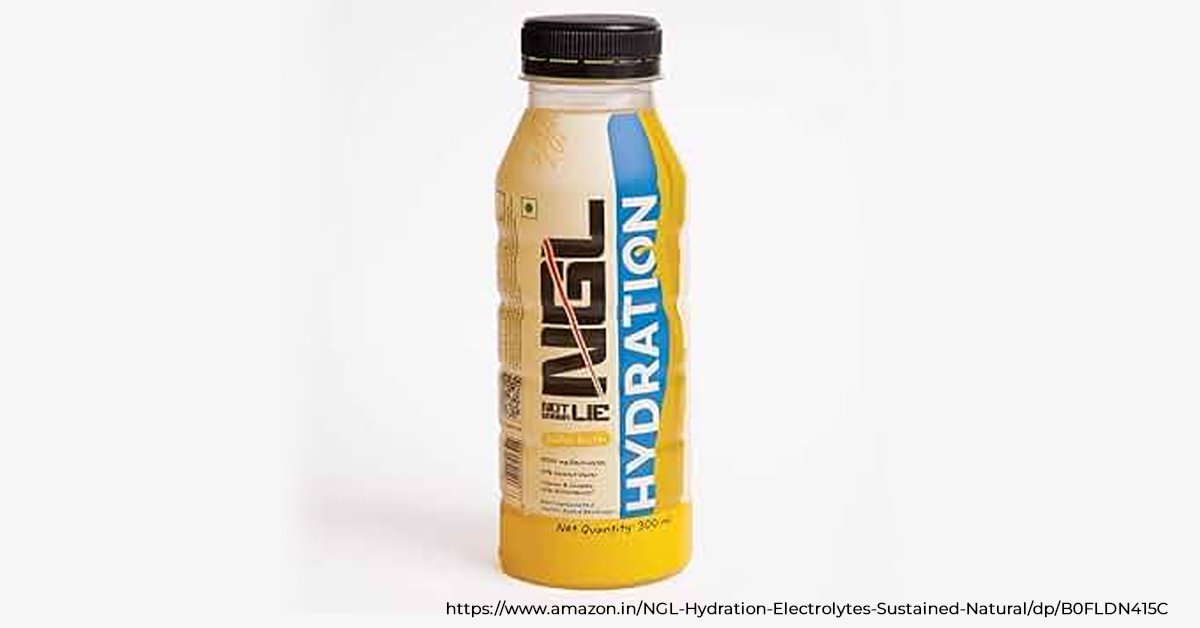
Case Study: NGL Hydration Water
Category: Electrolyte Hydration Beverage
NGL Hydration Water was developed to meet the growing demand for clean, low-sugar hydration alternatives to traditional sports drink brands. Instead of a heavy carbohydrate profile, the product focused on precise electrolyte drink production, using sodium and potassium to support rapid hydration in hot-weather and daily activity conditions.
The sports drink formulation emphasised light taste, stomach comfort, and frequent consumption, making it suitable beyond intense workouts. Clear positioning and minimal sports beverage ingredients helped the brand scale through gyms and wellness-focused retail, proving how targeted hydration beverage development can succeed without competing directly with classic isotonic drinks.
Case Study: C-Energy Creatine Water
Category: Functional Performance Drink
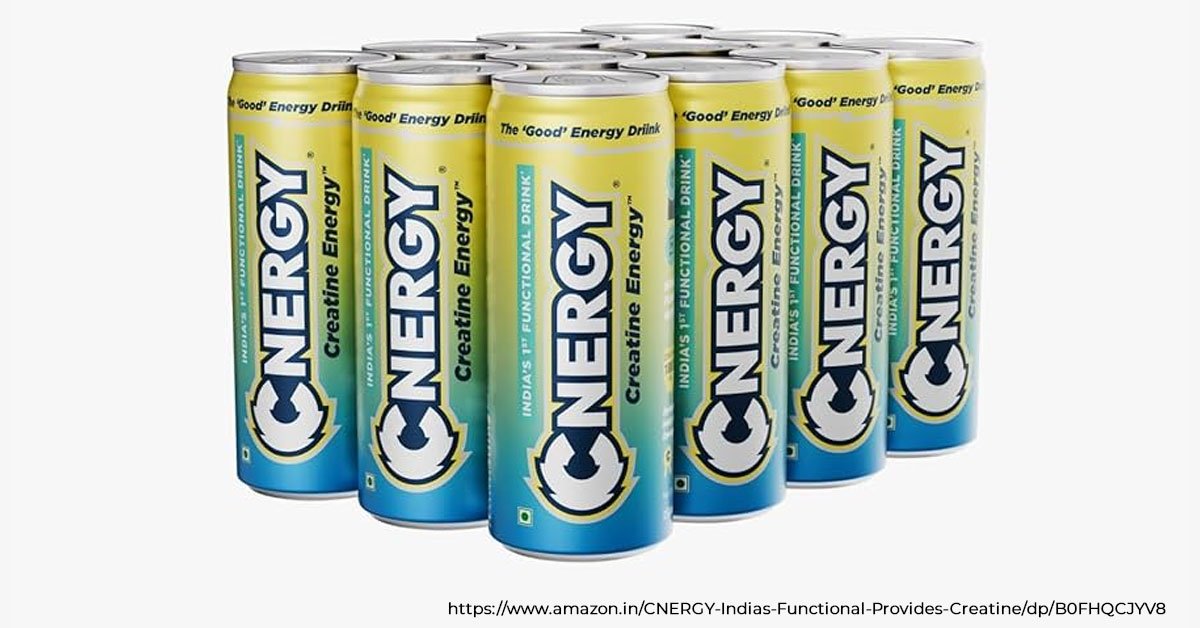
C-Energy Creatine Water represents a new wave of sports beverage development that blends hydration awareness with performance nutrition. The brand focused on stabilising creatine in a ready-to-drink format while maintaining a clean mouthfeel—an important challenge in advanced sports drink formulation.
By combining creatine with a light electrolyte system, the sport drink positioned itself as a strength-supporting alternative to sugary sports drinks and stimulant-heavy energy drinks. This approach shows how to make an isotonic sports drink commercially adjacent by adding functional benefits without compromising hydration.
Conclusion: Turning Sports Drink Ideas Into Scalable Brands
Launching a successful sports drink brand today is no longer about copying what already exists; it’s about building smarter, science-led products that truly serve athletes and active consumers. From sports drink formulation and real-world testing to regulatory-ready manufacturing and focused go-to-market execution, every step plays a role in long-term success. Brands like NGL Hydration Water and C-Energy Creatine Water show that clear positioning, clean sports beverage ingredients, and purposeful hydration beverage development can help new entrants win without competing head-on with legacy players.
Whether your goal is clean hydration, isotonic performance, or functional innovation, partnering with the right sports drink contract manufacturing and R&D team ensures your idea moves from concept to shelf with confidence. With the right formulation strategy, testing framework, and launch plan, building a scalable, compliant, and consumer-loved sports drink in 2025 is not just possible, it’s achievable.
Start The Sports Drink Brand That Others Will Chase- Call Us Now!
If you are still searching for how to launch a sports drink brand that wins in the market, you are in the right place. Our sports drink recipe development team helps you create powerful formulas, refreshing flavours, and packaging that athletes and customers trust. Don’t delay in searching for how to launch a sports drink brand—turn your idea into the sports drink brand everyone else will want to copy.
Build the Next Winning Hydration Brand
India’s sports nutrition market is expanding rapidly. The brands that win focus on science-backed electrolyte balance, clean-label positioning, and scalable contract manufacturing.
Book a Free 20-Minute Product Feasibility Call & Validate Your Concept Before Production.
Related Blogs
FAQs
What is a sports drink formulation?
Sports drink formulation is the process of designing a sports drink that replaces fluids, electrolytes, and energy during exercise.
What is an isotonic drink formulation?
Isotonic drink formulation creates sports drinks that match body fluid concentration for faster hydration and absorption.
How much carbohydrate should a sports drink contain?
Commercial sports drink formulation typically uses 6–8% carbohydrates for optimal energy delivery and digestion.
Which electrolytes are essential in sports beverages?
Sodium is essential in electrolyte drink production, while potassium and magnesium support muscle function.
How are sports drinks tested before launch?
During sports beverage development, drinks are tested for hydration efficiency, stomach comfort, taste, and performance.
What is the electrolyte drink manufacturing process?
The electrolyte drink manufacturing process includes formulation, stability testing, regulatory checks, and certified production.
How long do sports drinks take?
Most sports drink development cycles take 4–8 weeks from recipe to market-ready product.
How to make an isotonic sports drink commercially?
To learn how to make an isotonic sports drink commercially, brands must balance carbs and electrolytes and scale via contract manufacturing.
Why work with a sports drink formulation company in India?
A sports drink formulation company in India offers expert R&D, regulatory knowledge, and scalable manufacturing.
What does sports drink contract manufacturing include?
Sports drink contract manufacturing covers formulation, testing, compliance, and large-scale electrolyte drink production.