Relaxation beverages are rapidly reshaping the functional drinks landscape, making one thing clear: in 2026, calm is currency. As stress, digital overload, and poor sleep become everyday challenges, consumers are turning to science-backed, alcohol-free relaxation beverage options designed to help them unwind without compromise. This shift reflects broader relaxation beverage trends, where drinks for relaxation are no longer niche but part of daily wellness routines.
Rather than acting as sedatives, today’s relaxation drinks are positioned as the best drink for relaxation through balance—supporting mood, focus, and rest while fitting seamlessly into modern lifestyles. As demand rises across global markets, including the US relaxation beverages market, brands are increasingly investing in thoughtful relaxation beverages development and relaxation beverages formulation to make “chill in a can” a credible, everyday habit.
What Are Relaxation Beverages
Relaxation beverages are non-alcoholic functional relaxation drinks formulated to support relaxation, reduce stress or anxiety, promote mental calm, and, in some cases, encourage sleep—without the adverse effects associated with alcohol or high-stimulant beverages. These relaxation beverages typically incorporate calming herbs such as chamomile and lavender, adaptogens like ashwagandha and rhodiola, amino acids including L-theanine and GABA, and other botanicals known for their mood-modulating properties, making them effective drinks for relaxation.
From a relaxation beverage formulation perspective, these products are available in multiple formats, including ready-to-drink (RTD) cans, functional shots, teas, and fortified sparkling waters or sodas designed to deliver calming benefits. As part of ongoing relaxation beverages trends, thoughtful relaxation beverages development focuses on balancing efficacy, taste, and consumer trust while positioning these products as a credible relaxation beverage for everyday use.
The Following Factors are Driving the Trend 
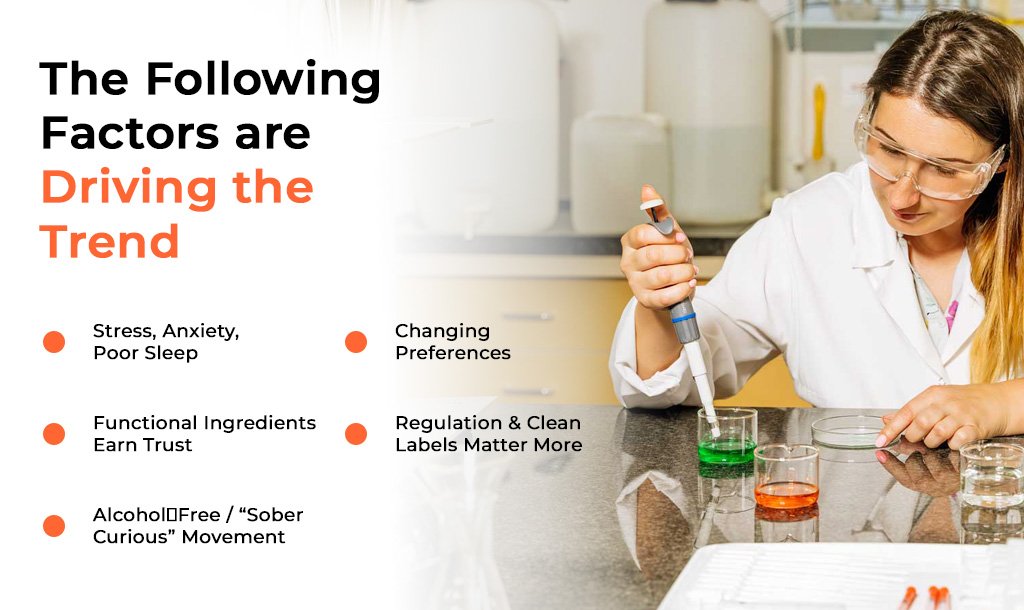
The following factors are bringing relaxation drinks to the forefront of consumers’ minds:
- Stress, Anxiety, Poor Sleep: Rising insomnia, anxiety, long work hours, and screen fatigue are pushing consumers toward everyday, non-clinical drinks for relaxation, accelerating demand for functional relaxation beverages that support better stress management and rest.
- Changing Preferences: Gen Z and Millennials are shifting away from constant stimulation, favouring calm, balance, recovery, and emotional regulation—key drivers shaping modern relaxation beverages trends.
- Functional Ingredients Earn Trust: Familiar actives like L-theanine, GABA, chamomile, magnesium, and melatonin continue to build confidence, reinforcing credibility in relaxation beverage formulation and positioning these products as the best drink for relaxation for repeat use.
- Regulation & Clean Labels: Clear dosage, low sugar, plant-based positioning, and transparent labelling now function as trust signals in relaxation beverage development, not just marketing claims.
- Alcohol-Free Movement: Sober-curious consumers are embracing relaxation drinks that deliver calm and social ritual without alcohol, accelerating growth across the broader relaxation beverage category.
When & Where the Big Opportunities Are
- Asia-Pacific growth momentum: The region is expected to grow the fastest, supported by rising disposable incomes, urban stress factors, and strong acceptance of functional and herbal wellness beverages.
- Mature Western markets: North America and Europe currently lead in market size, but higher saturation and regulatory complexity mean new brands must differentiate clearly on formulation, function, and positioning.
- Winning product formats: Ready-to-drink (RTD) beverages, functional shots, and mixes dominate the category. Shots attract time-pressed consumers seeking quick, noticeable effects, while RTDs and infusions support daily, moderate relaxation routines.
Ingredients to formulate a Good Relaxation Beverage
- L‑theanine
- Chamomile, Lavender, Lemon Balm, Passionflower
- Valerian Root, Melatonin
- Adaptogens (Ashwagandha, Rhodiola)
- Minerals (Magnesium, etc.)
- Flavour, sweeteners, masking agents
Formulation Considerations
- Flavour vs efficacy: Functional actives can impact taste; masking and blending are needed without reducing effectiveness.
- Ingredient transparency: Clear disclosure of actives and dosages builds trust; vague blends are increasingly questioned by consumers and regulators.
- Timing of effect: Sedating ingredients suit evening use, while daytime formulations should rely on non-drowsy calming actives.
- Safety & regulation: Permitted ingredients and limits vary by region; botanicals must be tested for contaminants.
- Stability & packaging: Botanical extracts degrade over time; packaging and format influence shelf life, cost, sustainability, and perception.
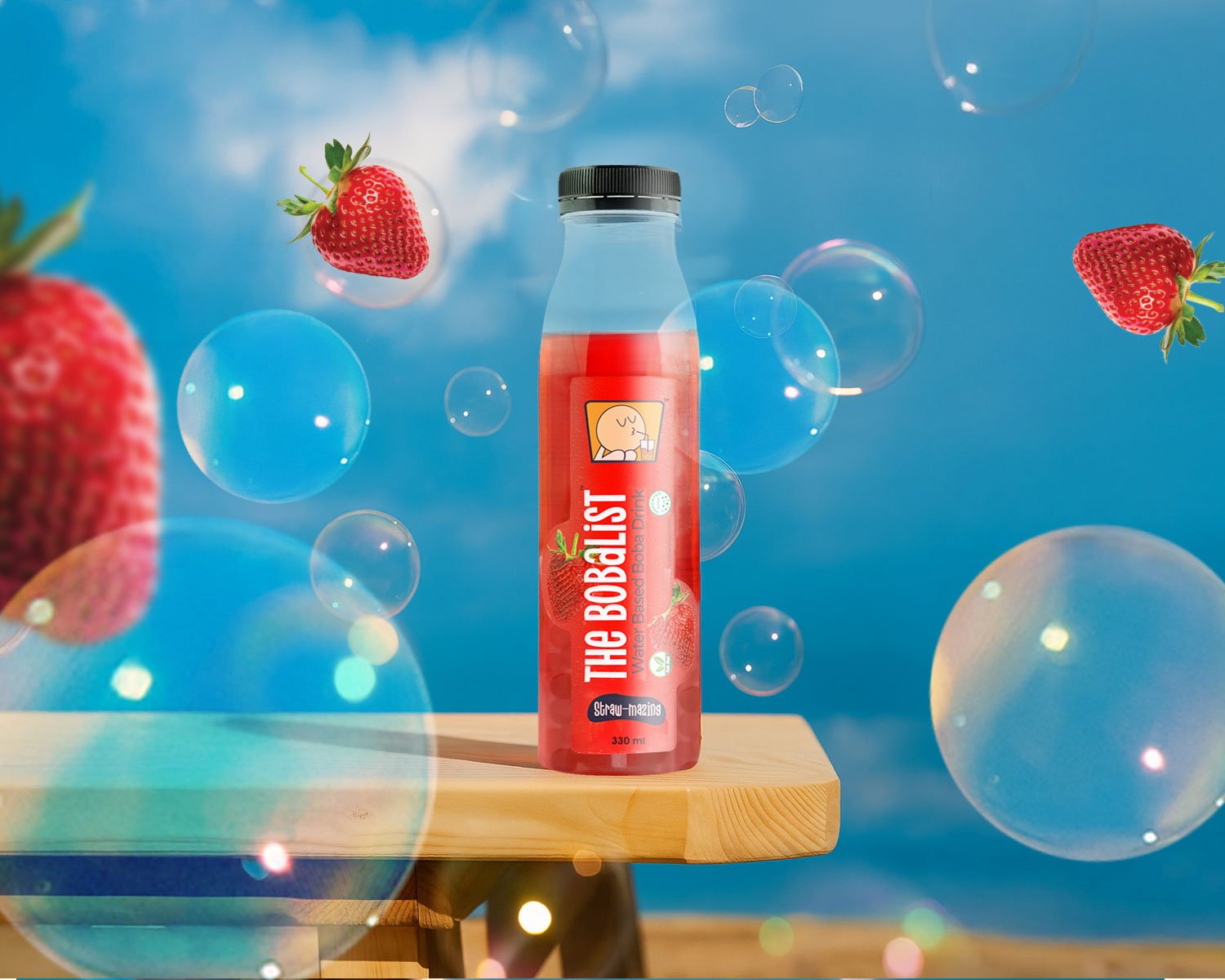
Case Study: Bobalist Popping Boba
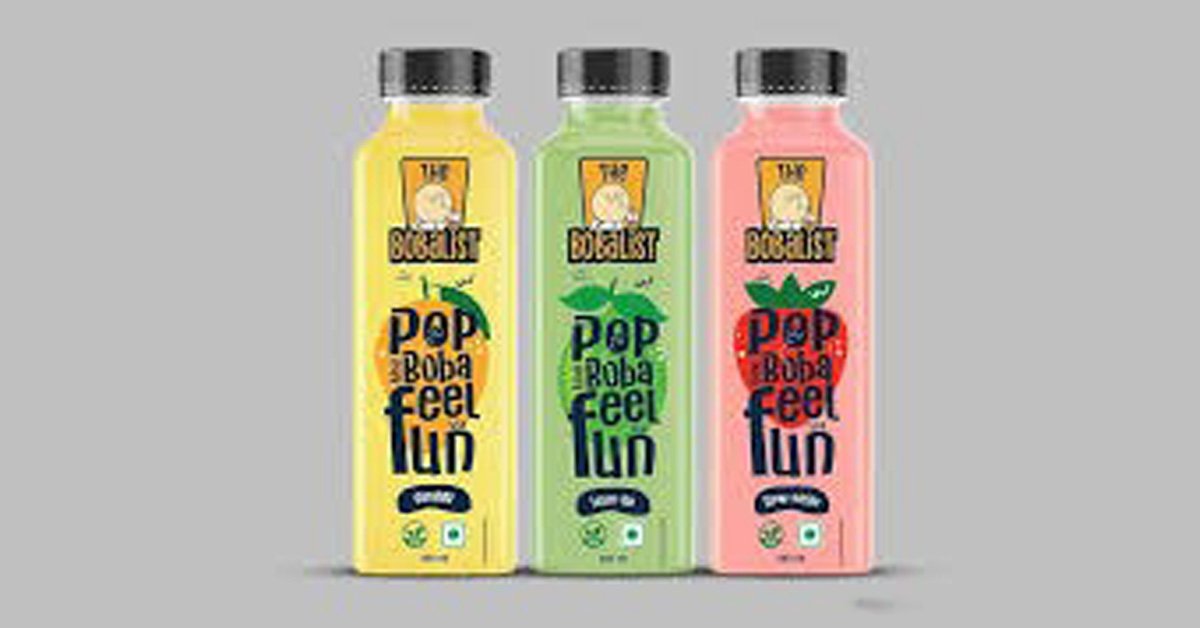
As the relaxation beverages category expands beyond ingredients and claims, Bobalist popping boba offers a compelling example of how sensory design can support emotional calm without relying on pharmacological actives. While not positioned as a traditional relaxation drink, Bobalist’s innovation demonstrates how texture and interaction can enhance mood-led beverage experiences.
The Insight
Modern consumers increasingly associate relaxation with light engagement rather than stimulation. Bobalist capitalised on this shift by introducing popping boba as a gentle, playful element that slows consumption and encourages mindfulness—key behaviours aligned with emerging relaxation beverages trends.
Functional Integration
In fruit teas, sparkling waters, and alcohol-free mocktails, popping boba added a controlled sensory release that complemented calming flavour profiles. This made it a suitable add-on for relaxation beverage concepts where enjoyment, ritual, and emotional comfort mattered as much as functional ingredients.
Rather than interfering with base formulations, popping boba functioned as a modular layer—allowing brands to enhance perceived value without altering core relaxation beverage formulation or dosage integrity.
Why It Resonated
- Tactile comfort: The pop-and-release sensation created a moment of satisfaction without sensory overload
- Reduced consumption speed: Interaction naturally slowed drinking, supporting relaxation cues
- Low stimulation: No caffeine, alcohol, or stimulant interference, aligning with drinks for relaxation positioning
- Visual calm & delight: Soft colours and playful visuals enhanced emotional appeal without intensity
Key Takeaway for Relaxation Beverage Brands
Bobalist’s success shows that relaxation beverage development doesn’t rely solely on new actives or higher doses. Thoughtful sensory elements—texture, interaction, and pacing- can meaningfully support calm and emotional regulation, especially for consumers seeking the best drink for relaxation without clinical or medicinal framing.
This case highlights how experiential design can quietly reinforce relaxation goals, making popping boba a strategic inspiration rather than a novelty add-on in modern functional beverage innovation.
Benefits (What’s in it for Consumers, and for You as a Producer)
For Consumers
- Supports stress reduction and emotional calm through everyday relaxation beverages
- Helps improve sleep quality and build consistent routines with a trusted relaxation drink
- Provides a gentler, safer alternative to alcohol or pharmaceutical solutions via drinks for relaxation
- Offers natural, clean-label formulations aligned with modern relaxation beverage trends
- Enables functional consumption beyond basic hydration, positioning the relaxation beverage as part of daily wellness
For Brands
- Access to a rapidly expanding relaxation beverage category with strong revenue potential
- Clear positioning opportunities around wellness, mindfulness, and mental well-being in the US relaxation beverages market and globally
- Scope for innovation in flavour profiles, formats, and delivery systems during relaxation beverages development
- Ability to command premium pricing through thoughtful relaxation beverage formulation, high-quality ingredients, and transparent, credible claims
Challenges & What to Watch Out For
- Regulatory risk: Ingredient approvals vary by market, with restrictions on actives such as melatonin, CBD, and certain botanical extracts that may require novel-food clearance.
- Dosage vs safety: Delivering noticeable effects without adverse reactions is critical; overstated claims can damage trust and invite regulatory action.
- Consumer education: Limited awareness of functional ingredients like L-theanine or adaptogens means brands must communicate benefits clearly and responsibly
- Taste and experience: Medicinal flavours or lingering aftertastes reduce repeat purchase and long-term adoption
- Cost pressure: High-quality botanicals, stability work, testing, and compliance increase costs, but cutting corners can compromise efficacy and brand credibility.
Step‑by‑Step: How to Build Your Own Relaxation Beverage Formula
- Mood Boosting Beverages
- Functional Beverage Ingredients
- Beverage Sensory Validation
- Commercial Beverage Formulation
- Beverage R&D Timelines
Conclusion
Relaxation beverages are no longer a niche concept—they are emerging as a core category within the functional drinks market, shaped by shifting lifestyles, mental wellness priorities, and the global move toward alcohol-free consumption. As consumers increasingly seek calm, balance, and restorative rituals in their daily lives, relaxation drinks that deliver genuine benefits—without compromising taste, safety, or transparency- are gaining long-term relevance. This shift reinforces why drinks for relaxation are becoming part of everyday wellness rather than occasional use.
For brands, success in relaxation beverage development will depend on disciplined relaxation beverage formulation, regulatory foresight, and clear positioning rooted in trust and education. Those investing in evidence-backed ingredients, thoughtful dosage, and credible storytelling can create meaningful differentiation in a crowded relaxation beverage landscape. As calm becomes a valued currency, relaxation beverage concepts offer both consumers and producers an opportunity to redefine how wellness is experienced—one functional sip at a time.
Need help with that? Just give us a call at +91 8130404757. Get all the information and services you need to make your brand the first choice for all.
Planning a Relaxation Beverage That Actually Scales?
From calming ingredient selection to compliance, shelf life, and commercial stability —
Foodsure helps brands build relaxation beverages that work beyond pilot batches.
Trusted by 100+ D2C founders and functional beverage brands
FAQs
What are relaxation beverages?
Relaxation beverages are non-alcoholic functional drinks made to reduce stress, promote calmness, or support sleep using calming ingredients.
Do relaxation drinks make you sleepy?
Not always. Daytime relaxation drinks focus on calm without drowsiness, while sleep-focused variants may include sedating ingredients.
Are relaxation beverages safe for daily use?
Yes, if they are formulated with approved ingredients, compliant dosages, and consumed as directed.
How long do relaxation beverages take to work?
Most people feel effects within 20–60 minutes, depending on ingredients and individual response.
Are relaxation beverages better than alcohol for relaxing?
Yes. They provide relaxation without intoxication, hangovers, or long-term health risks linked to alcohol.
What common ingredients are used in relaxation beverages?
Common ingredients include L-theanine, chamomile, magnesium, adaptogens, lemon balm, and sometimes melatonin.
Can relaxation beverages replace sleep medication?
No. They are not medical treatments, but can support mild stress relief or sleep routines naturally.
Are relaxation beverages regulated?
Yes. Ingredients, dosage limits, and health claims are regulated and vary by country or region.
Who typically consumes relaxation beverages?
Urban professionals, Gen Z, Millennials, and wellness-focused consumers looking for balance and recovery.
What should consumers look for on product labels?
Clear ingredient lists, specific dosages, low sugar content, and clean-label claims.