Energy drinks have become one of the fastest-growing categories in the beverage world. Today, almost every age group looks for a quick boost, better focus, or a refreshing drink that helps them stay active. That’s why building the right energy drink brand is not just about taste, but also about clean science, smart ingredients, and reliable manufacturing practices.
If you are exploring how energy drinks work, what they contain, or how they are developed, this guide explains everything in very simple words.
What Is an Energy Drink?
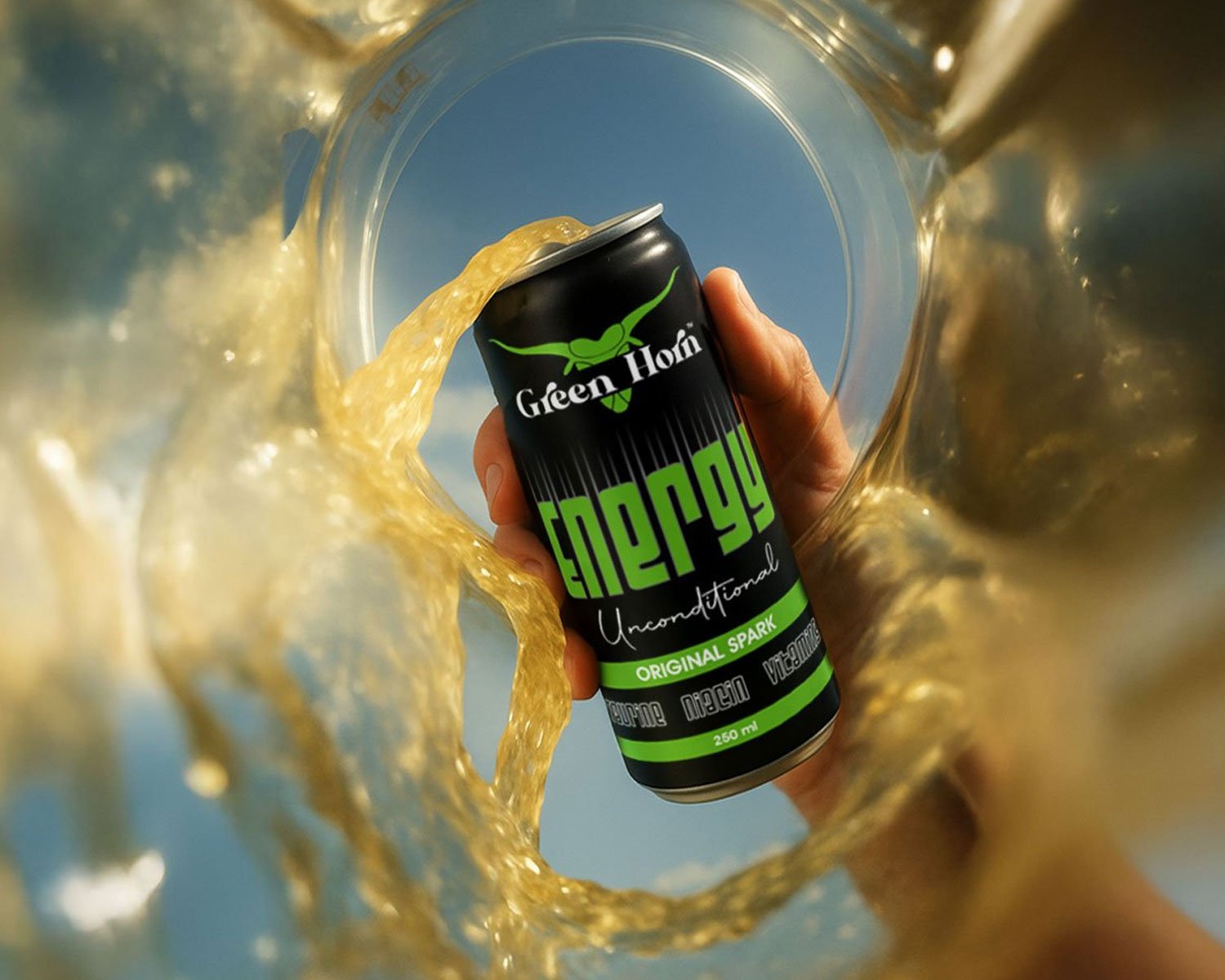
An energy drink is a non-alcoholic functional beverage made to give the body and mind a short burst of energy. It helps with alertness, focus, and physical performance. These drinks are usually cold, flavoured, and ready to consume anytime.
People prefer energy drinks because they want something quick, refreshing, and strong enough to fight tiredness.
Foodsure supports energy drink brands from idea to commercial launch – formulation, trials, stability, and contract manufacturing guidance in one place.
Energy Drink Ingredients: What Goes Inside
Every good energy drink starts with a well-balanced formula.
Common ingredients include:
- Caffeine for alertness
- Taurine for performance support
- B-vitamins for energy metabolism
- Sugar or sweeteners for taste
- Flavours for consumer experience
As an Energy Drink Manufacturer, your formula must stay clean, stable, and safe for different types of users.
Recommended Read – Energy Drink Ingredients
Energy Drink For Whom?
Energy drinks are often made for:
- Students
- Office workers
- Gamers
- Gym users
- Night-shift employees
- Travelers
- People who need quick energy during the day
A smart energy drink brand develops products based on the needs of each group.
For example, low-sugar drinks for fitness users, or stronger caffeine blends for gamers.
Why Energy Drinks Are So Popular
Simple reason: life is getting busier.
People need something that:
- Boosts energy quickly
- Helps them stay awake
- Improves concentration
- Refreshes the mind
- Keeps them active during long tasks
This growing demand is the main reason so many new brands are entering the market.
Benefits of Energy Drinks
A properly formulated energy drink can offer:
- Better mental focus
- Reduced tiredness
- Higher physical endurance
- Quick refreshment
- Improved reaction time
These benefits depend completely on quality ingredients and the right formulation balance.
Risks You Should Be Aware Of
Like any functional beverage, misuse can cause issues.
If someone consumes too much, they may feel:
- Faster heartbeat
- High blood pressure
- Anxiety or nervousness
- Disturbed sleep
- Sugar overload
This is why every Energy Drink Manufacturer must follow proper safety limits and honest labelling.
How an Energy Drink Is Developed
Developing a successful energy drink is a step-by-step job. Here is the simplest version of the process:
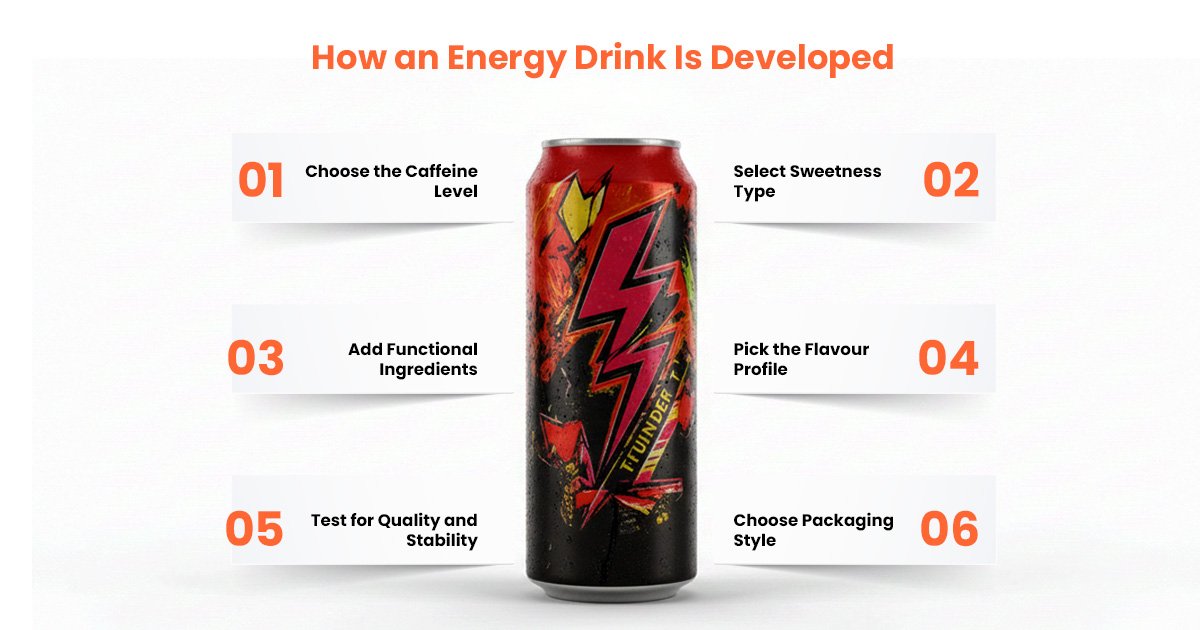
- Choose the Caffeine Level
Most brands keep it between 80 and 150 mg per can.
Too high can be unsafe. Too low may not work.
- Select Sweetness Type
Options include sugar, zero-sugar blends, or natural sweeteners.
Today, low-calorie drinks are highly in demand.
- Add Functional Ingredients
This includes taurine, vitamins, electrolytes, or herbal boosters.
- Pick the Flavour Profile
Flavour decides whether your consumer will buy again.
Popular options: berry, citrus, tropical, watermelon, mixed fruit.
- Test for Quality and Stability
This ensures the drink stays safe, tasty, and clear throughout its shelf life.
- Choose Packaging Style
Slim cans, bright colours, and modern graphics work best for this category.
This is how top Energy Drink Manufacturers create formulas that perform well in the market.
Types of Energy Drinks in Today’s Market
These high-volume category types naturally attract consumer attention:
- Standard caffeinated energy drinks
- Sugar-free energy drinks
- Natural or herbal energy drinks
- Gaming-focused energy drinks
- Pre-workout style energy drinks
- Clean-label functional beverages
If your goal is brand growth, choosing the right category is important.
Market Trends You Should Know
Today’s consumers want:
Low-sugar or zero-sugar drinks
- Clean ingredients
- Natural caffeine
- Better taste variety
- Transparent labels
- Safer formulations
This shift is changing how every energy drink brand designs its formula.
Responsible Use Matters
Even the best energy drink should be used safely.
Brands should always tell users:
- Not for children
- Not for pregnant women
- Don’t drink before sleeping
- Don’t mix with alcohol
- Limit daily intake
Responsible communication makes your brand trustworthy.
Explore more insights on energy drinks formulation, trends, and contract manufacturing.
Final Words: Your Energy Drink Brand Can Stand Out
Energy drinks are more than a trend. They are a global, high-demand category with massive potential.
If you understand:
- The right energy drink ingredients
- The science behind formulation
- The needs of different user groups
- The safety limits and regulations
- The flavour and branding strategy
You can easily build a strong, reliable, and high-performing product.
Whether your goal is to create a new formula or improve an existing one, a clear and simple development process always leads to better results.
Foodsure supports energy drink brands from idea to commercial launch – formulation, trials, stability, and contract manufacturing guidance in one place.
FAQs
Q1. What makes a good energy drink actually work?
A good energy drink works because its ingredients are balanced. The right amount of caffeine, taurine, vitamins, and flavor helps your body feel awake without overwhelming it.
Q2. Are energy drinks safe if the formula is made properly?
Yes. When the formula follows safe caffeine limits and clean ingredient standards, energy drinks are safe for most adults. Quality manufacturing matters more than anything.
Q3. How do I know which energy drink ingredients I should trust?
Look for brands that clearly list their ingredients and don’t hide behind “proprietary blends.” Transparency means the brand cares about your safety.
Q4. Can an energy drink actually improve focus, or is it just marketing?
A well-designed formula can improve focus for a short time. It’s not magic, but proper caffeine and vitamins do help your brain stay alert.
Q5. What should I avoid in a low-quality energy drink?
Avoid products with extremely high caffeine, too much sugar, or unclear ingredient labeling. These signs show poor manufacturing.
Q6. How often is it okay to drink energy drinks?
For most adults, one can per day is fine. Moderation keeps the benefits without the side effects.
Q7. Which energy drink is best for gym, gaming, or work?
Each purpose needs a slightly different blend. Gym users often prefer low sugar. Gamers prefer steady focus. Office workers look for clean energy and smooth taste.
Q8. I want to launch my own energy drink brand. Where do I start?
Start with a strong formulation plan: caffeine level, sweetness, functional ingredients, flavor, and stability testing. A professional Energy Drink Manufacturer can guide you through every step.
Q9. Why do some energy drinks taste great while others feel too strong?
Taste depends on flavor science and how ingredients interact. A balanced formula never leaves a harsh aftertaste.
Q10. Can an energy drink be healthy and still give strong energy?
Yes. With natural caffeine, low sugar, clean ingredients, and controlled blends, you can create energy drinks that feel powerful yet healthier than traditional options.