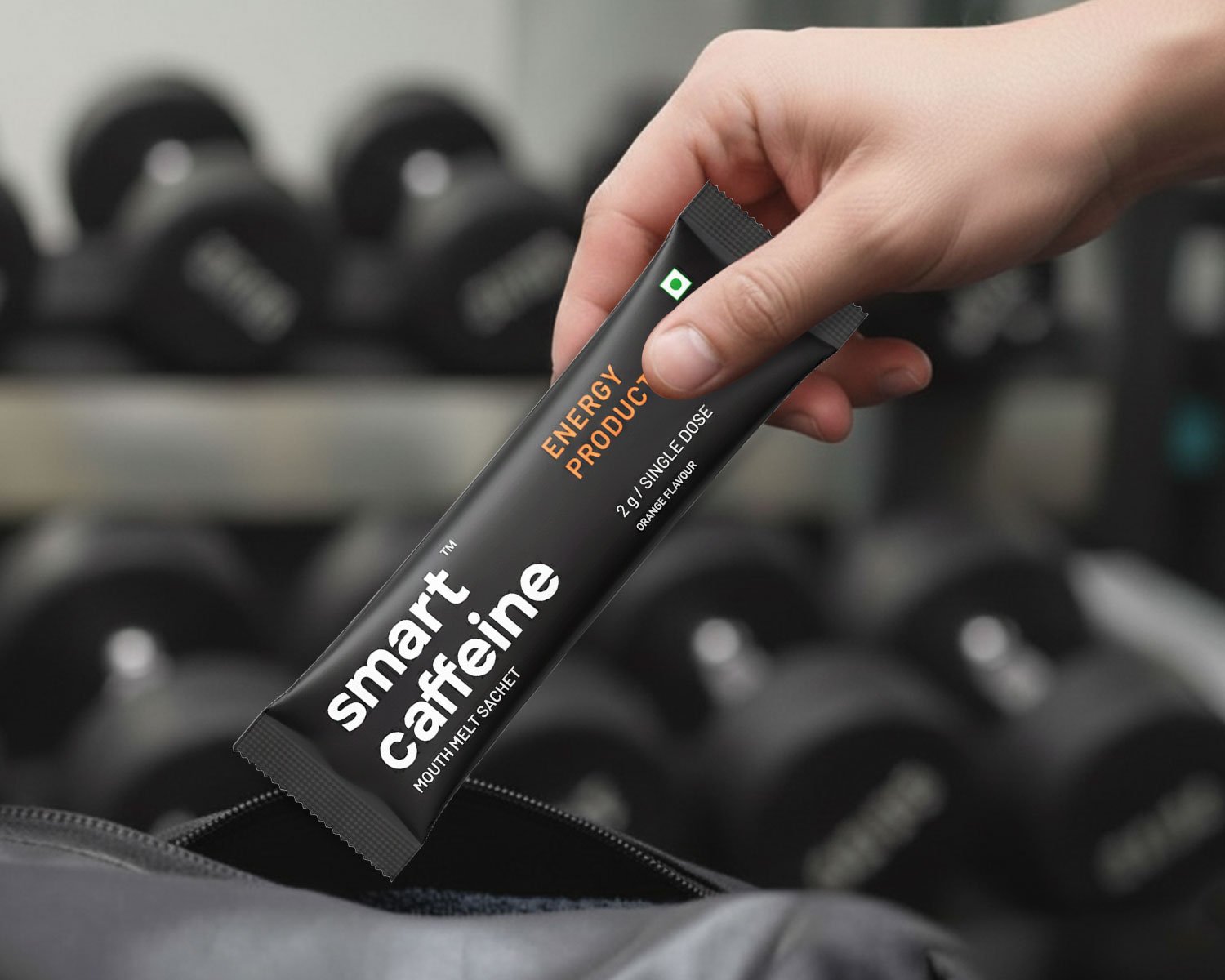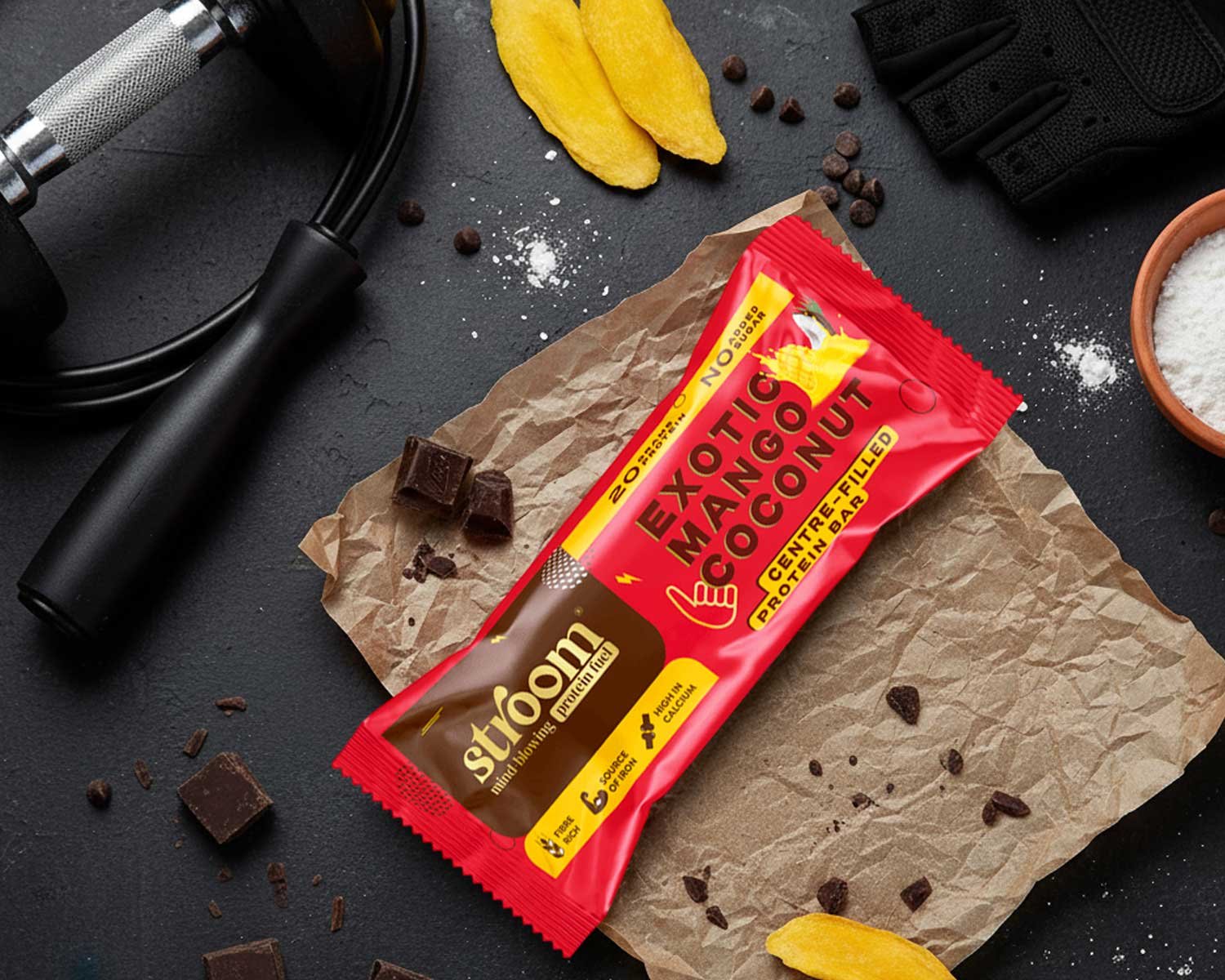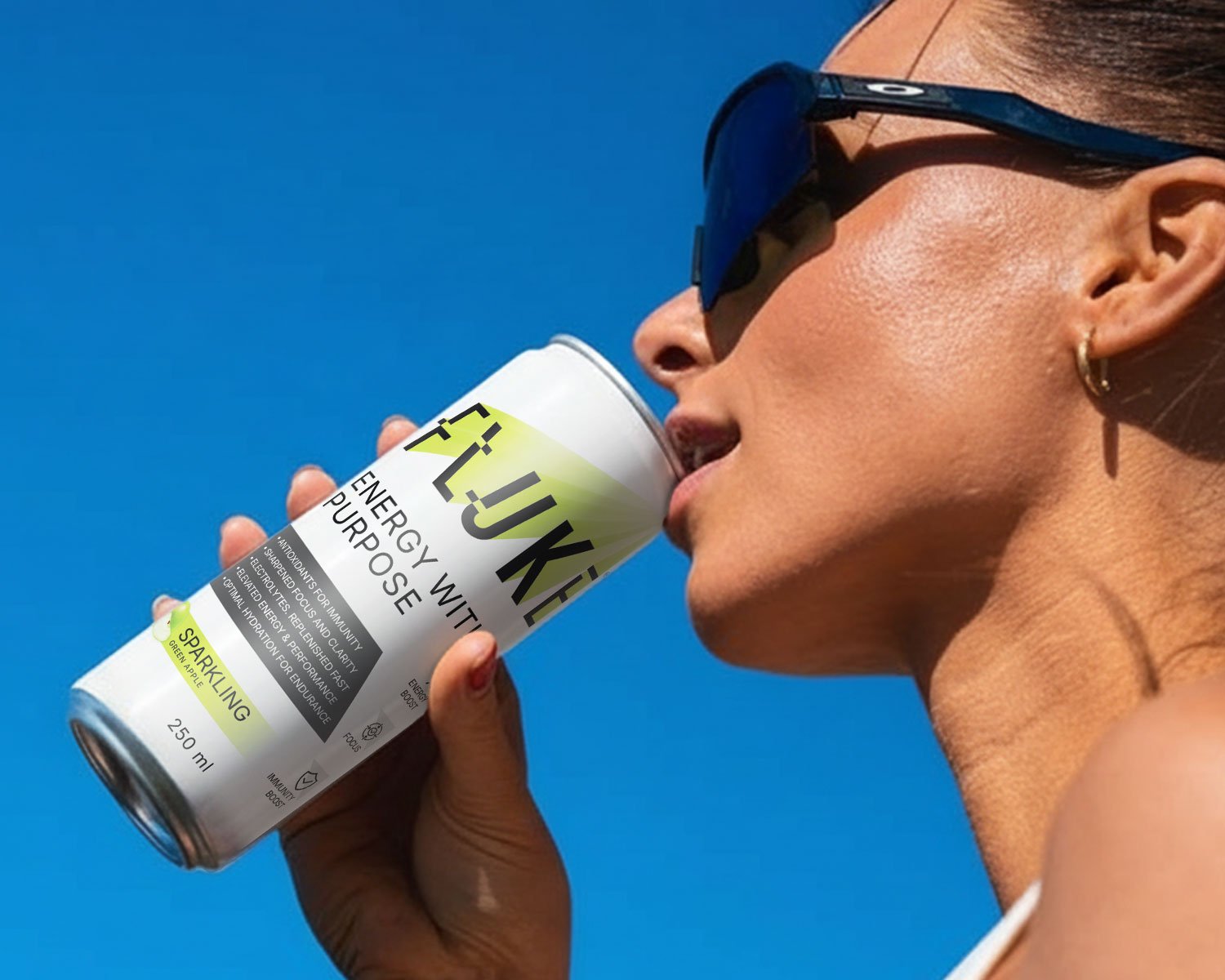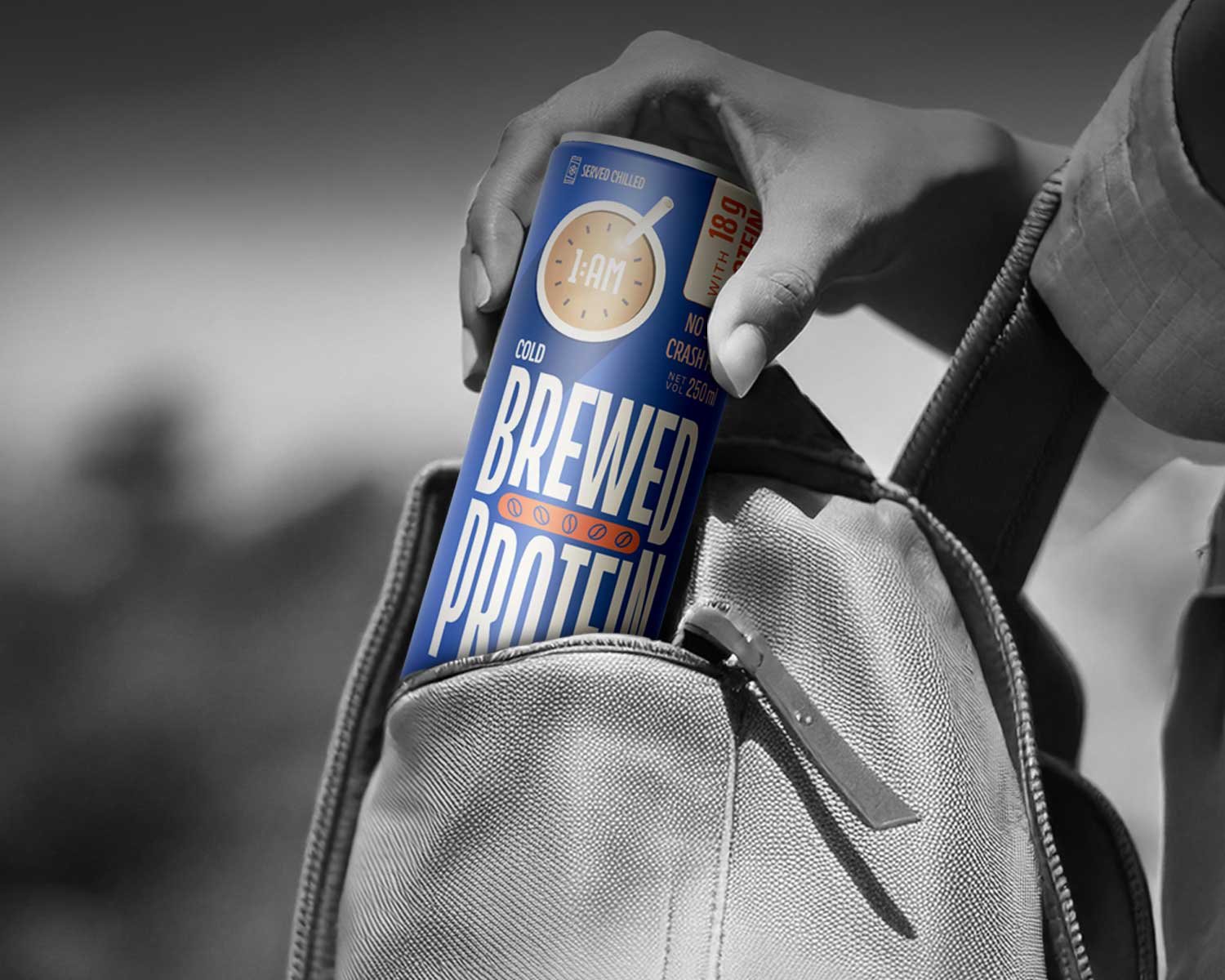
Launching a beverage is exciting, but real success comes when you carefully plan taste, stability, packaging, costing, co-packing, and compliance. This guide explains the complete process of “How to Launch Beverage Product” from concept to Beverage market launch in simple, actionable steps — the exact methodology of Beverage Formulation Foodsure follows for every brand.
1. Define Your Product Purpose (Who Will Drink Your Beverage?)
Start by clarifying the purpose of your launching a beverage:
- Target Audience: Gym-goers, students, youth, families
- Consumption Occasion: Morning, workout, party, refreshment
- Customer Problem: Energy boost, gut health, hydration, taste
Why it matters: These three points influence flavour, pricing, packaging, ingredients, claims, and marketing strategy.
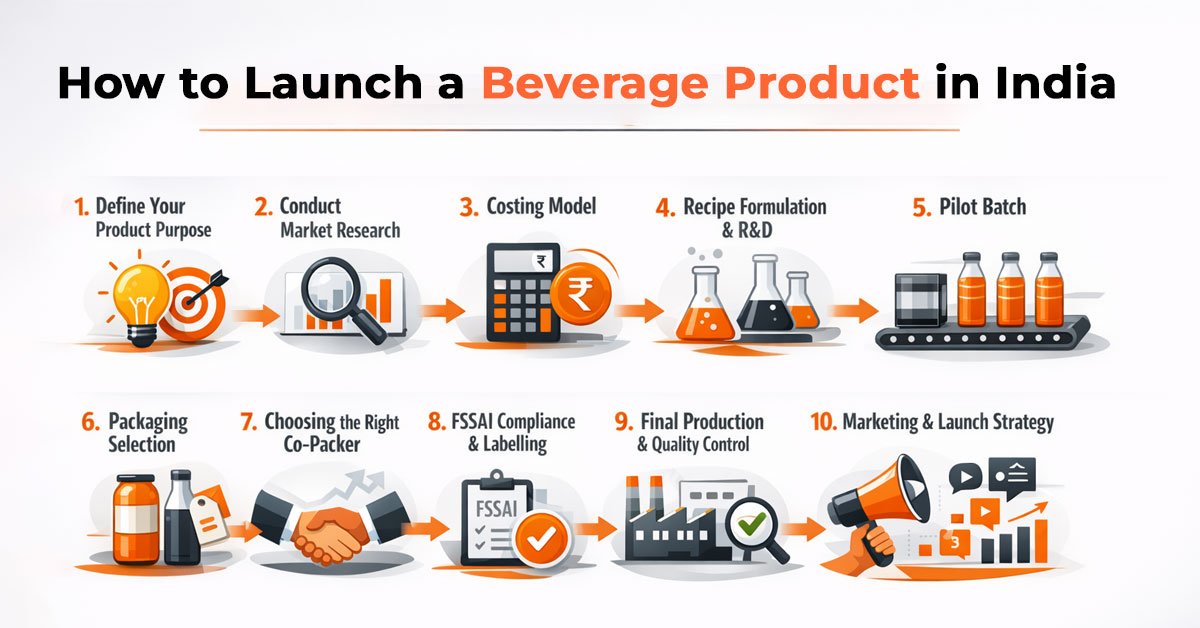
2. Conduct Market Research — Competitors, Pricing & Gaps
The beverage market is crowded, but gaps exist in every category. Market research should cover:
- Top 5 competitors: Evaluate taste, pack size, claims, pricing
- Online reviews: Amazon, Blinkit, Zepto — what users dislike
- Trend analysis: Google Trends, Instagram hashtags, reels
- Offline stores: Identify leading products on shelves
Evaluation Table:
| What to Evaluate | Why It Matters | Outcome |
|---|---|---|
| Competitor Pricing | Position your product competitively | Clear pricing strategy |
| Market Trends | Identify rising categories | Confident category selection |
| User Feedback | Discover real product flaws | Better product design |
3. Costing Model — Know Your Margins Before Launch
Beverage margins are thin, so a strong costing model is essential. Include:
- Ingredient cost per litre
- Packaging: bottle/can, label, cap
- Co-packing/filling cost
- Transport & warehousing
- Marketing buffer
- Distributor & retailer margins
A brand scales only when costing and pricing are precise.
4. Recipe Formulation & R&D — Science Behind a Great Drink
This stage is crucial. Foodsure performs:
- Prototype Development: 3–5 versions adjusting flavour, sweetness, mouthfeel
- Technical Testing: pH, Brix, viscosity, clarity, preservative levels
- Sensory Testing: 30–50 users for taste preference
- Shelf-Life & Stability Checks: Colour, sedimentation, microbial stability, ASLT
5. Pilot Batch — Small-Scale Factory Run
Launching without a pilot batch is risky.
- Size: 100–1,000 litres
- Tests: Filling, foaming, label fit, bottle integrity, heat & shelf-life behavior, consumer trials
Pilot runs ensure product stability at scale.
6. Packaging Selection — Bottle, Can & Label
Packaging ensures protection & identity.
Checklist:
- Light & oxygen sensitivity
- PET, glass, or can performance
- Label adhesive durability
- Cap torque & drop test
- Transport simulation
Poor packaging = product failure in the market.
7. Choosing the Right Co-Packer
Partnering with a co-packer is strategic:
- Proper filling lines?
- Minimum order quantity (MOQ)?
- Lab testing facilities?
- Hygiene certifications: ISO, FSSC, HACCP
- Lead time & client reviews
Long-term quality depends on co-packer reliability.
8. FSSAI Compliance & Labelling
Incorrect labelling can stop your product. Include:
- Ingredient list & nutritional table
- Best before date
- FSSAI license number
- MRP, batch/date coding
- Allergen information
- Scientific validation for any claims
9. Final Production & Quality Control
Mandatory checks before launch:
- pH & Brix
- Microbiology
- Fill volume & seal integrity
- Label alignment
- Certificate of Analysis (COA)
10. Marketing & Launch Strategy
Plan a strong launch:
- Product photography & social media teasers
- Sample distribution & retailer pitches
- Influencer seeding
- 30-day sales plan & 90-day reorder plan
A brand goes viral when taste + marketing = strong.
Beverage R&D Ingredient Insights
| Ingredient | Why It’s Used | Benefit to Product | Example Drinks |
|---|---|---|---|
| Adaptogens | Stress management | Enhances mental freshness | Herbal energy drinks |
| Nootropics | Cognitive support | Improves focus & clarity | Focus boosters |
| Probiotics | Gut health | Better digestion | Kombucha |
| Plant Proteins | Sustainable nutrition | Increases satiety | Protein smoothies |
| Botanicals | Natural wellness | Anti-inflammatory benefits | Herbal wellness drinks |
Related Blogs
Explore more insights on beverage innovation, trends, and strategies.
Your Beverage Can Be the Next Big Brand
A successful beverage brand is more than just taste. It requires science, testing, packaging, compliance, and marketing.
Foodsure works end-to-end: recipe formulation, R&D, pilot testing, co-packer setup, packaging guidance, compliance, and launch support.
Partner with Foodsure to turn your idea into a profitable, market-ready drink. From formulation to co-packing, we’ve got you covered.
Frequently Asked Questions
What is the first step in launching a beverage product?
Define the purpose of your drink, target audience, consumption occasion, and the problem it solves.
How can I identify gaps in the beverage market?
Analyze competitors, online reviews, trending categories, and offline store shelves to find unmet consumer needs.
Why is cost calculation critical before launch?
Knowing ingredient, packaging, co-packing, marketing, and distribution costs ensures profitable pricing and avoids losses.
How do I create a unique recipe?
Use R&D to adjust flavour, sweetness, mouthfeel, and functional ingredients, then test with real consumers for preference.
What is the importance of a pilot batch?
A pilot batch tests filling, foaming, packaging compatibility, stability, and consumer acceptance, reducing large-scale production risks.
How should I choose a co-packer?
Verify machinery capability, minimum order quantity, lab testing, hygiene certifications, lead time, and client reviews.
What FSSAI compliance is mandatory?
Ingredient list, nutritional information, best-before date, FSSAI license, MRP, batch/date code, allergen declaration, and claim validation are mandatory.
How to ensure packaging protects the product?
Test light and oxygen sensitivity, packaging material, label adhesion, cap torque, drop tests, and transport simulations.
How can I make my beverage marketing effective?
Combine high-quality photography, social media teasers, influencer seeding, sample distribution, and a structured sales plan.
What ingredients add functional benefits to beverages?
Adaptogens for stress relief, probiotics for gut health, nootropics for focus, plant proteins for satiety, and botanicals for overall wellness.