Substantially increased demand for plant-based protein snacks has moved far beyond a niche market. Today, high protein snacks are popular among fitness enthusiasts, working professionals, flexitarians, and health-conscious families seeking nutritious and sustainable food options.
This growing demand creates strong opportunities for brands to develop innovative plant protein snacks. However, developing plant-based protein snacks with the most flavour requires careful formulation, as plant proteins behave differently during processing and can affect taste, texture, and shelf stability.
Want to optimise your Food Business? Request a free consultation!
Food Product Development Services – Click Here
1. Protein Source Selection: Nutrition vs Functionality
Selecting the right protein source is one of the first and most critical steps in developing plant-based protein snacks. Common plant protein ingredients include peas, soybeans, rice, chickpeas, lentils, and fava beans, as they are widely available and nutritionally rich.
However, every plant protein behaves differently during processing. Pea protein offers strong protein levels but often brings earthy or beany flavours. Rice protein has a mild flavour but weaker amino acid balance and binding properties. Soy protein delivers strong nutrition but may raise allergen concerns or negative consumer perception.
Solution:
Formulators increasingly rely on blended protein systems rather than single sources when creating plant protein snacks. Blending pea protein with rice or lentil protein improves amino-acid balance, enhances mouthfeel, and softens strong flavours.
These blended systems also help control hydration, ingredient dispersion, and structural development during baking or extrusion, making them ideal for creating stable and appealing high protein snacks.
2. Managing Bitterness and Off-Flavour’s
One of the most common challenges in plant-based protein snacks is flavour imbalance. Plant proteins naturally contain phenolic compounds that can produce bitterness, astringency, or unpleasant aftertastes, especially at higher protein levels.
Simply adding strong spices or flavourings rarely solves this issue and can create an unbalanced taste profile.

Solution:
Successful formulations use a layered flavour strategy. This combines aroma-masking ingredients with umami-enhancing components to create balanced and appealing taste systems.
Choosing herbs and spices that complement protein profiles is equally important. Controlled hydration and thermal processing can also reduce bitterness caused by protein denaturation. Multiple sensory evaluations are essential when developing plant-based protein snacks with the most flavour.
3. Texture and Mouthfeel Challenges
Texture plays a crucial role in consumer acceptance of high protein snacks. When protein levels increase, products can develop dry, gritty, or chalky textures in bars, baked snacks, or extruded formats.
High protein concentrations often interfere with starch gelatinisation and fat distribution, which leads to crumbly or dense textures.
Solutions:
Texture improvement starts with particle size control and moisture management. Finely milled proteins hydrate more evenly and blend better with starch systems.
Functional fibres such as soluble fibres or resistant dextrins help improve binding while supporting clean-label claims. In extruded plant protein snacks, optimising shear rate, barrel temperature, and screw configuration allows proteins to align correctly, creating lighter textures.
4. Moisture Control and Shelf-Life Stability
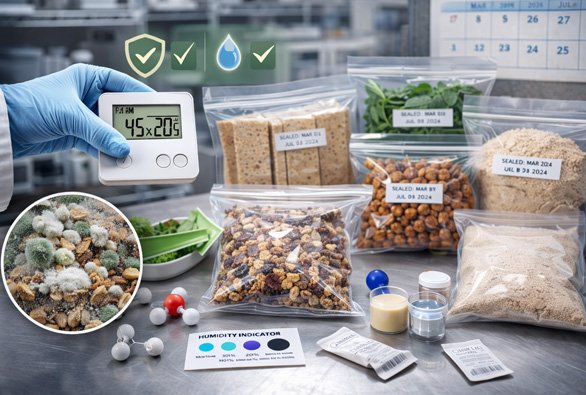
Moisture migration is another critical issue when developing plant-based protein snacks. Plant proteins bind water aggressively, which can cause texture softening, flavour deterioration, or microbial risks over time.
This challenge becomes even more significant in humid climates and long distribution cycles.
Solution:
Formulators rely on moisture-binding systems that combine humectants, fibre-protein networks, and controlled fat matrices to maintain stable water activity levels.
Packaging also plays a major role. High-barrier films that protect against oxygen and moisture significantly improve shelf life without the need for artificial preservatives.
Realistic shelf-life testing that simulates actual market conditions is essential when launching plant protein snacks.
5. Processing Stress and Protein Denaturation
Snack production processes such as extrusion, baking, and roasting involve high temperatures and mechanical stress. Excessive processing can denature plant proteins, affecting texture, colour, nutritional value, and digestibility.
Over-processed proteins may also develop stronger bitterness.
Solution :
The key lies in establishing intelligent processing windows. By adjusting temperature, processing time, and hydration levels, manufacturers can maintain protein structure while ensuring microbiological safety.
Pilot-scale trials are essential before scaling up production of high protein snacks to determine optimal processing parameters.
6. Clean-Label and Regulatory Alignment
Consumers choosing plant-based protein snacks expect transparency and clean labels. Artificial stabilisers, synthetic flavours, and chemical preservatives may reduce consumer trust.
At the same time, regulatory frameworks require accurate protein claims and proper ingredient declarations
Solution:
Modern formulations prioritise clean-label functional ingredients that deliver stability without complicating ingredient lists.
Accurate protein validation testing, claim verification, and regulatory documentation ensure compliance from the beginning, preventing costly reformulation later. This approach is especially important for brands developing premium plant-based protein snacks with the most flavour.
You May Also Like: High Protein Snacks Development
Conclusion
Developing successful plant protein snacks requires balancing nutrition, flavour, texture, and shelf stability. With the right formulation strategies and processing techniques, brands can overcome common challenges and create appealing high protein snacks.
As demand continues to grow, companies that focus on quality and innovation will be better positioned to deliver plant-based protein snacks with the most flavour and build long-term consumer trust.
Need Expert Help to Launch Your Food Product Legally & Successfully?
Foodsure supports food brands with FSSAI-compliant labelling, pre-launch checks, and regulatory compliance to ensure a smooth and legal food product launch. We help prevent penalties and delays before your product enters the market.
What We Help You Solve
FSSAI label review and correction
Nutritional panel accuracy and ingredient validation
Claim verification and compliance
Packaging artwork and readability checks
Audit, inspection, and documentation support
Who We Work With
Startups launching new food products
FMCG and D2C food brands
Private label and co-manufacturers
Importers, exporters, and suppliers
FAQ’s (Frequently Asked Questions)
What are plant-based high-protein snacks?
They are snacks formulated using plant protein sources such as pea, soy, rice, or legumes to deliver higher protein content without animal ingredients.
Why are plant proteins challenging to use in snacks?
Plant proteins interact differently with heat, moisture, and fats, often affecting flavour, texture, and shelf stability.
Which plant proteins are most commonly used in high-protein snacks?
Pea, soy, rice, chickpea, lentil, and fava bean proteins are widely used due to availability and nutritional value.
How can bitterness in plant-based protein snacks be reduced?
Bitterness is managed through protein blending, flavour-masking systems, and controlled processing conditions.
Why do plant-based protein snacks feel dry or gritty?
High protein levels can interfere with starch and fat systems, leading to poor moisture distribution and rough mouthfeel.
How is texture improved in plant-based high-protein snacks?
Texture is optimised using fine protein particle sizes, functional fibres, and precise control of processing parameters.
Do plant-based high-protein snacks have a shorter shelf life?
They can be moisture-sensitive, but proper formulation and high-barrier packaging significantly extend shelf life.
Is blending different plant proteins beneficial?
Yes — protein blends improve amino-acid balance, functionality, flavour, and overall product performance.
Are plant-based high-protein snacks considered clean-label?
They can be clean-label when formulated with natural stabilisers, flavours, and minimal additives.
What is the biggest mistake brands make in plant protein snack development?
Focusing only on protein percentage instead of balancing formulation, sensory quality, and stability.