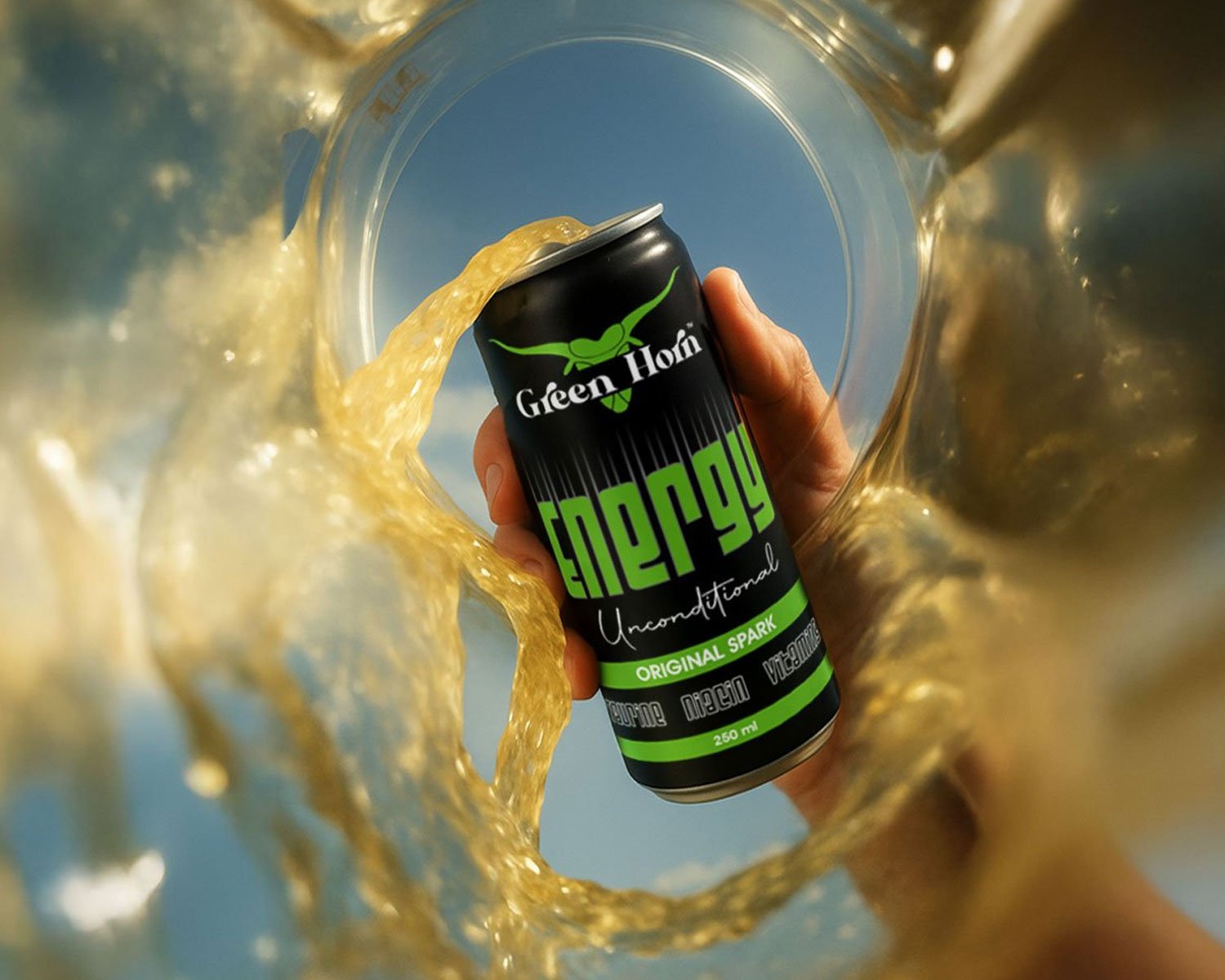
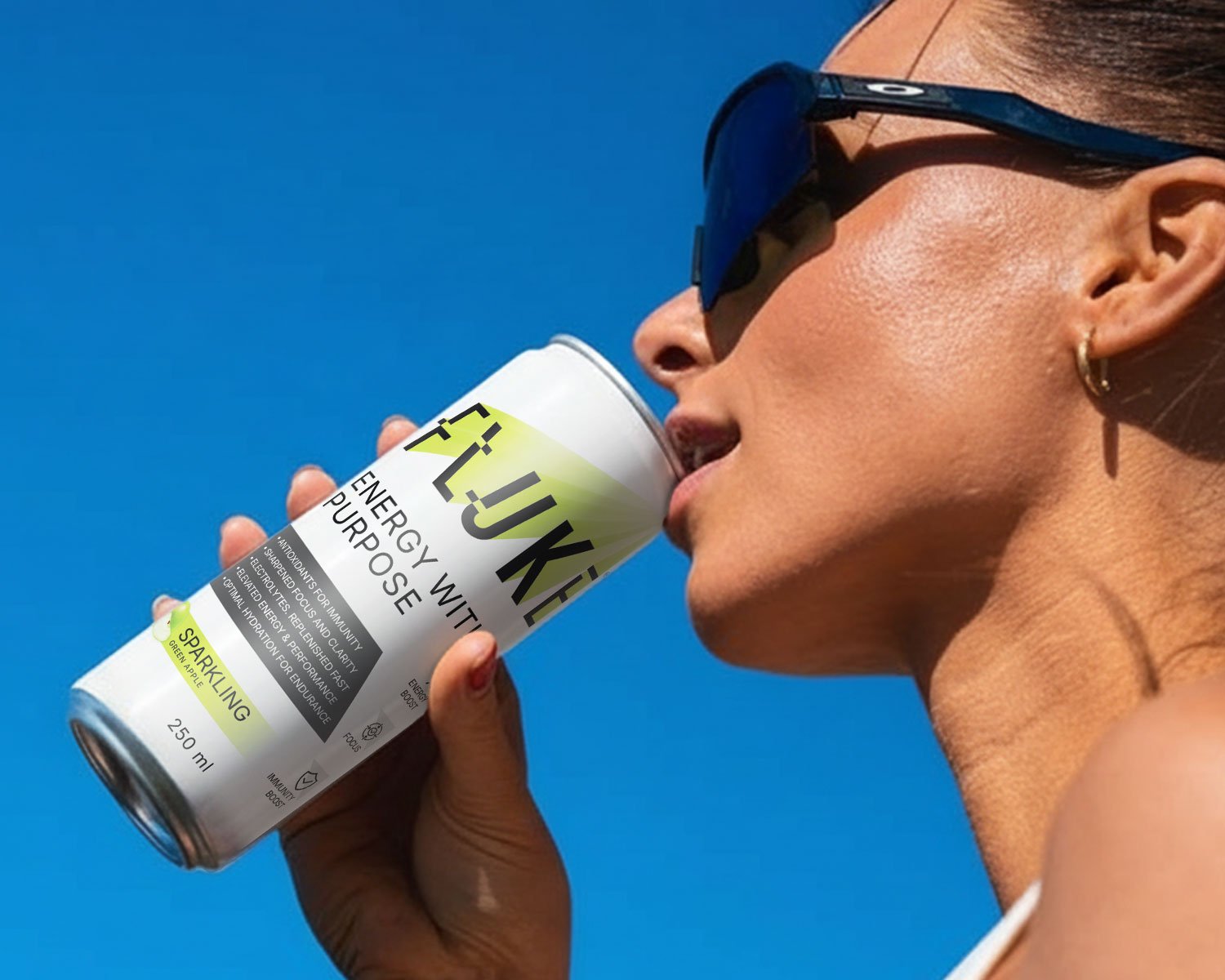
The global beverage industry is booming with innovation. From energy drinks powered by nootropics and nootonic blends to health-forward functional and adaptogenic beverages, the market is overflowing with choices. Every category offers countless products promising performance, wellness, or refreshment—each competing to help brands stay ahead in a fast-moving industry.
But here’s the real differentiator.
In a sea of eye-catching cans and bold marketing claims, true success doesn’t come from packaging alone. It comes from what’s inside the bottle. A well-crafted beverage recipe—balanced for taste, functionality, stability, and consistency—is what turns first-time buyers into loyal consumers.
Whether you’re a startup launching your first drink, a food entrepreneur scaling a concept, or an established brand expanding into new categories, understanding the core types of beverage formulation is essential.
So let’s crack open the strategies and beverage recipe formulation approaches that today’s most successful drink brands use to stand out—and keep consumers coming back for more.
Why Beverage Recipe Formulation Matters
Every step in the process matters. Beverage formulation is the backbone of a product’s success. It goes far beyond taste—bringing together flavour balance, functional efficacy, shelf-life stability, and strict regulatory compliance. At the same time, it must align with evolving consumer expectations such as clean-label formulations, sustainability, and health-driven ingredients.
A well-formulated beverage doesn’t just taste good; it delivers on purpose. It meets specific nutritional goals, respects cultural preferences, and supports modern lifestyles—whether that means low sugar, plant-based, or functional benefits.
Managing all of this complexity requires expertise. That’s where a beverage consultant becomes a true partner—helping you translate ideas into scalable, compliant, and market-ready products that consumers trust and return to.
Market Growth And Potential
As the global beverage market surges toward a projected value of $1.8 trillion by 2024, growing at a steady CAGR of 3.1%, entrepreneurs across the world are racing to claim their share of this rapidly expanding $1.5 trillion industry. With demand rising across health, wellness, and functional segments, opportunities have never been bigger.
One of the most effective ways to enter and compete in this crowded space is through distinctive and innovative beverage formulation. From energy drinks and herbal beverages to protein drinks and immunity booster formulations, success begins with what you create, not just how you market it.
However, the real starting point lies in understanding the different beverage categories and their unique formulation requirements. Each category demands a specific approach to ingredients, functionality, stability, compliance, and consumer expectations. Mastering these fundamentals is what transforms a concept into a scalable, market-ready beverage.
Types of Beverage Formulation

Carbonated Drink Recipe Formulation
Popular Examples: We, being the best carbonated drink formulation company, provide expert services to help the brand stand out. Cola, lemon-lime soda, flavoured sparkling waters
Target Audience: Mass retail, youth, casual refreshment.
Key Components:
- Carbonated water development
- Natural or synthetic flavors
- Sweeteners (sugar, sucralose, stevia)
- Acidulants (citric, phosphoric acid)
- Colours and preservatives.
Formulation Goals:
- Retain fizz over shelf life
- Maintain a balance of sweetness and acidity
- Optimize mouthfeel
Common Challenges:
- CO₂ retention
- Flavor fade due to acidity
- Regulatory limits on synthetic ingredients
Pro Tip: Today’s consumers love clean-label sodas — think sparkling water + fruit extract + botanicals.
Fruit Juice-Based Beverage Formulation
Popular Examples: Cold-pressed juices, juice blends, fruit nectar drinks
Target Audience: Health-conscious, premium, organic segment
Key Components:
- Single or multi-fruit juices (mango, apple, pomegranate)
- Natural sweeteners
- Pulp and fibre
- Enzymes or clarifiers (optional)
Formulation Goals:
- Natural taste retention
- Minimal processing
- High vitamin retention
Common Challenges:
- Short shelf life
- Seasonal ingredient availability
- Risk of fermentation
Innovation Trend: Use HPP (High-Pressure Processing) or aseptic filling for preservative-free shelf stability.
Dairy & Dairy-Alternative Beverages
Popular Examples: Flavoured milk, kefir, plant-based milks (oat, almond, soy)
Target Audience: Vegan consumers, lactose-intolerant, and kids
Key Components:
- Milk or plant-based
- Emulsifiers (lecithin, gums)
- Stabilisers (pectin, carrageenan)
- Vitamins (D, B12, calcium)
Formulation Goals:
- Creamy texture
- Flavour masking (especially in plant-based)
- Nutrient fortification
Challenges:
- Phase separation
- Allergens
- Heat stability during UHTpasteurisation
Hot Trend: Barista-style oat milk formulated for foam and heat tolerance in coffee chains.
Functional Beverage Development
Popular Examples: We provide expert solutions for functional beverage development. This is one of the most trendy types of beverages that you can try. Immunity drinks like vitamin drink recipe formulation, brain boosters like nootropic drink development, and detox waters.
Target Audience: Wellness-focused consumers, pharma-food crossover.
Key Components:
- Adaptogens (ashwagandha, ginseng)
- Botanicals (turmeric, ginger)
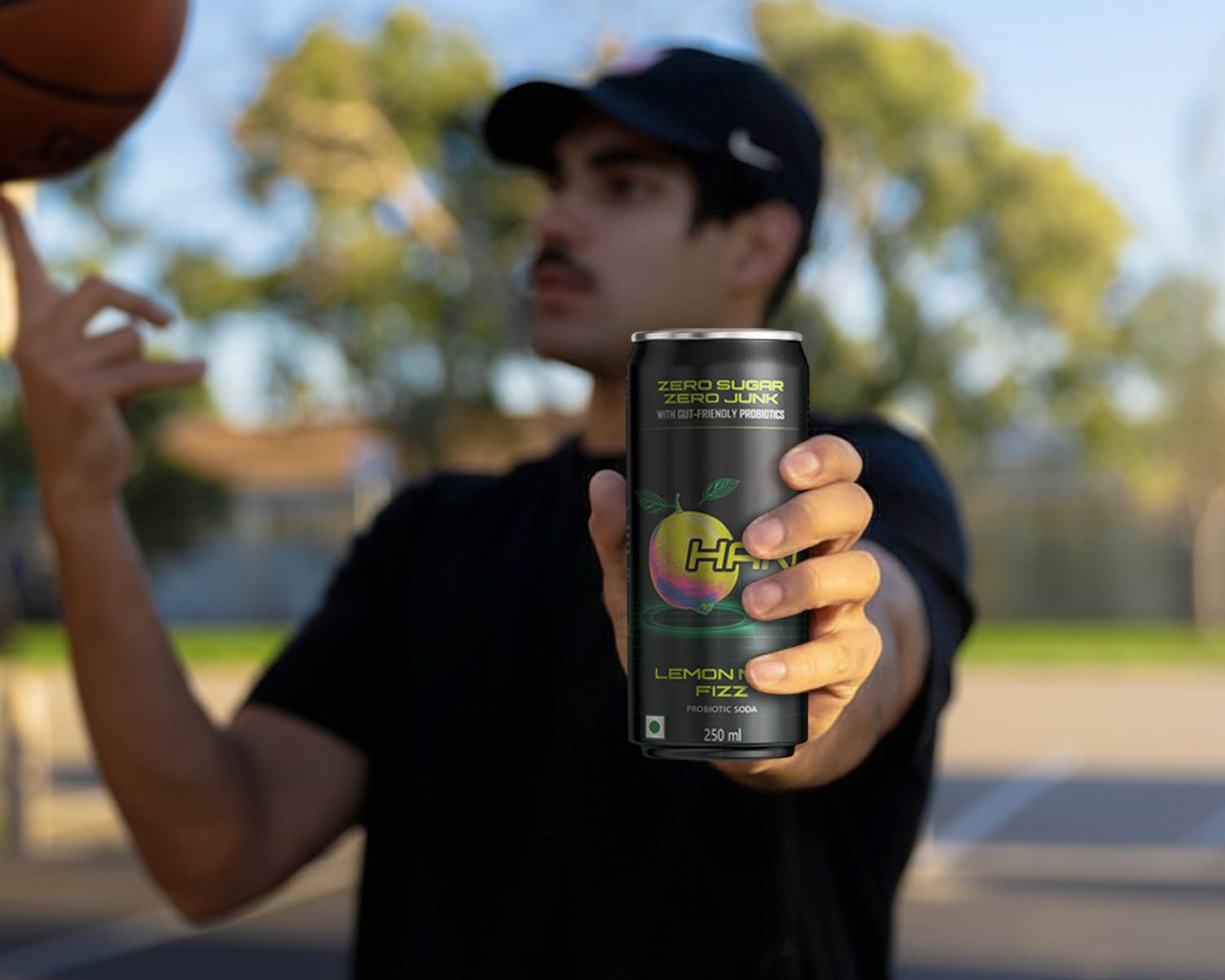
- Probiotics & prebiotics recipe formulation
- Nootropics, amino acids, minerals
Formulation Goals:
- Deliver measurable benefits (energy, immunity, sleep, digestion)
- Maintain ingredient bioavailability.
- Comply with the FSSAI nutraceutical standards.
Challenges:
- Taste masking (especially herbs or minerals)
- Ingredient interactions
- Label claims compliance
Top Use Cases: Morning wellness shots, corporate wellness gifting, Ayurveda-inspired drinks.
RTD (Ready-to-Drink) Beverages
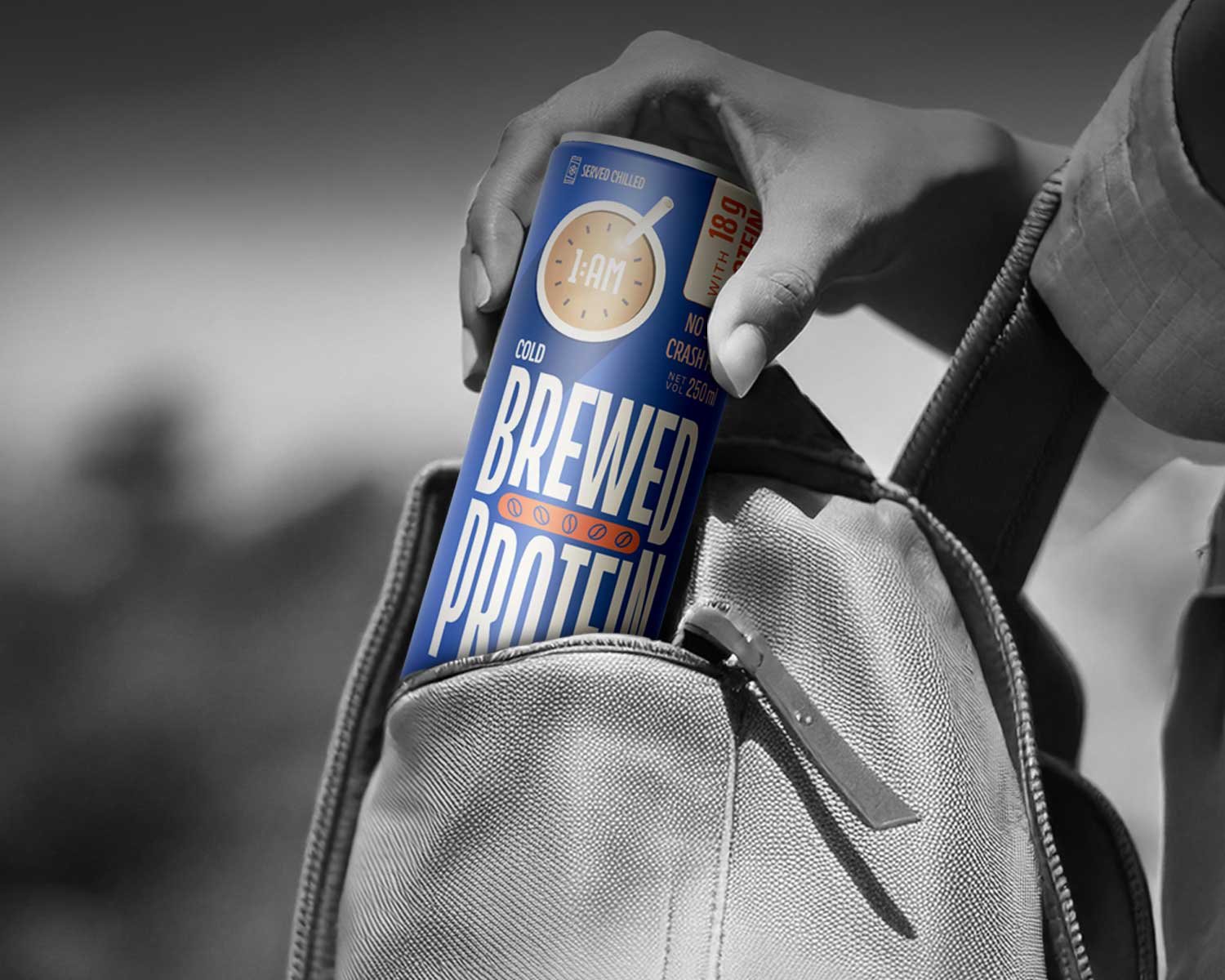
Popular Examples: Get ready for the RTD (Ready-to-Drink) Beverage Formulation, bottled iced tea, herbal infusions, cold coffee, etc. Choose this type of rtd drinks that is good for the current busy world.
Target Audience: On-the-go consumers, travel retail, premium cafés.
Key Components:
- Brewed extracts (tea/coffee/herbs)
- Sweeteners
- Preservatives or aseptic packaging
- Flavoured water formulation solutions
- Natural flavors
Formulation Goals:
- Long shelf life (3–12 months)
- Clarity or cloud retention
- Low-sugar or unsweetened options
Common Issues:
- Sedimentation
- Flavor fade
- Packaging compatibility (PET, glass, tetra)
Success Story: A rose + green tea blend sold out within 2 weeks at Delhi airport kiosks — we formulated it!
Energy & Sports Beverages
Popular Examples: You can explore energy drink recipe development, as this is the most refreshing and energetictypes of beverage recipe formulation that people choose.
We provide energy drink formulation services, pre-workout shots, isotonic drinks, neutronic energy drinks, and caffeinated seltzers.
Target Audience: Fitness enthusiasts, athletes, college crowd.
Key Components:
- Caffeine or natural stimulants
- Electrolytes (Na, K, Mg)
- B-vitamins
- Sugars or glucose polymers
Formulation Goals:
- Boost energy or performance
- Rapid absorption
- Electrolyte balance
Challenges:
- Regulatory limits on caffeine
- Avoiding the crash effect
- pH and stability of vitamin blends
Future Trend: Adaptogen + electrolyte blends for “stress hydration.”
Protein & Nutritional Beverages
Popular Examples: We provide complete protein beverage development services like protein shakes, protein water, diabetic drinks, and meal replacements.
Target Audience: Gym-goers, diabetics, the elderly, and weight loss markets.
Key Components:
- Protein sources (whey, pea, rice)
- Dietary fiber
- Omega oils, vitamins
- Flavouring and sweeteners
Formulation Goals:
- Smooth texture
- No aftertaste
- High protein stability in liquid
Challenges:
- Protein sedimentation
- Bitter taste masking
- Balancing calories and sugar
Hot Insight: Plant protein blends (pea + brown rice) are in demand for allergen-free labels.
Herbal and Ayurvedic Beverages
Popular Examples: Adoptogenic beverage development like Kadha shots, tulsi water, and infused drinks formulation.
Target Audience: Ayurveda lovers, holistic wellness seekers.
Key Components:
- Herbal decoctions
- Essential oils or extracts
- Jaggery or palm sugar
- Preservatives or sterilisation
Formulation Goals:
- Palatable taste despite bitter herbs
- Standardized dosage
- Authentic herbal aroma
Challenges:
- Regulatory hurdles (FSSAI, AYUSH)
- Ingredient interactions
- Taste stabilization
Top Tip: Pairing bitter herbs with citrus or honey helps boost taste and appeal.
Flavoured Water Formulations and Infused Drinks
Popular Examples: Flavoured water formulation solutions like detox waters, vitamin water, electrolyte-infused drinks, etc.
Target Audience: Gen Z, urban professionals, low-calorie seekers.
Key Components:
- Purified or mineral water
- Natural fruit flavors
- Vitamins (C, D, Zinc)
- Electrolytes or adaptogens
Formulation Goals:
- Refreshing taste with minimal sweetness
- Transparency (visually clear)
- Label claims for hydration
Challenges:
- Maintaining clarity
- Preventing flavor fade
- Avoiding artificial sweeteners
Fermented Beverages
Popular Examples: Kombucha drink formulation, kefir, probiotic and prebiotic drink formulation.
Target Audience: Gut health market, fermented food fans
Key Components:
- SCOBY or bacterial cultures
- Sugars for fermentation
- Tea or milk base
- Natural flavors
Formulation Goals:
- Maintain live cultures
- Mild natural carbonation
- Tangy, fizzy taste profile
Challenges:
- Alcohol formation limits (FSSAI: under 0.5%)
- Refrigeration or cold chain requirement
Opportunity: Kombucha with regional Indian fruits (jamun, kokum) is a niche worth exploring!
Mocktail & Cocktail Beverage Formulation
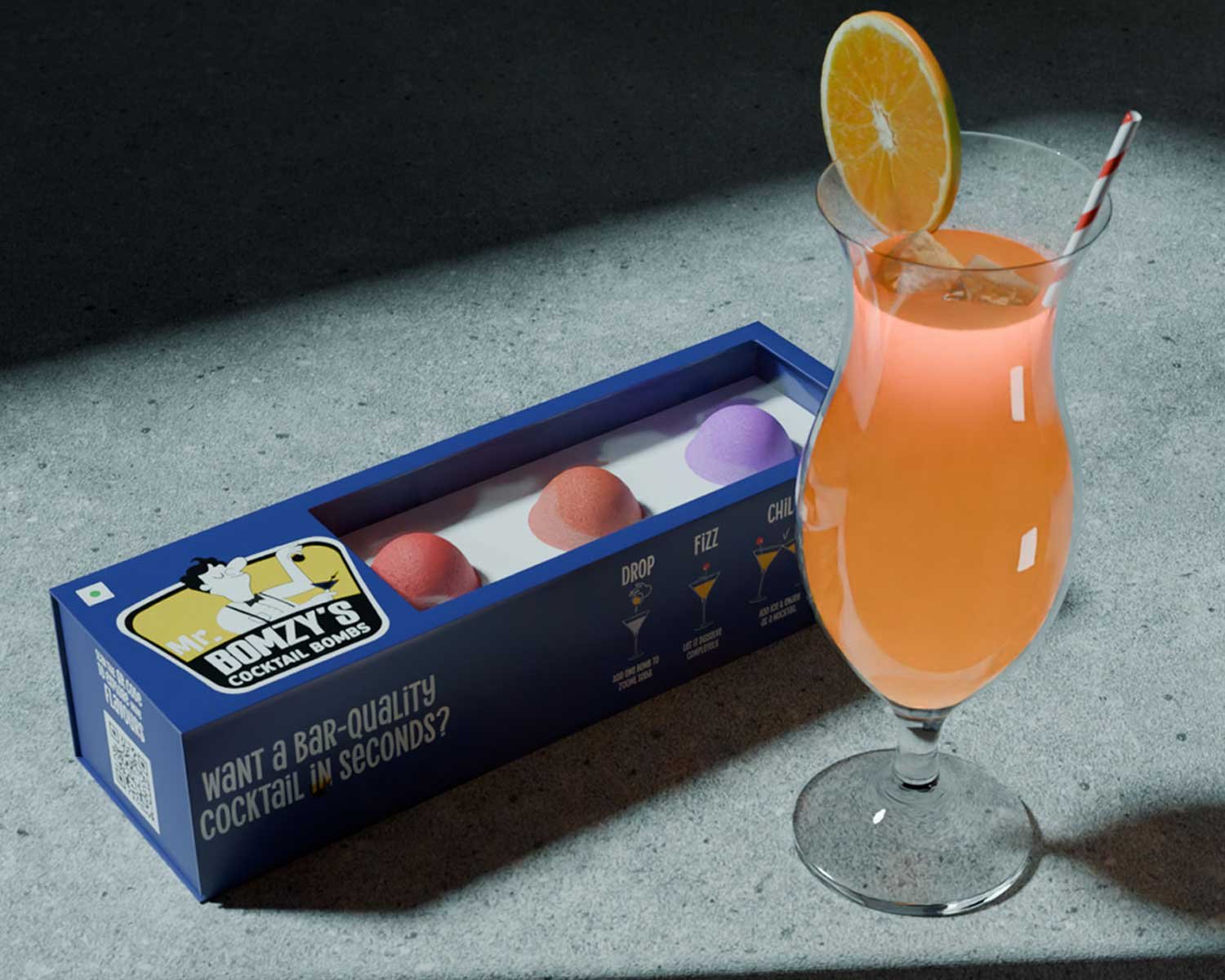
Popular Examples: We are a non-alcoholic beverage manufacturer. Non-alcoholic gins, mixers, and spiced tonics.
Target Audience: Restaurants, lounges, party & event segments
Key Components:
- Botanical extracts
- Aromatics
- Bitter agents
- Sugar syrups or concentrates
Formulation Goals:
- Sophisticateflavouror challenges.
- Mouthfeel without alcohol
- Stable under refrigeration
Popular Bases: Clove, juniper, black cardamom, lime peel
Tea & Coffee-Based Beverages
Popular Examples: Iced tea, cold brew, nitro coffee, masala chai
Target Audience: Millennials, professionals, café chains
Key Components:
- Brewed coffee or tea
- Milk or plant-based creamers
- Sweeteners, flavour syrups
- Optional fortification (collagen, ginseng)
Formulation Goals:
- Stable emulsion
- Smooth aftertaste
- Heat and cold process compatibility
Pro Tip: Infused cold brews (e.g., cinnamon or vanilla) are rising in Tier 1 and Tier 2 cities.
Now you have almost clear ideas about the types of beverage recipe formulations. Here you have multiple options, with which you can choose as per your target audience, its challenges, and opportunities. Moreover, now you have a clear selection of what types of beverage formulation you want. With that, you can get a checklist of what to follow before the launch of your beverage brand. Let’s see what’s next.
If you still want any help, contact us as the best beverage formulation consultant in India for commercial beverage formulas.
A Real-World Checklist: Before You Launch Your Beverage Brand
So you’ve got a killer drink idea—love that. Now comes the real work: turning that idea into a commercially viable beverage. The formulation? We handle it. Mass production? Covered. But before you rush into large-scale manufacturing or launch on a major platform, pause for a moment.
This is your no-nonsense checklist to make sure nothing critical slips through the cracks.
What Makes Your Drink Different? (Your Brand USP)
Ask yourself one simple question:
Why would someone choose your drink over the dozen others on the shelf?
It could be:
- A standout ingredient (ashwagandha, cold brew, electrolytes)
- A clear audience (gym-goers, busy professionals, moms on the move)
- A specific benefit (energy, focus, immunity, sleep)
That clear “why” is the foundation of your formulation, branding, and marketing.
Test the Taste, Relentlessly
Even the smartest concept will fail if it doesn’t taste right.
Run multiple trials. Share samples with people who’ll be honest: friends, family, trainers, café owners.
Don’t get attached to version one. Keep refining until people say:
“I’d actually buy this.”
Choose Packaging That Works (and Sells)
Glass bottle, PET, tetra pack, slim can, your packaging must suit your formula and your brand identity.
It’s not just about looks. Packaging affects stability, shelf life, transport, and cost. And your label? That’s your silent salesperson on the shelf.
Decide How You’ll Manufacture
Will you produce in-house or partner with a contract manufacturer?
Visit the facility. Check hygiene standards. Understand minimum order quantities, batch sizes, and pricing. Always start with a small test batch before scaling. Learn fast, risk less.
Secure Ingredients & Reliable Suppliers
One missing ingredient can halt production.
Ensure supplier reliability, consistent pricing, and steady availability.
If you’re using trending ingredients like matcha, stevia, or adaptogens, factor in seasonality and sourcing risks early.
Do the Math, Properly
Know your per-bottle cost. Include:
- Ingredients
- Packaging & labels
- Labor & manufacturing
- Logistics & shipping
Now compare it to your selling price. Many brands fail simply because they forgot a cost line item.
Build a Brand, Not Just a Beverage
People don’t buy drinks, they buy stories.
Define your brand vibe: fun, premium, earthy, bold, minimal.
Create a strong logo, a clear brand story, and visuals that speak directly to your audience.
Your product should make people stop scrolling—or stop walking past it in a store.
Plan the Launch Before You Launch
Marketing doesn’t start on launch day.
Line up your Instagram content, collaborate with influencers, distribute samples, or host a small pop-up. Momentum should already be building when you go live.
Feedback Is Non-Negotiable
Once your drink hits the market, listen closely.
Are people finishing the bottle? Reordering? Talking about it?
Use real consumer feedback to refine flavour, pricing, packaging, or even positioning. The best beverage brands evolve fast—and smart.
Need a Beverage Formulation Partner Who Gets It?
At Foodsure, we are experts in custom beverage formulation made to market trends, cost structures, and compliance. Our labs and Beverage formulation consultants help you:
- Create scalable, clean-label recipes
- Source ingredients globally
- Design packaging + label claim
- Manage trials, tests, and certification
Let Our Beverage Formulation Consultants Give You the Advantage of a Winning Formula
You know what most people don’t see when they open a bottle of a good drink? The hours of fine-tuning that went into it — whether it’s a protein-packed health shake, a refreshing cold-pressed juice, or an energy drink that actually tastes good. Our beverage consultant takes care of everything.
That’s the behind-the-scenes work we love doing.
We are the best beverage development company in India. Our beverage formulation consultants don’t deal in guesswork. Whether you’re building a low-sugar iced tea, a plant-based wellness shot, or a fruit-based carbonated drink, we start by understanding your vision and your market. Then we work with you to develop a formula that doesn’t just sound good — it works.
Each type of beverage recipe formulation has its own challenges. Juices need freshness and stability. Herbal drinks must keep their benefits without turning bitter. Functional beverages need the right balance between taste and performance. We’ve worked with all of them — from start-up concepts to big-brand line extensions.
This isn’t about picking from a shelf of ready-made recipes. It’s about crafting your own — one that delivers on taste, shelf life, cost, and appeal.
Want to Create a Beverage That Sells and Scales?
Get in touch with Foodsure – India’s leading beverage formulation experts.
Let’s turn your drink idea into the next big sip in the market.
Book a FREE call with our formulation expert. Call us at +91-8130404757
FAQs
How much does it cost to develop a beverage recipe?
Costs range from $10,000–$50,000+ for R&D, depending on complexity. Pilot batches and regulatory compliance add to expenses.
What’s the biggest mistake startups make in formulation?
Overlooking shelf-life testing, leading to product recalls or wasted inventory.
Can I replicate a competitor’s beverage formula?
While flavours can be inspired, exact replication may infringe on patents. Focus on differentiation through unique functional benefits or branding.
Which is better: carbonated or non-carbonated functional drinks?
Carbonated functional drinks offer a refreshing experience and flavour release, while non-carbonated drinks provide better ingredient stability and daily wellness suitability.
Do functional ingredients behave differently in carbonated drinks?
Yes, carbonation can impact ingredient stability, especially probiotics, proteins, and certain vitamins, requiring specialised techniques.
Are non-carbonated functional drinks easier to scale?
Non-carbonated functional drinks are generally easier to scale due to simpler processing, fewer stability challenges, and longer shelf-life options.
How does carbonation affect shelf life?
Carbonation can reduce microbial growth but may accelerate ingredient degradation if formulations are not properly balanced.
Can one formulation work for both carbonated and non-carbonated formats?
Most formulations need adjustments when switching formats, as carbonation changes pH, mouthfeel, and ingredient interaction.
Which format is better for daily wellness drinks?
Non-carbonated functional drinks are preferred for daily wellness due to smoother consumption and better tolerance for sensitive ingredients.
How do I choose the right functional drink format for my brand?
The right format depends on target consumers, ingredient sensitivity, usage occasion, taste preference, and long-term scalability.