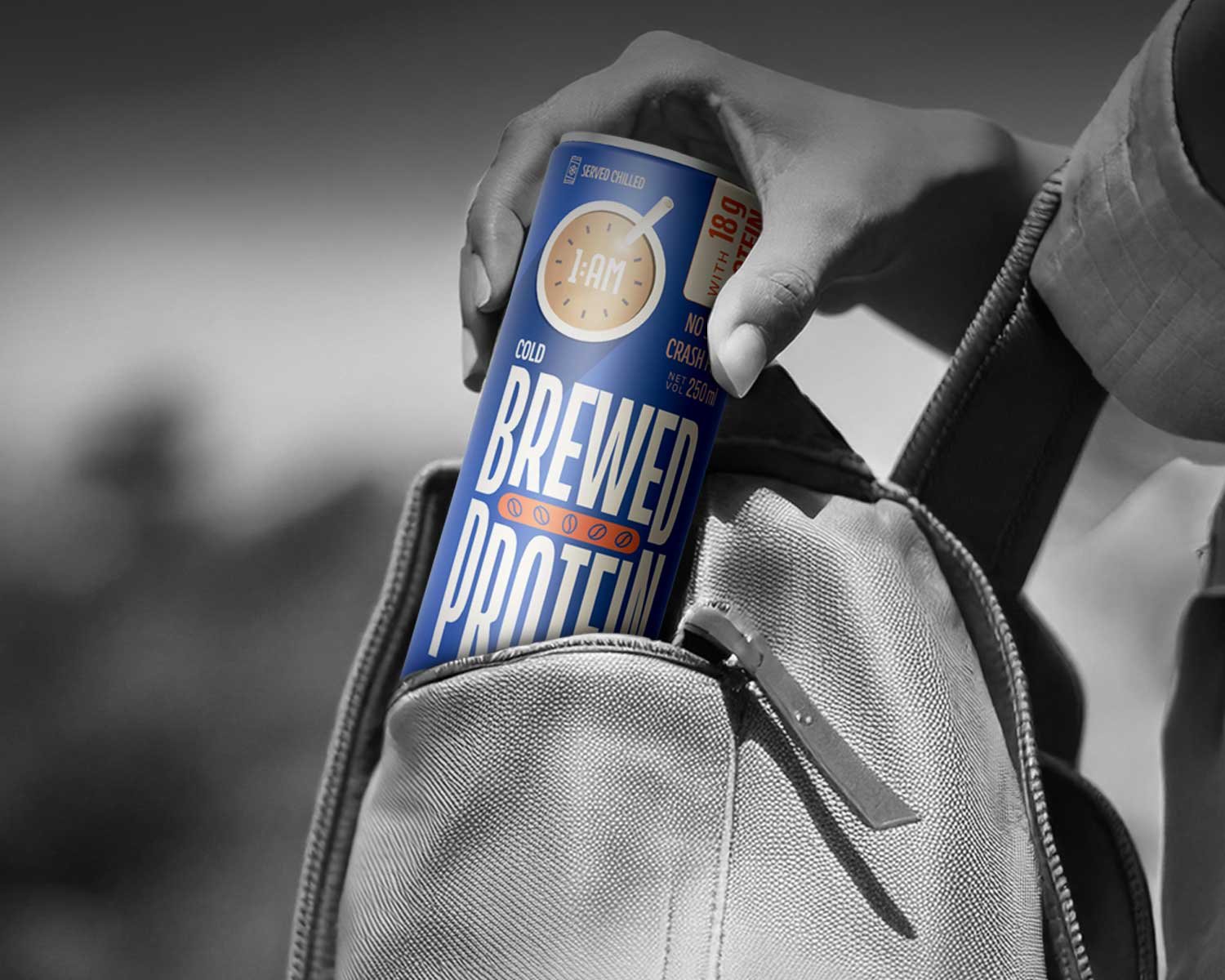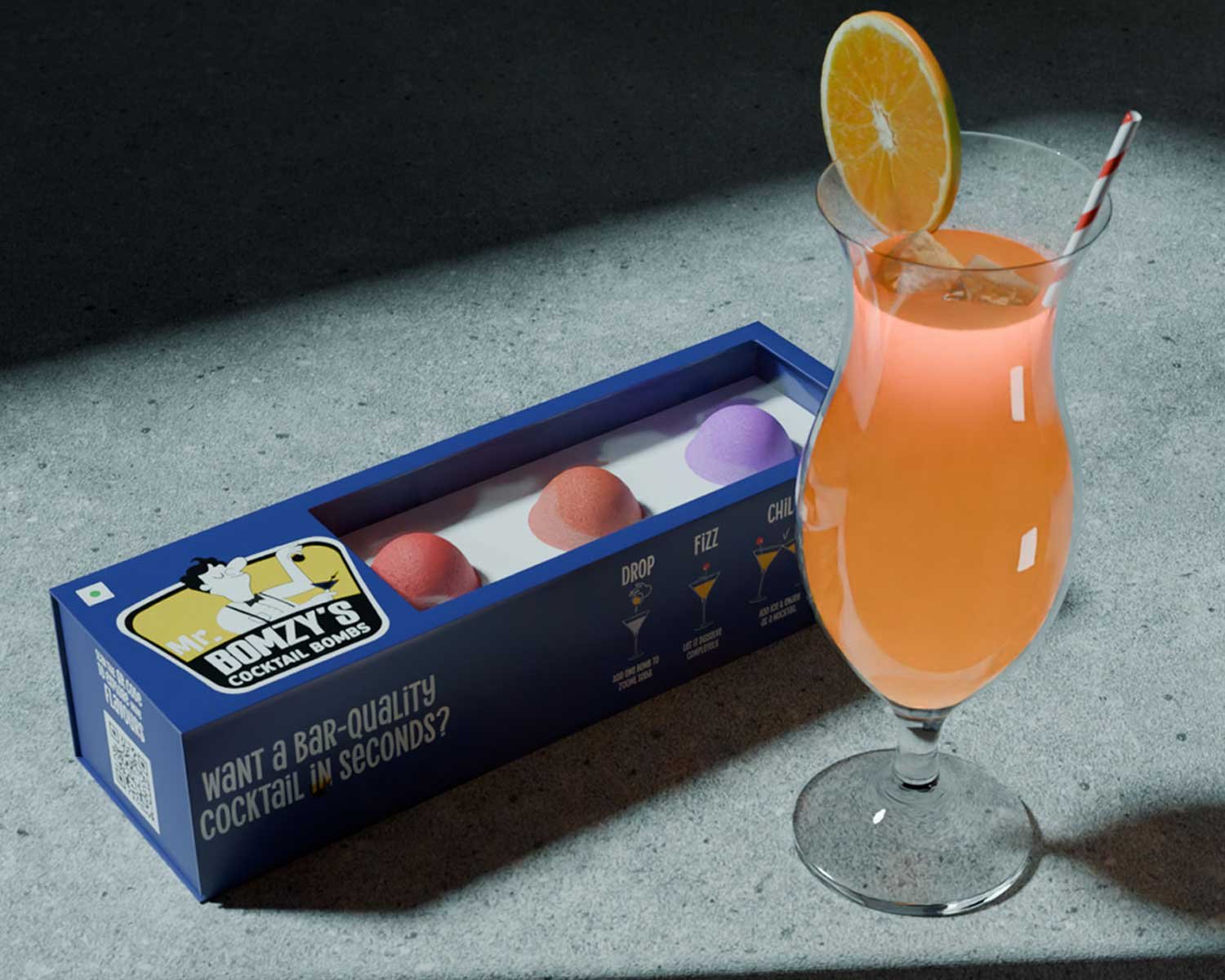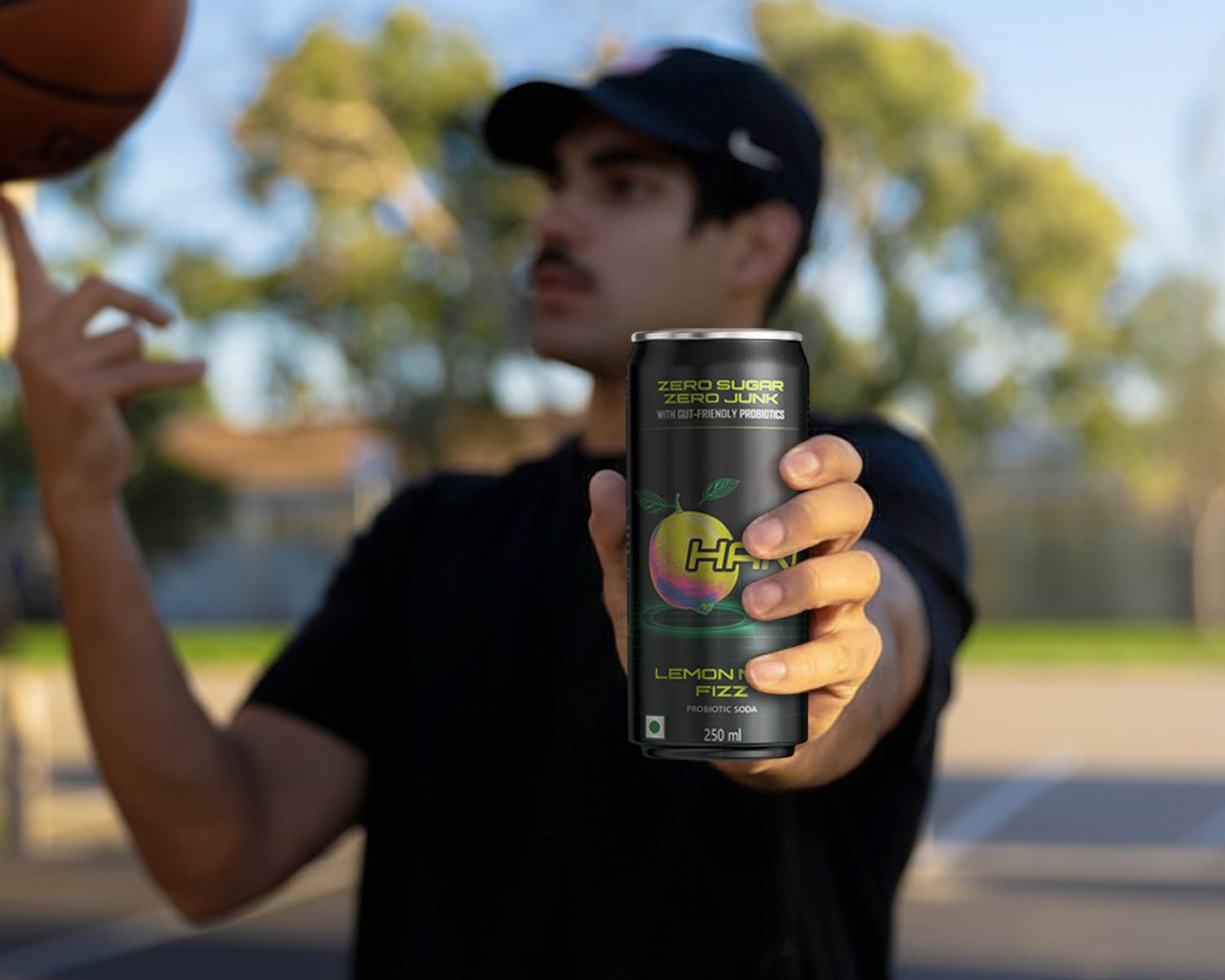
The boundary between potables and nutrition is fading. Across diligence, from nutraceutical brands to commercial health care providers, decision makers are looking for drinks that do more than quench thirst. They want products that deliver measurable protein, vitamins, and functional constituents in formats that are safe, stable, and scalable. This demand is reconsidering R&D precedents and making expression a strategic asset.
The time 2026 and further will award businesses that understand both wisdom and regulation while rephrasing them into consumer-accepted flavours. The ensuing sections outline the trends that should shape the upcoming product design.
Shift from Mass Nutrition to Precision Wellness
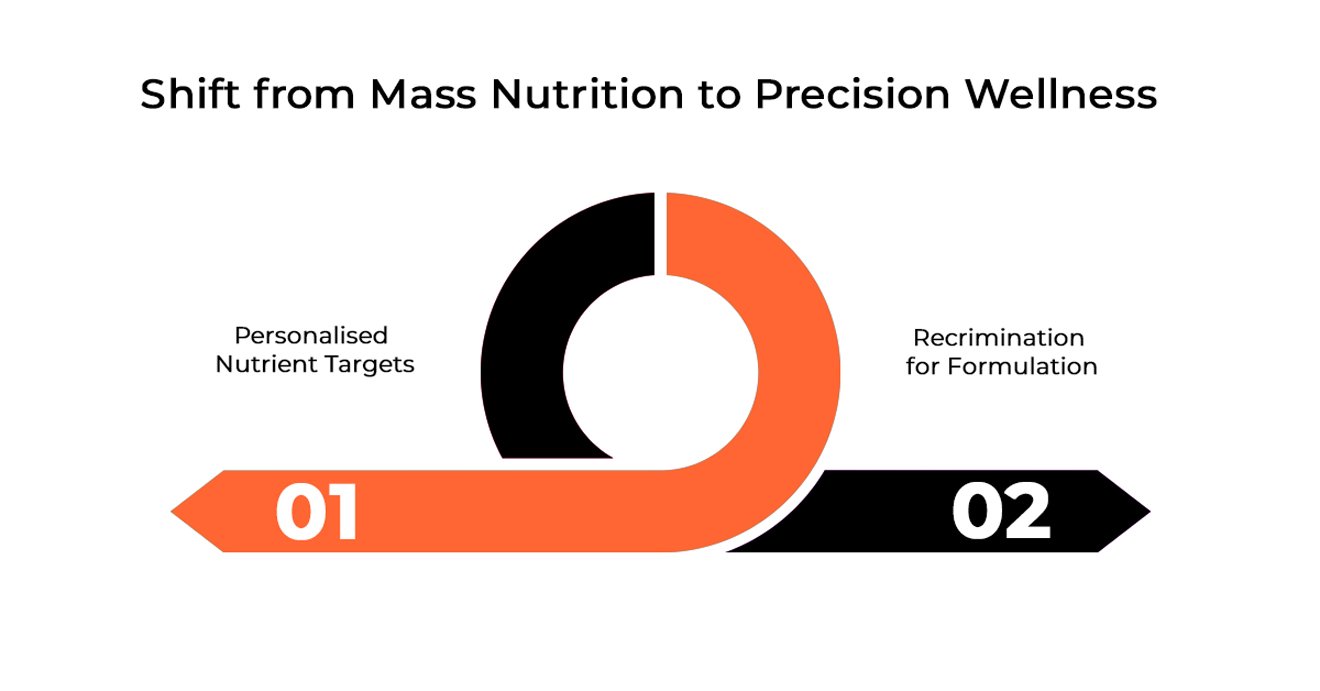
Personalised Nutrient Targets
Unborn libation missions are being written around specific health conditions. Hospitals bear functional hydration drinks; sports brands need recovery proteins; women’s health platforms are requesting iron and folate bastion. Technology platforms collecting salutary data are guiding component situations.
Recrimination for Formulation
Formulators must design flexible bases where micronutrient attention can be altered without destabilising the conflation. Component commerce studies, airman batching, and claims attestation will become routine corridors of development contracts.
Clean Label Becoming Non-Negotiable
Demand for recognisable constituents
Institutional buyers are rejecting artificial colours and chemical preservatives. They prefer pectin, gum acacia, tea extracts, and fruit concentrates. The clean-marker movement is indeed impacting traditionally carbonated orders.
Balancing Safety with Simplicity
Removing complements frequently shortens shelf life. Moxie is needed to manage pH, water exertion, and oxygen exposure so that transparent markers still meet food-safety standards, an area where structured testing protocols play a part.
Protein Formats Redefining Nutritional Beverage Development
Next Generation Plant Proteins
Pea, fava, chickpea, and rice isolates are replacing soy in numerous systems due to sustainability pretensions. Brands want dairy-free options for the vegan cult and institutional force.
Specialized Challenges
Factory proteins bring sedimentation and bitterness. Results similar to enzyme hydrolysis, flyspeck-size control, and hydrocolloid systems are needed to cover mouthfeel during heat processing and transportation.
Women-wellness Beverages as a Growth Engine
Addressing Lifestyle diseases
Poor life patterns are creating demand for drinks supporting PCOS, antenatal, and menopausal health. Constituents like myo-inositol, collagen, and omega-3 composites are shaping product generalities.
Need for Expert mates.
These portables carry sensitive health claims; thus, companies bear compliance-first expression businesses that understand reproductive-health wisdom along with sensitive design.
Functional Hydration Blends
Electrolytes with Micronutrients
Plant health programs are asking for isotonic drinks amended with B-complex, zinc, and vitamin D. Before debates around unsweetened carbonated drink hydration are giving way to substantiation when sugar is absent.
Formulation Opportunity
Designing hydration that doesn’t adulterate nutrition viscosity requires rate engineering and osmolarity studies before large-scale manufacture.
Gut Health Integration
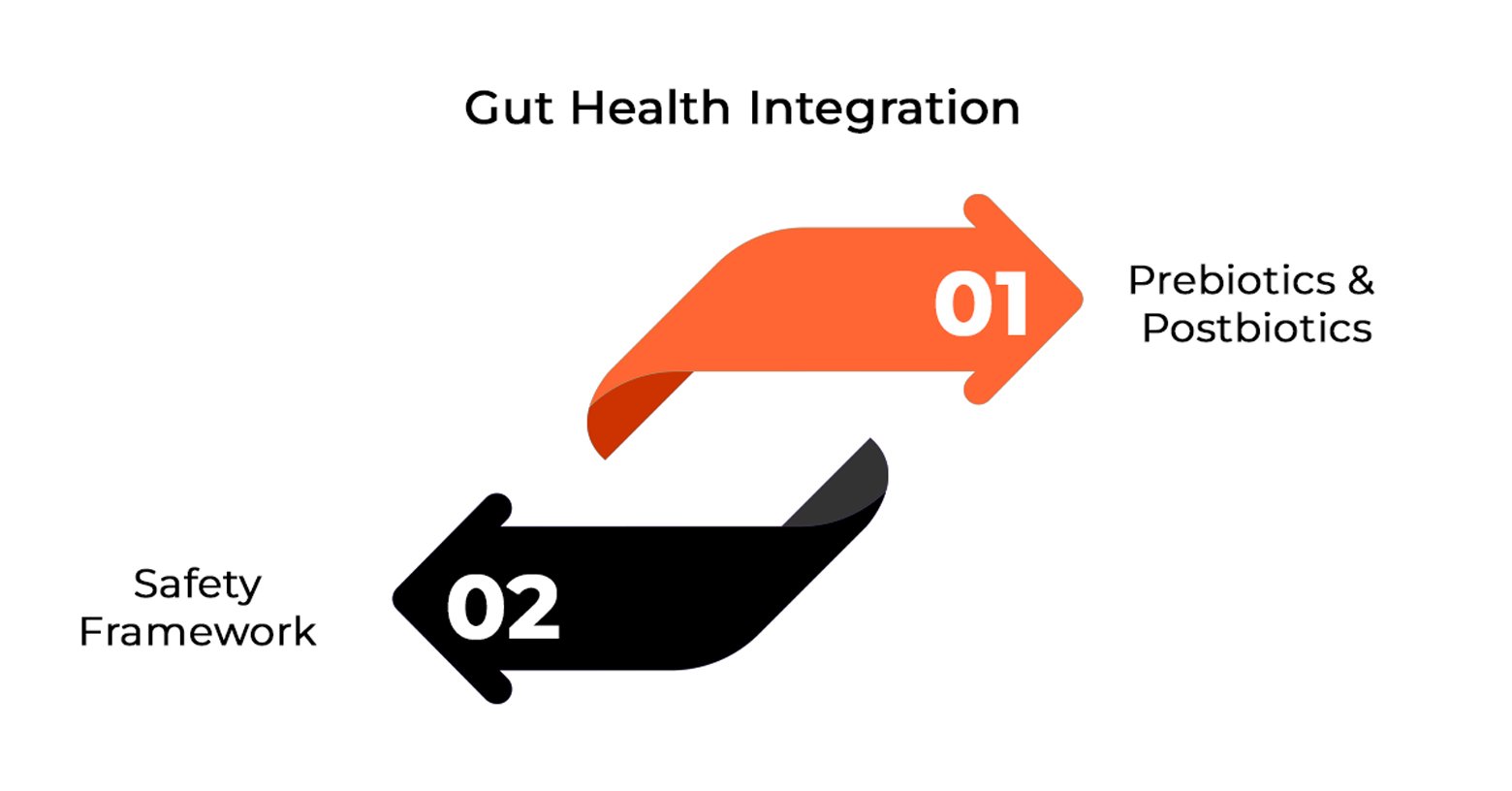
Prebiotics & Postbiotics
Inulin, resistant dextrin, and postbiotic metabolites will be standard. These constituents must be incorporated without encouraging microbial growth.
Safety Framework
Microbial challenge tests, sterile processing, and stability studies are essential. Expression businesses must work with buyers from the earliest conception stage.
Sugar Re-Engineering
Low GI Sweetness Systems
Allulose, stevia, monk fruit, and polyol composites are helping brands combat rotundity. Buyers prioritise formulation that removes 30-70% of sugar while maintaining flavour/identity.
Technical Approach
Sweetener community, shadow masking, and density balancing are part of professional libation expression.
Recommended Blogs –
Nutraceutical Product Development
Nutraceutical Beverage Formulation
Functional Nutrition Formulas
Common Mistakes In Nutraceutical Product Development
Conclusion
The road to 2026 will review how plant-based nutritional beverages are imagined and manufactured. Classics of taste must now attend with clinical purpose, clean markers, and compliance-driven expression. Businesses that invest beforehand in component community, packaging wisdom, and AI prototyping will lead institutional buying rather than follow it. The Old Fashioned gospel of balance teaches an important assignment indeed, the most innovative drink succeeds only when the expression is safe and stable.
For associations that deal in Formulation Business in India, partnering with specialists like Foodsure can help restate these trends into a scalable, nutritious drink formulation with consumer-accepted flavours.
Frequently Asked Questions
What are the key stages of a nutritional beverage development?
Concept research → ingredient strategy → pilot formulation → safety & stability testing → scale-up.
Why is shelf-life stability difficult in fortified drinks?
Vitamins and proteins degrade due to oxygen, light, and pH imbalance.
Which protein sources suit vegan nutritional beverages?
Pea, rice, chickpea, and fava isolates are popular in the B2B supply.
Are unsweetened carbonated bases good for hydration?
Yes, when no sugar is added, and electrolytes are balanced.
How to design drinks for women’s reproductive wellness?
Through iron, folate, collagen and myo-inositol under compliance norms.
Why do brands outsource formulation work?
To access expertise in taste masking and regulatory documentation.
What packaging suits micronutrient beverages?
Aseptic cartons and aluminium cans with oxygen control.
Can herbal extracts be used in fortified drinks?
Yes, with validated formulation and microbial safeguards.
What are common mistakes during development?
Ignoring sedimentation, aftertaste, and claim limits.
How long does development take?
Typically, 4–12 weeks, depending on testing.