Why So Many “Great-Tasting” Beverages Fail After Launch
Many brands of beverages are not new because of poor branding or poor pricing, but they cannot offer sensual consistency after they go beyond manufacturing batches of a trial.
This blog explains why a la of regular sensory experience undermines purchase repeat, brand loyalty, and long-term development, especially when scaling occurs.
What Beverage Founders Often Overlook About Taste
A beverage doesn’t win loyalty because it tastes good once.
It wins because it tastes the same every single time.
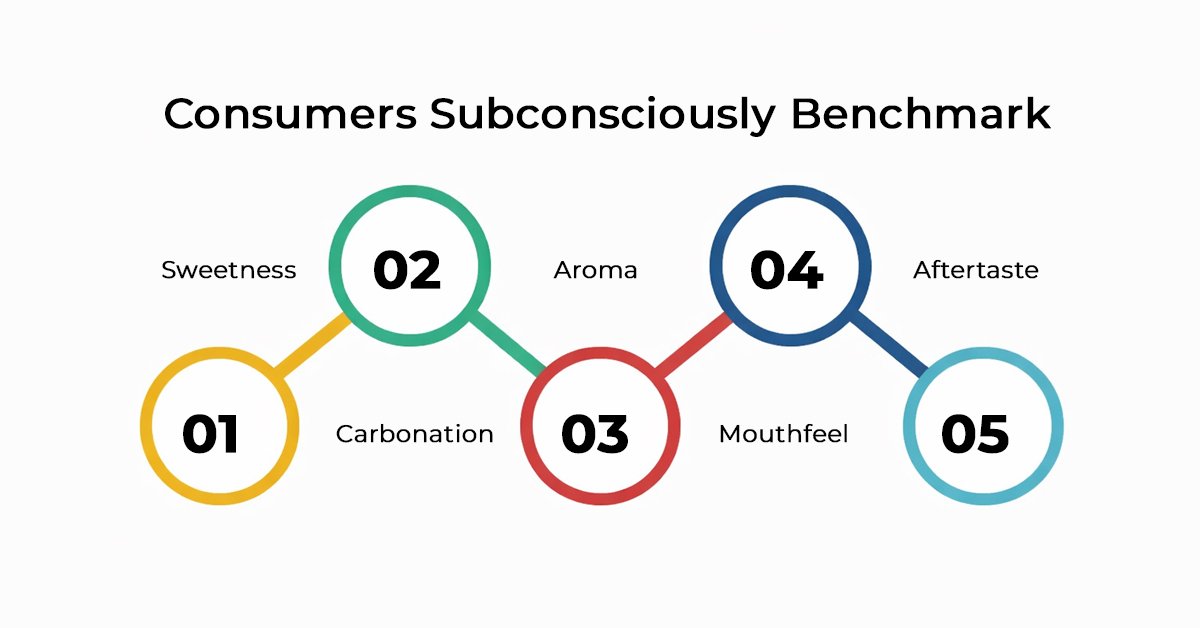
Consumers subconsciously benchmark:
- Sweetness
- Carbonation
- Aroma
- Mouthfeel
- Aftertaste
The moment that benchmarks shift, the brand is perceived as unreliable, even if the change is subtle.
Struggling to maintain beverage sensory consistency at scale?
Foodsure helps brands stabilise taste, aroma, mouthfeel, and carbonation across batches through scale-aware formulation and SOP-driven manufacturing control.
The Real Business Risk Behind Sensory Inconsistency
Inconsistent taste in beverages doesn’t trigger an immediate reaction. Rather, it causes
- Drop in reprise purchase
- Reduced word- of- mouth
- Distributor vacillation
- Slower haste at retail
This is why sensory drift is far more dangerous than a bad launch; it reduces growth quietly.
Why Sensory Experience Breaks During Scale-Up
Most sensory issues come up when brands move from small- batch success to commercial production.
Common causes include:
- Ingredient variability across suppliers
- Water quality differences at manufacturing plants
- Lack of formulation
- Wrong process SOPs
- Shelf- life decline not tested early
Maintaining sensory consistency at scale requires specialised planning, not just recipe replication.
What Founders Experience When Sensory Drift Begins
Beverage founders generally smell that something is wrong before data confirms it.
Typical signals include:
- “ Customers say it tastes different now ”
- “ One batch sells faster than another ”
- “ The product flattens before expiry ”
- “ Later batches feel harsher or thinner ”
- “ Retailers stop reordering without explanation ”
These aren’t selling problems; they are beverage quality variation issues.
A Simple Way to Understand Sensory Consistency
Imagine buying your favourite coffee every day, and the strength changes aimlessly.
You wouldn’t complain loudly.
You would simply stop buying it.
That’s exactly how consumers reply when a beverage lacks sensory consistency. The emotional contract breaks.
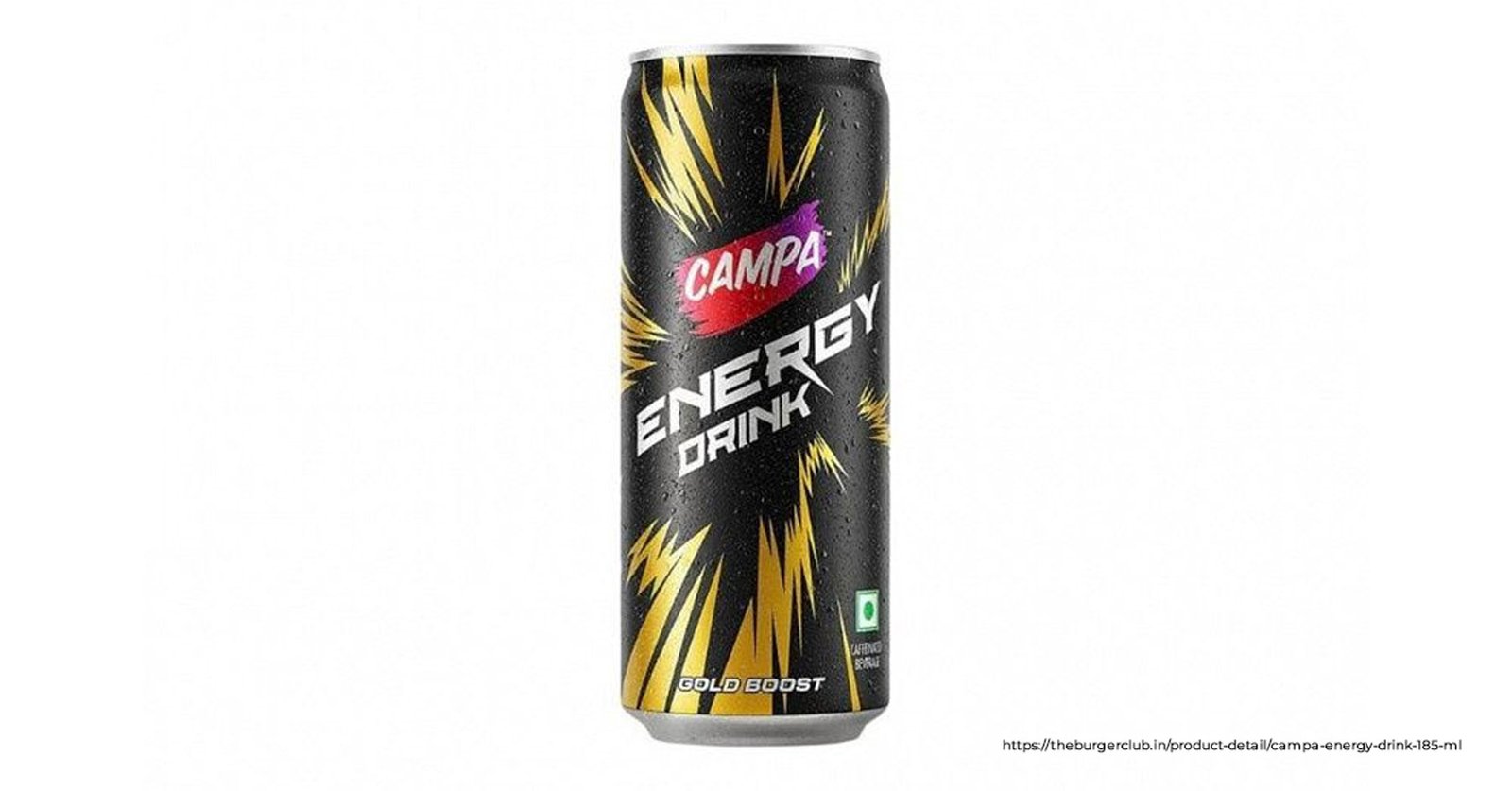
Case Insight: Campa Energy Drink
Campa Energy entered the market with strong familiarity and aggressive pricing. Original batches delivered a satisfying sweetness and energy kick.
As distribution widened:
- Sweetness perception varied
- Carbonation felt inconsistent
- The aftertaste felt weird
The issue wasn’t visibility; it was sensory execution at scale. This inconsistency weakened repeat purchase, proving that brand recall alone can not compensate for unstable sensory experience.
What Actually Protects Beverage Brands at Scale
Brands that grow sustainably treat sensory consistency as a system, not a gap.
They invest in:
- Scale-ready formulation design
- Sensory reference marks
- Controlled supplier variability
- Shelf-life sensory validation
- Process-specific SOPs
This way ensures that beverage sensory consistency is not assumed.
Where Foodsure Fits Into This Equation
Foodsure assists beverage brands in organising beverage products whose taste will remain consistent, from the first batch up to sale to the general population.
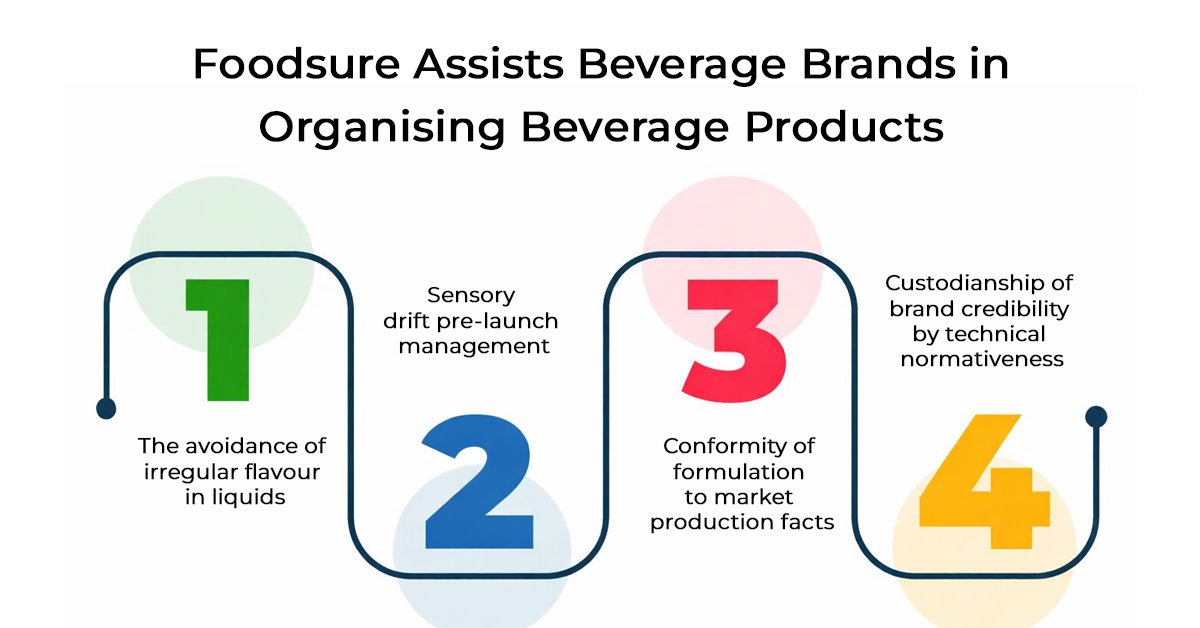
The focus is on:
- The avoidance of irregular flavour in liquids.
- Sensory drift pre-launch management.
- Conformity of formulation to market production facts.
- Custodianship of brand credibility by technical normativeness.
It is not a question of correcting failures, but it is a question of preventing the silent ones.
What Every Beverage Founder Should Remember
Consumers don’t forgive inconsistency.
They don’t communicate it.
They simply move on.
In today’s crowded beverage market, consistency is the strongest brand promise you can make.
If Your Beverage Doesn’t Taste the Same at Scale, Read These Next
Beverage sensory consistency doesn’t fail because of flavour.
It fails because hidden formulation, process, and scale variables quietly distort taste, aroma, and mouthfeel after launch.
These insights explain the real reasons beverages lose consistency at scale — and how founders can lock sensory quality into systems, not opinions.
Beverage Sensory Validation
Why taste approval fails to guarantee consistency
Beverage Scale-Up Failure
Why products break between lab and factory
Beverage Manufacturing SOP
How incomplete SOPs destroy sensory stability
Beverage R&D Timelines
Why founders launch before consistency is proven
Beverage Formulation Cost
Why cheap formulation creates sensory drift
Beverage Brand Failure
How inconsistency silently kills repeat purchase
Beverage Startup Failure Reasons
Why operational weaknesses surface after launch
Before You Scale, Ask This One Question
When setting your beverage to scale up, or if you are planning to do so, ask why?
Will it have the same flavour in six months, across all batches and localities?
In case the answer to this is not an obvious yes, the danger is not something theoretical only; it is becoming a reality. Minor technical assessment, at this point, we will protect the years of developing the brand.
Taste Approval Isn’t Proof. Sensory Consistency Is.
Most beverage brands don’t fail because of flavour.
They fail because taste, aroma, carbonation, and mouthfeel drift quietly after scale-up.
Foodsure integrates sensory validation, scale testing, and SOP-driven manufacturing control to help brands lock consistency into systems — not opinions.
Frequently Asked Questions
What is beverage sensory consistency?
Beverage sensory consistency means a drink delivers the same taste, aroma, mouthfeel, carbonation, and aftertaste across every batch and throughout its shelf life.
Why does inconsistent taste in beverages reduce repeat purchase?
Consumers subconsciously expect the same experience every time. When the taste changes, trust erodes quietly, leading to reduced repeat buying without complaints.
What causes beverage quality variation during scale-up?
Common causes include ingredient variability, water quality differences, incomplete formulations, incorrect SOPs, and lack of shelf-life sensory testing.
What is sensory drift in beverages?
Sensory drift is the gradual change in taste, aroma, or mouthfeel over time or across batches, often occurring after commercial production begins.
Why is maintaining sensory consistency at scale difficult?
Scaling introduces new suppliers, equipment, processes, and storage conditions. Without system-level controls, these variables disrupt sensory stability.
How can beverage brands detect sensory drift early?
Early signs include uneven batch sales, customer comments about taste change, reduced carbonation before expiry, and unexplained retailer drop-offs.
Does good branding compensate for poor sensory consistency?
No. Strong branding may drive initial trials, but an inconsistent sensory experience undermines trust and repeat purchase over time.
How does shelf life impact beverage sensory consistency?
Flavour, carbonation, and mouthfeel can degrade over time if not validated under real storage conditions, causing sensory drift before expiry.
What systems help prevent inconsistent taste in beverages?
Scale-ready formulations, sensory benchmarks, controlled raw materials, process-specific SOPs, and shelf-life sensory validation help maintain consistency.
When should founders address beverage sensory consistency?
Ideally, before scaling. Addressing sensory consistency early prevents silent brand damage and protects long-term growth.