
The plant-based milk formula process in India is geared towards the production of non-dairy substitutes that would impart similar nutritional and functional properties to dairy milk. This also involves the creation of oat milk formulas as well as the creation of oat milk recipes in order to attain a consistent texture of oat milk, nutritional content, and stability in the processing.
Oat milk formulation involves a balance in proportion attained through the sharing of proteins, oat milk texture, heat stability, and flavour optimisation across oat milk drink recipes, among other non-dairy drinks.
Plant milk products, including concept development to shelf position, must balance ingredient mixes, manufacturing conditions and sensorial requirements.
The recipes of oat milk preparation start with the choice of the source of oats. Enzymatic activity, sweetening properties, and final texture of oat milk depend on the selection of the raw material.
The raw materials in the production of the plant-based milk include oats, almonds, soy beans, and oat-coconut mixtures. These choices define how oat milk should be formulated and how its nutritional and sensory properties are defined.
Enzyme activity and solids handling require careful control to achieve smooth texture, natural sweetness and a clean touch without excessive viscosity – an ultimate scourge of streamlining oat milk texture.
The fact that non-dairy milk development is subject to processing highlights the importance of protein, fat, and carbohydrate balance. In oat milk development, the influence of each macronutrient on stability, mouthfeel and functionality is significantly different.
The emulsification systems are carefully refined to prevent creaming and phase separation, especially in shelf-stable oat milk recipes that are thermally processed. These systems play a critical role in the maintenance of the texture and visuality of oat milk.
In the formulation of oat milk, it is crucial to make sure that the flavour is developed,d as oats are likely to provide cereal undertones. It uses methods like flavour hiding, sweetness adjustment and refined texture to enhance palatability without adding an excessive amount of sugar, thus maintaining the integrity of the oatthick.
To maintain emulsion integrity, reduce sedimentation, and improve nutritive quality, controlled trials are used to optimise heat treatment, homogenization pressure, and shear parameters. This is a crucial stage in UHT and long shelf-life oat milk recipes.
After optimisation of the formulations, shelf-life and sensory analysis are done to verify the compatibility of packaging with the oat milk texture and stability criteria.
Oat milk recipes can also use functional positioning as an ingredient to support the assertions that it possesses an excellent source of fibre, digestive properties, or that it is enriched with protein.
Ingredients that promote digestive health, fibre fortification or protein fortification are evaluated in compatibility. Knowledge gained in the course of gut-health beverage and prebiotic soda development in India finds application in guiding oat formula and dosage response and preservation of mouthfeel.
Pilot and storage tests assess separation, density variations, flavour loss and stability of microorganisms in realistic oat milk recipes.
The last phase of plant-based milk development is related to the scale-up preparation and the preservation of the same production performance.
These Pilot improvements are converted into commercial manufacturing guidelines, component requirements, and quality standards, and thus the commercialisation of oat milk recipes without necessarily having to re-formulate them again.
At Foodsure, we guide every beverage manufacturer through a clear and efficient beverage formulation project timeline. Our structured project timeline covers concept understanding, ingredient planning, lab trials, flavour refinement, and stability testing—so you always know what’s happening and when.
This streamlined approach reduces delays, lowers development risk, and helps you launch a high-quality, market-ready beverage faster and with complete transparency.
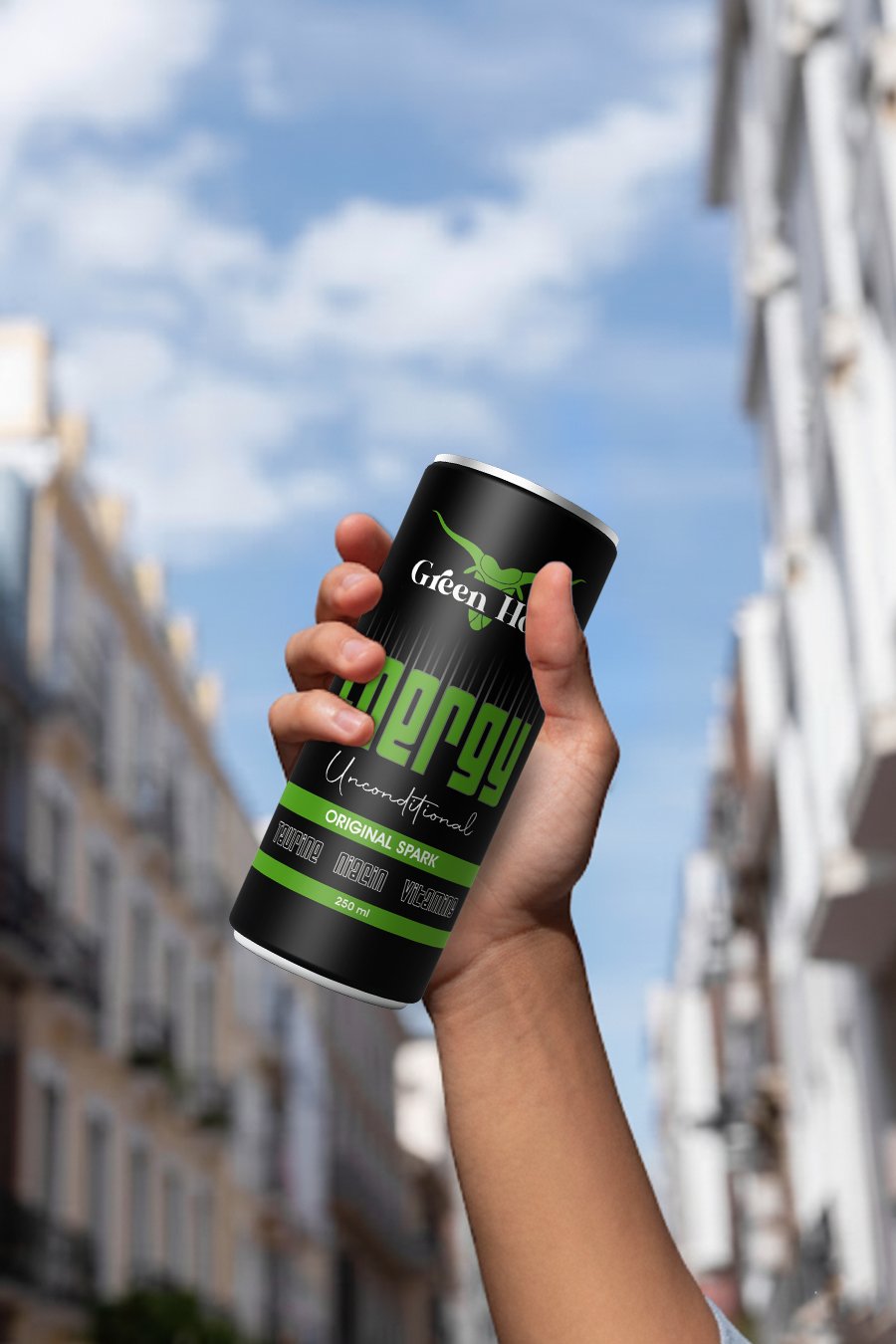
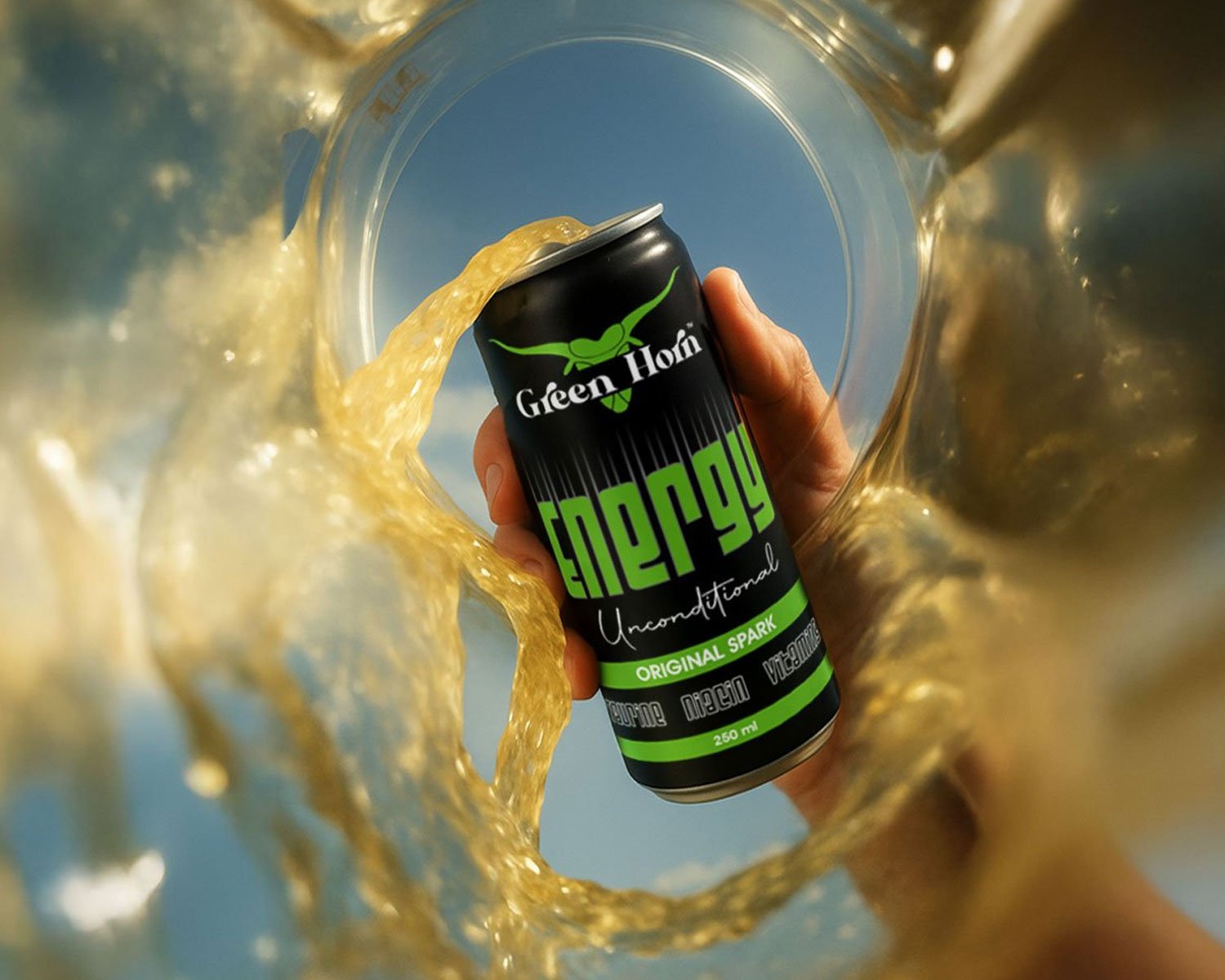
Green Horn has emerged as a new favorite energy drink among younger consumers, combining bold flavor with great performance, and has created an identified brand presence and customer loyalty across India.
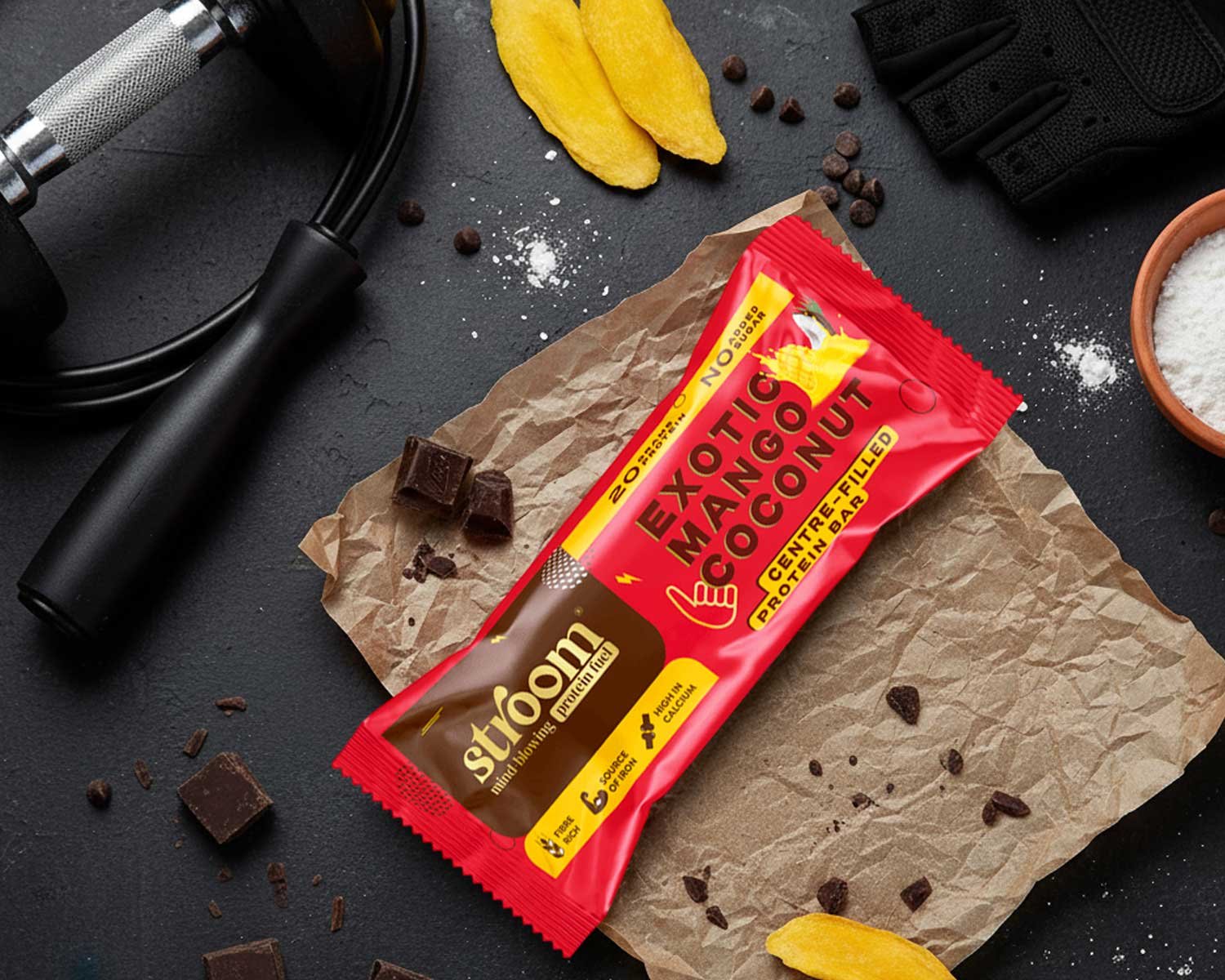
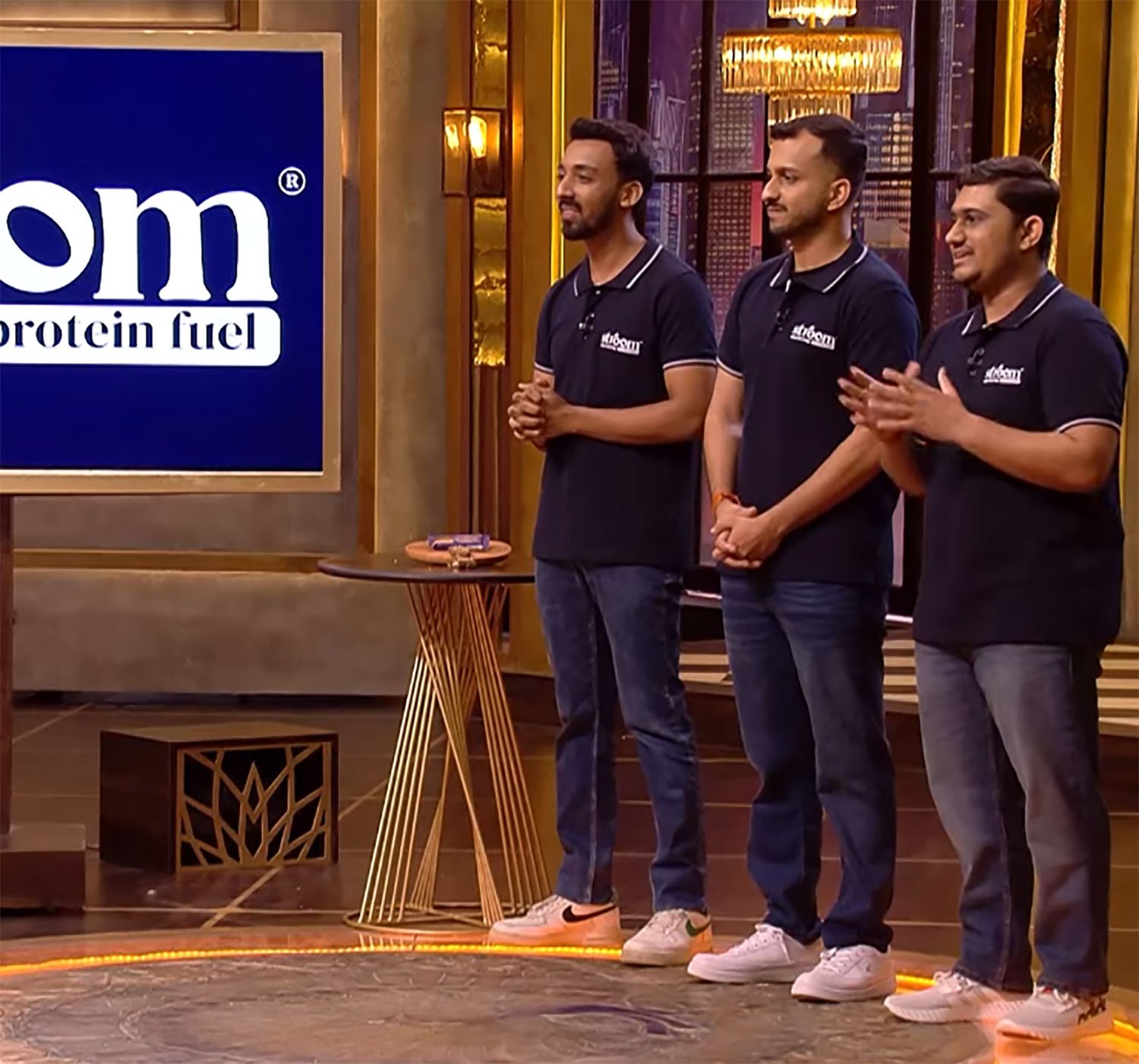
Stroom Protein Bar is a healthy snack brand focused on natural ingredients, great taste, and energy for active people. It promotes fitness, balance, and everyday strength.
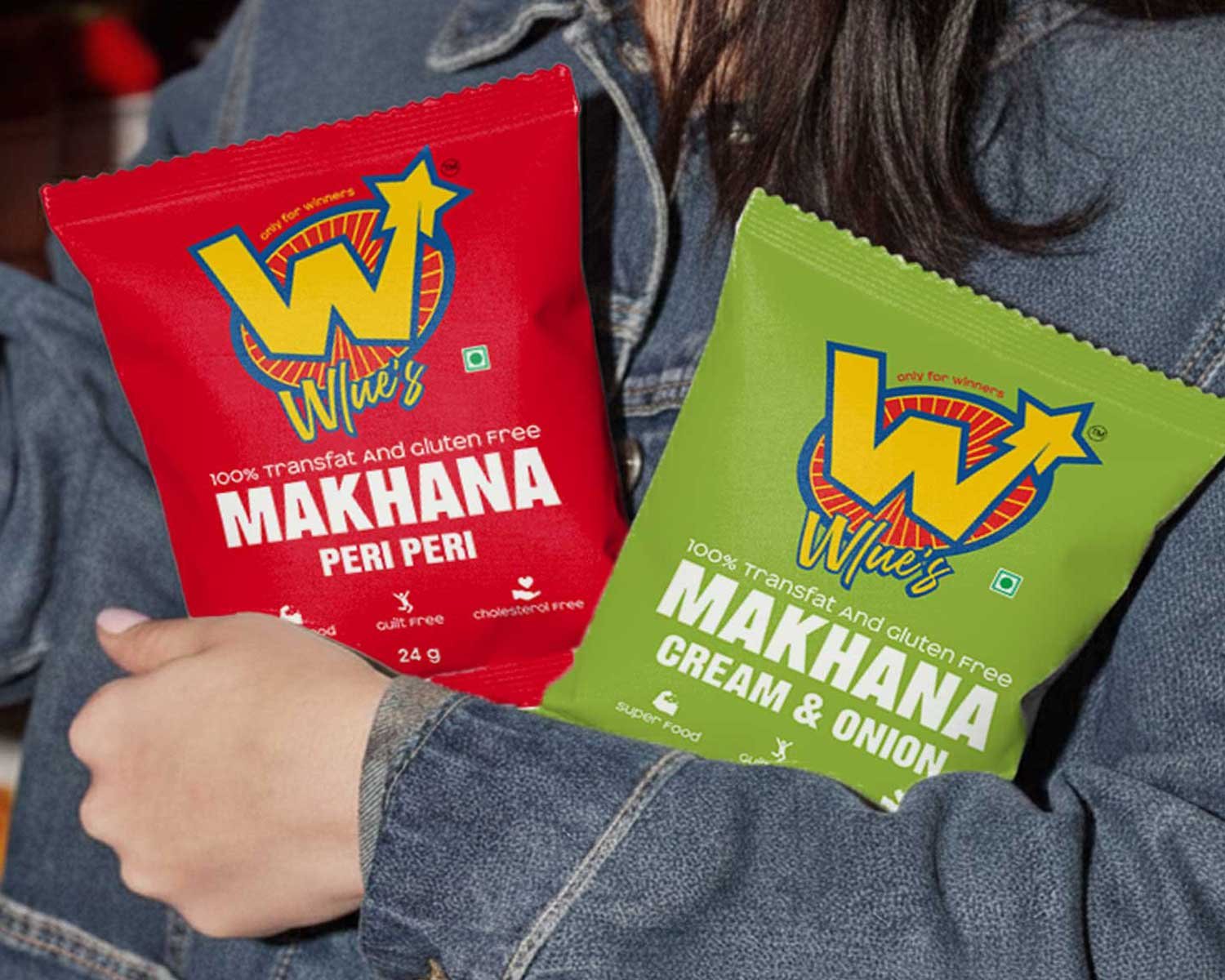
Wlue's has transformed healthy snacking in India by creating a trendy superfood out of fox nuts, through innovation, strong branding, and presence across retail locations nationally.
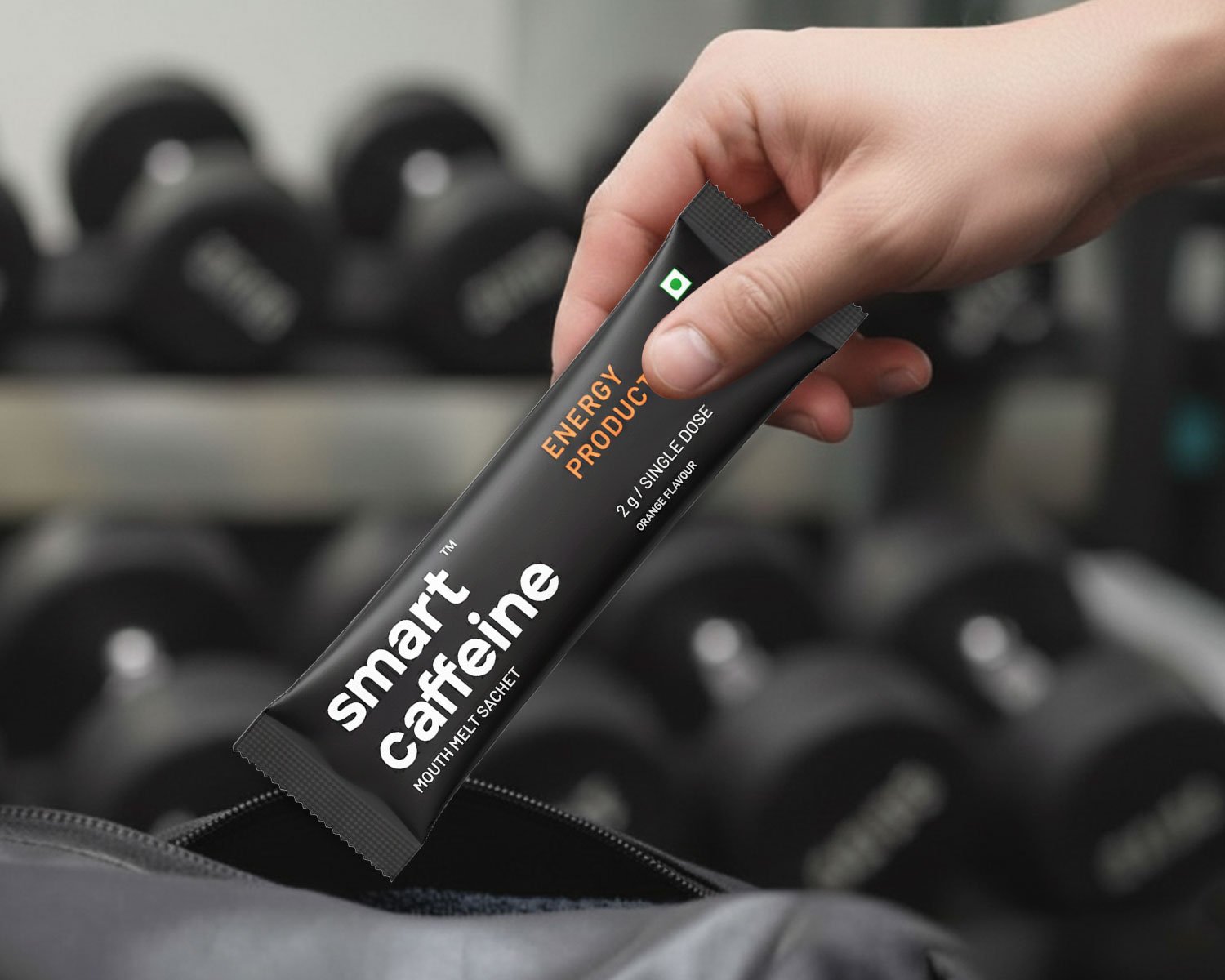
Smart Caffeine offers quick, clean energy through easy-to-use powder sachets. It helps people stay alert, focused, and active without the crash of regular caffeinated drinks.
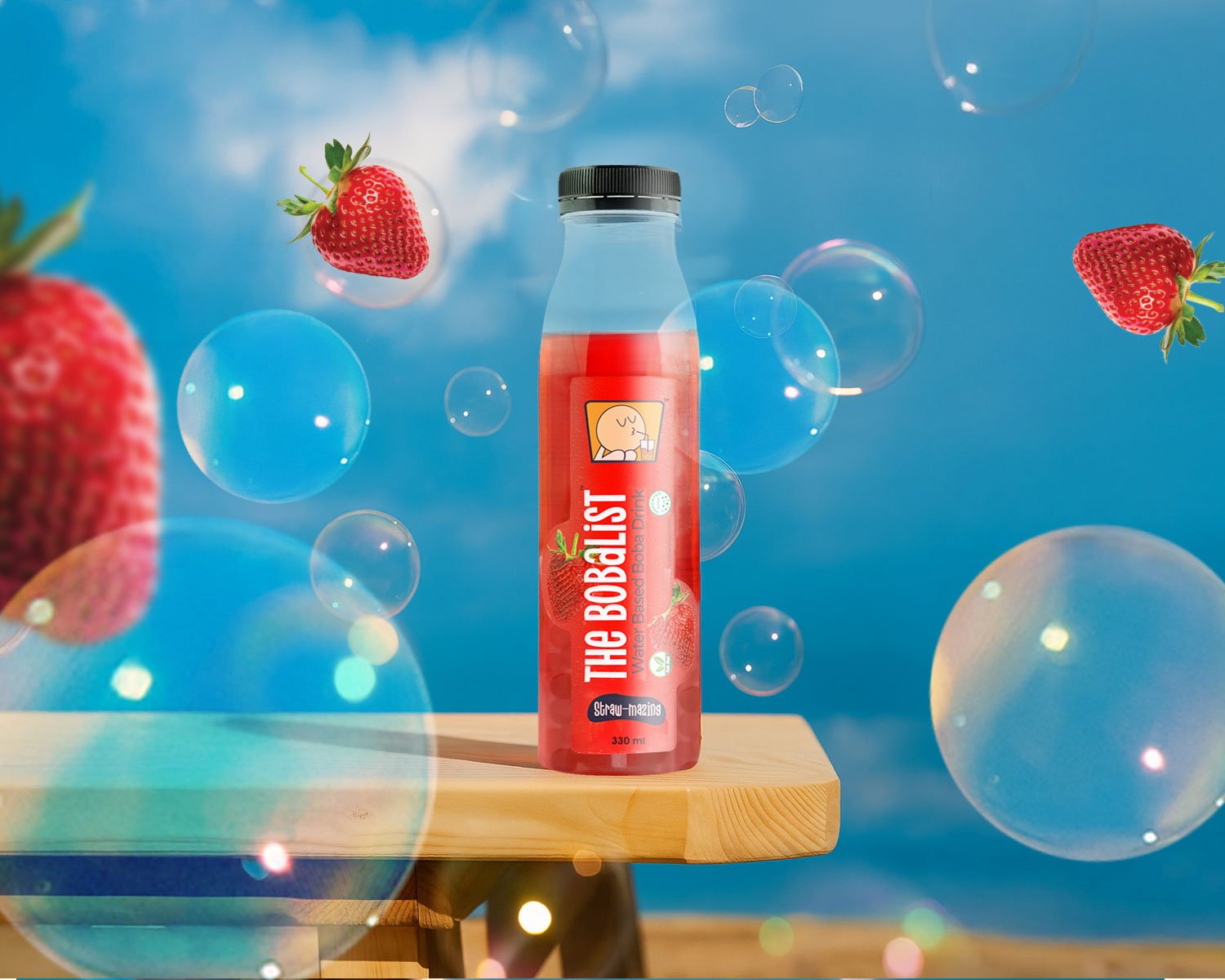
The Bobalist set itself as the first bottled popping boba drink in India, creating a disruptive product in the marketplace through innovation, bright and vibrant colors.
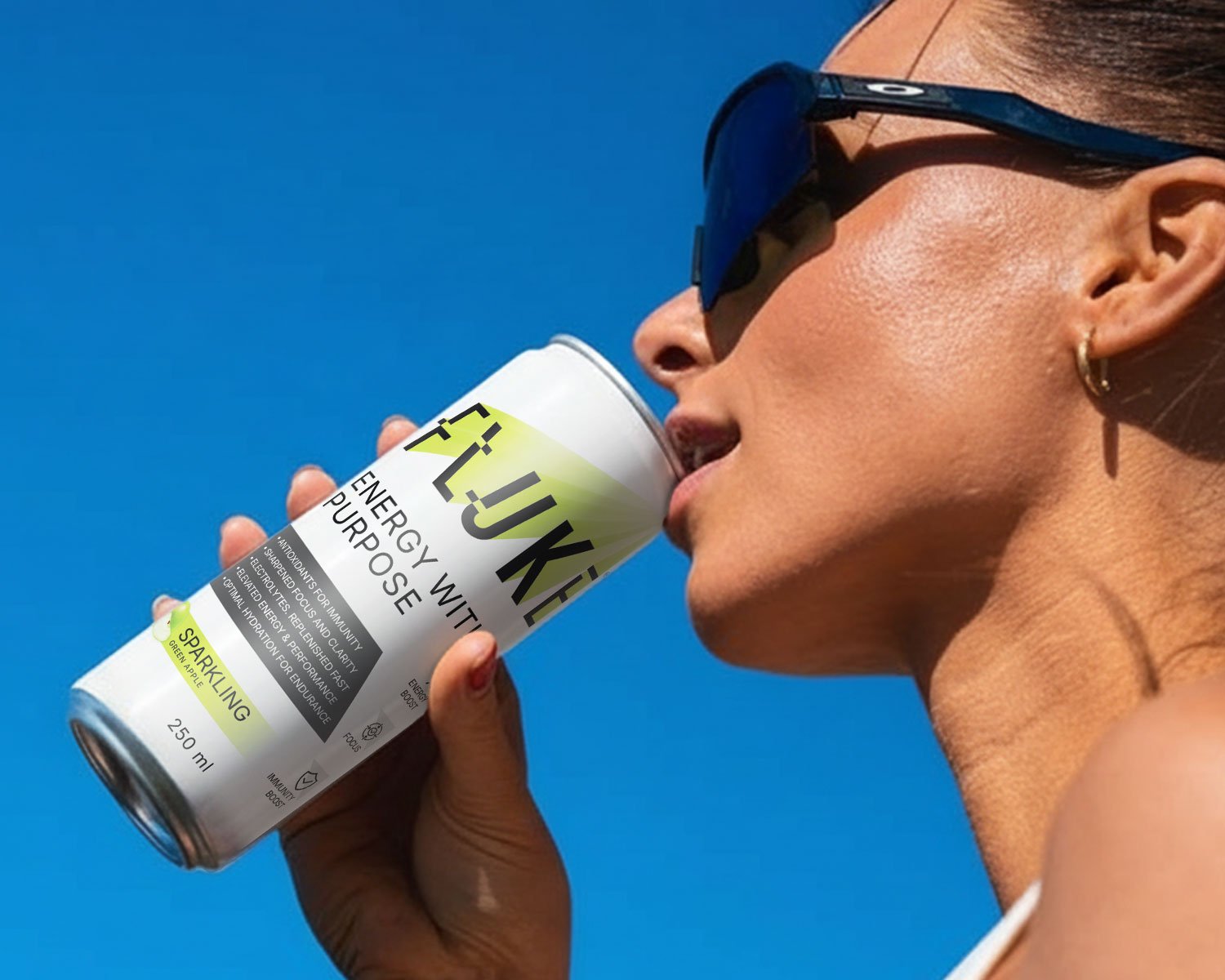
Fluke changed how people see energy drinks: clean, tasty, and functional. It quickly became a favorite for those who want real energy without the crash.
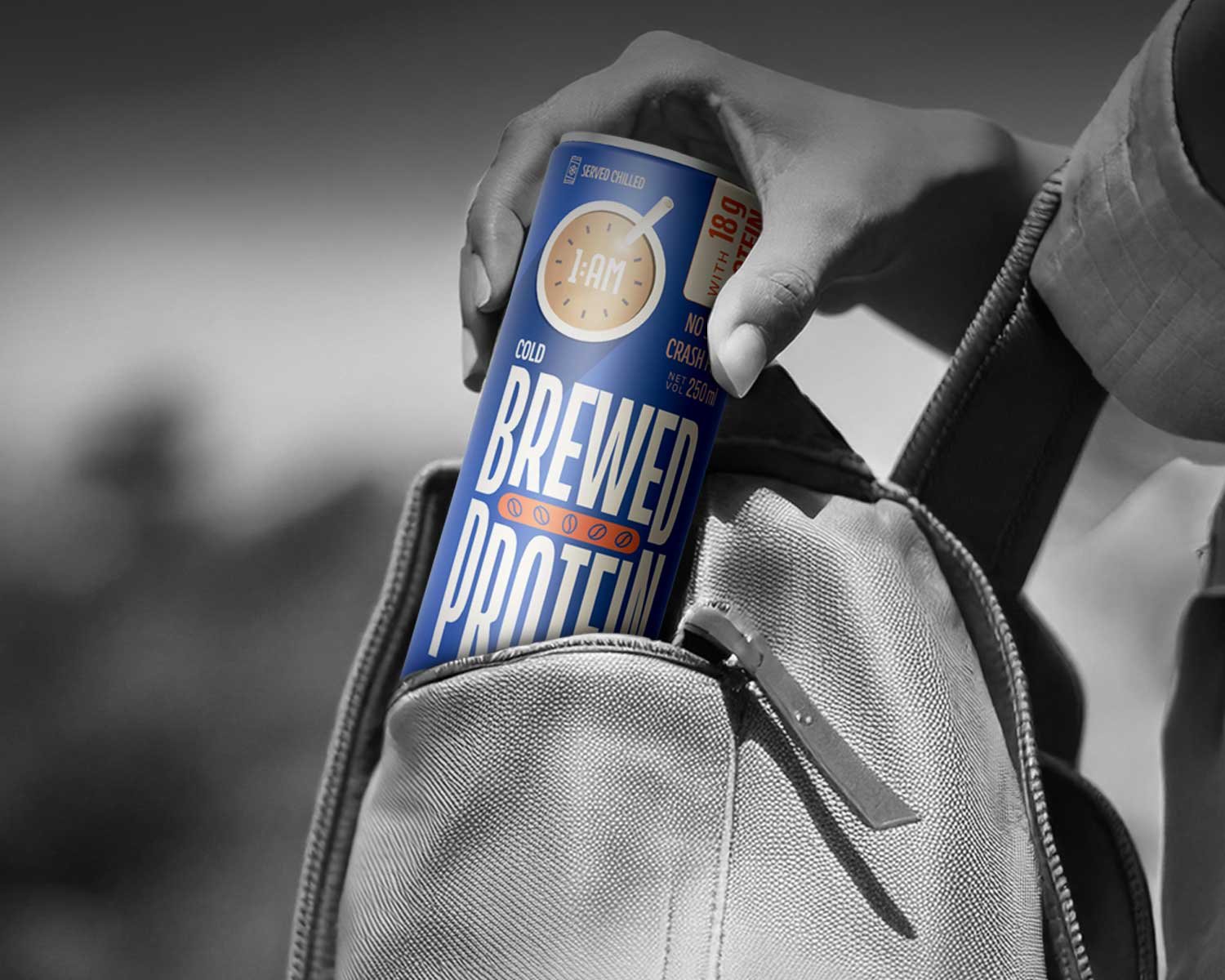
1 AM shook up the market with its lactose-free, protein-packed cold coffee, giving coffee lovers a smooth, healthy boost without the guilt or discomfort.
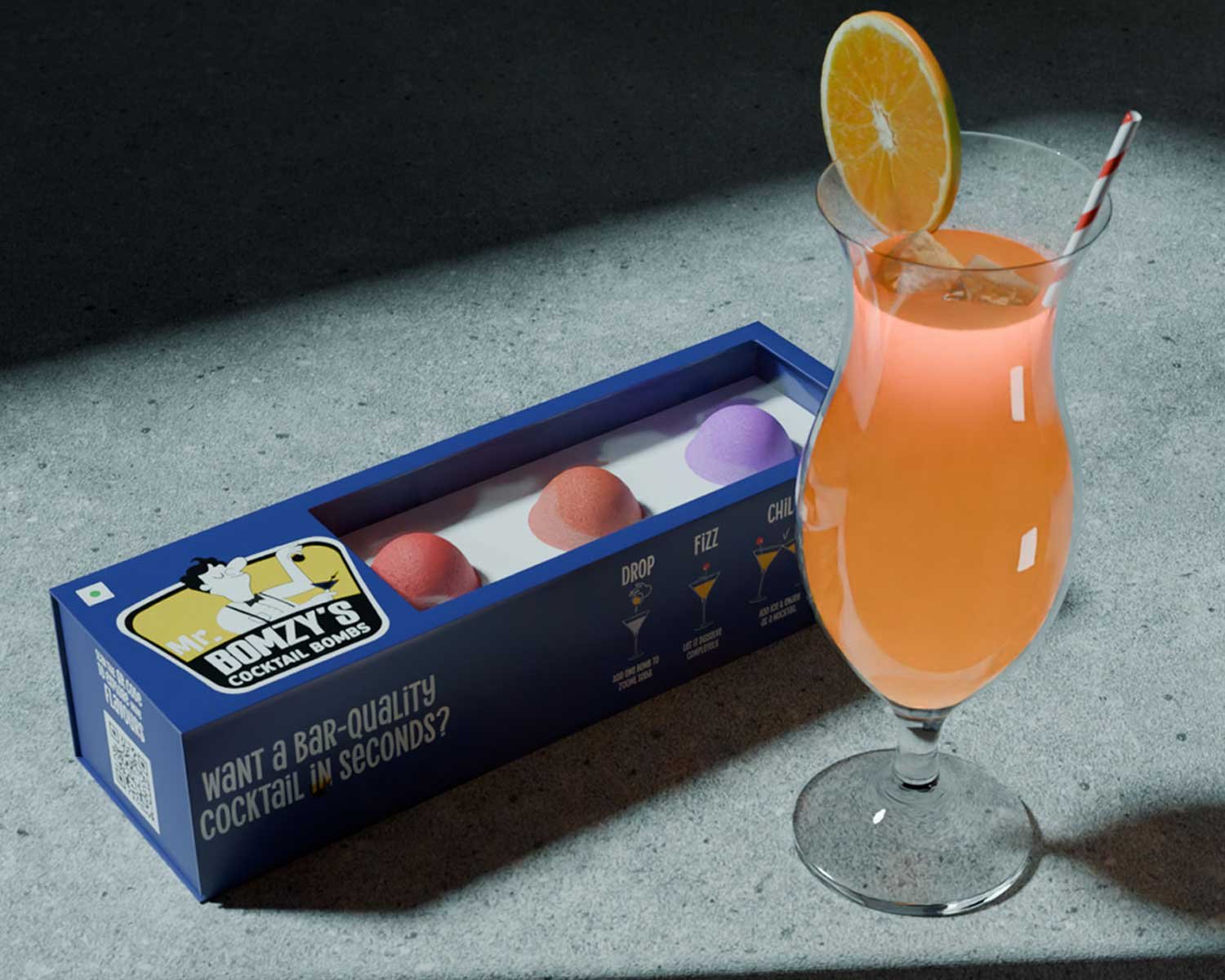
Mr. Bomzy changed the game for home mixology in India with innovative Cocktail Bombs to make premium, crafted cocktails using top-shelf quality spirits easy, affordable, and fun for celebrations.
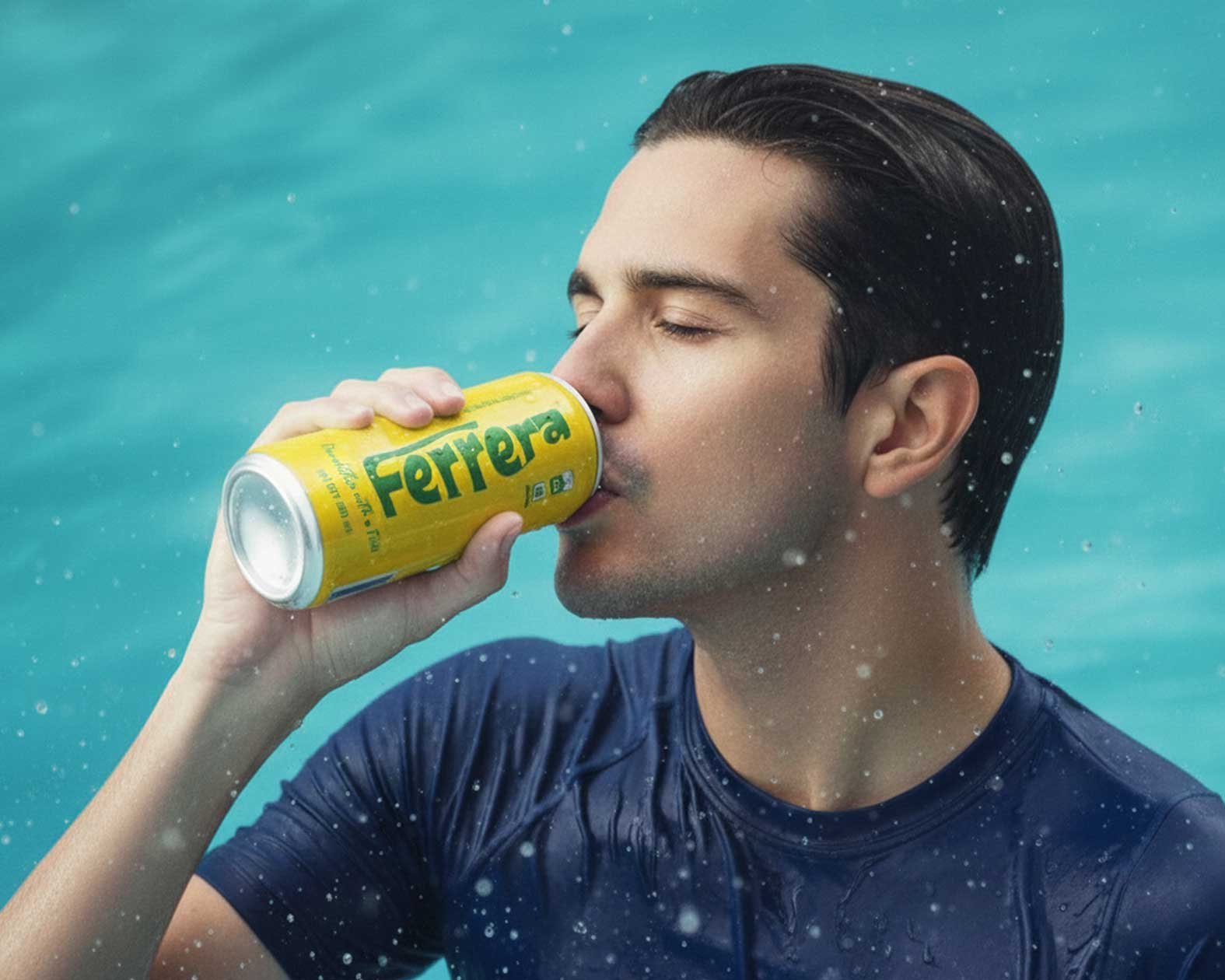
Ferrera expanded its reach by providing pure, vibrant flavors and a trendy, youth-driven branding, thus a mere fizzy drink was turned into a refreshing, health-leaning choice for the daily consumers.
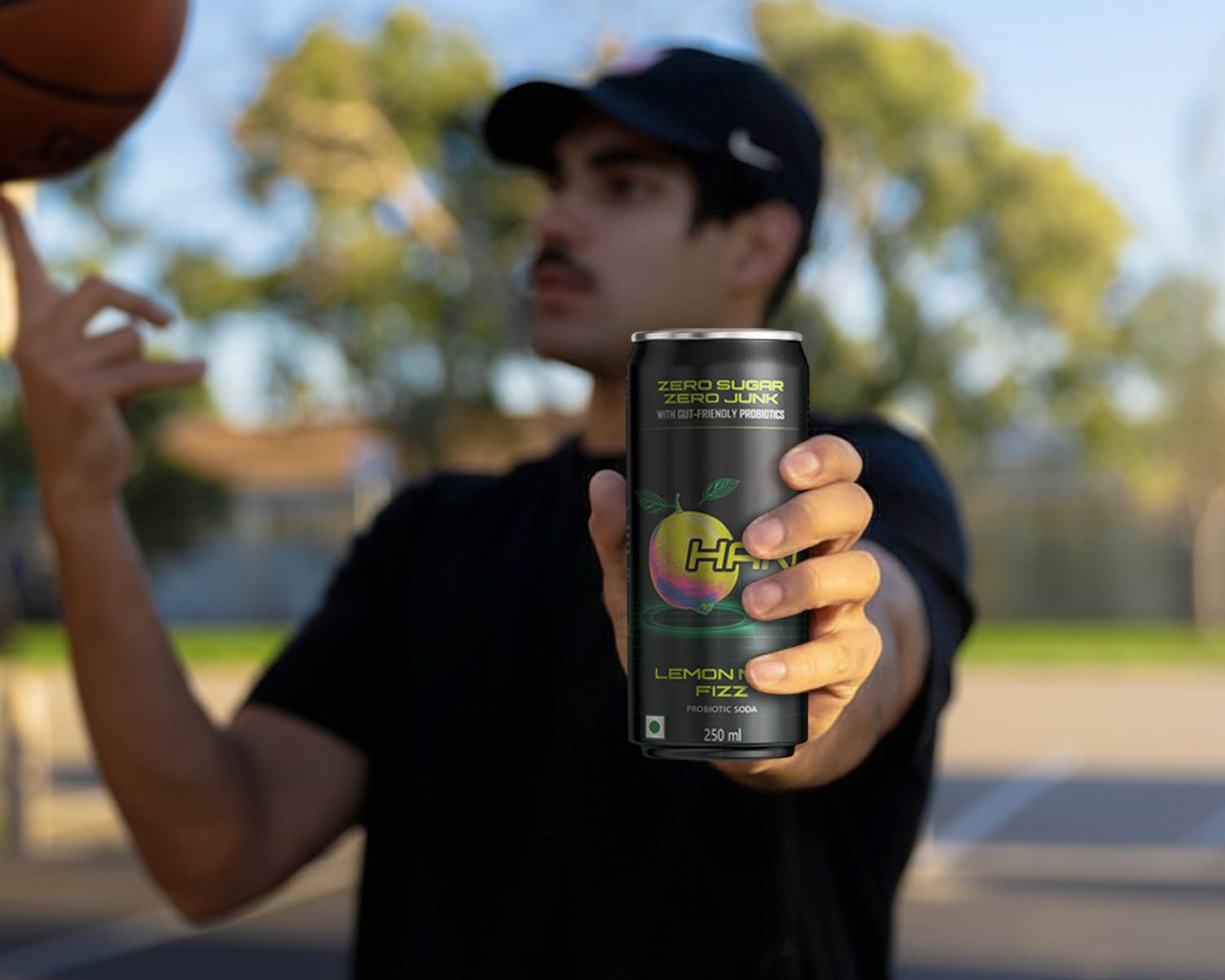
Haki combined probiotics with enjoyable fizz, thus educating the consumers through the wellness communities and quickly becoming trusted as a delicious, functional soda alternative.
Flipkart elevated the popularity of banana chips through excellent marketplace visibility, consistent quality, and customer trust, thus making them the most frequently chosen crunchy, everyday snack.
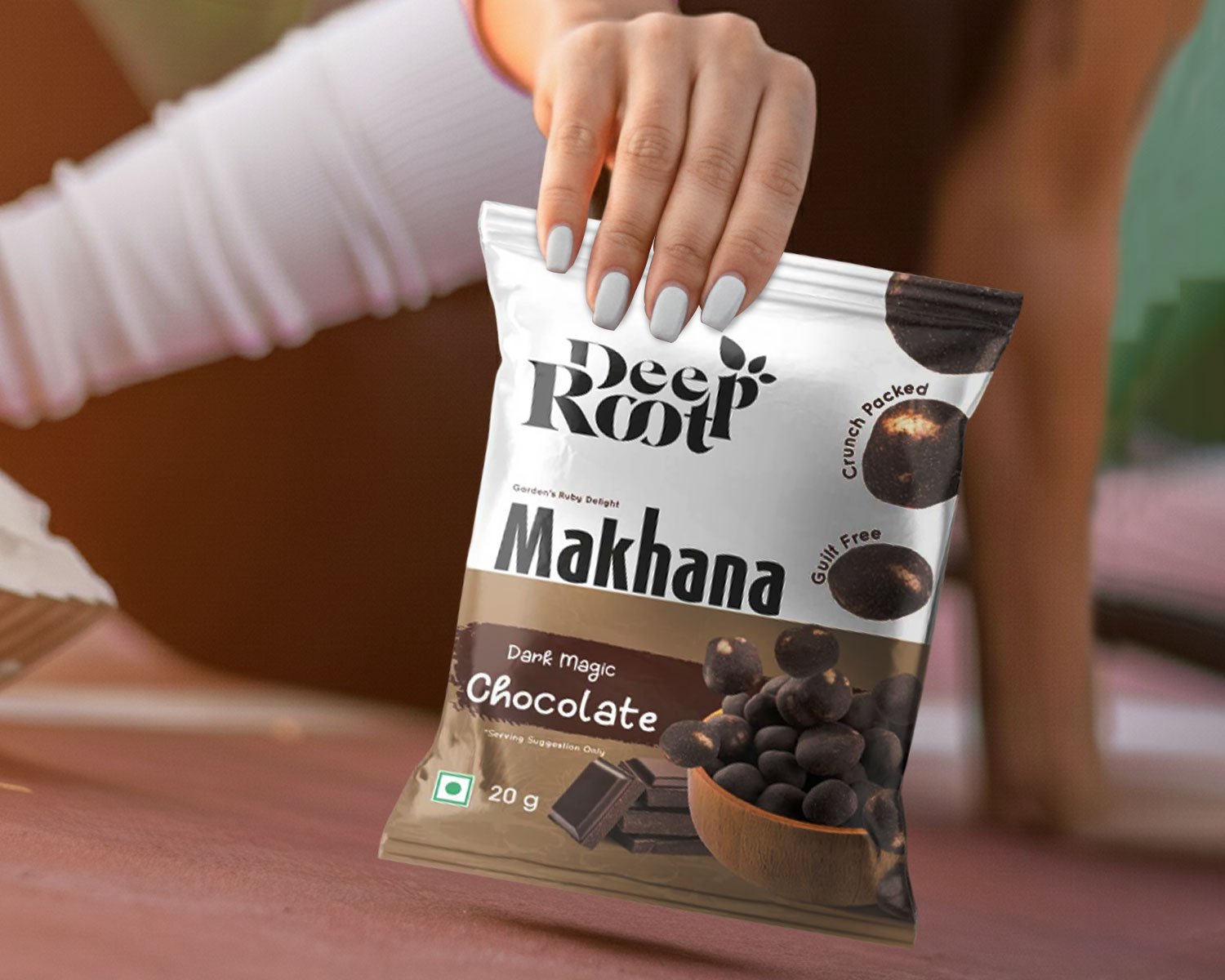
Deeproot transformed the traditional makhana by adding protein and chocolate, thereby attracting the fitness-conscious consumers who are looking for clean, tasty, and guilt-free snacking.
Lab To Pilot To Scale - One Roof Model
Green Horn has emerged as a new favorite energy drink among younger consumers, combining bold flavor with great performance, and has created an identified brand presence and customer loyalty across India.
Stroom Protein Bar is a healthy snack brand focused on natural ingredients, great taste, and energy for active people. It promotes fitness, balance, and everyday strength.
Wlue's has transformed healthy snacking in India by creating a trendy superfood out of fox nuts, through innovation, strong branding, and presence across retail locations nationally.
Smart Caffeine offers quick, clean energy through easy-to-use powder sachets. It helps people stay alert, focused, and active without the crash of regular caffeinated drinks.
The Bobalist set itself as the first bottled popping boba drink in India, creating a disruptive product in the marketplace through innovation, bright and vibrant colors.
Fluke changed how people see energy drinks: clean, tasty, and functional. It quickly became a favorite for those who want real energy without the crash.
1 AM shook up the market with its lactose-free, protein-packed cold coffee, giving coffee lovers a smooth, healthy boost without the guilt or discomfort.
Mr. Bomzy changed the game for home mixology in India with innovative Cocktail Bombs to make premium, crafted cocktails using top-shelf quality spirits easy, affordable, and fun for celebrations.
Ferrera expanded its reach by providing pure, vibrant flavors and a trendy, youth-driven branding, thus a mere fizzy drink was turned into a refreshing, health-leaning choice for the daily consumers.
Haki combined probiotics with enjoyable fizz, thus educating the consumers through the wellness communities and quickly becoming trusted as a delicious, functional soda alternative.
Flipkart elevated the popularity of banana chips through excellent marketplace visibility, consistent quality, and customer trust, thus making them the most frequently chosen crunchy, everyday snack.
Deeproot transformed the traditional makhana by adding protein and chocolate, thereby attracting the fitness-conscious consumers who are looking for clean, tasty, and guilt-free snacking.

It means that the production of non-dairy milk derivative based on factory-processed components that provide the texture, taste, and shelf life of the oat milk.
To give oat milk the correct smooth texture and a natural sweetness without becoming too thick, oats have to be enzyme-processed and carefully controlled in terms of solids available to oats, so that a good oat milk is achieved.
By using optimal emulsification systems, homogenisation and stabiliser systems specific to the oat formula.
Indeed, the introduction of fibre and functional ingredients is possible with references to the principles of the formation of gut health beverages.
To ensure the successful design of the oat milk recipe and launch it in the market, Foodsure would design formulations, perform pilot validation, stability testing, and hand over the manufacturing.
Stroom’s protein bar was formulated, piloted, and scaled by Foodsure along with a complete machinery setup, enabling a Shark Tank-ready brand built on strong innovation, manufacturing , and commercial confidence for nationwide growth.
Vold’s energy drink was developed and industrialised by Foodsure, including complete machinery setup, positioning the brand for Shark Tank with a strong formulation foundation, scalable manufacturing, and clear commercial readiness.