R&D is not clearly understood in the beverage industry.
It is viewed as an unavoidable cost to be minimised, hastened upon or left to be corrected later when branding and demand become a real issue for many founders. However, successful beverage brands view the importance of beverage R&D strategy in a much different way.
They think of beverage R&D strategy as an engine of decision making, the one that determines scalability, a stable margin, regulatory security, and ROI on long-term innovation.
This difference in mentality is the reason why a brand can increase in size very easily, and others fail during the rebranding, recall or stealthy retreat stage.
not an experimentation cost. Strong formulation, early validation,
and scale thinking protect margins long before launch.
The Real Role of R&D in Beverage Brands
R&D is not just formulation.
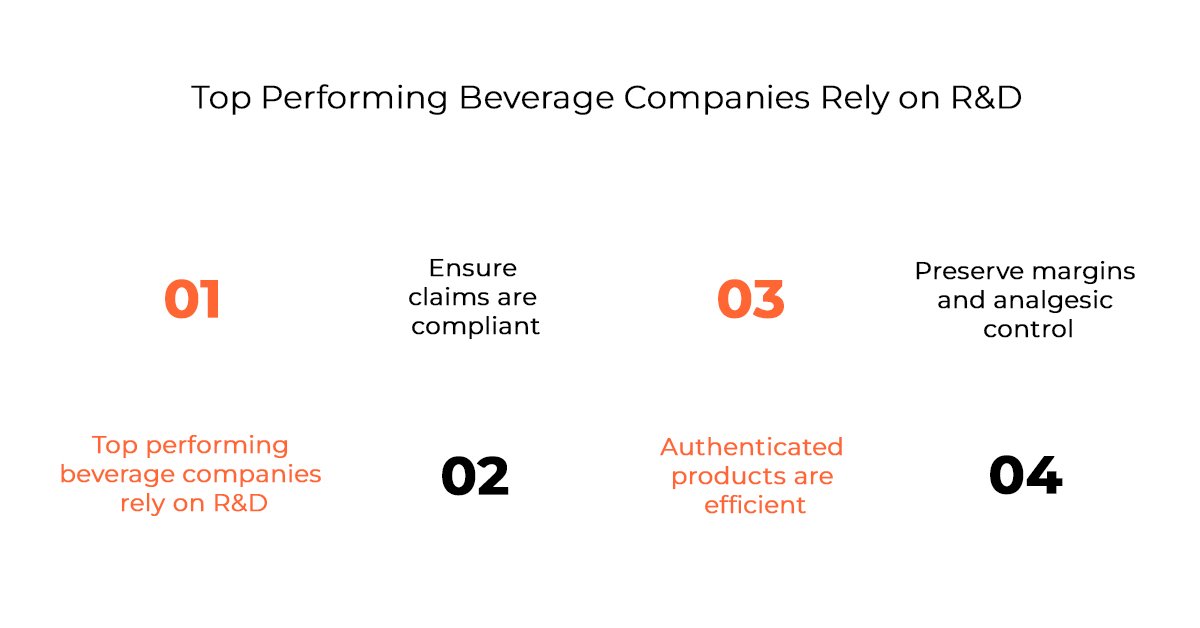
Top performing beverage companies rely on R&D to:
- Select which ideas to invest in.
- Ensure claims are compliant
- Authenticated products are efficient.
- Preserve margins and analgesic control.
Any underinvested brands pay up in the future in the number of reformulations that they have to redo, fixes in manufacturing, and distribution delays.
Why R&D Feels Like a Cost
The cost of R&D appears costly since success is not evident. Nothing falls apart when it is done right.
Not maintaining a beverage R&D strategy is just the same as the shortcut to building a structure: It can be ten months before structural deficiencies emerge when the structure is put to the test.
What Beverage R&D Strategy Actually Does
A firm beverage R&D strategy concentrates on:
- Preliminary viability analysis
- Interaction with ingredients mapping
- Planning shelf-life and sensory drift
- Production and process congruency
- Checks cost, compliance and margin.
This makes R&D an instrument of profit protection and expansion.
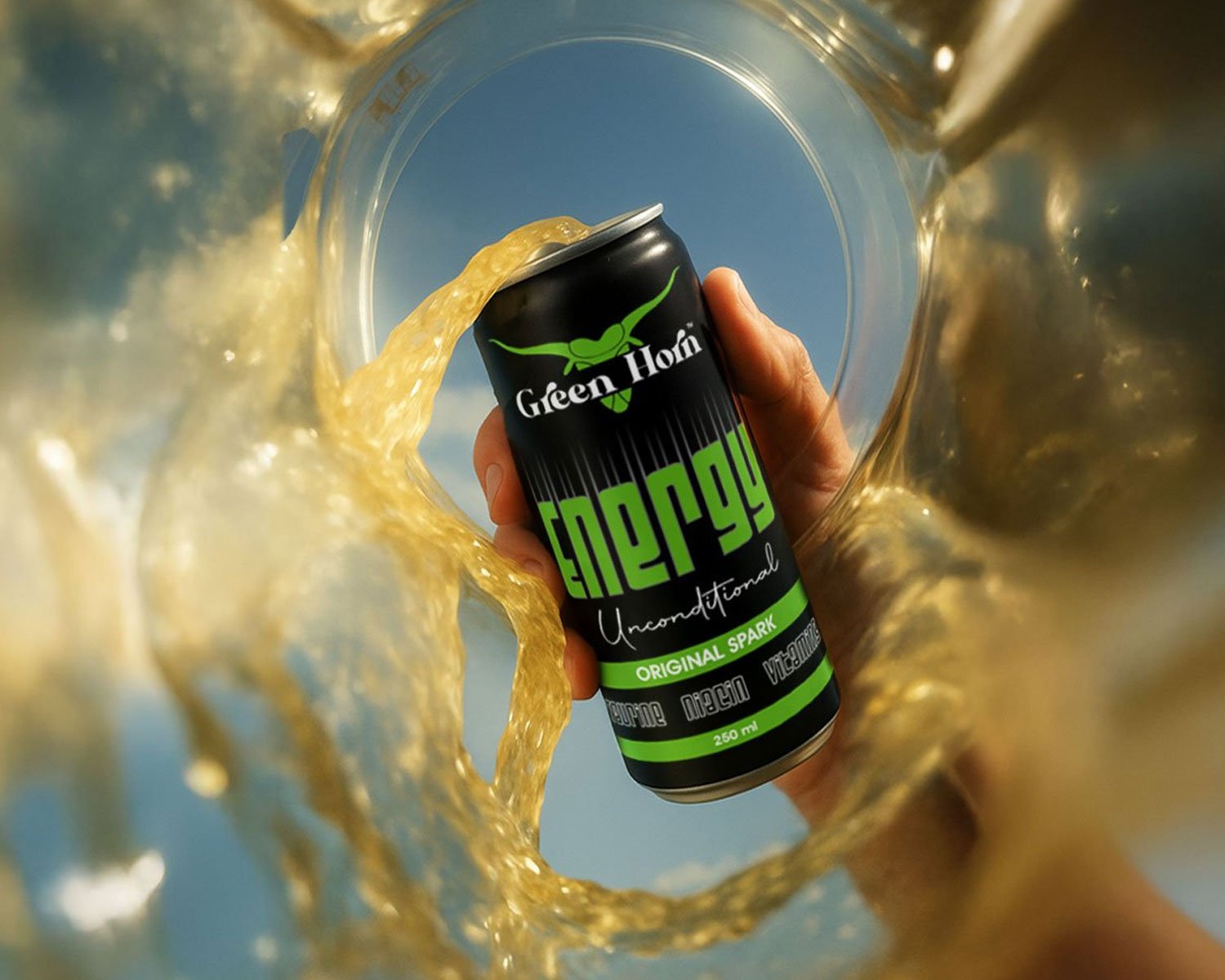
Case Study: Functional Energy Drink
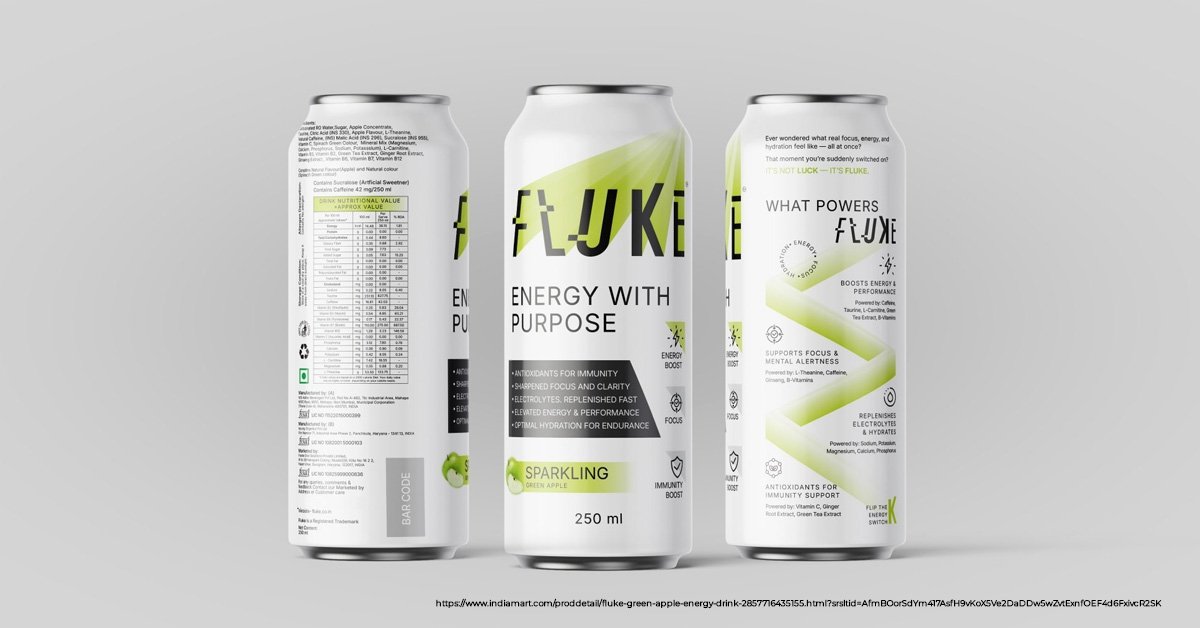
Category: Energy Beverage
Goal: Introduce a ready, functioning, scalable product with functional advantages.
Actions Taken:
- Coherent choice of ingredients in accordance with regulations
- Strategic taste masking to keep the consumers on board
- Sustained functional performance and economics at commercial scale
Outcome:
- Shelf life preservation of flavour.
- Claims were fully compliant
- Margins covered by the foreseeable cost framework.
The product launch was successful with very few fixes after launch.
Learning:
Beverage R&D strategy averts flavour flop, claim, and margin losses- transforming R&D investment into brand defence over time.
Founder Pain Points
- The high cost of reformulation post-launch
- Non-homogeneous batches in plants
- Shelf-life complaints
- Margins are falling during scale-up
- Challenging to warrant R&D expenditure
- Fatigue in team innovation.
Simple Explanation
Using R&D as an expenditure is a shortcut to not establishing the groundwork to save a coin. It might sound quicker now; however, on a large scale and complexity, the whole structure is put into danger.
R&D of strategic beverages guarantees stability, consistency and growth readiness on day one.
The ROI of Beverage R&D Investment
Strategic R&D pays off by:
- Minimisation of post-launch reformulation
- Avoiding scale-up delays
- Securing margins
- Empowering distributor and consumer confidence.
- Preservation of long-term brand equity.
R&D is a cost that is used by brands again and again. R&D is a strategy and used once, and that is scaled with confidence.
Foodsure’s Role
Beverage R&D acts as a decision-making tool at Foodsure, and not formulation. Each project is evaluated to:
- Identify hidden risks
- Ensures regulatory and commercial compliance
- Optimise functional performance
- Maximise beverage innovation ROI
The strategy makes certain that founders are not making assumptions when investing.
Related Blogs for Beverage Founders
- Beverage Pilot Trial Cost
- Beverage Formulation Cost
- Beverage Scale-Up Failure
- Beverage Launch Risk
- Beverage Brand Longevity
Founder Takeaway
R&D is not an expenditure; it is the support of the long-term victory of drinks.
Treat it as a strategy, and all other aspects of your brand, such as scaling up and going to market, naturally ensue.
Examine your beverage R&D approach and do not commit to either production or distribution. Taking a systematic analysis, you can see whether your existing strategy generates long-term benefit, cushion margins, and the highest innovation ROI. Early clarity saves time and removes unnecessary rewriting as well as unnecessary repairs that can be costly, and brings confidence and reliability to your brand as you enter the market.
margins, scalability, and long-term trust.
Structured R&D decisions today prevent expensive fixes tomorrow.
Frequently Asked Questions
What is a drink R&D strategy?
A systematic model to match formulation, scale-up and business objectives to long term brand success.
Why is R&D essential to beverage companies?
This is because product performance dictates shelf life, consistency and repurchase.
What is the benefit of R&D in enhancing the ROI of beverage innovation?
Minimised reformulations, scale-up inefficiencies and the launches.
Is the beverage R&D confined to new products?
No. It is essential in optimisation, extensions of the line, and scaling of the existing products.
Can R&D reduce costs long-term?
Yes. Strategic R&D eliminates likely repetitions of mistakes and surprises after the launch.
The reasons not to invest heavily in R&D?
Due to delayed and invisible returns compared to marketing.
Strong R&D good to ensure success?
No, but feeble R&D nearly is the surest failure.