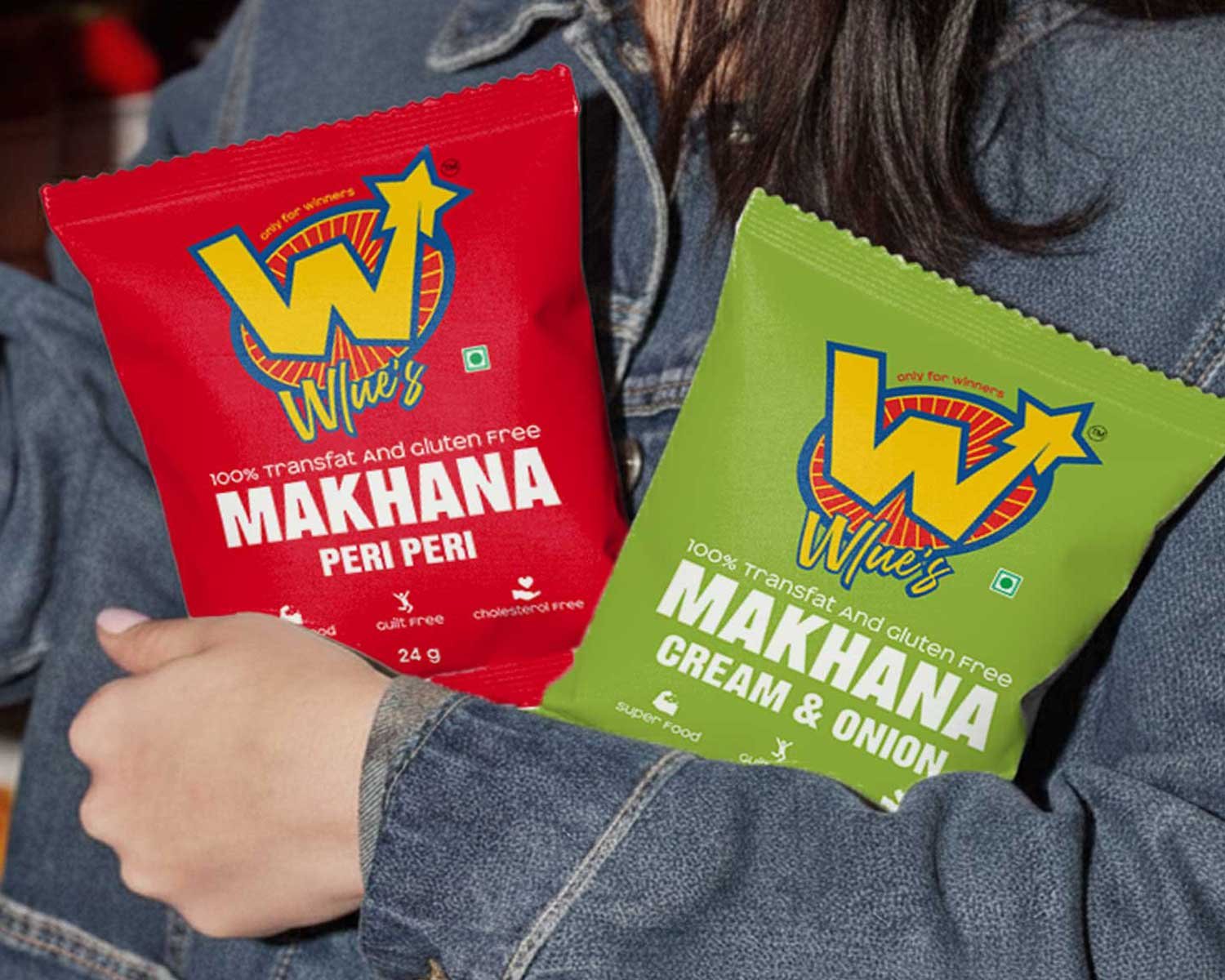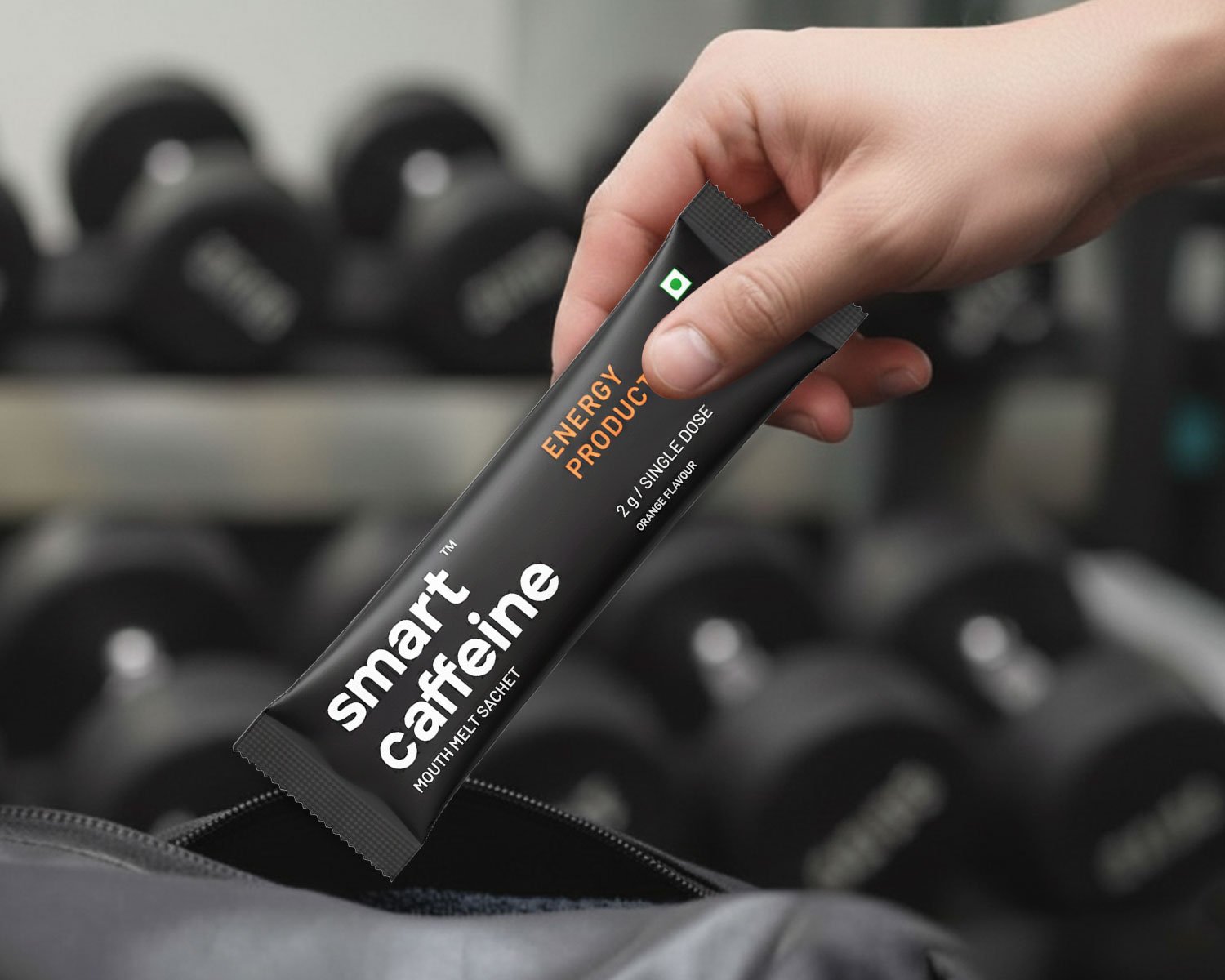
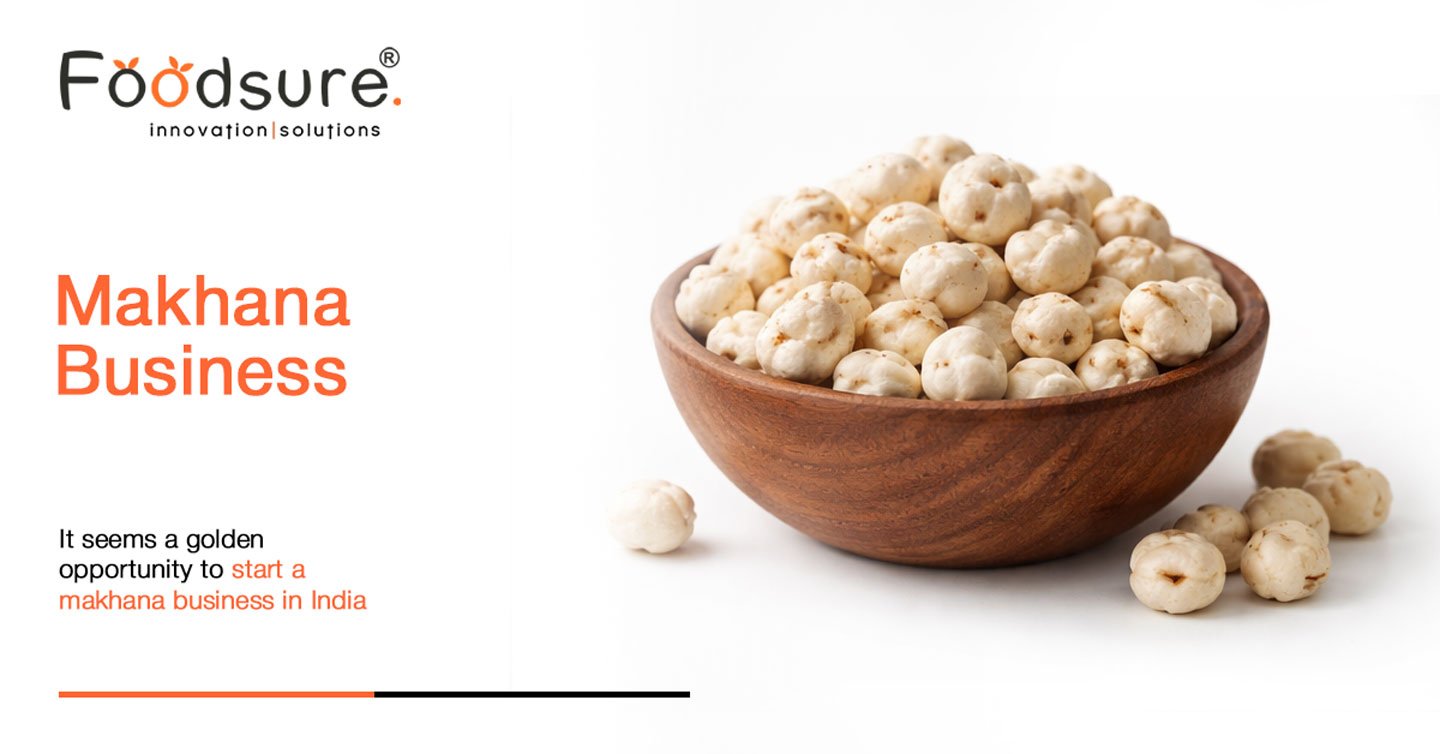
It seems a golden opportunity to start a makhana business in India – the demand for fox nuts (makhana) increased by 300% since the pandemic, as health-conscious millennials seek to find protein-enriched, gluten-free food. Your dream may be to make the fox nut fields in Bihar a successful business as an SME founder.
But the fears are invading: “What if regulations are harsh on me? What do I need to come up with when formulating flavours that sell?”
This guide is an appeal to your mental-validation-seeking but overloaded mind, breaking down the phases, actual problems, tested solutions, and advantages.
START A Profitable MAKHANA BUSINESS in 90 Days
Launch a Winning Makhana Business With Us
Foodsure helps entrepreneurs launch profitable makhana businesses from sourcing and FSSAI compliance to branding and pilot manufacturing — so your venture is market-ready in 4 to 8 weeks.
Why Start a Makhana Business? Massive Benefits for SME Founders
Makhana is not a snack, but it is a superfood revolution. It is roasted or flavoured, exploiting the ₹50, 000 crore market in the Indian market of healthy snacking, which is increasing at 15% CAGR.
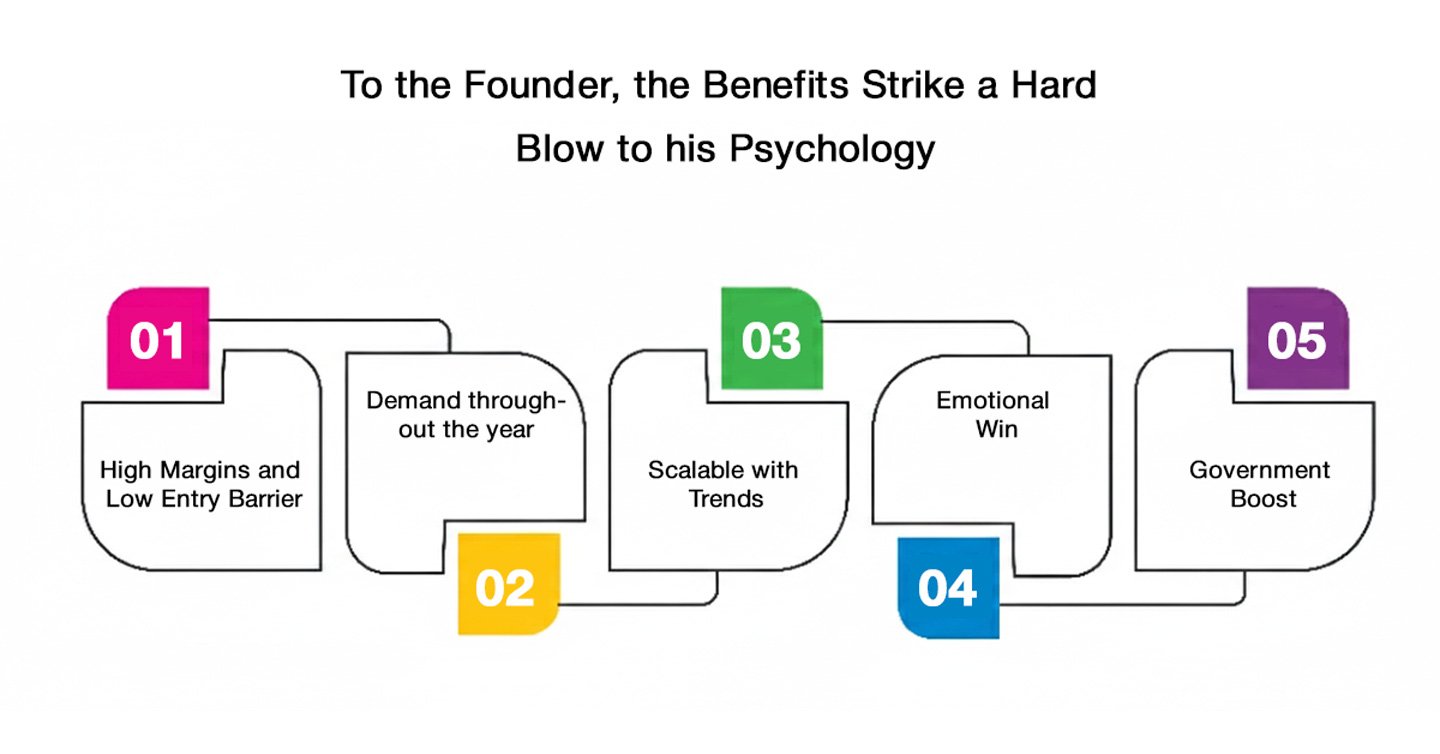
To the founder, the benefits strike a hard blow to his psychology:
- High Margins and Low Entry Barrier: Get raw makhana at 200300/kg, Bihar; pack flavoured at 8001200/kg. 40-60% after costs.
- Demand throughout the year: Keto, vegan, diabetic-friendly, best fit e-commerce (Amazon, Flipkart) and US/EU exports.
- Scalable with Trends: Customise through growth in food products, protein enhancement or masala-twists on urban gym-goers.
- Government Boost: Makhana Board, Bihar, introduces subsidies; FSSAI expedites MSMEs.
- Emotional Win: According to industry surveys, Founders report 70% satisfaction in creating a brand that is considered healthy in India.
However, 80% of starters do not make it through the first year because they have not planned well. That shall be corrected according to the POV of an SME founder.
Stage 1: Validate Your Idea and Overcome Mindset Blocks
Problem: “Is there actual demand? What if I invest ₹5-10 lakh and flop?” The fear of sunk costs paralyses 60% of aspiring founders.
Solution:
- Start lean and poll 100 locals in Instagram polls: “Makhana flavoured how?
- Check Google Trends, the keywords were makhana benefits, and they increased by 150% in a year 2025.
- MVPs test: Roast 10kg at home, sell on WhatsApp groups.
- Budget: ₹20,000
Stage 2: Sourcing Raw Materials and Food Production Setup
Problem: Bihar suppliers ghost you; there is a range of quality, and the rejection rates are 20-30%. The cost of machinery ( 10-50 lakh) suffocates the process of scaling food production.
Solution:
- Certified by partners through APEDA or Bihar Makhana Mission- target organic at 350/kg.
- Rent out facilities: Begin with 100kg/day roasters ( 2 lakh through MSME loans).
- First: Get FSSAI basic registration ( 100/year, where turnover is less than 12 lakh).
First, outsource to concentrate on branding and discounted items
Stage 3: Master Food Formulation and Product Development
Problem: Bland makhana flops; DIY flavours do not pass the tests by the FSSAI. But “how do I come up with shelf-stable, delicious alternatives when there is no lab?”
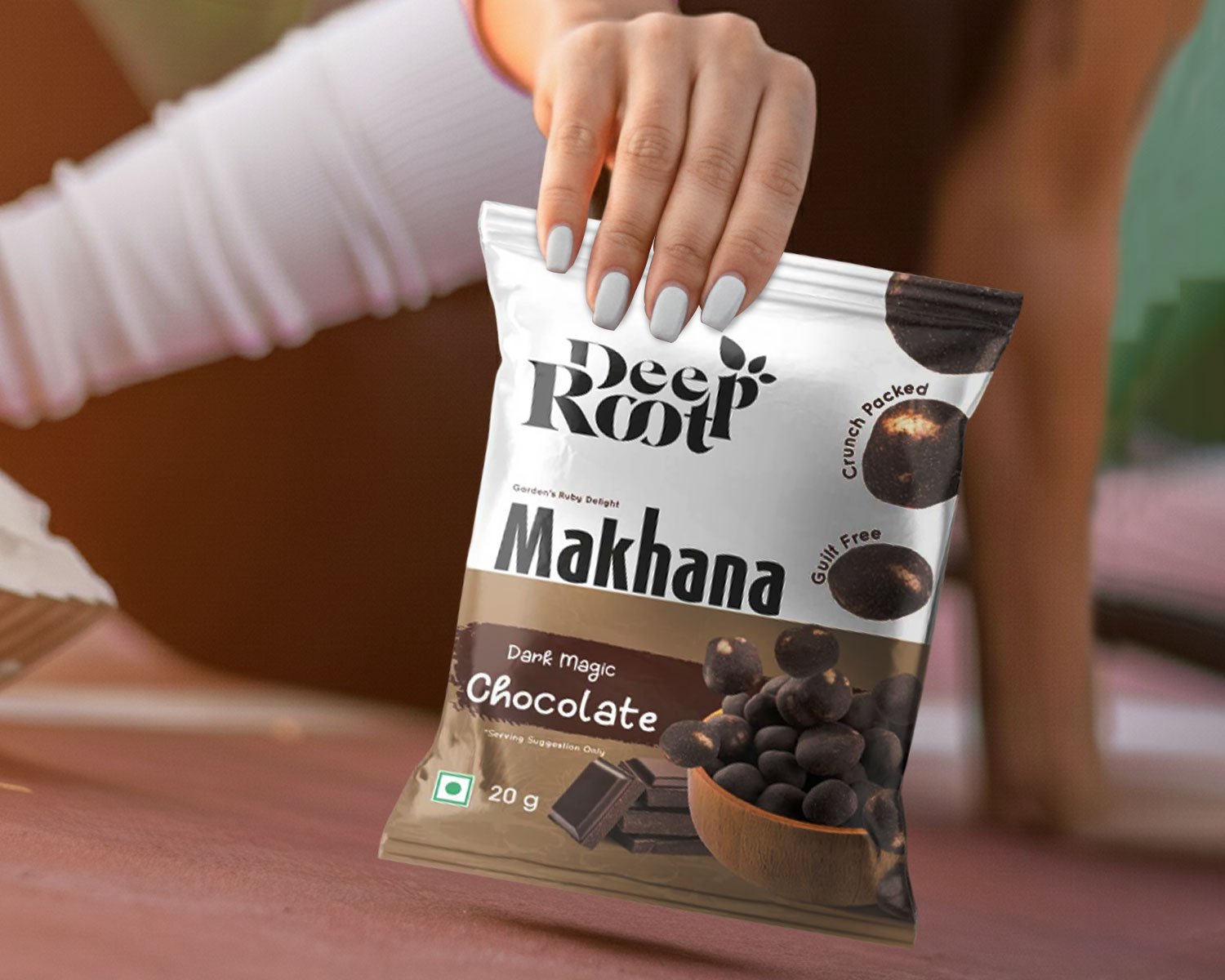
Solution: Food formulation comes in here. Create 5 SKUs: peri-peri, Himalayan salt, and chocolate-coated.
Key steps:
- Balance moisture less than 5% to ensure 6 month shelf life.
- Add natural flavours (no synthetics according to FSSAI).
- Nutritional labelling: 14g protein/100g.
Engage a food consultant at the earliest stage so that it does not have to be trial and error, which costs 1-2 lakh.
Foodsure’s role: At Foodsure, we deal with flawless makhana business formulation. FSSAI-compliant recipes developed by our R&D increase the taste by 30 per cent and the margins through cost-efficient ingredients. We have assisted over 50 other founders in rolling out ready-to-sell packs within 45 days, along with protein-enriched versions of fitness brands. No speculation, and just enter-and-go food product development.
Stage 4: Navigate Regulations and Packaging
Problem: Getting FSSAI approval takes time (3- 6 months), and a mistake in labelling can cost you hefty fines (2- 10 lakh). Packaging leaks can be the cause of a spoiled batch.
Solution:
- FoSTaC training (free online)
- Apply stand-up pouches that are nitrogen flushed (2, 5/pack).
- Use Biodegradable only as a point to attract Gen Z.
Put a budget of 50,000 for compliance consultants.
Stage 5: Marketing, Sales, and Scaling
Problem: I am unknown in the market, and the big players have already taken over the space. Inventory gets piled up.
Solution: Post Instagram Reels to B2B: Use LinkedIn. Set the price to be 150/50g packs. Expand through Amazon FBA after 1000 orders. Target to earn 5 lakh/month in 6 months.
Common Problems and SME Founder Solutions
| Problem | Founder Psychology Hit | Foodsure-Powered Fix |
|---|---|---|
| Inconsistent Roasting | “My batches taste off—return.” | Automated roasters combined with our formulation stabilise flavour. |
| FSSAI Rejections | “Bureaucracy nightmare.” | Pre-audit recipes and compliance support as your food consultant. |
| Low Shelf Appeal | “Looks homemade, sells slow.” | Custom food product development for premium-ready packaging. |
| Scaling Costs | “Cash crunch at 1,000 kg/month.” | Optimised food production processes reduce waste by up to 25%. |
| Competition | “Patanjali everywhere.” | Niche functional flavours (e.g., immunity-boost) through expert formulation. |
Client Success Story
Taali Brand: From Makhana Vision to ₹100 Cr Valuation
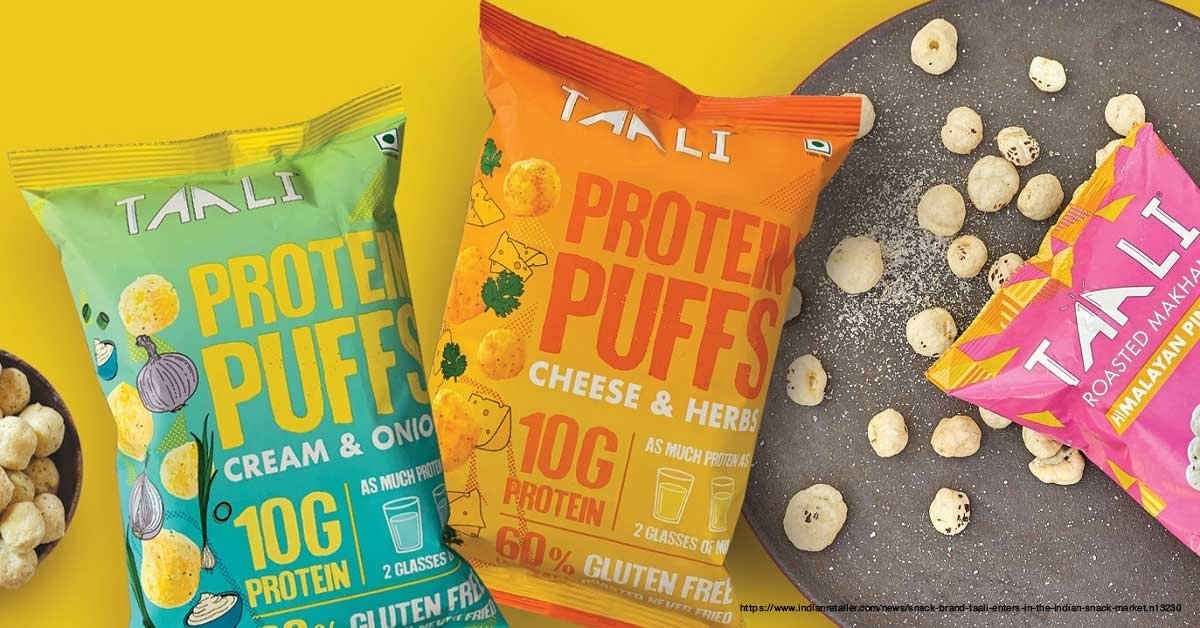
In 2019, Aarti Kochhar Kaji and Aditya Sameer Kaji, a husband and wife team and also Harvard Business School alumni, started Taali Food Brand to take the childhood memory of makhana and turn it into the brand High Five Snacking.
They took the fox nuts from Bihar and repackaged them as gluten, free, non, non-GMO, boldly flavoured water lily pops (such as peri, peri and cheese) and first launched the product in the US market in 2018 and India in 2022.
Problem: Being founders of SMEs, they had to deal with the inconsistent sourcing of Bihar, FSSAI/export compliance hurdles, and flavour innovation without having complete knowledge of food production, all issues that starters worry about.
They subcontracted food consultants to develop accurate food formulae (high, protein, low, cal, palm oil, free) that had now grown to 51, 200 employees and multi-crore revenues.
Today, Taali is a leader in e-commerce (taalifoods.in), modern trade, and exports, competing with Open Secret and serving millions.
Main point: Speciality food product development made 50% margins, international, and YC support. Taali proves that Indian founders can take their kitchen experiments to the 10 crore+ level.
Founder Takeaways: Your Makhana Mindset Shift
- Be OK with Failure: Small failure, quick learning, 90% of success is due to persistence.
- Employee Expert: Never commit to a single recipe; employ consultants for twice the speed.
- Think Bigger, Start Smaller: sourcing from Bihar + selling worldwide = quick wins.
- Sells: Health Halo: Positioning: The gift that Bihar gives to fitness India.
- Cash Flow King: 30% profits to formulation R&D.
You May Also Like: Real Food Case Studies
Ready to Launch Your Makhana Business?
Do not allow worries about formulations to delay your progress. Foodsure’s professional team can guide you through makhana business plan discussions, receive uniquely designed food formulations, FSSAI regulations, and supplier introductions.
Start a Profitable Makhana Business in 2026
Explore Product Development Services
Launch your profitable makhana business in 2026 with Foodsure’s expert guidance, compliance support, and approvals.
FAQs
How much would a makhana business require to invest in India?
₹5-20 lakh in small-scale: sourcing (₹2 lakh), machinery (5 lakh), packaging (1 lakh). Interest on scale of 8% on MSME loans.
Does it require the FSSAI license for makhana processing?
Yes, basic less than 12 lakh turnover (100/year); central bigger. Foodsure is approved in 45 days.
Where to find raw makhana to do business?
Bihar through APEDA portals or Makhana Board through Darbhanga/Katihar. Expect ₹250-400/kg organic.
What to add to makhana in order to commercially sell it?
Oil roasting + natural spices (peri-peri, cheese) business option; as well as collaborate with food consultants and shelf-stable food
formulation.
Margins in the makhana business?
40-60%, ₹300/kg cost sells at ₹900/kg retail. The development of food products is optimised at 70%.
Is it possible to begin a home-based makhana business?
Yes, at 100kg/month in basic FSSAI. Scale to commercial-scale food production.
Which is the way to export makhana in India?
Obtain APEDA certification, EU/US certification. Flavoured packets through food consultants will go at a 2x premium.