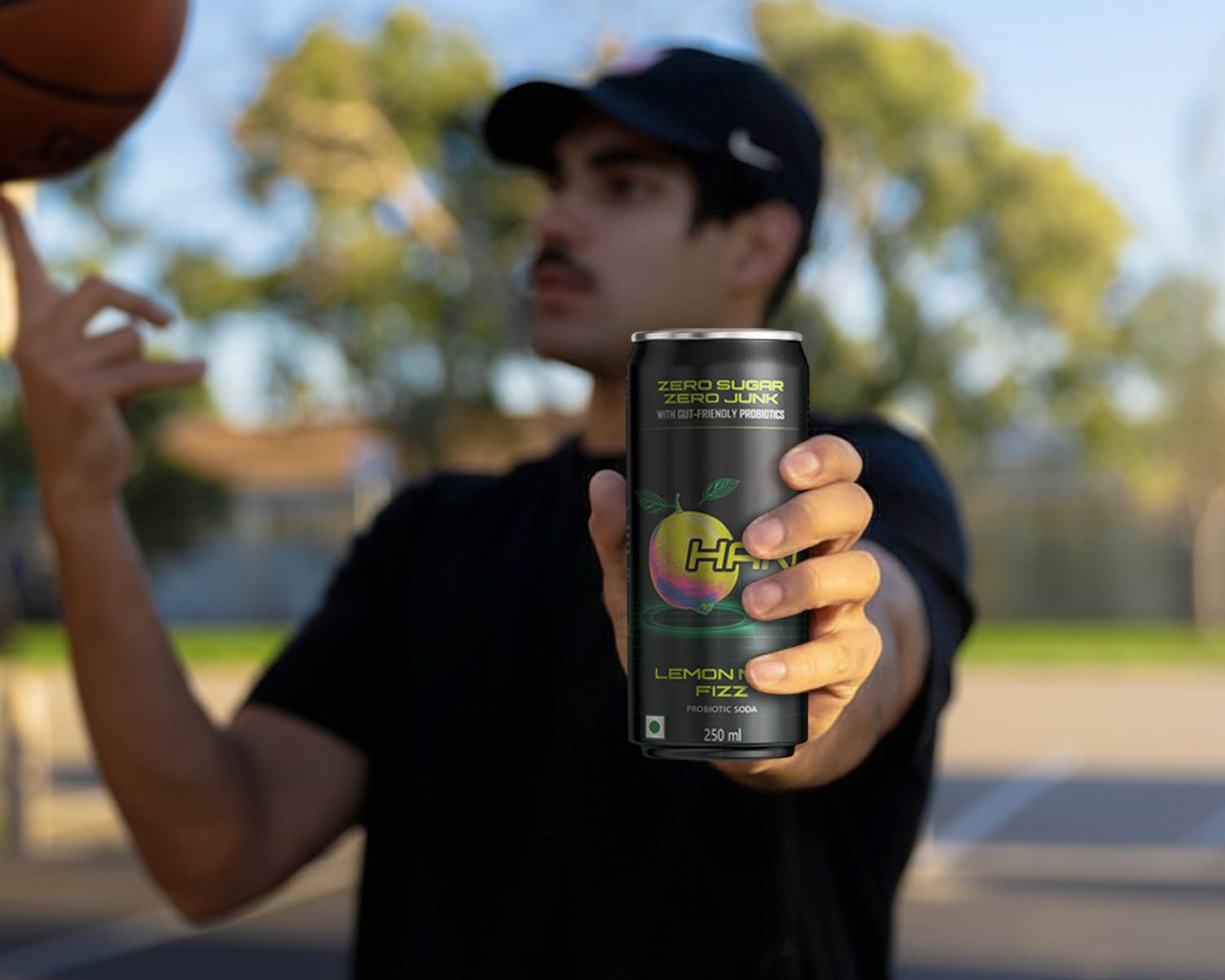
The consumption of gut health drinks in India has been increasing at a high rate since people now need functional drinks that provide real wellness benefits. The Indian consumer is also turning to probiotic beverages due to increased digestive issues that are brought about by stress in cities and processed food.
- Market Surge: As a report of IMARC Group has shown, probiotic drink development market in India was USD 6.9B in 2025 (CAGR 10.74% through 2034), whereas the probiotic market has reached INR 1,349M in 2024 (CAGR 16.67% through 2033) due to the desire of young people to have gut health drinks, which gained momentum during the rise of IBS and bloating incidents.
- Consumer Trust: According to the research by Walsh Medical Media (2017), 98 %of Indians have heard of probiotics, and 69.6 % of them perceive probiotics to be good microorganisms that they can buy in case doctors provide a recommendation. This observation is the best customer attraction point to come up with probiotic drinks.
The Real Problem in Probiotic Drink Development
The development of probiotics drink cannot be achieved by simply adding bacteria into juice, as it will need scientific knowledge to create probiotic drinks that will be able to meet the standards of the Indians in terms of healthy gut bacteria.
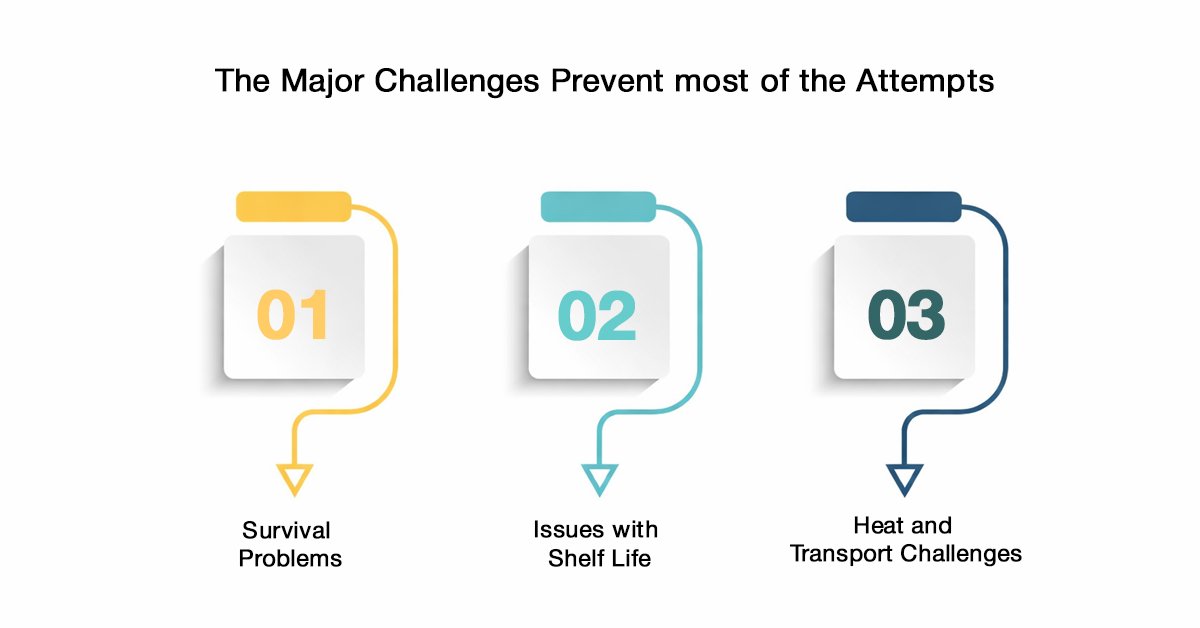
The major challenges prevent most of the attempts:
- Survival Problems: Probiotics such as Lactobacillus and Bifidobacterium will have to survive acid (pH 1.5-3.5) and bile salts; only 20-30% of non-resistant strains will make it to the gut, according to FSSAI viability criteria.
- Issues with Shelf Life: In India (the ambient conditions were 25-40 °C), microencapsulation was necessary to maintain viability 1-2 logs CFU/mL/week, and the required viability was 106 CFU/mL at expiry, which was not met.
- Heat and Transport Challenges: Over 60 °C temperatures cause the death of more than 90% of strains, and hence, processing at such temperatures is not possible.
Why do the majority of the Probiotic Beverages lose their power
Probiotics are live microorganisms that contain Lactobacillus and Bifidobacterium and must have a minimum of one million colony-forming units per millilitre to survive and effectively colonise your intestine with their health benefits.
The science of the losses is as follows:
- The probiotics are heat-sensitive: high temperatures of 40-50 °C kill them; 72 °C during pasteurisation kills 90-99% of the strain; proteins denature, andcell membranes break open.
- pH Sensitivity: They grow in pH 4-6 and die below 3.5 (stomach acid mimic) or above 7; fermentation causes acidic juices to acidify excessively without buffers.
- Presence of Oxygen: Aerobic environments produce harmful free radicals, which Bifidobacterium cannot survive without special protection; thus, anaerobic conditions are created, since half of the bacteria will be killed within a few weeks.
The demands of probiotic drink formulation require strict control, such as microencapsulation and aseptic filling, to defeat these killers.
NEED EXPERT GUIDANCE?
Discuss Your Beverage Concept with Our R&D Team
From formulation strategy to commercial feasibility, get clarity before you move to production.
What Founders Have Problems With in the Development
- Probability hitches occurred between the founders and the transformation of ideas of probiotic drinks into shelf-ready products.
- CFU crashes due to the number of CFU logs that fail to satisfy their respective expiration time, leading to FSSAI test failures and the live culture certification process.
- The flavour becomes sour and bitter due to the continued uncontrolled fermentation that takes place six weeks after bottling.
These kill 70% of launches.
The Development of Probiotic Drink: An Easy-To-Understand Explanation
These three essential components can be divided into three essential components.
- The Strain (Seeds): Select the Lactobacillus and Bifidobacterium as your needed seeds since the two types of bacteria survive the stomach acid and bile and offer real colony-forming units to healthy gut beverages.
- Beverage Base (Soil): The beverage base needs a light, low-acid soil that contains coconut water and low-sugar fruit juice with a pH of between 4 and 4.5 and plant milk, since these will not saturate seeds with acidic and sugary compounds, causing their death.
- Protection System (Shelter): The encapsulation system involves protecting seeds by microencapsulation concentrates composed of alginate or chitosan and an airtight opaque bottle, which blocks the heat and oxygen exposure to protect against the heat encountered on the trucks during transportation in India.
By doing these things properly, the functional drink will not lose its functionality until it gets to the refrigerator.
Step-by-Step Process: From Concept to Commercial Production
Probiotic drink development turns gut health ideas into stable products ready for manufacturing. The simple 7-step roadmap that India requires starts with concept development.
- Concept Development: You should select your ideal customer base, which consists of busy urban millennials who will respond to your product’s selling point, which delivers “10 billion good bacteria per sip”. The targets for our task require us to create a delicious flavour that remains edible for six months when stored at room temperature.
- Strain Selection: The test will evaluate 5 to 10 different bacterial strains. The test should find which strain survives stomach acid contact. We will select one or two strains that received FSSAI approval from India’s food authority.
- Beverage Base Design: The process starts by combining a soft base, which includes either coconut water or fruit puree that has a pH range of 4 to 45 and contains low sugar content. The system will introduce bacterial food through prebiotics.
- Stability Testing: The team will evaluate samples at three temperature conditions, which include refrigerator storage, room temperature and storage in a 40°C hot box. The team will monitor bacteria levels every month. The team will apply a protective coating when bacteria die too quickly.
- Sensory Trials: The team will organise blind taste testing with 50 participants. The participants will evaluate flavour, texture and aftertaste through a scoring system.
- Pilot Production: The team will produce a 500L test run, which will take place in clean tanks that do not use heat treatment for bacterial destruction. The team will evaluate the efficiency of the filling process through testing of bottles and labels.
- Commercial Manufacturing: The facility will expand its production capacity to exceed 10,000L. The laboratory results will be submitted to FSSAI for approval. The team will begin their distribution process after they establish proper storage methods.
What Actually Works in Commercial Probiotic Drink Development
Success in probiotic drink formulation in India hinges on proven strategies tailored to local climate and regulations, powering top functional drinks in probiotic beverage manufacturing in India.
| Challenge | Solution | India Win | Results |
| Heat kills bacteria | Spore probiotics (Bacillus coagulans) | Survives 80°C factory + 45°C trucks | 90% stay alive |
| Bacteria die before expiry | Pack 2x extra bacteria | Always hits 10^6 CFU/mL minimum | Passes FSSAI tests |
| Acid destroys strains | Alginate protective coating | Loses <0.5 million bacteria/month | 5x longer life |
| Oxygen kills in bottles | Nitrogen gas + dark bottles | Blocks 99% oxygen/light | 9 months room temp shelf |
| Bad aftertaste | Lock pH at 4.2-4.5 | No sour buildup | Tastes good (7+/10) |
| FSSAI approval fails | Hot testing (40°C, high humidity) | Proves claims for 6 months | Gets a license fast |
Regulatory Essentials for Probiotic Beverage Manufacturing in India
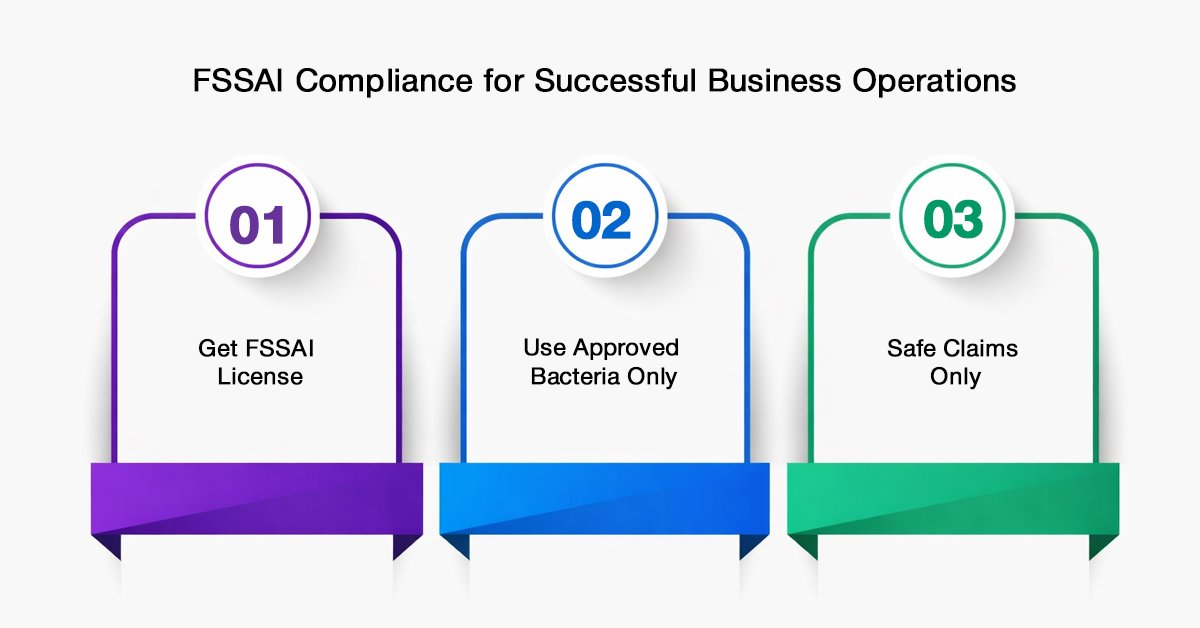
Probiotic beverage production in India needs FSSAI compliance for successful business operations.
- Get FSSAI License: Apply online (FoSCoS portal). Submit bacteria certificates plus a factory process map before making big batches.
- Use Approved Bacteria Only: Choose from the FSSAI safe list, which includes Bacillus coagulans, Lactobacillus casei and Bifidobacterium bifidum. No random strains.
- Safe Claims Only: The product contains live probiotics, and it helps digestion. The product should not claim to cure stomach pain or provide a 10x boost to immunity.
These mandate the provision of favourable legal and consumer trust for gut health drinks and are popular on online marketplaces across the globe.
How the Right Development Partner Reduces Risk
Founders face difficulties in developing stable probiotic beverages for the Indian market because they need to follow scientific standards while expanding their operations.
- The partners create recipes by selecting appropriate bacteria for testing with different liquids and establishing the correct pH levels. The company will produce initial testing bottles within one month.
- The company provides proof of product longevity through heat testing at 40°C for six months and uses protective coatings to ensure bacterial survival until product expiration.
- The company needs to locate hygienic production facilities that do not use thermal destruction methods, which standard juice processing plants implement.
The failure rate decreases from 70% to 20% because you concentrate on sales while they manage the scientific aspects.
Final Takeaway for Beverage Founders
Probiotic drinks require scientific research rather than combining taste elements. Get these 4 basics right from day one:
- Pick tough bacteria: Heat-proof types beat weak ones in India’s climate. Test stomach survival first.
- Shelf life > fancy launch: Dead bacteria by month 3 = no repeat customers. Aim for 9 months at room temperature.
Do these = win big in gut health drinks. Skip them = waste money on sugar water. Start with basic stability tests before expanding operations through intelligent scaling.
Probiotic drinks present challenges for specialists because their effects remain unclear, but FSSAI regulations can be met through proper product development.
Need support with:
- Picking the right bacteria
- Shelf life testing
- Factory setup
- India paperwork
We will discuss your problems to create simple solutions for you.
READY TO SCALE YOUR DRINK?
Launch a Market-Ready Beverage with Confidence
From carbonation optimisation and flavour balancing to shelf-life validation and FSSAI compliance, Foodsure supports complete beverage development and scale-up.
Explore More on Beverage Formulation & Manufacturing
FAQs
What is probiotic drink development?
Probiotic drink development is the work of designing a drink that has live beneficial bacteria and other stuff that can help gut health.
Why is probiotic drink formulation in India technically challenging?
India’s climate, shelf, and life requirements, along with regulatory norms, make maintaining the stability of a probiotic more challenging.
Do probiotic beverages need refrigeration?
No, not necessarily; one can produce shelf-stable probiotic beverages if probiotic strains used are heat-resistant or spore, forming.
What is CFU in probiotic drinks?
CFU (Colony Forming Units) is an indicator of the quantity of live probiotic bacteria present in the drink.
Carbonated functional drinks?
They can, to a certain degree, but only a few strains and formulating the drink in a way that the bacteria are protected can keep them alive.
Are probiotic foods labelled with FSSAI?
Yes, probiotic drinks have to be in line with FSSAI requirements, the strains used should be approved, and the labelling must be proper.
How long does commercial probiotic drink development take?
4 to 9 months is the duration within which commercial probiotic drink development is completed, with the variations caused by the formulations, stability testing, and manufacturing scale.