Nowadays, it is quite common for many people to suffer from constipation & bloating. One of the many ways to overcome such digestive problems is by including high fibre foods in your daily diet. Fibre, in addition to making your bowel movements regular, is extremely important for heart health, blood sugar control, wand eight management, and it is also associated with a lower risk of developing chronic diseases such as diabetes and colon cancer. FSSAI guidelines and various nutrition experts at the global level recommend that adults get 25-30 grams of fibre per day; however, the majority of Indians do not get enough fibre as their diets mostly consist of processed foods.
At Foodsure, we focus on developing nutrient-rich products that can help you to reach your daily fibre intake goal with ease. No matter whether you are a busy professional in Delhi or a family-oriented person in Mumbai, finding high fibre foods will definitely give you a new meaning to your health. This all-inclusive guide will not only take you through more than 15 super options from high fibre fruits and high fibre vegetables to grains, legumes, and beyond, but also provide you with handy tips, recipes, and serving sizes to make sure that you will use them without any hurdles.
You May Also Like: Best Selling Food Products
Why high fibre foods Matter for Your Health
Dietary fibre is present in two main types, one is soluble (which dissolves in water and forms a gel-like substance), and the other is insoluble (which adds bulk to stool). Soluble fibre, which is present in oats and apples, helps to reduce cholesterol and keep blood sugar levels stable. Insoluble fibre, which is richly present in whole grains and vegetable skins, helps digestion to be faster and also prevents constipation.
A study by the Indian Council of Medical Research (ICMR) points out that low-fibre diets are one of the reasons why obesity rates in India are increasing by over 30% among urban adults. Foods rich in fibre make you feel full, thus preventing you from eating too much; besides that, they nourish the gut microbiota for enhanced immunity. In addition to supporting immune function, these benefits also include bowel regulation and glycemic control for people with IBS or diabetes.
What if you began the morning with a fibre-rich smoothie instead of a refined roti, and maintained your energy level without a mid-morning slump? Ready to discover the top high fibre foods?
Top High Fibre Fruits to Boost Your Intake
Fruits are nature’s candy, loaded with vitamins, antioxidants, and fibre. Here’s a curated list of high-fibre fruits that are affordable and widely available in India:
|
Fruit |
Fibre per Piece/Cup | Top Perk |
Quick Eat Hack |
|
Guava |
1 medium: 5.4g | Tops apples; heart booster | Eat peel-on, fresh daily |
| Raspberries | 1 cup: 8g | Weight control champ |
Grab frozen for all seasons |
|
Pears |
1 medium: 5.5g | Digestion sidekick | Yogurt dip for snack |
| Apples | 1 medium w/skin: 4.4g | Cholesterol cutter |
Pick Kashmiri, crunch whole |
|
Bananas |
1 large: 3.1g | Gut health fuel | Post-gym grab-and-go |
| Oranges | 1 medium: 3.1g | Immunity kick |
Toss chunks in salad |
| Kiwi | 1 medium: 2.1g | Digestion enzyme power |
Order easily from apps |
These high fibre fruits average 3-8g per serving, making it easy to hit 10g from fruit alone daily.
Power-Packed High-Fibre Vegetables for Everyday Meals
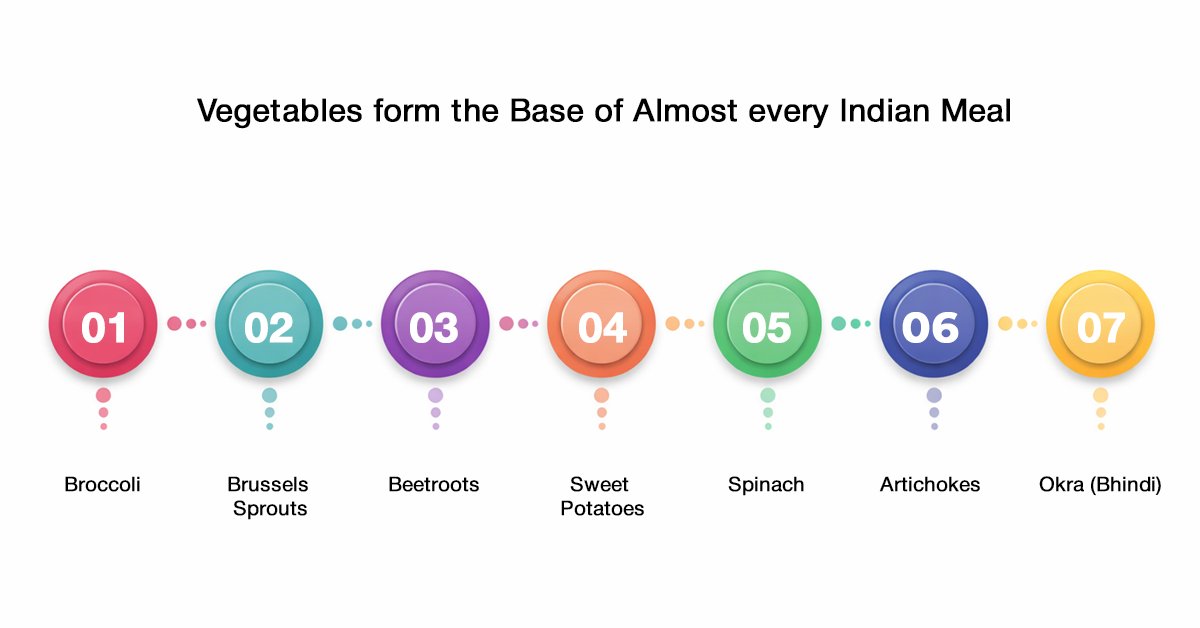
Vegetables form the base of almost every Indian meal, and a good number of them are naturally high in fibre. Eating a mix of high fibre vegetables in your sabzis, stir, fries, curries as well as salads can help you get rid of indigestion, maintain a healthy digestive system, and keep you energised for the whole day. Here is an updated list that you can very well use in your daily cooking:
Broccoli: It yields about 5g of fibre per serving when cooked. Besides, it has sulforaphane, which is an anti-inflammatory compound. Steaming it lightly helps to keep both the nutrients and the texture intact.
Brussels Sprouts: Give you 4g of fibre per serving and are also a good source of vitamin K. If you toss them in Indian spices before roasting, you will get a better flavour without losing the nutrients.
Sweet Potatoes:A medium-sized baked sweet potato has about 4g of fibre and it is also rich in beta, carotene. You can prepare them by baking, mashing or even chaat ,which is a really healthy option.
Carrots:
One raw serving contains around 3.6g of fibre. Besides beta carotene, they are a great source of insoluble fibre, thus helping digestion over the long run and good eye health. You can use them in salads, raita, or have them raw.
Beetroots: A serving of cooked beetroot gives you about 3.4g of fibre, and it is also a great source of folate. Beetroot is ideally used in sabzis, salads, or stuffed preparations.
Artichokes: A major source of fibre with about 10.3g per serving. Canned artichoke hearts are a quick and easy way to incorporate them in salads or grain bowls.
Spinach: Cooked spinach has about 4.3g of fibre per serving,g along with iron. Have it in palak paneer or simple sauteed dishes.
Okra (Bhindi): A cooked serving contains about 3.2g of fibre. The natural mucilage in okra is great for the digestive system. It is best if you go for a light stir-fry.
You should strive for 2- 3 cups of a variety of high-fibre vegetables daily to maintain digestion, detoxification, and keep your energy level stable throughout the day.
Grains and Legumes: The Fibre Foundation
Although vegetables are necessary, whole grains and legumes are equally crucial for getting enough fibre each day. They deliver the main part of the fibre, help to keep you feeling full for longer, and are good for your metabolic health overall.
Chia Seeds (2 tablespoons): Provide about 10g of fibre together with omega-3 fatty acids. Make a quick pudding by soaking them in water or milk.
Lentils (1 cup cooked): Give roughly 15.6g of fibre besides plant protein. A simple dal recipe makes them very easy to eat on a daily basis.
Black Beans (1 cup cooked): Provide around 15g of fibre and are high in antioxidants. Include them in your salads, wraps, or curries.
Quinoa (1 cup cooked): Has about 5g of fibre. This gluten-free pseudocereal can be used in place of rice in pulao or grain bowls.
Oats ( cup dry): They are a good source of dietary fibre (about 4g) and are a rich source of beta-glucans, which help in managing cholesterol. Overnight oats are a quick and easy breakfast to prepare.
Barley (1 cup cooked): This grain helps you to get 6g of fibre. Barley water is classically used for digestive health and weight control.
Brown Rice (1 cup cooked): Contains about 3.5g of fibre and also gives a more steady release of energy than white rice.
Adding the above vegetables, grains, and legumes to your meal plan can almost double your fibre intake, thus helping you to cover the common fibre deficit and ensuring a healthy, long life.
Nuts, Seeds, and Other high fibre foods for Snacking
For on-the-go nutrition, turn to these:
|
Easy High-Fibre Food |
Fiber Amount |
Super Simple Way to Eat It |
|
Almonds (handful, 1 oz) |
3.5g | Munch as trail mix snack |
|
Flaxseeds (2 tbsp) |
6g | Grind and mix in smoothie |
|
Popcorn (3 cups popped) |
3.5g | Spice lightly, skip the butter |
|
Avocado (half one) |
6.7g |
Mash on toast or in guacamole |
|
Coconut (1 oz dried) |
4.6g |
Add to laddoos or chutney |
| Edamame (1 cup beans) | 8g |
Boil and eat as a snack |
Snack smart to bridge fibre gaps effortlessly.
Delicious Indian Recipes with High Fibre Foods: Practicality is the key. Give these FSSAI-approved recipes, which combine high fibre foods with Indian cuisine, a try:
High Fibre Smoothie Bowl (Serves 2, ~12g fibre): Combine 1 guava, 1 banana, ½ cup raspberries, 2 tbsp chia seeds, and almond milk. Top with oats and almonds. Breakfast is ready in 5 minutes!
Fibre-Rich Dal Sabzi (Serves 4, ~20g fibre): Cook lentils with spinach, carrots, and okra. Add cumin for flavour. Serve with brown rice for a balanced meal.
Roasted Veggie Medley (~15g fibre): Combine broccoli, Brussels sprouts, sweet potatoes, and beets with olive oil and turmeric. Roast at 200°C for 25 minutes.
These recipes include seasonal and economical foods, as suggested by ICMR’s dietary guidelines.
Common Myths About high fibre foods Debunked
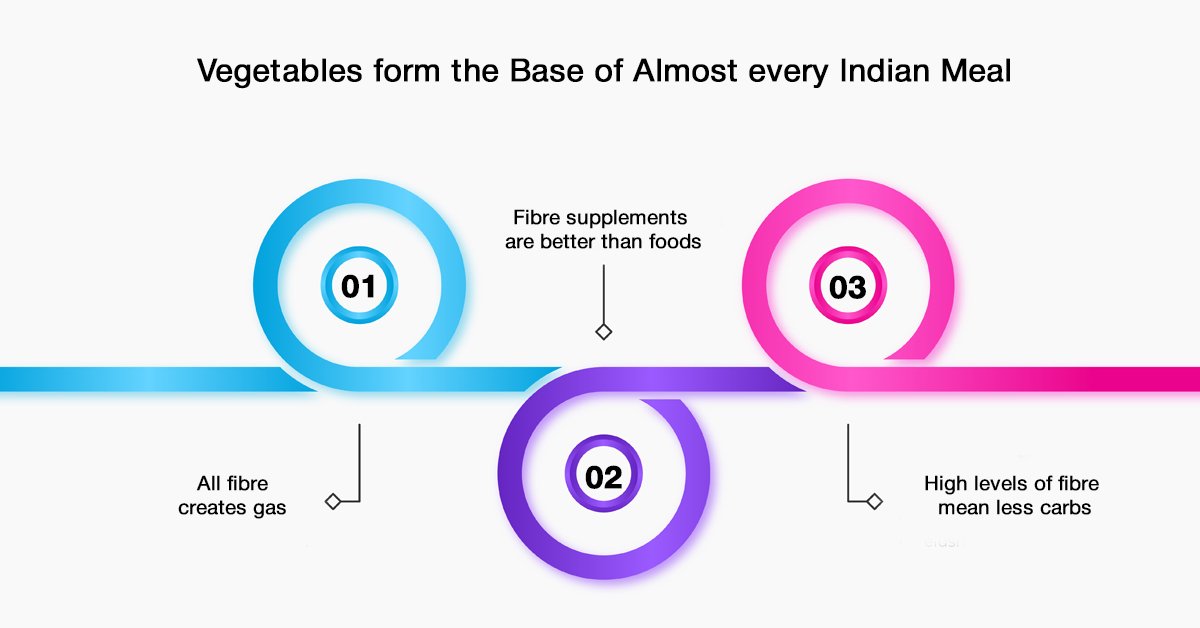
- Myth: All fibre creates gas. Fact: Drinking water and gradually increasing fibre will help reduce gas.
- Myth: Fibre supplements are better than foods. Fact: Whole foods with high levels of fibre also have other nutrients that complement each other.
- Myth: High levels of fibre mean less carbs. Fact: It’s not about the amount, but the quality; go for complex carbs.
Potential Challenges and Solutions
|
Challenge |
Solution |
|
Bloating |
Start slow; chew well |
|
Availability |
Shop local markets; freeze extras |
| Taste |
Experiment with spices like jeera |
| Time crunch |
Prep batches weekly |
Have you been having a hard time figuring out how to make high-fibre goods for your FMCG startup? Foodsure, We use the latest nutraceutical food innovations to develop shelf, stable, FSSAI, compliant blends such as fibre, enriched protein bars or ready, to, drink shakes specially designed for the Indian market, for example.
Besides that, our formulae help you avoid factory failures by improving solubility and taste, thus making your product launch successful.
Ready to elevate your product line with proven high fibre foods integration?
You May Also Like: Best Food Business Ideas
FAQs
How many grams of fibre should you have a day?
25, 30g for adults as per FSSAI.
Which is better, soluble or insoluble?
Both a varied intake is more beneficial.
Can a sudden increase in fibre cause problems?
Yes, a gradual increase along with water is advised.
Which fruits are best for people who have not eaten a lot of fruits?
Guava, pears, and apple’s, they are simple and local.