Today’s consumers demand celebration experiences that deliver superior taste, elegant packaging, and social approval, while remaining alcohol-free. The current cultural trend, which promotes moderation and wellness and conscious drinking practices, has resulted in substantial market growth for non-alcoholic beverages throughout India, which competes against traditional alcoholic drinks. The market leaders Coca-Cola, PepsiCo (Maaza), Parle Agro (Nimbooz), Paper Boat, and Dabur control the non-alcoholic beverage market through products that include carbonated colas, nourishing juices, ethnic drinks, and refreshing tonics.
The Gen Z sober-curious movement has created premium non-alcoholic trends, which include zero-proof spirits and botanically brewed sodas.
India’s non-alcoholic beverage market reached a value of USD 14.95 billion in 2024, which will expand at a CAGR of 7.36% through 2030 because domestic consumers increasingly demand functional and premium beverages.
Growth Challenges for Non Alcoholic Beverage Brands
Founders who enter the beverage market in India experience confusion, together with increased risks, because of essential industry deficiencies that exist in the market.
- The non-alcoholic market shows growth uncertainty because companies need to find their developing product segments, which include RTD teas, plant-based milks and energy drinks.
- The pricing issues focus on whether new brands can maintain their premium profit margins through creative product development against established competitors.
- The company develops methods to attract consumers who prefer healthy treats instead of alcoholic beverages.
- The process requires FSSAI approval for new ingredients and nutritional information, and import requirements.
Lack of precise market segmentation, demand forecasting, and legal navigation heightens chances of product recalls, investor pullouts, or stalled scaling in this high-potential sector.
PLANNING A NON-ALCOHOLIC BEVERAGE BRAND?
Develop Premium Mocktails, RTDs & Zero-Alcohol Beverages
From functional non-alcoholic formulation and clean-label positioning to FSSAI compliance and commercial feasibility validation, we help you build scalable beverage brands in India.
How Non Alcoholic Beverage Brands Are Segmented
The non-alcoholic beverage market in India is expanding its product range because consumers now prefer healthier options, and premium non-alcoholic brands have become popular.
The market segments show new development opportunities that extend beyond established product categories.
By Product Type
By Price Positioning
| Tier | Consumer Type | Strategy |
| Mass | Price-sensitive | Volume-driven |
| Mid-Premium | Urban working class | Functional benefits |
| Premium | Lifestyle-driven | Experience & branding |
Demand for luxurious non-alcoholic drinks is particularly high in tier 1 and tier 2 areas that can fetch up to 2-3 times higher prices for a unique profile.
By Consumer Demographics
- Gen Z: Sober-curious, experimental, favour zero-proof cocktails and botanics.
- Millennials: Fitness-focused, prioritise sports drinks, protein-infused hydration.
- Families: Health-first, opt for juices, kombucha with clean labels.
- Corporate professionals: Premium social alternatives like RTD mocktails for networking.
The data demonstrates that urban populations are driving functional beverage growth through their demand for non-alcoholic drinks, which they prefer to consume in moderation.
Emerging Consumer Trends in Non Alcoholic Beverages
The rising popularity of non-alcoholic drinks results from cultural changes that lead people to consume alcohol more carefully than they did before.
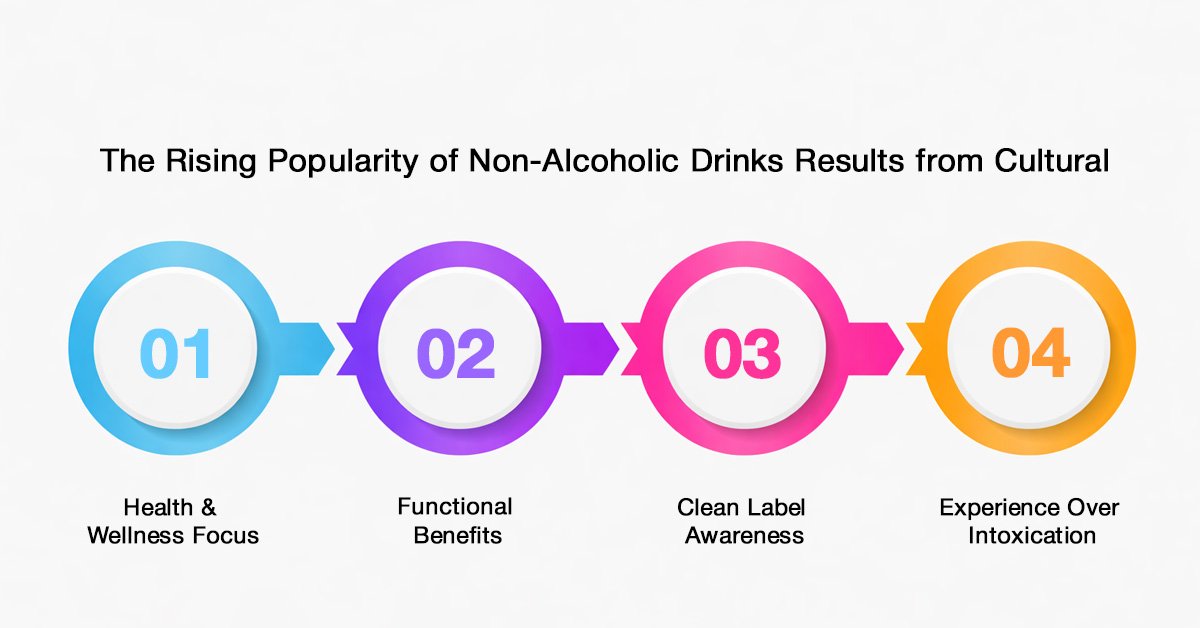
The growing health-consciousness of urban Indians leads to increased market growth.
- Health & Wellness Focus: Fitness enthusiasts who want to avoid metabolic risks now prefer low-sugar products that use natural sweeteners.
- Functional Benefits: People buy ashwagandha and nootropics because these products help them with mental concentration and recovery.
- Clean Label Awareness: Customers choose products that contain basic ingredients and organic certifications because transparent information helps them build trust.
- Experience Over Intoxication: People transform their usual moments into special occasions through the combination of artisanal bottles and traditional serving practices.
Non-alcoholic brands use self-optimisation and social evolution triggers to develop their market presence, which lets them create consistent sales for situations that occur frequently.
Compliance Requirements for Non Alcoholic Beverage Brands
All non-alcoholic beverage brands in India must follow the rules set by the Food Safety and Standards Authority of India (FSSAI). The rules establish procedures that govern the production process, packaging methods, labelling requirements, storage methods and distribution procedures for beverages in the market.
Key Regulatory Requirements
- Proper Labelling: Every beverage package must clearly mention important details such as the list of ingredients, nutrition information, FSSAI logo and license number, vegetarian/non-vegetarian symbol, batch number, expiry date, and the manufacturer’s name and address.
- Limits on Additives and Preservatives: The regulations prohibit all food products from using more than specific amounts of colours, sweeteners and preservatives. The product must contain no more than 600 mg of aspartame per kilogram, while its carbonated drinks must include no more than 250 parts per million of benzoic acid.
- Proof for Health Claims: The company needs to present scientific proof when its drink product claims to provide benefits such as “boosts immunity” and other health benefits.
- Shelf-Life Testing: Brands must conduct stability testing, which lasts between 6 and 12 months, to confirm their product maintains safety standards and quality throughout its entire shelf life.
Types of Non Alcoholic Beverages Driving Market Growth
In India, people have access to various non-alcoholic drinks that extend beyond basic soft drink options. The products provide solutions that accommodate various health requirements, social events and individual living styles.
The non-alcoholic beverage category includes several popular types of drinks that attract a large number of consumers, from everyday refreshments to health-focused and functional beverages.
- Soft Drinks (e.g., Cola, Lemon Soda, Ginger Ale): The drinks serve as a daily beverage that people can enjoy while relaxing.
- Fruit Juices (e.g., Mango, Apple, Guava Nectar): The drinks provide an organic atmosphere together with added vitamin content.
- Functional Drinks (e.g., Immunity boosters, Vitamin waters): The products offer health benefits that support customers throughout their daily activities.
- Sports Drinks (e.g., Electrolyte mixes like Gatorade-style): The beverages help athletes recover from their workouts while providing needed fluids.
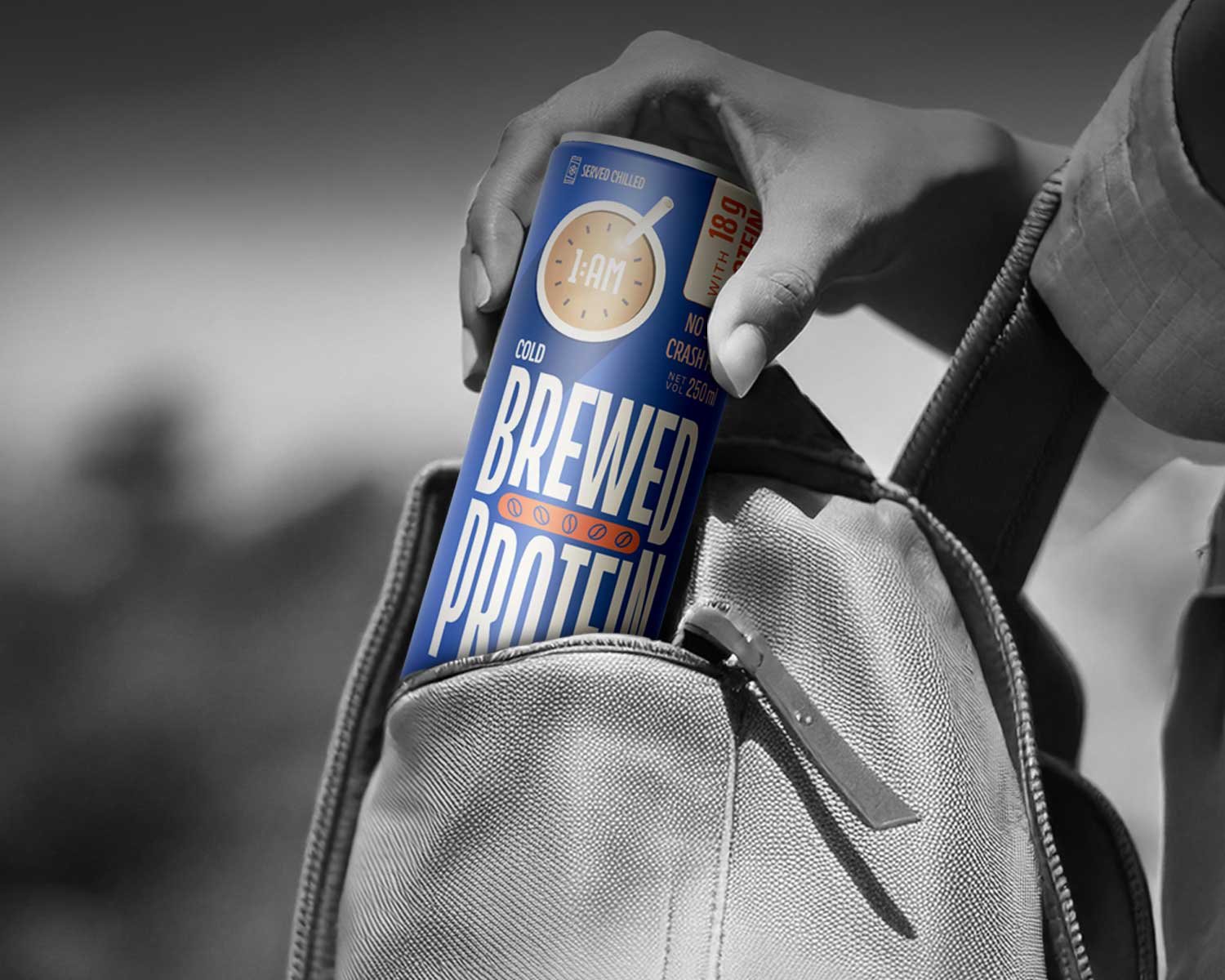
- RTD Coffee/Tea (e.g., Cold brew, Iced chai): The drinks provide urban people with portable espresso and chai products for their everyday activities.
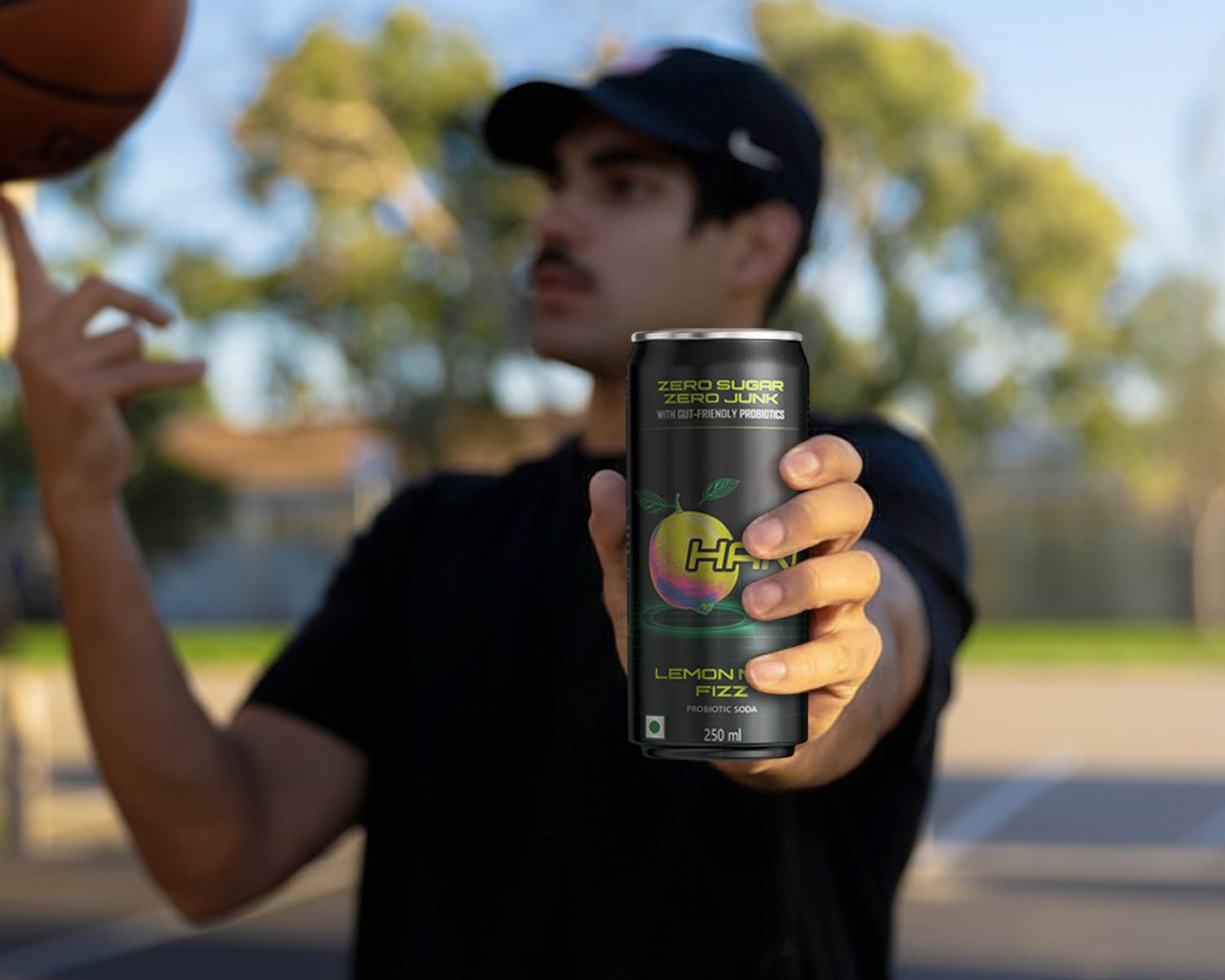
- Kombucha (Fermented probiotic tea): The drink provides people with gut health benefits and delivers them clean energy.
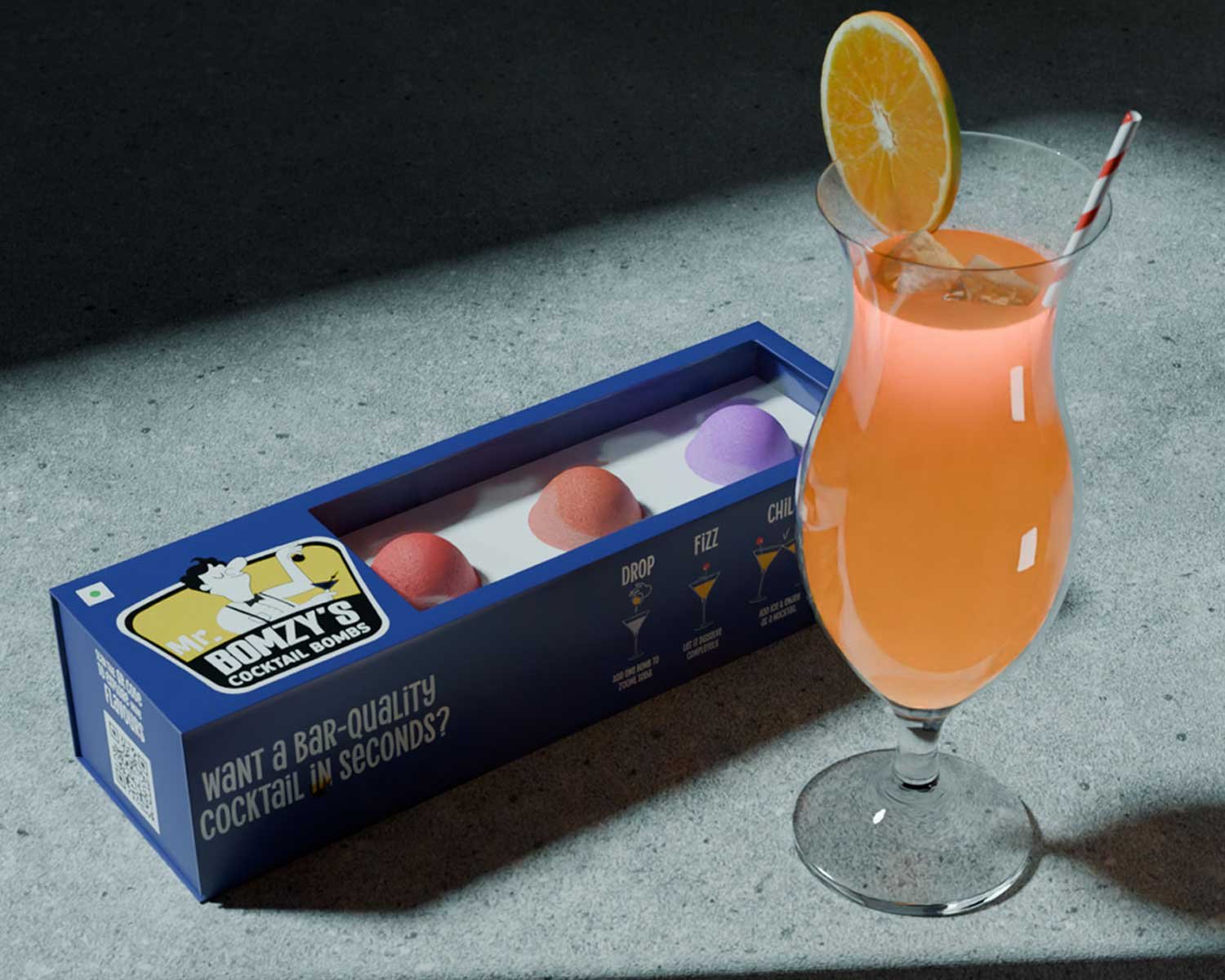
- Zero Alcohol Spirits (e.g., Botanical mocktails, Gin alternatives): The products provide people with high-quality options that they can use during social events.
Beverages and high-end non-alcoholic drinks. The products demonstrate evolving consumer tastes because they show how sober-curious consumers now seek advanced drink options that serve practical purposes instead of conventional alcoholic drinks.
Top Non Alcoholic Beverage Brands in India
The leading non-alcoholic beverage brands in India maintain market dominance through their effective distribution networks, their continuous development of new products and their intelligent marketing methods, which centre on understanding and satisfying customer requirements.
Industry Leaders
- PepsiCo: The company holds a major share of India’s carbonated beverage market with brands like Pepsi, Mirinda, 7UP, and Tropicana. Its strong distribution network helps its products reach even small retail outlets across the country.
- Coca-Cola: The company uses emotional storytelling and festive advertising to promote its popular brands Thums Up, Sprite, Maaza and Kinley while creating strong bonds with its customers.
- Paper Boat: This brand focuses on nostalgia by offering traditional Indian drinks like Aamras and Jaljeera, which are made from homemade recipes that showcase regional flavours.
- Raw Pressery: The company targets urban health-conscious consumers through its cold-pressed juices, which are produced using “never-from-concentrate” methods.
Success Factors
- Efficient cold chain logistics ensure that fresh and premium products are delivered to every nook and corner of India, thereby preserving the freshness of the products.
- In order to respond to the sober, curious lifestyles trend and the demand for functional beverages, companies are employing flexible and rapid product development methods.
- Being digital, first in their marketing approaches, brands can create a strong connection with Gen Z, which,h on the other hand, helps them to establish long-term customer loyalty.
Alcoholic Beverage Brands vs Non Alcoholic Beverage Brands
Comparing alcoholic beverage brands with non-alcoholic beverage brands helps highlight the market potential of both segments. It demonstrates the impact of brand power, positioning, and customer loyalty on sales and growth.
Regulation
- Alcoholic Beverage Brands: State excise laws, together with licensing requirements, quota systems and dry day bans, manage their distribution.
- Non-Alcoholic Beverage Brands: FSSAI controls their distribution through basic licensing requirements, which permit national sales.
Distribution
- Alcoholic: Licensed outlets only sell these products because high taxes make it difficult to enter deep rural areas.
- Non-Alcoholic: These products are available through kiranas, supermarkets and e-commerce platforms.
Occasion
- Alcoholic: People mainly use these beverages during parties, nightlife and celebratory rituals.
- Non-Alcoholic: People use these beverages for hydration throughout the day while they enjoy mocktails during social events and at any time.
Health Perception
- Alcoholic beverages create two main issues, which include calorie intake and addiction potential.
- Non-Alcoholic beverages achieve a strong wellness image through their clean-label products, which offer hydration advantages.
Growth Trend
- Alcoholic beverages maintain constant volume levels because consumers prefer premium products.
- The market shows rapid expansion as it grows between 12 and 15 % each year and will reach 69 billion dollars by 2034
Why Non Alcoholic Beverage Brands Struggle in Early Stages
Operational challenges faced by beverage startups cause delays in product development and eventually lead to financial losses.
- Category confusion: There are over 20 non-alcoholic beverage categories in the market,t which makes it very difficult for founders who do not have access to sufficient research and data-backed information.
- Pricing dilemma: Startups have difficulties when they try to set premium product prices that are also affordable for the regular market customers.
- Compliance issues: Food Safety and Standards Authority of India regulations are hard for people to understand and implement because, in order to comply with the new ingredients and health-related claims, they have to go through convoluted rules.
- Short shelf life: Natural products spoil faster than any other products because the ingredients used in them break down very fast. This thus leads to increased storage and transportation costs, which have to be borne if cold chain systems are used.
- Intense competition: Major corporations like PepsiCo and Coca-Cola are market leaders; thus, new brands face a barrier to their entry in the market if they want to gain brand recognition and market differentiation.
Startups need specialised support to meet their business development needs. They require expert guidance in strategic planning, product development, regulatory compliance and market entry strategies.
Growth Strategies for Non Alcoholic Beverage Brands
Beverage founders succeed by executing proven, data-backed strategies that bypass common pitfalls and capture growth in India’s non-alcoholic surge.
- Clear segmentation: Target high-growth niches like functional hydration or zero-proof spirits based on demographic data, avoiding broad “everyone” launches.
- Functional clarity: Build products around specific benefits, electrolytes for fitness buffs, adaptogens for stress relief, with validated claims to drive repeat buys.
- Premium packaging: Invest in sophisticated, Instagrammable designs that signal luxury, justifying 2-3x markups in Tier 1/2 cities.
- Compliance-first development: Secure FSSAI approvals early via lab-tested formulations, preventing costly reformulations or recalls.
The actionable steps that Paper Boat and Sepoy demonstrate create market insights that lead to scalable revenue through their ability to compete with larger firms by controlling specific market segments and running efficient operations.
How the Company Supports Non Alcoholic Beverage Brands
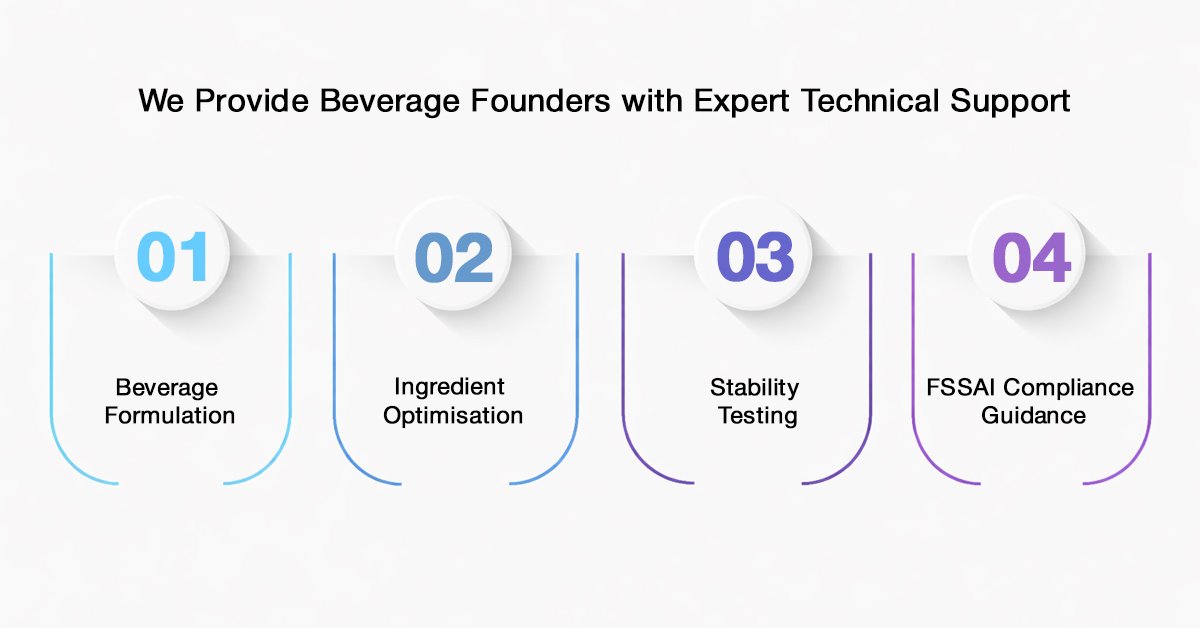
We provide beverage founders with expert technical support to help them overcome product development challenges.
- Beverage Formulation: Personalised recipes that combine flavour and function perfectly, using all-natural ingredients targeted at key consumer groups.
- Ingredient Optimisation: Finding inexpensive, clean, label ingredients that can match the standards of premium non alcoholic brands.
- Stability Testing: Shelf, life trials conducted at an accelerated rate, showing that your product can last 6 or 12 months without the use of synthetic preservatives.
- FSSAI Compliance Guidance: Comprehensive assistance in licensing, labelling, and claim validations to avoid regulatory issues.
At Foodsure, our early-stage collaborations are your growth enablers as they help you to reduce relaunch risks, cut approval times by 40%, and accelerate market rollout.
Founder Takeaway for Non Alcoholic Beverage Brands
Non alcoholic beverage companies grow through niche expertise. This allows them to make high-value products for urban consumers needing clean and healthy drink choices. The business must concentrate on the formulae that have been stability tested and also be informed of the changes in regulations that can lead to the need for costly business adjustments.
The company should do small-scale testing of its operations and, at the same time, use smart methods of expanding, because precise measurement leads to financial success.
Our teams are a combination of science, strategy, and qualified regulatory work to create the fastest-growing non-alcoholic beverage brands.
Ready to Build Your Non Alcoholic Beverage Brand?
Do you want to create one of the best non alcoholic beverage brands in India?
The process begins with accurate market segmentation, which should identify specific functional segments, followed by a compliance roadmap that enables FSSAI testing, and the development of production formulas that maintain their product quality throughout the shelf life.
READY TO LAUNCH YOUR ZERO-ALCOHOL DRINK?
End-to-End Non Alcoholic Beverage Development & Manufacturing
We support non-alcoholic beverage formulation, stability testing, regulatory approval, private label development, and scalable contract manufacturing.
Related Blogs
- Non Alcoholic Beverage Development Guide
- Contract Manufacturing for Non Alcoholic Beverages
- Mocktail Recipe Formulation for Premium Brands
- FSSAI Label Compliance for Beverage Startups
- Types of RTD Drinks in India
FAQs
Which are the top non alcoholic beverage brands in India?
Currently, the market is dominated by PepsiCo, Coca-Cola, Paper Boat, and Raw Pressery.
Which segments of non alcoholic beverages are experiencing the fastest growth?
Functional beverages, sports hydration products, kombucha and zero alcohol spirits are among the elements showing rapid growth in sales.
Are non alcoholic beverage brands able to charge premium prices?
Definitely, Tier 1 and Tier 2 cities are able to use their packaging and clean labels in establishing premium pricing.
What FSSAI regulations apply to non alcoholic beverages?
Non alcoholic beverages are required to obtain a license, have proper labels, comply with additive limits and conduct shelf life tests as per the regulations.
How do non alcoholic beverage brands differentiate themselves from alcoholic beverage brands?
Through a healthy, focused mix of beverages, mocktails provide everyone in the group with a refreshing social experience.
What factors are behind premium non alcoholic brand trends?
Gen Z, who are sober, curious, are looking for products that are both sophisticated and functional.
Which non alcoholic beverages list would be ideal for urban professionals?
RTD teas and botanical mocktails together offer folks both something to drink with their meal and a suitable social drink after work.