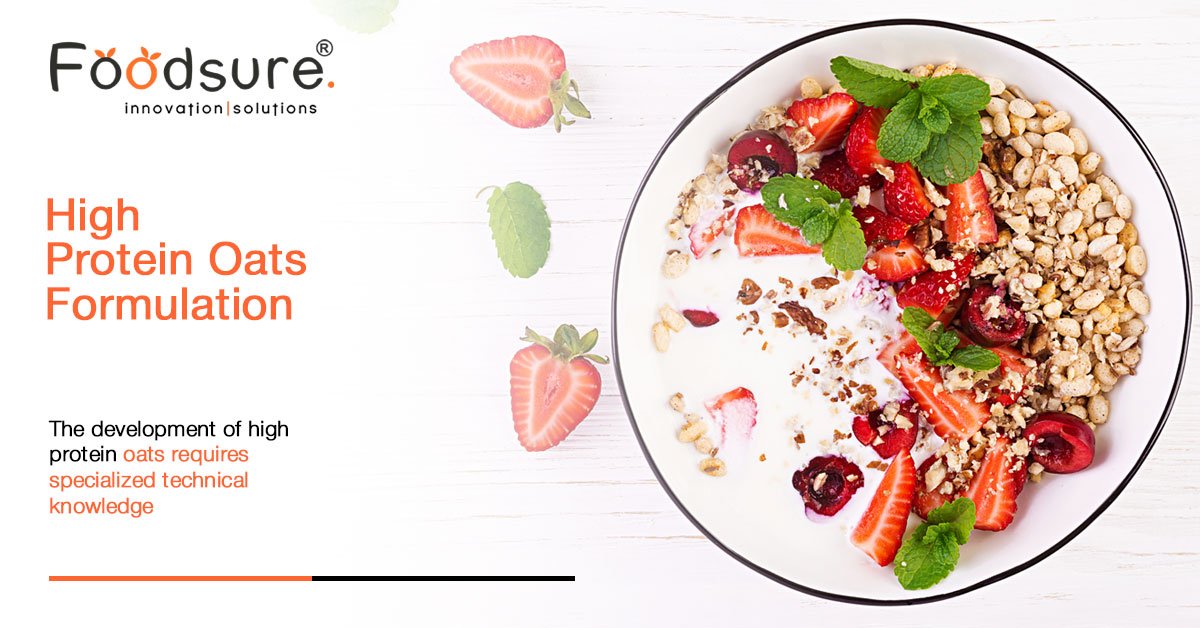
Consumers think of high, protein oats as a healthy option they can easily rely on. However, launching products that really work requires a well, thought, out three, step plan: first, adding protein; second, making the product tasty; and third, going to the market. high protein oats development is a technical challenge. Brands are often criticized after the launch for their products getting lumpy, having a chalky mouthfeel, becoming too thick, and flavors changing and becoming unstable during storage. Our team analyzed some initial prototypes from the protein oats projects which simply added protein but did not consider the hydration dynamics or processing parameters leading to instant formats with poor solubility and gritty textures in final dishes. Therefore, effectively designed food formulations in accordance with label claims and protein levels lead to brand loyalty.
Defining the Right Protein Target
Before you start making instant protein oats, check to:
- Do you want instant or cook-and-serve?
- Are you targeting people who go to the gym or people who want to be healthy in general?
- Positioning: sweet or savoury?
In some Indian projects to make high-protein oats, brands aimed for 20g of protein per serving without checking how well the oats absorbed water. Adding hot water to a mixture with more protein changes its viscosity and mouthfeel a lot.
Strategic positioning is more important than offering big claims.
You May Also Like: 10 Popular and High-Margin Food Products in India
High Protein Oats Development Services In India
Oats absorb water quickly, which makes protein respond differently in them than in drinks or cereals.
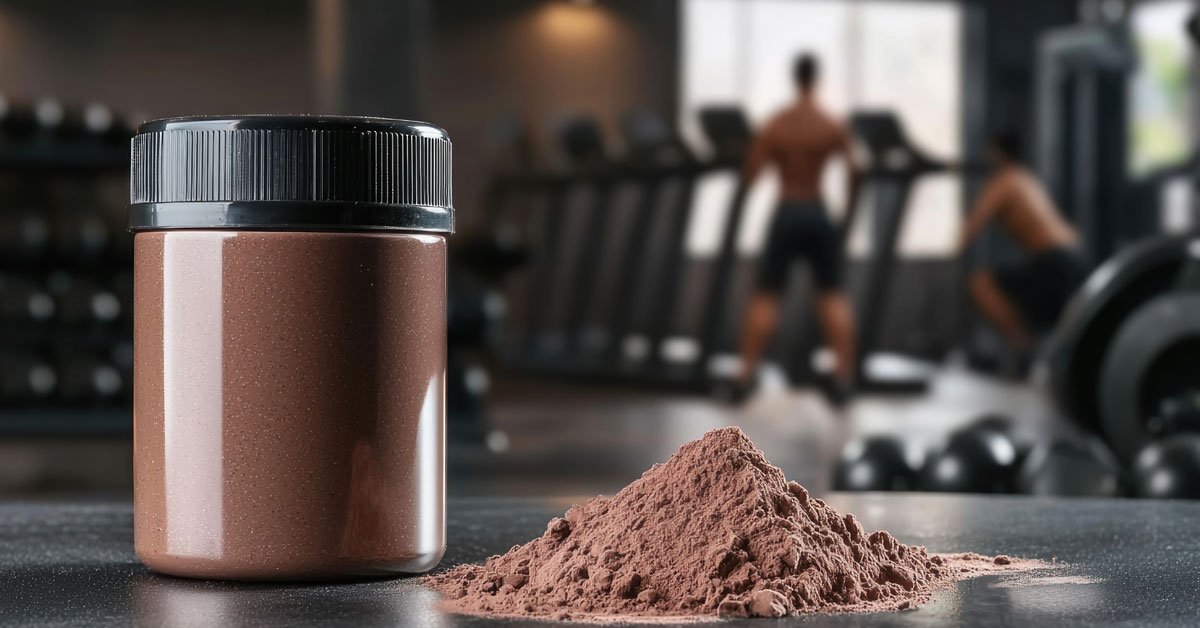
Whey Protein
- Easily dissolves
- Smooth feeling in the mouth
- Can make things a little sticky when stored in a humid place
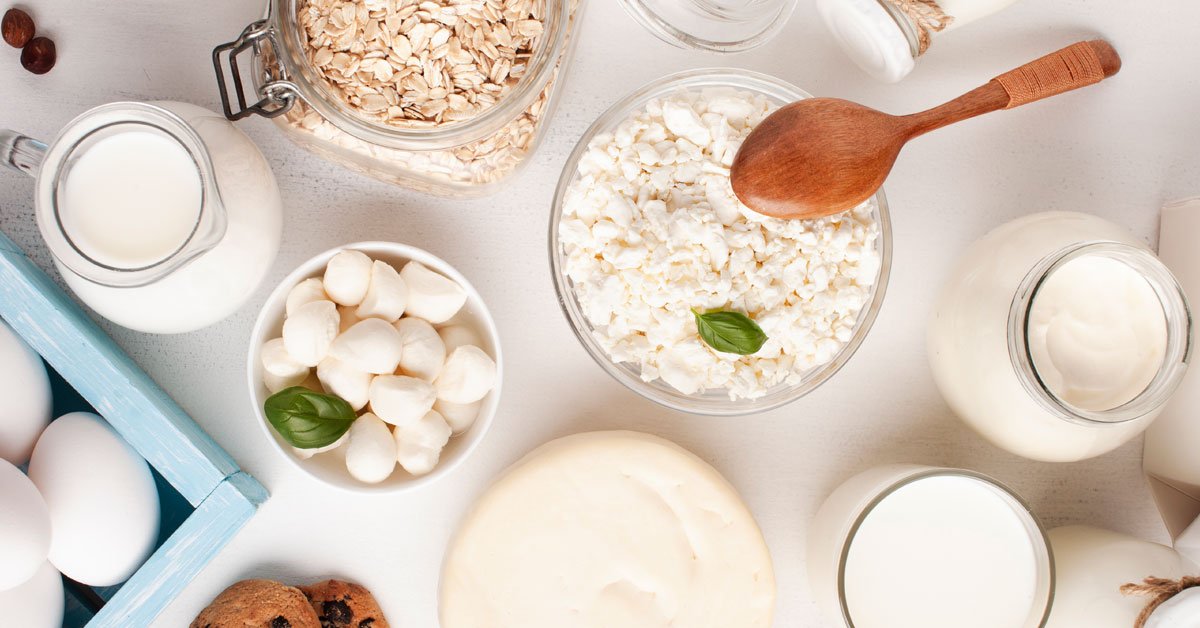
Milk Protein
- Stable in heat
- Works well when cooked
- A texture that is a little larger
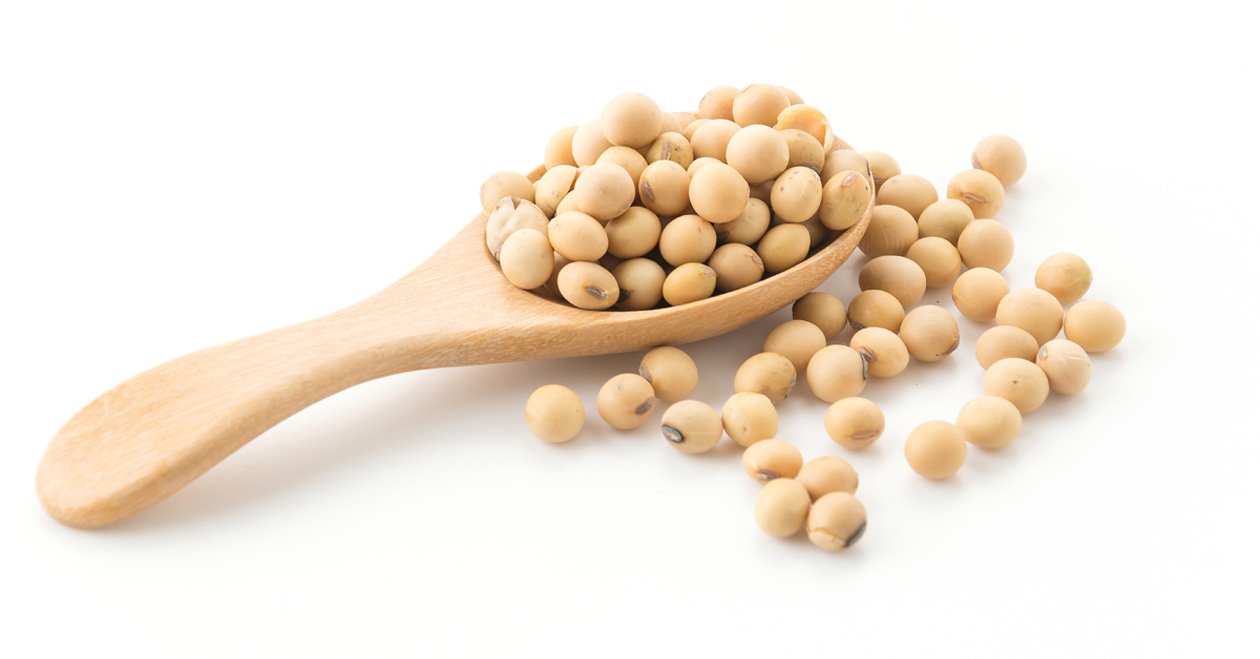
Soy Protein
- Affordable
- Needs to hide the taste
- Can quickly get thicker
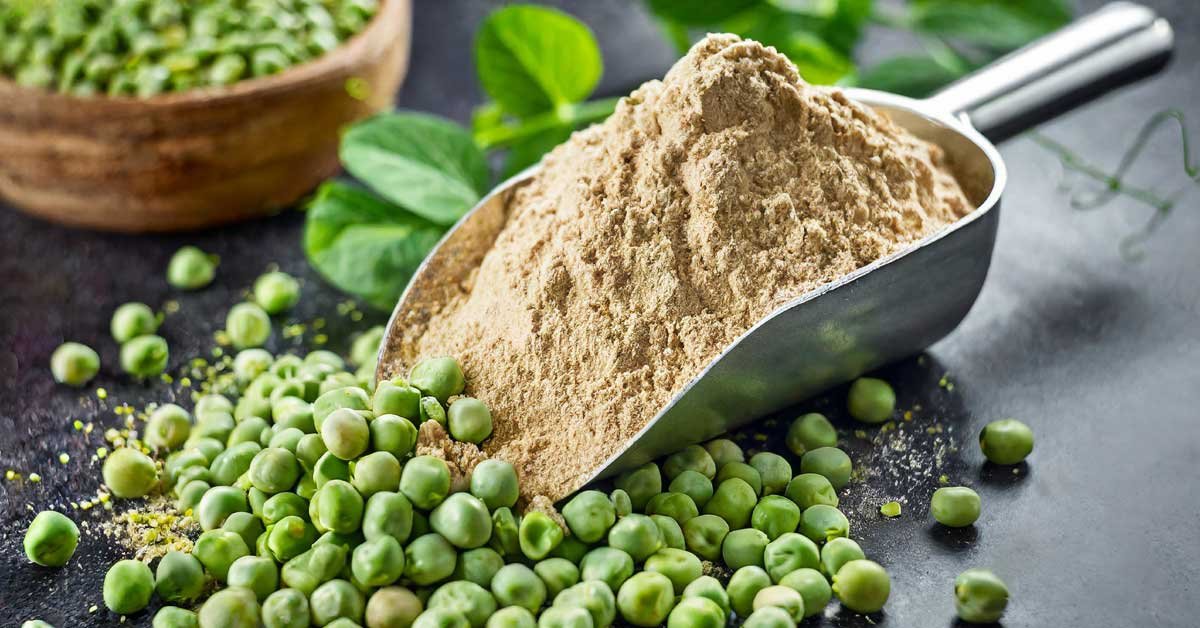
Pea Protein
- Good for vegan positioning
- Needs to be mixed to make it less sticky
In one recipe for protein-fortified oats, 18% whey made the oats too thick when people added hot water. Reformulation cut down on the amount of whey and added protein crisps instead of powder loading, which made the texture more consistent.
Lesson: the speed at which protein hydrates must be the same as the speed at which oats hydrate.
Instant Protein Oats Development
Solubility and dispersion are very important in the formulation of instant protein oats.
Common issues include:
- Lumps form when hot water is added.
- Protein remains settling at the bottom of the bowl
- Too much density after 3 to 5 minutes
- Sweetness is not evenly spread
A brand got complaints about lumps in a recent evaluation of a new protein oats product. It wasn’t the quality of the protein that was the problem; it was the fact that the oats and protein powder didn’t have the same size particles.
Solution method:
- Changed the size of the protein mesh
- Added a small anti-caking system
- Standardised order of blending
- Simulations of adding water were tested
Protein Fortified Oats Recipe:
The texture of a product affects how well it is accepted by customers.
In making recipes for protein-fortified oats:
- For better hydration balance, keep the total protein between 15 and 18%.
- Check the water absorption index
- Don’t use hydrocolloids too much unless you have to.
- Not just lab hydration tests, but real bowl tests with hot water
In one oats development project for muscle gain, the first samples were too thick to be comfortable to eat with a spoon after four minutes.
Muscle Gain Oats Development
For oats to help build muscle, the protein source must be credible.
People who go to the gym expect:
- Source of full protein
- Balanced amino acid profile
- Comfort with digestibility
- No big bloating
Blended protein systems (whey + plant blend) often work better than single-source systems for functional positioning.
Protein Oats Product Development
The cost goes up a lot with protein. During a feasibility review for the development of a protein oats product, aiming for 20g of protein raised the cost of the ingredients beyond what was possible for MRP.
Optimisation included:
- A claim of 15g of protein with better bioavailability positioning.
- Mixed protein matrix
- Best serving size
Shelf Stability in Indian Conditions
For making high-protein oats in India, the weather affects how the product works.
The dangers of humidity include:
- Clumping
- Taking in moisture from protein
Things you can do to avoid:
- Laminate packaging that keeps moisture out
- Flushing with nitrogen for big SKUs
Regulatory Alignment
Any recipe for high-protein oats must follow:
- FSSAI rules for protein claims
- Labelling for allergens
- Validation of the nutritional panel
Development Framework
A structured method for developing protein oats products includes:
- Analysis of the feasibility of ingredients
- Hydration tests on a small scale
- Sensory testing with a real hot water simulation
- Study of accelerated stability
Conclusion
The market for protein-based breakfast foods is still growing, but making high-protein oats that work requires a lot of planning, testing for hydration, cost modelling, and following the rules..
At Foodsure, we use controlled trials, stability assessments, and commercialisation feasibility planning to make sure that our muscle gain oats development ideas turn into stable, scalable products.
You May Also Like: Top 10 Makhana Brands In India 2026: Fox Nuts Insights
Launch Compliant Today
Many high-protein breakfast concepts fail not because of poor formulation, but because the final product claims and nutrition labels do not fully align with FSSAI regulations. At Foodsure we support food brands with claim-ready lab-tested nutrition labels that align with FSSAI guidelines. Our team helps brands move from concept to compliant launch through structured formulation review and regulatory ready label development.
Don’t let labelling errors delay your product launch.
Call us at +91-8130404757 or request a free formulation and label audit to ensure your product is fully FSSAI-ready before it reaches the market.
FAQs
What does it mean to make high-protein oats?
The structured development of oats with more protein while keeping the right amount of water and texture stable is what high protein oats formulation is all about.
What problems come up when making instant protein oats?
Lumping, too much thickness, uneven dispersion, and protein sedimentation are some of the most common problems.
How do you make a recipe for protein-fortified oats?
It is made by picking proteins, testing hydration, optimising particle size, and making sure it stays stable.
What makes the cost of developing protein-enriched oats products go up?
The type of protein, the percentage of protein included, the size of the serving, and the packaging all have a big effect on the total cost of development.
Who helps with making high-protein oats in India?
Foodsure helps with structured research and development for making protein oats products in India that can be scaled up.