Cold drink development in India is becoming a major opportunity for beverage founders as the demand for cool drinks and soft drinks continues to grow. The refreshing drinks are one of the most popular packaged goods in the country that are sold in kirana stores, supermarkets and modern retail outlets. The market potential is, however, very high, but the technical formulation of a successful beverage brand requires proper cold drink recipe formulation, manufacturing planning and regulatory compliance.
The blog provides step-by-step instructions that help founders develop their initial drink concept into a marketable cold drink product.
Why Launching a Cold Drink Brand Is More Challenging Than It Seems
Many founders start with a strong beverage concept but struggle to develop a product that meets market requirements. As per the IMARC group, the cold drinks market in India was USD 11,708.13 Million in 2025. And, the market is projected to reach USD 17,605.47 million by 2034 with a CAGR of 4.64% for the period of 2026-34.
The development and production process faces multiple challenges, which include the following problems:
- A drink that tastes good in trials may fail in large-scale manufacturing.
- Beverage products must meet strict food safety and regulatory standards.
- A lack of understanding of the cold drink manufacturing process in India can lead to shelf-life and packaging issues.
- Regulatory approvals and compliance delays can slow product launches and increase costs.
DEVELOP YOUR COLD DRINK PRODUCT
Turn Your Cold Drink Idea into a Market-Ready Beverage
From beverage formulation and flavour balancing to pilot production and shelf-life testing, Foodsure helps founders develop scalable cold drink products ready for commercial launch.
Why These Challenges Occur in Cold Drink Development
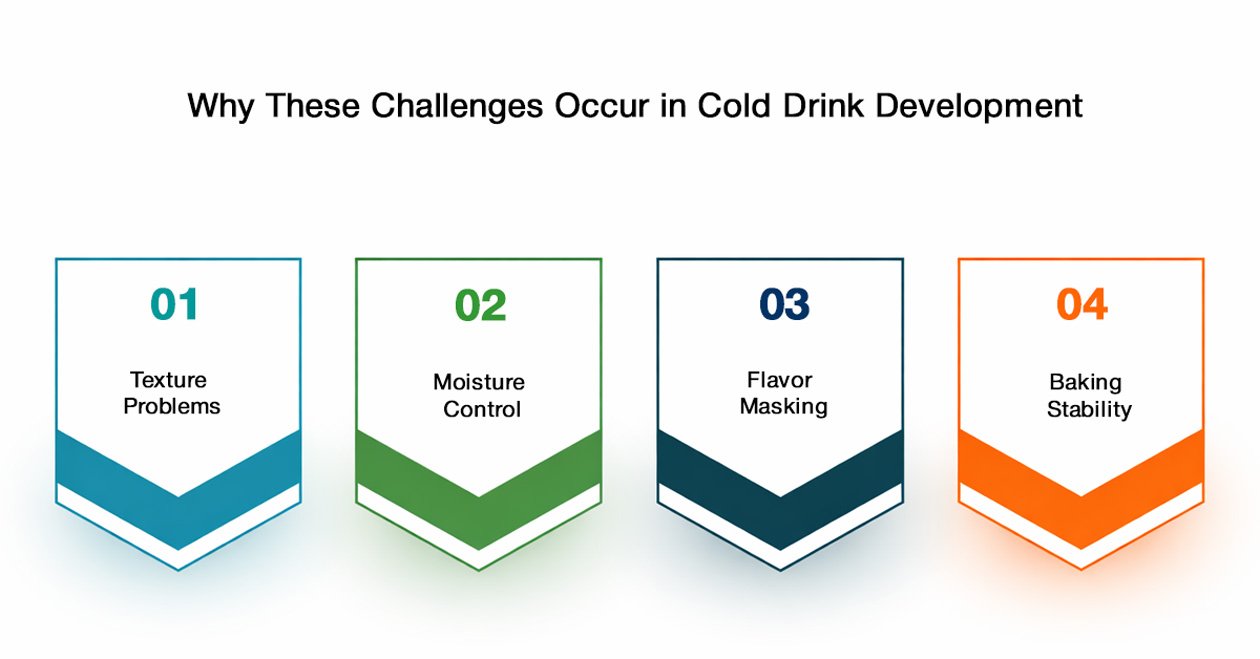
- Scientific Formulation: Cold drinks need precise ingredient measurements to achieve their desired taste and stability characteristics.
- Production Consistency: The drink needs to preserve its original flavour and carbonation level during high-volume manufacturing.
- Regulatory Compliance: FSSAI regulations, together with ingredient approval requirements and labelling standards, must be followed by all products.
- Quality Control: Manufacturing facilities need to enforce strict hygiene standards, together with safety requirements, throughout their operations.
Common Challenges Beverage Founders Face
- The creation of a consistent beverage formula faces challenges because of its inherent difficulty.
- The cold drink manufacturing process in India remains poorly understood by researchers.
- The task of locating dependable partners for beverage production stands as our primary challenge.
- Our organisation needs to handle two main tasks, which involve achieving regulatory compliance and obtaining FSSAI approval.
Cold Drink Development Made Simple
The process of creating a cold drink product includes multiple organised steps that must be completed before the product can be launched in stores.
The process typically includes:
- Launching a cold drink brand starts with an idea, followed by testing, refinement, and commercial production.
- The flavour must be carefully balanced with the right mix of sweetness, acidity, and carbonation.
- Ingredients need to remain stable in the bottle or can for months without losing taste or quality.
- Pilot production batches are tested to ensure the formula works in real manufacturing conditions.
Cold Drink Manufacturing Process in India: Step-by-Step
Development of a successful cold brew product requires a structured development pathway that encompasses product formulation, production planning, regulatory compliance, and such other disciplines.
| Stage | What Happens | Why It Matters |
| Concept Development | Determine the type of drink, flavour and target market. | Assist in positioning the product and brand. |
| Beverage Formulation | The recipe and ingredient balance is formulated by beverage scientists. | Provides taste, stability and consistency. |
| Ingredient Selection | Selection of sweeteners, acids, flavours, and preservatives. | Effects flavour, shelf life and regulations. |
| Lab Testing | Microbiological tests and stability are done. | Computes the safety and quality of products. |
| Pilot Production | Miniproducts manufacturing experiments. | Asserts that the formula is functional in machinery. |
| Packaging Development | Choosing bottles, cans, and other containers. | Secures carbonation and keeps it fresh. |
| Shelf-Life Testing | Products that are stored under conditions of control. | Establishes product expiry date. |
| Regulatory Compliance | The approval of FSSAI, labelling validation, and ingredient verification. | Legally required to be sold in India |
| Commercial Production | Extensive production of the drink. | Empowers distribution and retailing to distributors and retailers. |
| Quality Control | During manufacturing, batch testing and monitoring. | Has a steady quality of products |
The structured process guarantees that cold drink products will achieve safety standards, meet compliance requirements and become suitable for distribution to large markets. Many beverage startups rely on experienced partners for beverage contract manufacturing to ensure production scalability and consistent product quality.
Proven Strategies for Successful Cold Drink Development
Successful beverage brands focus on strategic development instead of rushing directly into production.
- Begin With Definite Market Positioning: Early on, determine the type of drink (flavoured carbonated drinks, functional beverages, fruit-based cool drinks, or energy drinks) and base flavour, branding, and marketing on it.
- Attention to Flavour Experience: A cool, refreshing flavour is essential because the cool drinks and soft drinks industry is a buying-rebuying business, and it is all about taste.
- Select the Appropriate Packaging: Select a packaging that is appropriate to the product, like PET bottles, aluminium cans, glass bottles or tetra packs.
- Plan Reasonable Compliance in the Early-stage: Obtaining approvals of ingredients, appropriate labelling, and FSSAI compliance so that introduction is not delayed.
Understanding common beverage development terms can also help founders navigate the product development and manufacturing journey more effectively.
Expert Support for Cold Drink Manufacturing and Compliance
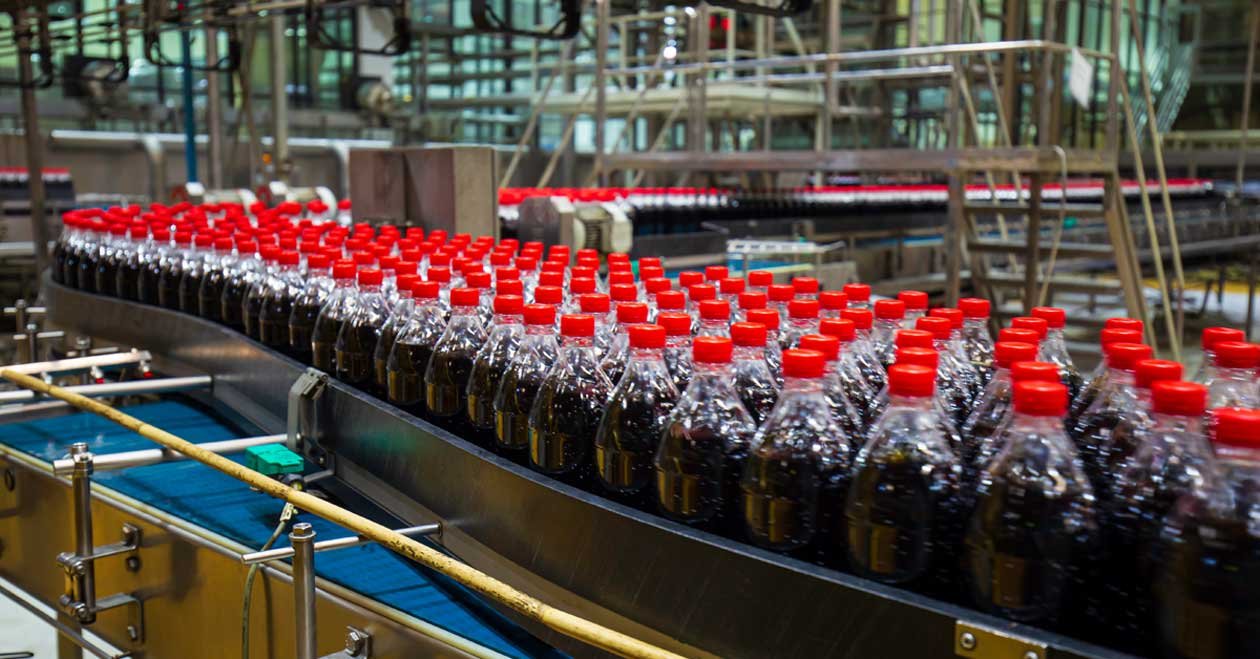
Many founders struggle with product development, production planning, and regulatory compliance without industry expertise. Foodsure supports entrepreneurs across the cold drink manufacturing process in India, offering help with beverage formulation, R&D, shelf-life testing, packaging selection, and beverage regulatory compliance including FSSAI approvals, enabling founders to transform beverage ideas into commercially viable cold drink products efficiently.
Lessons for Launching a Cold Drink Brand
The cold drink market in India presents excellent business prospects for innovative beverage companies. Creative flavour development needs to be combined with actual execution to succeed in the market.
The founders of a business need to establish structured product development processes and dependable manufacturing systems, together with essential regulatory compliance methods, to develop their brand into a successful operation.
Our team at Foodsure assists in transforming the concept of drinks into commercially available beverages geared for market success.
Expert support helps you establish your cold drink or soft drink brand because it helps to develop products, run manufacturing operations and obtain regulatory approvals.
LAUNCH YOUR BEVERAGE BRAND
Start Your Cold Drink Development Journey
Foodsure supports beverage founders with formulation, manufacturing planning, packaging development and regulatory compliance to launch successful cold drink brands.
Related Blogs
FAQs
What is the cold drink manufacturing process in India?
The cold drink manufacturing process in India includes formulation, ingredient selection, pilot testing, regulatory approvals, packaging development, and large-scale production.
How can I start a cold drink brand in India?
Founders need to create a secure beverage formula and meet all necessary regulations while establishing partnerships with dependable manufacturing partners to build their cold drink brand.
What ingredients are commonly used in cool drinks and soft drinks?
Cool drinks and soft drinks typically contain water, sweeteners, flavouring agents, acids, carbonation and permitted preservatives.
Why is shelf-life testing important for cold drinks?
Shelf-life testing ensures the cold drink maintains taste, stability and safety throughout its intended storage period.
What packaging options are used for soft drinks?
Soft drinks are commonly packaged in PET bottles, aluminium cans, glass bottles and tetra packs according to the product type.
Do cold drink products require regulatory approvals in India?
Yes, cold drink products must comply with FSSAI regulations, labelling standards and ingredient approvals before they can be sold in the market.
How can founders simplify cold drink product development?
Founders can simplify cold drink development by working with beverage experts who provide formulation and production guidance and regulatory support.