As awareness about sugar intake grows, a lot of consumers are turning to more conscious sugar consumption. Food product reformulation has prompted health organisations and government agencies to back efforts of food industry in lowering the sugar content of packaged foods, as excessive consumption is associated with obesity and metabolic problems. Modifying the recipes of food products is not only a great way for new and old brands to develop healthier products but also to change their appearance and taste as well as shelf-life that consumers expect. However, sugar reduction is an intricate process than just subtracting sugar from the formulation.
In the food systems, sugar performs a number of functions besides sweetness such as bulking, moisture holding and preservation of the product. Consequently, a good sugar reduction is based on skilfully adjusted formulations to guarantee that the product’s quality, shelf life as well as the consumer’s preferences do not suffer at all.
You May Also Like: Art and Science of Food Formulation
Why Sugar Reduction Has Become a Priority for Food Brands
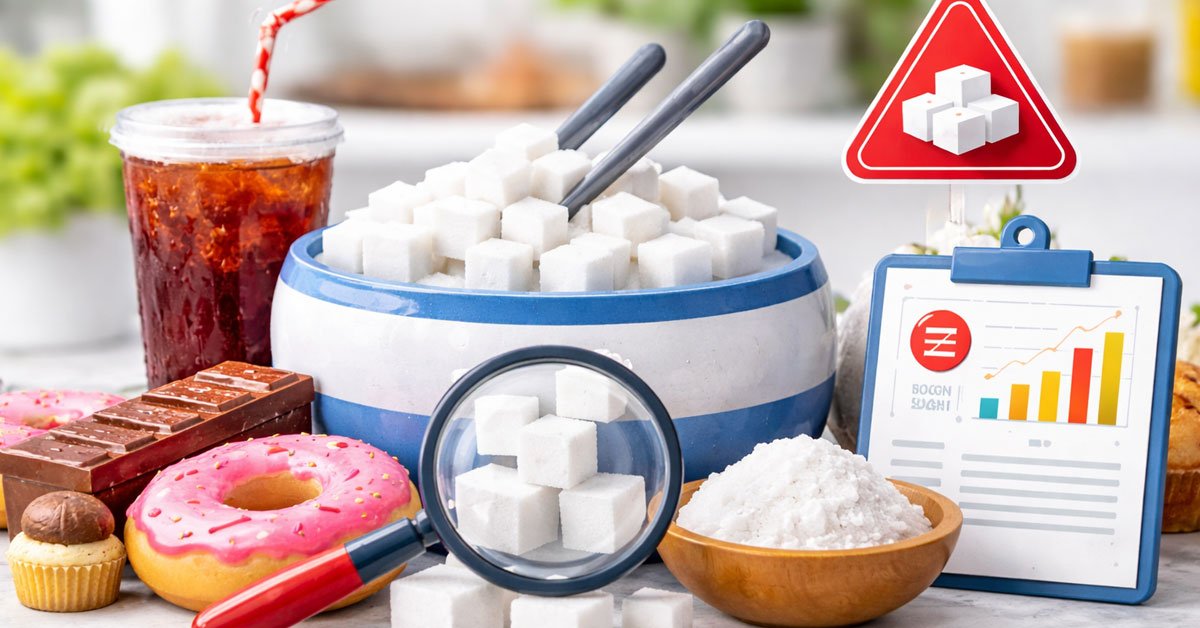
The global food industry of Food product reformulation has changed a lot in the last few years to make healthier products. People today pay attention to nutrition labels and often pick foods that have less sugar or other sweeteners.
There are a number of things that are making this trend happen:
- More and more people are learning how sugar affects their health.
- The government gives tips on how to eat less added sugar.
- People want food that is healthy and works well.
- There are chances in the market for goods that don’t have much sugar.
Because of these trends, a lot of businesses are using food reformulation strategies that aim to make food healthier without making it less tasty.
Understanding the Functional Role of Sugar in Food
It’s important to know why sugar is so common in food before you make plans to cut back on it. Sugar does a lot more than just make things sweet.
- Many recipes call for sugar, which is a part of many of them.
- Balance of tastes and how sweet something tastes
- How it tastes and feels in your mouth
- How to keep baked goods moist
- Browning reactions that happen when you cook
When companies try to cut down on the sugar in their food while food product reformulation, they have to find other ingredients or ways to process the food that will make up for it.
Practical Sugar Reduction Techniques Used in Product Development
Ways to cut down on sugar that work. They usually change both the ingredients and the way they make the product. Food developers usually don’t use just one method; they use a mix of methods depending on the product.
Some common methods are:
| Strategy | Description |
Gradual Sugar Reduction | Reducing sugar in small increments over multiple product iterations helps consumers adapt to slightly less sweet flavours. |
Flavor Optimization | Using natural acids, spices, or flavour enhancers can improve taste perception, allowing manufacturers to lower sugar levels without affecting overall flavour balance. |
Bulking Ingredient Replacement | Ingredients such as fibers or polyols can replace the bulk lost when sugar levels are reduced. |
| Sweetness Modulation | High-intensity sweeteners may be used in small quantities to maintain sweetness while reducing total sugar content. |
Choosing the Right Sugar Substitute for Food Product Reformulation
One of the most important things to do when reformulating is to pick the right sugar substitute for food. Depending on the type of product and how it is made, each sweetener works in a different way.
Here are some common alternatives:
- Natural sweeteners include monk fruit and stevia.
- Polyols include erythritol and maltitol.
- Fruit-based concentrates
- Dietary fibres that aren’t too sugary
But if you completely replace sugar, you might have problems like an aftertaste, a change in texture, or less stability. A lot of product developers use more than one sweetener for this reason.
Low-Sugar Formulation Challenges in Different Food Categories
| Product Category | Role of Sugar | Reformulation Challenge |
| Beverages | Sugar mainly provides sweetness. | It can be replaced more easily with high-intensity sweeteners. |
| Bakery Products | Sugar contributes to structure and browning. | Reformulation is more complex because sugar affects texture and baking reactions. |
| Sauces and Condiments | Sugar balances acidity and stabilises flavours. | Requires careful reformulation to maintain taste balance. |
| Dairy Products | Sugar influences mouthfeel and texture. | Sugar reduction can impact creaminess, especially in flavoured yoghurt or desserts. |
Product Development Insight: A Common Reformulation Challenge
The first goal of a project to make a flavoured dairy drink was to cut the amount of added sugar by almost 40%. The sweetness level was kept up with the use of other sweeteners, but the product lost some of its expected mouthfeel. The problem happened because sugar was making the drink thicker and more body-like. The food product reformulation team changed the ingredient system by adding fibre-based bulking agents and fine-tuning the flavour balance after trying it out a few times.
The final formulation had a lot less sugar but still tasted and felt good, showing how important it is to change the whole food instead of just replacing one ingredient.
Considerations for Sugar-Free Food Product Development Reformulation
For brands aiming at sugar-free product development, it has become important to think about more than just the formulation.
These are:
- Regulatory definitions of claims that something is “sugar-free”
- What people expect in terms of taste quality
- How stable alternative sweeteners are during processing
- How sweeteners work with other ingredients
To make sure that the final product has the same taste, texture, and shelf life every time, it also needs to be tested properly.
Key Takeaways for Food Brands
Businesses that want to cut back on sugar should focus on a strategic development process.
Some things to think about are:
- Know what sugar does in the original product
- Instead of using just one method, use a combination of sugar reduction methods.
- Choose sweetener systems that fit the type of product.
- Do sensory tests to make sure customers are happy with it.
- Before you sell a product, make sure it is stable and has a long shelf life.
These steps help make sure that food reformulation efforts give both better nutrition and happy customers.
Conclusion
As people continue to make healthier food choices by food product reformulation, manufacturers are focusing on lowering the amount of sugar in their products. Brands can make products that meet both nutritional goals and consumer taste expectations by using the right ingredient strategies and sugar reduction techniques.
If you are planning food reformulation or exploring strategies to reduce sugar in food products, expert formulation support can help streamline ingredient selection, trials, and product optimisation.
Call us at +918130404757 to discuss your product idea and start your product development journey today.
FAQs
What does it mean to reformulate food?
Food reformulation is the process of changing the ingredients in existing foods to make them healthier without changing their taste or quality.
Why is it important to cut down on sugar in food?
Less sugar makes products healthier and meets the growing demand for low-sugar foods.
What are some common sugar substitutes that are used to make food?
Stevia, monk fruit, erythritol, and other high-intensity sweeteners are some common substitutes.
Is it possible to get rid of all the sugar in food?
In a lot of cases, you can cut down on sugar a lot, but taking it out completely might change the taste, texture, and stability of the product.
Which foods are the hardest to change to have less sugar?
Bakery and dairy products are usually harder to make because sugar changes the structure, texture, and mouthfeel of the food.