The bakery industry has changed because people want functional foods. People no longer see muffins as just tasty treats; they want snacks that are healthy, easy to eat, and taste good all at the same time. This change has caused fast growth in high protein muffin formulation and other new bakery items that are high in protein. But making a good protein muffin takes a lot of skill and knowledge. Adding protein to baked goods changes their structure, which can change their texture, moisture, flavour, and shelf life. For brands that want to get into the health snack market, protein baked snack recipe development is important to make products that meet both nutritional goals and what customers want.
You May Also Like: Suppliers of Vitamin Gummies in India 2026
Why Protein Muffins Are Gaining Popularity
Snacks with a lot of protein are one of the fastest-growing parts of the food industry. More and more people are looking for foods that help:
Fitness and getting your muscles back in shape
- Managing your weight
- Nutrition that is balanced
- Satisfaction that lasts a long time
Muffins are a popular baked good, so they make a great base for protein enriched bakery formulation.
Muffins are better than protein bars because
- A softer feel
- A taste that is more familiar
- More freedom to change flavours
This makes them perfect for health-focused brands and new businesses looking to grow protein muffin product development.
Challenges in High Protein Muffin Formulation

Even though there is a market for them, making protein muffins can be hard from a technical point of view.
- Texture Problems: A lot of protein often leads to dense or rubbery baked products. To keep a soft and fluffy structure, you need to carefully balance the ingredients.
- Moisture Control: Protein powders soak up more water than regular flour. If the levels of hydration aren’t just right, muffins could become dry and crumbly.
- Flavor Masking: Some protein components can bring in bitterness or chalky flavors, especially proteins from plants.
- Baking Stability: Batters that are high in protein may have trouble rising properly while baking, which can lead to compact muffins with poor aeration.
These problems make it hard for professionals protein baked snack recipe development very important for business success.
Key Ingredients Used in Protein Muffin Product Development
A balanced protein enriched bakery formulation usually combines different types of ingredients to keep the taste and texture.
Protein Sources
Some common proteins that are used are:
- Isolate of whey protein
- Concentrate of milk protein
- Isolate of pea protein
- Isolate of soy protein
Different proteins affect how well baked goods turn out, so mixing proteins often gives better results.
Structural Ingredients
To keep the muffin structure the same, developers use things like:
- Flour made from oats
- Flour made from almonds
- Flour made from whole grains
These ingredients help keep the crumb soft while balancing the protein content.
Moisture and Texture Enhancers
Formulators may use the following to keep the mouth moist and improve the feel:
- Inulin
- Starch that doesn’t break down
- Fibres from nature
- Humectants
These ingredients help keep things soft and make them last longer on the shelf.
Low Carb Protein Muffin Development
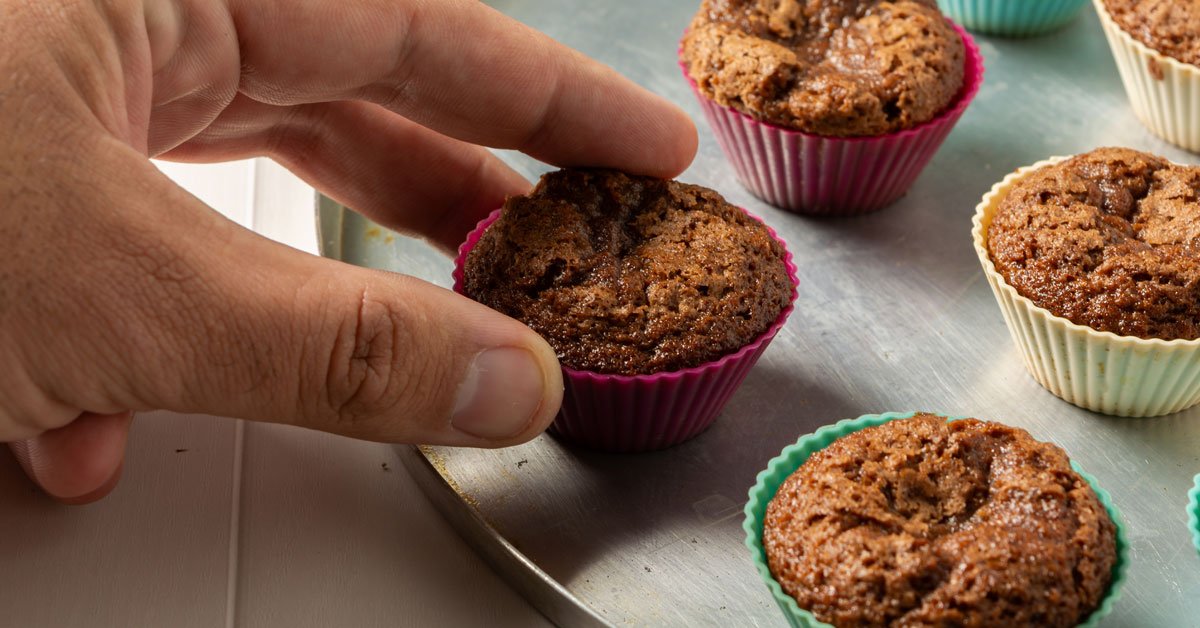
Another group that is getting bigger is low carb protein muffin development aiming at people who are on a keto or low-carb diet. In these recipes, traditional wheat flour is replaced with things like:
- Flour made from almonds
- Flour made from coconuts
- Mixes of fibre
Natural sweeteners like these are often used instead of sugar:
- Erythritol
- Stevia
- Extract of monk fruit
The difficulty is in keeping the taste and softness of traditional muffins while lowering levels of sugar and carbs.
Real Project Insight: A Startup’s Protein Muffin Development Journey
A startup that was focused on fitness wanted to start a high-protein muffin snack aiming at people who go to the gym.
Their first recipe called for a lot of whey protein, which caused a lot of problems:
- Thick texture
- Strong aftertaste of protein
- Short shelf life
Through organised protein muffin product development, the formulation was made better by:
- Combining whey protein with milk protein
- Changing the balance of moisture
- Adding soluble fibres to keep the texture stable
The end result was
- 18 to 20 grams of protein per serving.
- Soft, like a bakery item
- Better shelf life that makes it good for retail sales
This kind of formulation process is common in high protein muffin manufacturing formulation India, where brands must balance nutrition, taste, and scalability.
Why Work With a Protein Bakery Product Development Company
A lot of brands try to make protein snacks by changing the recipes for baked goods. But for a business to be successful, it needs a structured development process.
A professional protein bakery product development company usually helps brands with:
- Researching and improving ingredients
- Making and testing recipes
- Evaluation of the senses
- Validating shelf life
- Help with scaling up manufacturing
This makes sure that the product works well in pilot testing and large-scale production.
You May Also Like: Food Business Ideas - Marketing Leading Ideas (2026)
Conclusion
The functional food market keeps coming up with new and exciting ways to make protein-rich baked goods. Muffins are becoming a strong competitor in the high-protein snack category because they taste good and are easy to eat. But making a good product requires careful attention to the balance of ingredients, moisture control, and baking stability. A well-planned high protein muffin formulation makes sure that the final product is both healthy and satisfying for customers. Brands who invest in proper protein muffin product development can make new snacks that fit with modern eating habits and also work well in commercial markets.
Today is the day to start your product development journey.
Call us at +91-8130404757
FAQs
What is the recipe for high-protein muffins?
Making high-protein muffins means making muffins with more protein while keeping the texture, taste, and shelf life good.
What are the ingredients that go into making protein muffins?
Whey protein isolate, pea protein, milk protein concentrate, oat flour, almond flour, and natural fibres are some of the most common ingredients.
What is the process of making low-carb protein muffins?
The goal of low carb protein muffin development is to lower the amount of carbs in the muffins by using things like almond flour, coconut flour, and sugar substitutes.
Why is it important to come up with new protein baked snack recipes?
Good recipe development makes sure that the product tastes, feels, and bakes well even though it has a lot of protein.
How do companies make protein bakery goods in large quantities?
A lot of brands hire a protein bakery product development company to improve their formulas and make sure the product is ready for mass production.