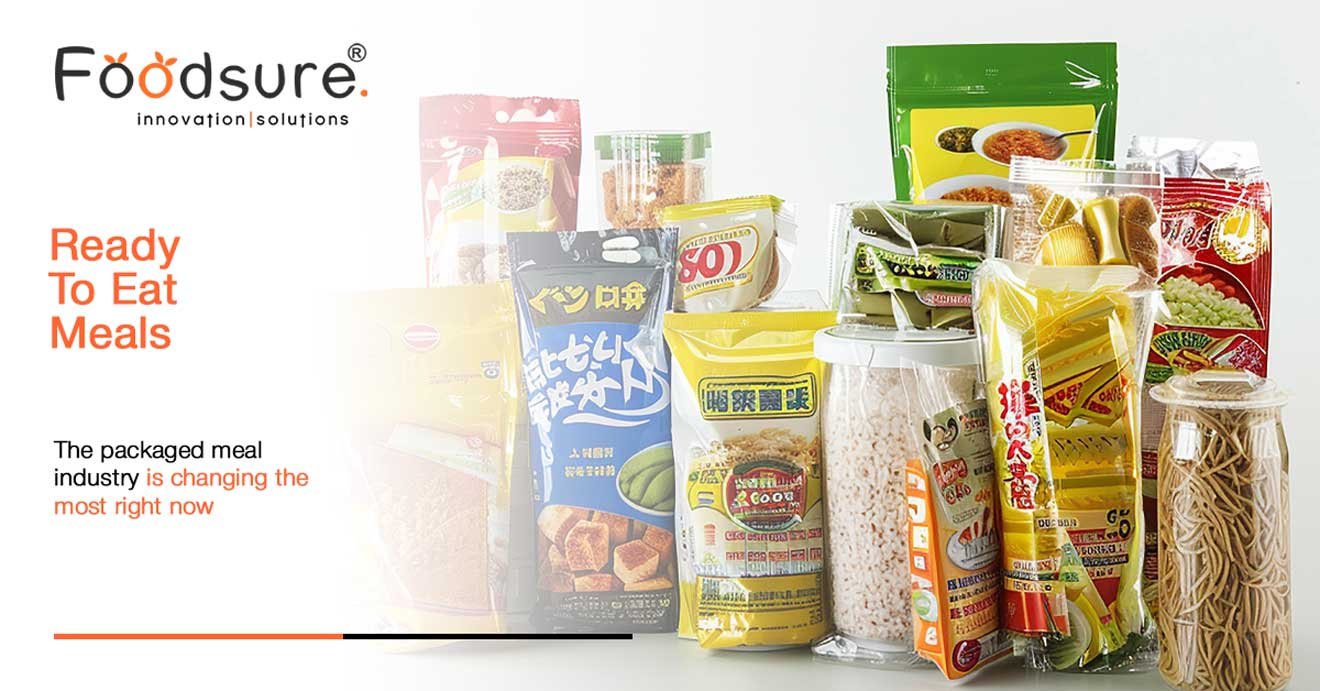
The packaged meal industry is changing the most right now, when the line between “home-cooked” and “ready-made” is getting less clear. For a long time, the industry was known for being easy to use. Now, it is known for being sophisticated in cooking and healthy. At a global scale, we are seeing a big change in ready-to-eat meals are no longer just backups for emergencies; they are now the main choice for people who work in cities in India. To stay ahead of the RTE food business curve for the rest of 2026, you need to know a lot about how consumer behaviour is changing and how new technologies are changing.
BUILD A READY-TO-EAT MEAL BRAND
Launch a Winning Ready-to-Eat Meal Product with Us
Foodsure helps founders develop ready-to-eat meal products — from recipe formulation and retort packaging to FSSAI compliance and pilot manufacturing — so your brand is shelf-ready in 6 to 10 weeks.
Scaling the Surge: The Ready to Eat Food Market Size
The numbers show that people are quickly adopting. The growth of quick commerce by 20% each year and the rise of the middle class’s disposable income are what led to the ready to eat food market size in India is projected to cross $2.5 billion by 2027. The “quality-first” approach is also helping the packaged meal industry.
People today are looking closely at labels for real taste profiles and clean ingredients. This means that the RTE food business has to go beyond basic preservation and into advanced culinary engineering. This $2.5 billion valuation means that entrepreneurs can enter a stable, high-growth market where the only thing stopping them is not just their ability to produce goods, but also their ability to deliver “shelf-to-table” quality that rivals home-cooked food. This change in structure makes sure that the size of the ready-to-eat food market will keep growing as a permanent part of India’s food system.
What is making this happen? The convenience food market is growing from simple instant noodles to complicated gourmet meals with multiple courses. People no longer want “shelf-stable” taste; they want “fresh-frozen” or “retort-processed” quality that is like what they would get at a restaurant.
You May Also Like: New Food Product Development Services For Startup & Founders
The Hyper-Regional Explosion in Ready-to-Eat Meals India
The death of “generic” flavours is the biggest new trend in ready-to-eat meals in India. People today want more than just the usual North Indian dishes; they want hyper-regional authenticity.
- The Trend: There is a rising demand for packaged formats of dishes such as Bisi Bele Bath, Kerala Stew etc.
- The Edge: With advancements in food technology and food formulation, we are able to maintain the natural umami flavor and unique spice content associated with regional cuisine. This ensures that even in a packaged format, the product tastes as good as the original.
Clean Label & Wellness: The New RTE Food Business Standard
The “Emerging Trend” isn’t just what’s in the meal; it’s also what’s not. The RTE food business is moving toward “Clean Label” openness.
- No-Chemical Preservatives: We use advanced Retort technology and High-Pressure Processing (HPP) to give our products a 12-month shelf life without using any synthetic additives.
- Functional RTE: We’re making ready-to-eat meals that are good for people who are vegan, keto, or diabetic. This will turn the convenience food market into a place for health.
Sustainability in the Packaged Meal Industry
The product is only as “clean” as its container in 2026.The trend is going in the direction of:
- Oven-to-Table Recyclable Trays: Lessening the friction between eating and heating.
- Compostable Barriers: New plant-based films that keep the vacuum seal needed for long-term safety while also being good for the environment.
How Foodsure Empowers Your RTE Venture
For a ready-to-eat (RTE) food product to become a successful launch in the market, there is a need to strike a balance between speed, quality, and cost efficiency. As the market for ready-to-eat food products continues to grow, food companies need to ensure that their products not only meet consumer demands but are also compliant with regulatory requirements and cost-efficient. Foodsure helps businesses get the right assistance they need to successfully launch ready-to-eat food products in the market.
- Recipe Engineering: At Foodsure, we help businesses engineer traditional or freshly prepared recipes to become commercially viable ready-to-eat food products. Our team works towards developing recipes that not only have the same taste, texture, and nutrient content even after processing and packaging but are also commercially viable. Our team of experts helps develop recipes that have the same taste, texture, and nutrient content even after processing and packaging. With our assistance, businesses can offer consumers the same authentic taste, texture, and nutrient content even after processing and packaging.
- Cost Optimisation: Cost management is a key factor for a brand to succeed in the competitive ready-to-eat food industry. Foodsure assists brands in optimising their food product development and sourcing approach to strike the perfect balance between quality and cost. By understanding the ingredients, processing, and manufacturing processes, we assist businesses in eliminating unnecessary costs while ensuring the quality of the product. This enables brands to offer high-quality ready-to-eat food products while keeping prices competitive and maintaining high profit margins.
- Regulatory Compliance: Food safety and regulatory compliance are essential for a brand to successfully launch packaged food products in the Indian market. Foodsure ensures that your product complies with all regulatory requirements, including the latest FSSAI regulations and the new 2026 labeling regulations. Our team of experts helps brands in appropriately organizing ingredient statements, nutritional content, and packaging compliance so that products are ready for market approval. We also help brands in making their products comply with international export regulations, making it easier for businesses to enter global markets.
By leveraging its capabilities in recipe innovation, cost optimisation, and regulatory affairs, Foodsure can help food brands launch high-quality ready-to-eat food products that are not only market-ready and compliant, but also scalable for long-term business success in this burgeoning RTE food sector.
You May Also Like: Food Business Ideas - Marketing Leading Ideas (2026)
Conclusion: The Future is Ready
The convenience food market is on a path of tipping. As more people move to cities and consumers’ “time-poverty” grows, the brands that can offer a “zero-compromise” meal will take over the shelves.
Ready to lead the RTE revolution?
Contact Foodsure today +918130404757 to discuss how we can help you formulate, scale, and launch the next big name in the packaged meal industry.
BUILD A READY-TO-EAT MEAL BRAND
Launch a Winning Ready-to-Eat Meal Product with Us
Foodsure helps founders develop ready-to-eat meal products — from recipe formulation and retort packaging to FSSAI compliance and pilot manufacturing — so your brand is shelf-ready in 6 to 10 weeks.
FAQs
How big do you think the market for ready-to-eat food in India will be in 2026–27?
The market is expected to grow quickly and reach $2.5 billion because of the growing demand for high-quality, healthy convenience foods and quick commerce.
What changes is technology making in the RTE food business?
Retort processing and high-pressure processing (HPP) are two technologies that let brands sell ready-to-eat meals that last longer without using chemical preservatives.
What are the most popular flavours of ready-to-eat meals in India right now?
There are still classic dishes, but there is a growing trend toward hyper-regional foods (like South Indian breakfast foods and coastal curries) and global functional foods (like quinoa bowls and protein-rich pastas).
Is the market for convenience foods becoming more health-conscious?
Yes, there is a big move toward “Clean Label” RTE products that are high in protein, low in sodium, and free of artificial colours and trans fats.
What makes packaging so important in the packaged meal business?
In addition to protection, modern clean label packaging must be long-lasting and easy to use. To appeal to eco-conscious customers, it should have features like materials that are safe for microwaves and parts that break down naturally.