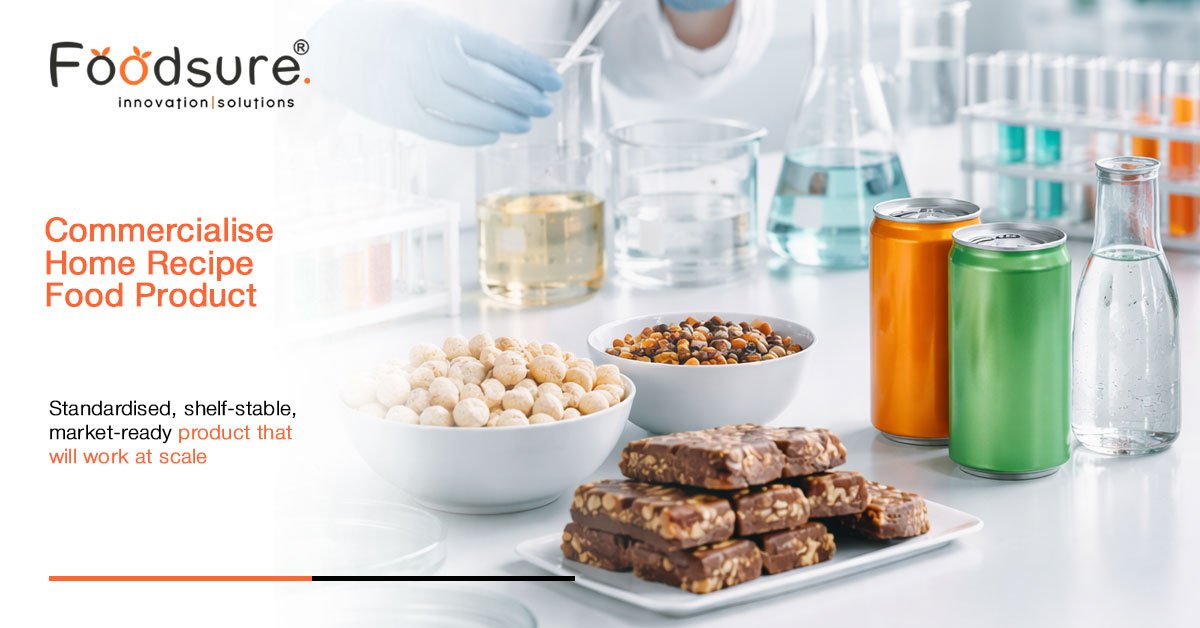
Any food brand that has succeeded today was once a mere notion in someone’s kitchen, only to become one of thousands of home recipes that do not grow beyond their kitchens, though not just in taste but in structure. To commercialise home recipe food product, you must go beyond intuitions and transform your recipe into a standardised, shelf-stable, market-ready product that will work at scale.
In this blog, we will break down the complete journey of turning a home recipe into a food business in India, covering the entire process from kitchen to market, real steps, and industry insights required for a successful home food brand product launch in India.
Why Most Home Recipes Fail to Scale
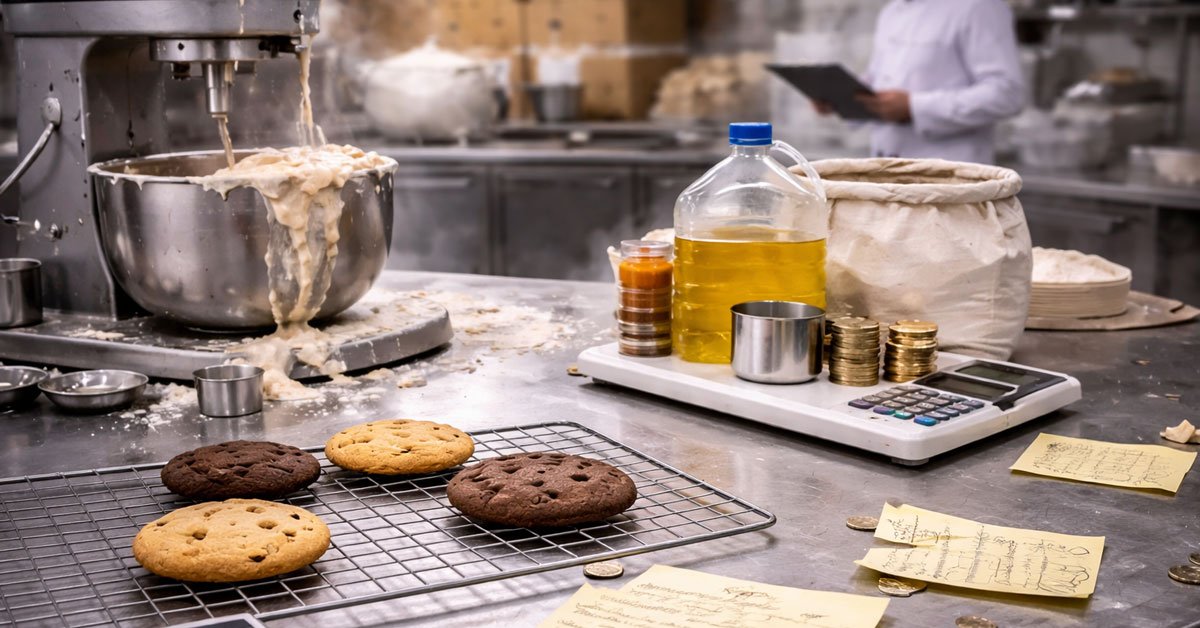
One should have an idea of reality before leaping into action.
Key Failure Reasons:
Problem Area | What Happens | Impact |
No standardization | Inconsistent taste | Low trust |
Shelf life | Spoilage | Retail rejection |
| Packaging | Leakage/damage | Customer complaints |
| Compliance | No FSSAI | Illegal sales |
| Pricing | Low margin/high cost | not scalable |
The home-based food business in India that scales past the local sales is less than 15% in India due to a lack of product development; there is no systematic approach to the development of the strategy.
Market Opportunity: Why Now Is the Right Time
The Indian food start-up market is on fire:
- The packaged food industry of India is likely to reach $3.4 billion by 2027.
- D2C food brands are growing at a 17.3% CAGR.
- The consumers are shifting to:
- Clean label
- Regional flavors
- Homemade authenticity
This provides an enormous potential of turning a home recipe into a food business in India to a scalable food business.
Home Recipe Commercialisation Process.
1. Product Standardisation
You can guess at home and cook, but you cannot do so in business.
What You Need to Do:
- Measure ingredient proportions (grams, not spoons)
- Determine process steps (temperature, time, sequence)
- Design SOP (Standard Operating Procedure).
Make all batches have the same taste, and this is one of the most significant processes in the scale-up of food products in India.
2. Shelf-Life Development
This is what most of the founders do not grasp.
Why It Matters:
Retailers and e-commerce require the following:
- Minimum 3 – 9 months shelf life
- Durability in various circumstances.
Techniques Used:
- Natural preservatives
- Water activity control
- pH balancing
- Packaging test compatibility test
This move will show whether you will be able to scale the homemade food product in India.
3. Ingredient & Cost Optimisation
You may make your own recipe:
- Too expensive
- Too inefficient at scale
Example:
Component | Home Cost | Commercial Cost |
Premium nuts | ₹800/kg | ₹650/kg |
| Packaging | ₹50/unit | ₹18/unit |
| Labor | Uncalculated | Structured |
Optimisation of costs is used to guarantee profitability without quality, as required for cottage food to commercial products in India.
4. Pilot Batch Production
Small business batches, test your product scale, though, before scaling.
Objectives:
- Validate consistency
- Checks Packaging performance checks
- Real-life shelf life of the test
In India, it is a mandatory undertaking in the upscaling of food products.
5. Packaging & Branding
Packaging is not only design but also product protection + marketing.
Key Elements:
- Barrier (moisture, oxygen) properties.
- Label conformity (FSSAI standards)
- Brand positioning
Types of Packaging:
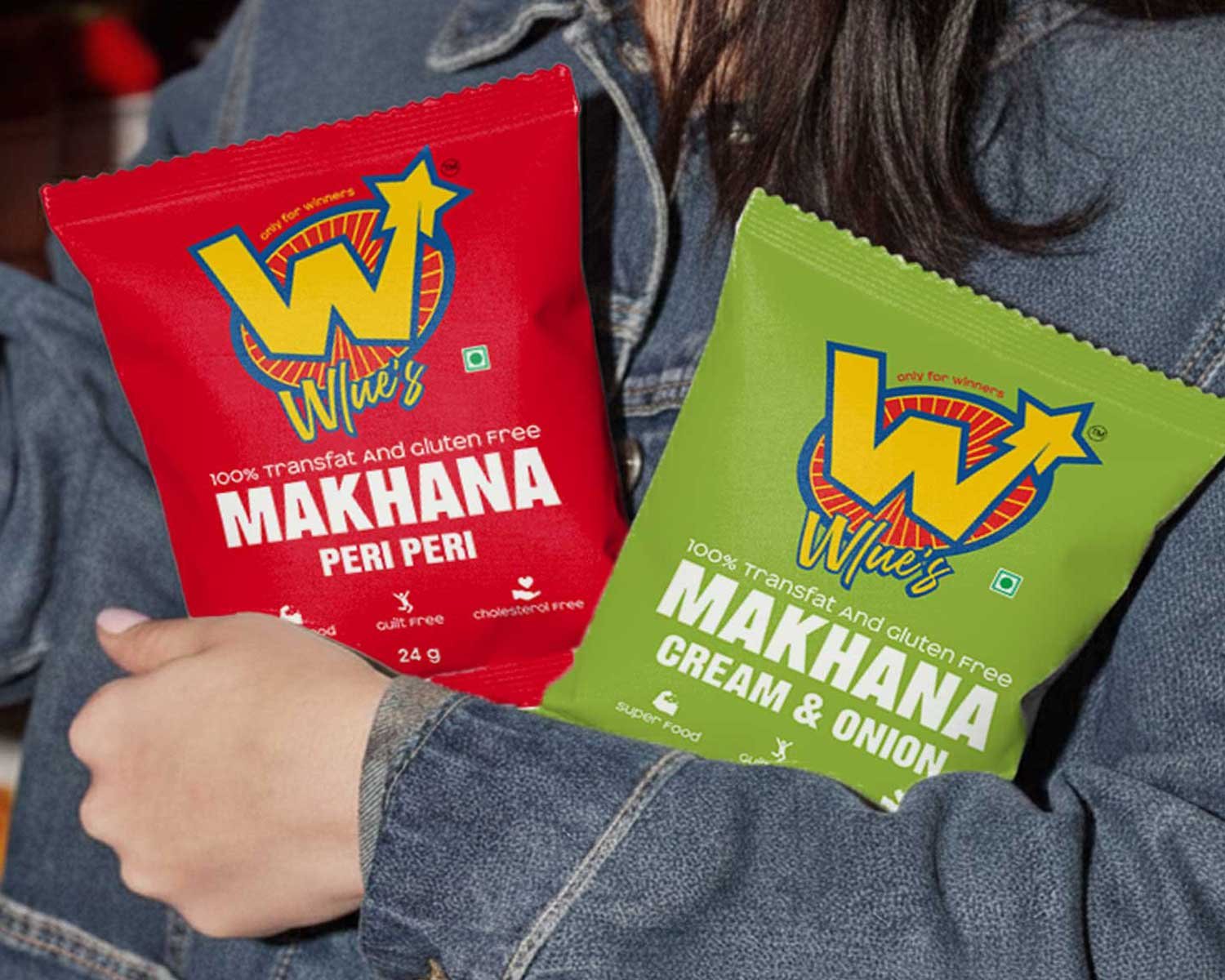
- Dry snacks – Stand-up pouches
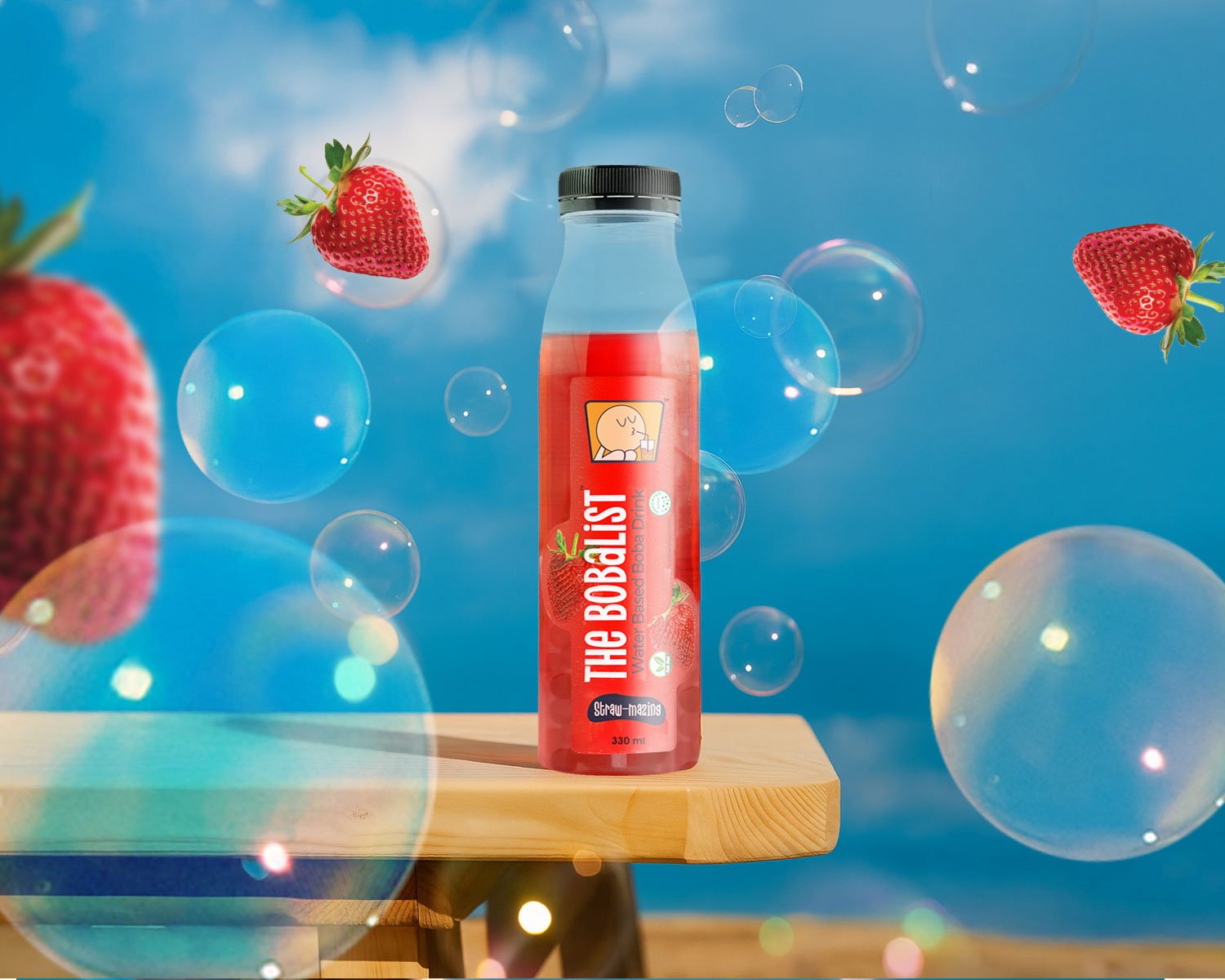
- Liquids – PET bottles
- Premium products, Glass jars
Good packaging can increase perceived value by 30 – 40%, helping in a successful home brand food product launch in India.
6. FSSAI & Compliance
Without compliance, selling is not legal.
Mandatory Requirements:
- FSSAI License
- Product approval (if needed)
- Label compliance
- Nutritional declaration
The cottage food to commercial product India transition cannot be compromised.
7. Manufacturing Setup
You have 3 options:
Model | Setup | Best Fit |
| Own | Full control | Scale |
| 3rd-party | Outsourced | Startups |
| Cloud | Limited SKUs | Early |
Third-party manufacturing is more cost-preferred by most start-ups.
8. Go-to-Market Strategy
When the product is ready, pay attention to sales channels:
Channels:
- D2C (website, Instagram)
- Marketplaces (Amazon, Flipkart)
- Retail stores
- Modern trade
Pricing Strategy:
- Maintain 40 – 60% gross margins
- Take into account distributor margins (20 -35%)
Real Case Insight (Industry Pattern)
This is the way most successful Indian food startups are made:
- Start from the home kitchen
- Sell locally (friends, Instagram)
- Standardize product
- Transfer to contract manufacturing
- Scale using D2C + marketplaces
6 -12 months to commercialise appropriately.
Cost Breakdown to Launch a Home Food Product
Activity | Approx Cost (₹) |
Product development | 50,000 – 2,00,000 |
Shelf-life testing | 20,000 – 80,000 |
| Packaging development | 30,000 – 1,50,000 |
| FSSAI & compliance | 10,000 – 50,000 |
| Initial inventory | 1,00,000 – 5,00,000 |
Total investment: ₹2 – 10 lakhs (typical range)
Challenges in Scaling a Home Recipe
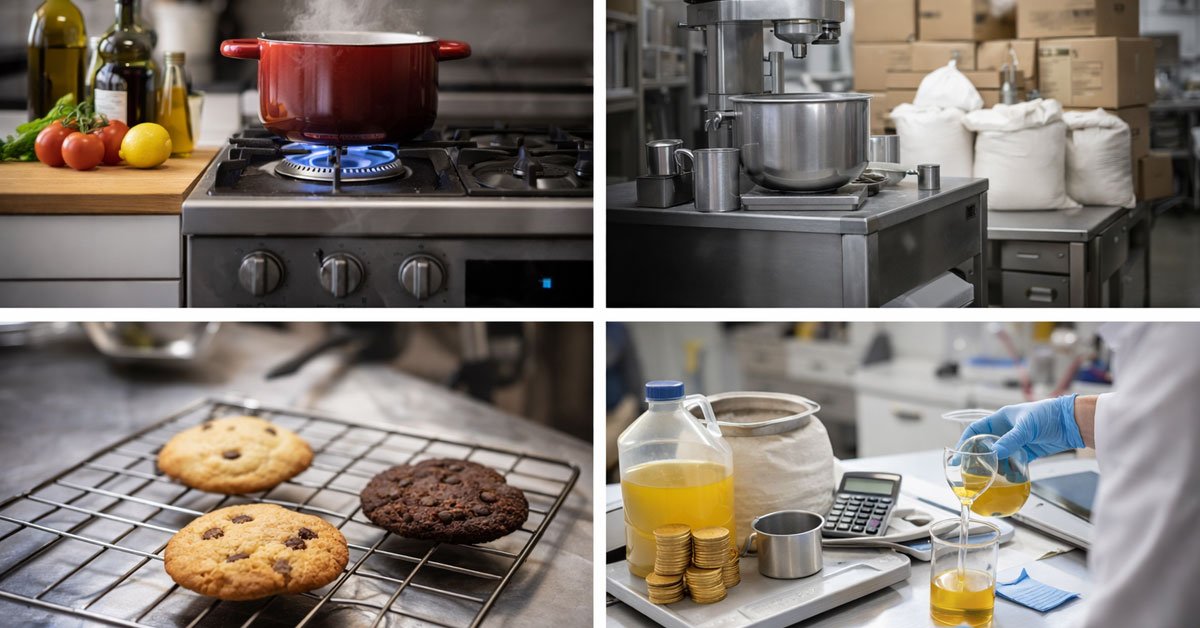
Scaling has its problems, despite having a great product:
- Ensuring batch consistency
- Managing the supply chain
- Balancing cost vs quality
- Building brand trust
- Handling regulations
It is due to this that structured consulting is vital.
How Foodsure Helps You Scale
Turning a recipe into a scalable product needs cross-functional knowledge.
Our Role:
- Formulation and standardisation of the product
- Stability Shelf-life testing.
- Ingredient optimization
- Packaging development
- FSSAI compliance & approvals
- Manufacturing support
There is a scientific, structured roadmap, rather than a trial-and-error one.
Founder Takeaway
A home recipe is not a business; it is only a beginning point.
What makes it a business is:
- Repeatability
- Scalability
- Compliance
- Profitability
When you start treating your recipe like a product on Day 1, you will have significantly lowered its chance of failure.
Call Foodsure to commercialise home recipe food product
If you’re serious about building a scalable food brand, don’t rely on guesswork.
Be it the commercialisation of an existing or a home recipe food product, Foodsure can assist you in getting your product out of the kitchen and into the market faster, smarter, and compliant.
Contact us now and transform your favourite recipe into a proper business!
FAQs
What about the commercialise home recipe food product?
You should standardise your recipe, create shelf life, be FSSAI compliant, be cost-optimal, and scale production via a structured process.
How much does it cost to turn a home recipe into a business in India?
It is usually between 10 lakhs -2 in relation to the complexity of the product, testing, packaging, and scale.
Should I have FSSAI approval to sell homemade food?
Yes, even small-scale food businesses must be registered under FSSAI, or a license must be obtained to sell.
What is the duration of scaling of a home-prepared food product?
Average time in commercialising appropriately is 3 – 9 months, involving testing and compliance.
Is it possible to sell home-cooked food in India?
Yes, via sites such as Amazon, Flipkart or your own site, as long as you comply.
What is the most challenging part of scaling home food products?
Achieving consistency, shelf life and cost efficiency at scale.
Should I outsource or make it myself?
Third-party manufacturing is a common practice in startups as it lowers the capital investment and can scale at a faster rate.