It is a tough decision for food entrepreneurs to decide what to place on their food products. The debate over creative marketing strategies versus strict compliance is ever dynamic. It is extremely important to understand the scope of ‘food label claims India. It is extremely important to understand this scenario to master the strict food labelling laws India has set for food businesses. The global food market was recorded at USD 3.03 trillion in 2022. It is important to have expert knowledge of the FSSAI labelling guidelines for a successful food business. Making food claims India strictly prohibited can destroy a food brand.
What Are Food Label Claims in India?
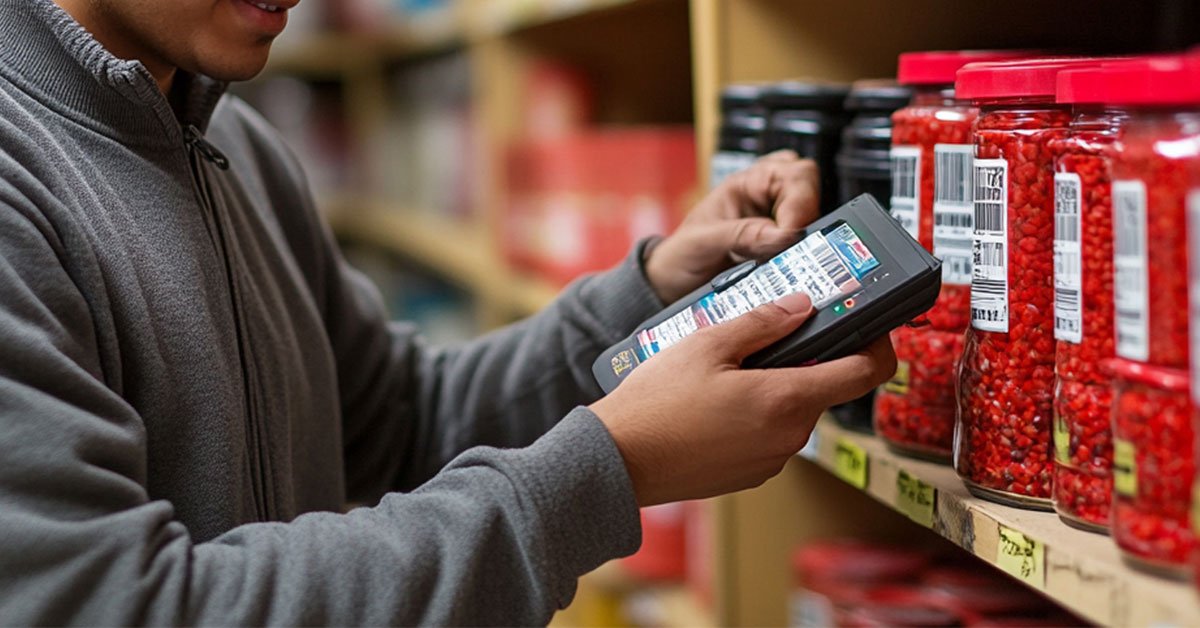
The food label claims India regulations encompass every claim or implication made about a food product’s nutritional value, health benefits, or quality of ingredients used in a food product. These are covered under the Food Safety and standards act of 2006.
Food label legal requirements are in place to ensure that consumers are never misinformed about what they are consuming or purchasing. The FSSAI labeling guidelines are crystal clear when they state that all claims made on food products need to be true and verified with scientific or lab evidence before they are made. Brands that don’t follow these regulations are liable for action at any stage of the product’s lifecycle.
Permitted vs Prohibited: Understanding Food Label Claims India
Brands often get confused between what is permitted and what is not permitted. The above table provides an overview of the current scenario for the ‘food label claims India’ segment.
| Feature | Legal Claims | Illegal Claims |
| Main Focus | Factual Data | Exaggerated Truths |
| Health Status | Science Backed | Cure Promises |
| Daily Output | Regulated Term | Fake Approvals |
| Expected Costs | Standard Audit | Heavy Fines |
| Safety Checks | Routine Checks | Sudden Bans |
Key Trends Shaping Food Label Claims India Today
The enforcement of food labels claims India is undergoing a rapid transformation in terms of awareness among consumers and the authorities.
The cases of misleading claims in India are increasing in the country.
- The move towards the modification of front-of-pack labels is gaining momentum.
- The practice of using QR codes to verify the labels is becoming popular in the country.
- The use of words like “natural” and “organic” is being monitored.
- The health claims are also being standardized as per the Codex Alimentarius standards.
- The thresholds of nutrition claims regulations India are also being examined.
Brands which comply with the existing food labeling law in India will be able to avoid legal issues and gain consumer trust.
The Core Components of Valid food label claims India
Every successful packaging model is based on tightly managed core components. Each of these directly affects the shelf presence, legal standing, and trust of the consumers. Ensuring you have managed food label claims India well is absolutely critical. This ensures you do not attract unwanted legal attention. This also ensures that the consumers get exactly what they have paid for.
| Component | Nutrition Panel | Health Tag |
| Main Focus | Exact Values | Benefit Stated |
| Active Step | Lab Testing | Proof Gathering |
| Common Goal | Legal Safety | Brand Trust |
| Extra Support | Expert Audit | Legal Review |
Understanding food label legal requirements is the first step to building a robust, compliant product portfolio.
Common Problems Brands Face with Food Label Claims India
False claims food labeling is the most common problem faced by food companies in India. This problem is also the costliest one. The common problems faced by food companies in India are:
- No structured compliance roadmap available.
- Regulatory filings delayed due to errors.
- Unproven health benefits are promised.
- Lacking mandatory allergen warning statements.
- Improper font size usage detected.
- Supply chain packaging delayed.
All of these are direct violations of the nutrition claims regulations India mandates for food businesses.
Types of Claims and Their Regulatory Status
Knowledge of what types of claims are legal for food labelling in India will help food brands make more intelligent and safer food packaging decisions. The packaged food market in India is set to grow at a CAGR of 6.3% till 2028 (Source: Grand View Research).
| Claim Type | Regulatory Status | Action Required |
| Nutrient Content | Permitted | Lab Proof Needed |
| Health Claim | Restricted | Prior Approval |
| Organic Claim | Conditional | FSSAI Certification |
| Disease Claim | Prohibited | Not Permitted |
| Comparative Claim | Conditional | Evidence Mandatory |
Approaches for Proper Packaging Compliance FSSAI
The best food brands know the importance of legal consistency from the drafting board to the shelf. When developing a strategy, the success of the strategy relies on the procedures selected. Any successful strategy developed today must include the right blend of creativity and boundaries in the law.
- Selection of clear label terms.
- Strict data management in production.
- Legal review in printing factories.
- Artwork stress and survival tests.
- Implementation of regular compliance checks.
- Rapid update distribution delivery routes.
Consistent execution of these steps is what packaging compliance FSSAI truly requires from modern food businesses.
The Clean Label Challenge and Misleading Food Claims India
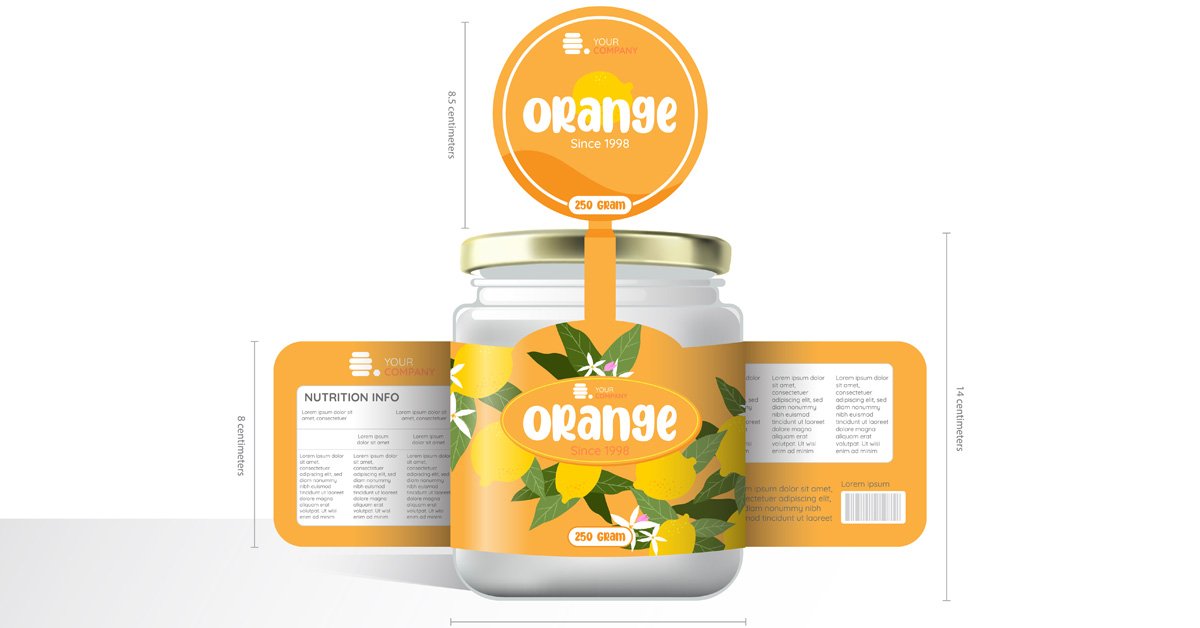
Misleading food claims India brands often make are disguised under the umbrella of clean label marketing. Words such as “100% natural,” “chemical-free,” and “toxin-free” are not defined under existing labelling regulations by the FSSAI.
Food brands that use undefined wellness claims on packaging are at risk of being prosecuted by the authorities, even when the claims are made with the purest of intent. Clean label always has to equal clean compliance regulator-defined standards are not equivalent to those defined by marketers.
Manufacturing, Reformulation, and Food Labelling Laws India
Manufacturing activities have a direct bearing on the food label’s accuracy. Ingredient substitution, supplier change, or manufacturing process change can significantly change the food label, making the existing claims false and, therefore, legally not compliant.
If food manufacturers consider food label compliance a one-time activity, they will inadvertently become violators of false claims food label laws. Therefore, it is imperative that food manufacturers undertake regular internal audits, consult food lawyers, and conduct regular lab tests to ensure long-term food label compliance, not just for the launch of the food product, but for the entire lifecycle of the food product.
We at Foodsure help food manufacturers audit their food labels, verify every claim, and achieve food label claims India compliance.
Conclusion: Stay Compliant with Food Label Claims India Standards
Label compliance is a business-critical function that doesn’t stop at product launch; it’s a constant process. Every food label claims India violation is a direct threat to your brand’s trust and market access.
Are you planning to bring a new product to market or review your existing range of food products for label compliance? Understanding food laws India is the first step to building a food brand that is both compliant and trusted.
At Foodsure, we are dedicated to delivering complete label compliance services for food brands operating in India.
Are you ready to make your food labels bulletproof?
Get in touch with Foodsure today!
FAQs
What are food label claims India regulations based upon?
The claims are based upon the Food Safety and Standards Act of 2006 and the associated FSSAI food labeling guidelines.
Which claims are completely prohibited under food labeling laws India?
Disease cure claims and unverified health benefit claims are completely prohibited.
What constitutes a misleading claim under food claims India that must be avoided?
Unverified health claims, over-statement of nutrient content, and ambiguous health-related wellness claims.
How do food claims regulation India define “high protein” claims?
A food must have at least 12g of protein content in 100g of the food to qualify under food claims regulation India.
Is “natural” a recognized claim under FSSAI labeling guidelines?
No. The term “natural” does not have a standardized legal definition under the FSSAI food labeling regulations.
What are the penalties for false claims food labeling law in India?
The penalties for food labeling law infringement in India consist of fines and recalls of the food product, as well as revocation of the license.
How often should food claims regulation India be reviewed by food companies?
The food claims regulation must be reviewed at least once annually by food companies through compliance audits.