The Indian snack market is quickly moving toward snacks that are simple to use. Busy people and people who want quick meals are both on the rise. Ready-to-Cook Snacks and Ready-to-Eat Snacks are two categories of snack manufacturing that are growing quickly. Starup founders have to choose between these two models, and the choice affects more than just the product. It also affects costs, operations, shelf life, and profits.
Both groups are part of the growing convenience food market, but they are very different in how they work and how big they can get. This blog breaks down the real differences so that business owners can choose the model that will make them the most money and help them reach their goals.
Understanding the Two Models
What Are Ready-to-Eat Snacks?
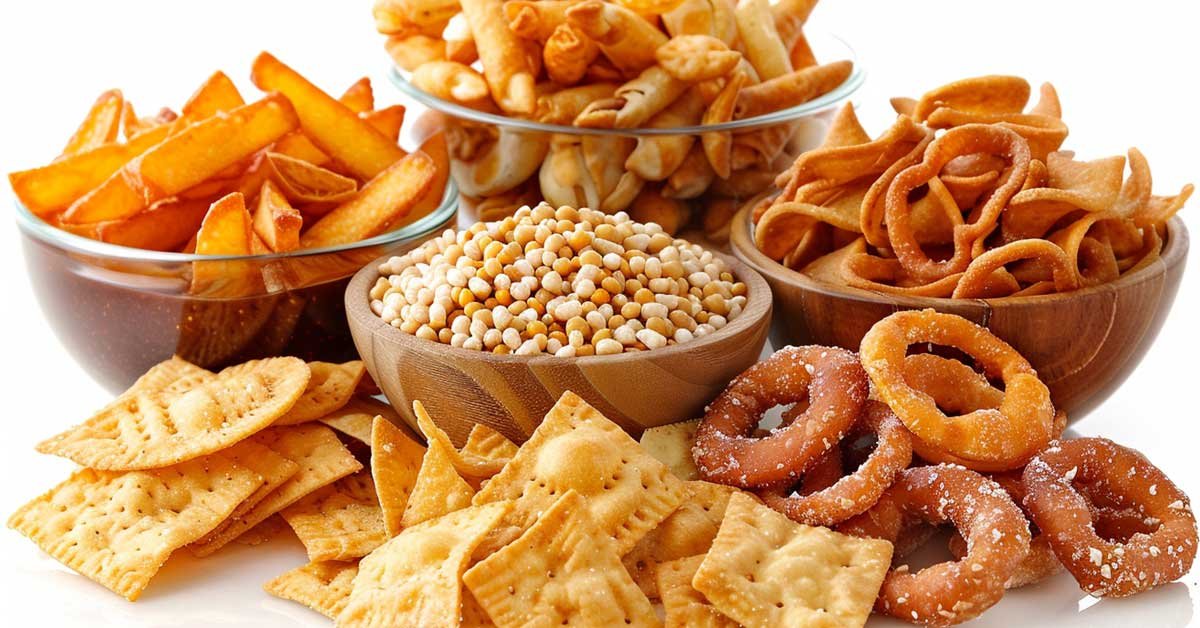
Foods that are ready-to-cook snacks and ready-to-eat snacks are snacks that you can eat right away without having to do anything to them. These are:
- Chips and namkeen
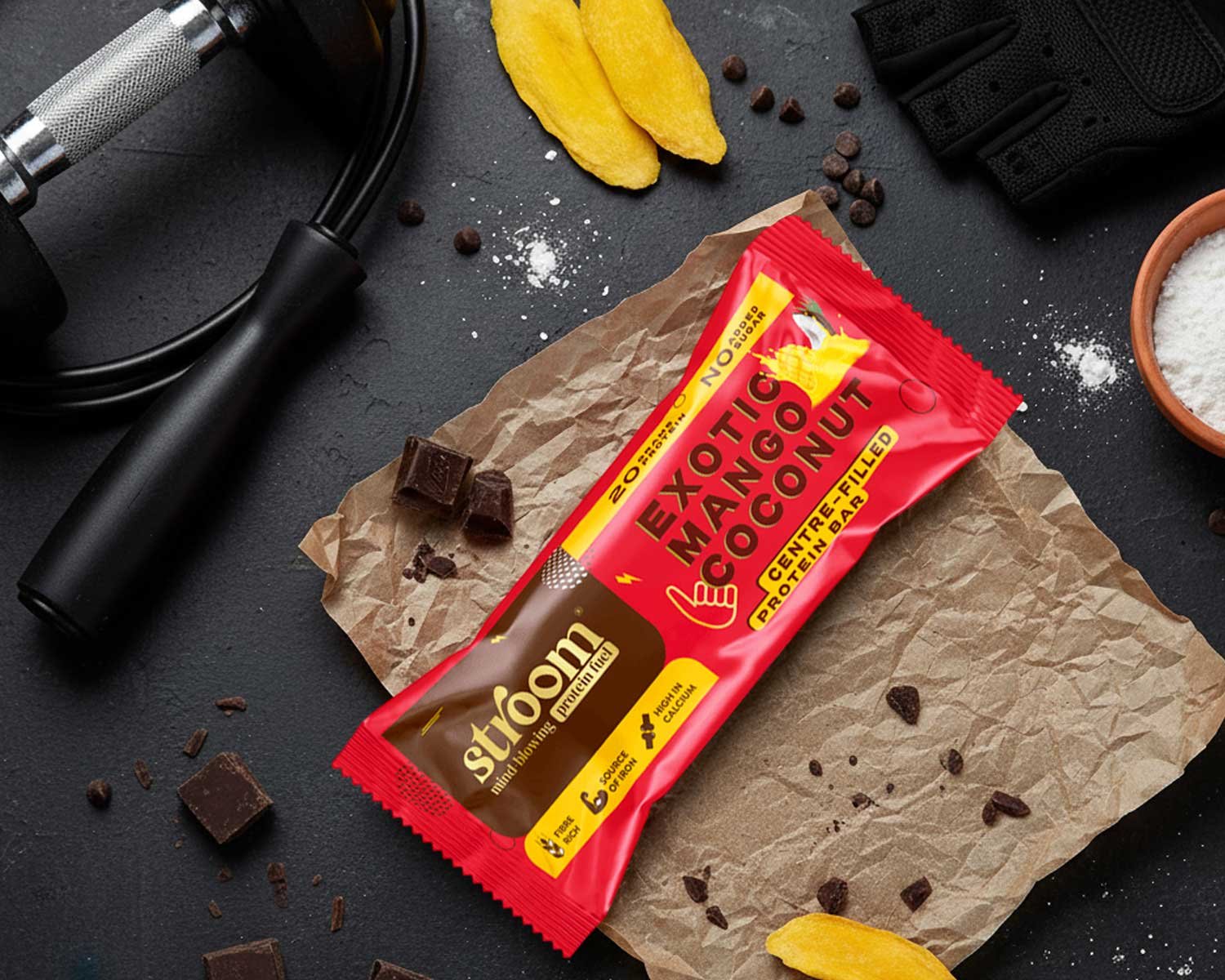
- Protein bars and snacks that are baked
- Desserts in boxes
- Snack packs that are ready to eat
This segment is already well-known and accepted by all types of consumers.
What Are Ready-to-Cook Snacks?
You don’t have to do much to ready-to-cook snacks before you eat them, like heat them up, fry them, or bake them.
Some examples are:
- Momos and nuggets that are frozen
- Mixes that are ready to use
- Snack foods that have been marinated ahead of time
- Frozen meals that are ready to eat in India
This group is growing quickly, especially in cities and among working adults.
Market Opportunity Comparison
The packaged snacks market: ready-to-cook Snacks, ready-to-eat snacks are the most popular type of food in India because they are easy to find and cheap. But ready-to-cook snacks are becoming more popular because of:
Better sense of freshness
A bigger selection of products
More value in their eyes
In the convenience food market in India, both groups are expected to grow, but at different speeds and with different types of customers.
Cost Structure Analysis
Ready-to-Eat Snacks
- Parts of the cost are:
- Materials in their natural state
- Making and processing
- Packaging and shipping
It’s easier to scale up when production is more streamlined. But because there is a lot of competition, margins can be tighter.
Ready-to-Cook Snacks
Cost parts are more complicated:
- Raw materials (which can go bad)
- Processing and cooking a little bit
- Storage in a cold chain or a special way
- Packaging (often high-end)
The cost structure is higher, but so is the possible selling price. When you look at ready-to-cook Snacks, ready-to-eat snacks, Products that are ready to cook commonly cost more.
Shelf Life & Storage
Ready-to-Eat Snacks
- Shelf life is longer (3 to 9 months)
- Easy to store (in normal conditions)
- Less complicated logistics
This makes them perfect for shipping on a large scale.
Ready-to-Cook Snacks
- Shorter shelf life, especially for frozen or chilled items
- Needs a cold chain in a lot of cases
- Higher costs for storage and transportation
Managing shelf life becomes very important for making money.
Consumer Preference Trends
Convenience vs Experience
People like ready-to-eat snacks for:
- Eating right away
- Snacking on the go
- Not much work
People like ready-to-cook snacks for:
- Flavour and freshness
- Feel like you’re at home
- Preparation that can be changed
The choice between ready-to-cook snacks and ready-to-eat snacks depends a lot on who the audience is.
Urban Consumption Behaviour
In both groups, city dwellers are driving demand:
- Students and people who work in offices like to eat ready-to-eat food.
- Ready-to-cook foods are popular with families and people who care about their health.
The rise of frozen ready meals in India shows how this change is toward hybrid convenience.
Profitability Comparison
Ready-to-Eat Snacks Profitability
Advantages:
- Less complicated operations
- Easier to scale
- A wider reach for distribution
Challenges:
- A lot of competition
- Sensitivity to price
- Lower profit margins in the mass market
Ready-to-Cook Snacks Profitability
Advantages:
- Possibility of premium pricing
- Different types of product positioning
- More value seen
Challenges:
- Higher costs for production and logistics
- Managing the shelf life
- Reliance on the cold chain
When you compare Ready to Cook Snacks, Ready to Eat Snacks can give you better margins, but it also has a higher risk of operational problems.
Real Founder Insights
Founders often don’t realise how complicated ready-to-cook products are based on their experience in the industry.
In one project, a brand released frozen snacks without fully planning how to get them to stores. At first, demand was high, but problems with shipping caused returns and higher costs.
In contrast, brands of ready-to-eat snacks often have a hard time standing out because there is so much competition in the packaged snacks market.
Which Model Should You Choose?
Choose Ready-to-Eat Snacks if:
- You want to get into the market faster.
- You like things to be easier.
- You are going after a lot of people.
- You want things to last longer and be easier to get to.
Choose Ready-to-Cook Snacks if:
- You want a high-end position
- You can handle cold-chain or specialised logistics.
- You are going after people who live in cities or have specific interests.
- You want to get more money for your goods.
The Ready to Cook Snacks, Ready to Eat Snacks. Your business model, not just market trends, should guide your decision.
Foodsure’s Role in Product Development
Picking the right model for a snack is just the first step. What matters is how well you do it.
Foodsure helps brands in both categories by providing:
- Complete product development
- Making and improving recipes
- Testing for shelf life and stability
- Cost optimisation and pricing strategy
- Suggestions for packaging and processes
Foodsure has helped brands choose the right format for their projects based on their market goals and operational capacity.
Whether you are building ready-to-eat snacks India products or looking around at ready-to-cook meals India, Foodsure makes sure that your product works well and can be sold.
Practical Takeaways
Before you finish your model:
- Know how your target customers act
- Check how well you can run your business
- Look at the cost compared to the potential price.
- Plan your distribution and logistics ahead of time
- Test your product on a small scale to make sure it works.
These steps lower risk and raise profits.
Conclusion
Snacks that are ready to eat or cook are both great options in the growing convenience food market in India. But they are very different in terms of price, how they work, and how well they can grow.
The Ready to Cook Snacks, Ready to Eat Snacks. In the end, comparison comes down to your business plan. Ready-to-eat is easy to use and can be made in large quantities, while ready-to-cook is more expensive and has higher profit margins.
With the right help and approach, founders can build successful brands in either category.
Call us at +91-8130404757 to develop your snack product with Foodsure.
FAQs
What is the difference between snacks that are ready to eat and snacks that are ready to cook?
Snacks that are ready to eat don’t need any preparation, while snacks that are ready to cook need only a little bit of cooking before you can eat them. This makes them taste fresher but makes them harder to prepare.
Are ready-to-eat snacks or ready-to-cook snacks more profitable?
Ready-to-cook snacks can have higher margins because they are priced higher. Ready-to-eat snacks, on the other hand, can make stable profits because they are easier to distribute, cost less to run, and are more popular.
What makes ready-to-eat snacks popular in India?
Because they are easy to find, last a long time, and are cheap, ready-to-eat snacks in India are great for everyday use.
What problems do ready-to-cook meals in India have?
Ready-to-cook meals in India have problems with cold-chain logistics, shorter shelf life, higher costs, and keeping the quality of the food during storage and transportation.
What does Foodsure do to help make new snack foods?
Foodsure helps businesses that make ready-to-eat and ready-to-cook snacks with formulation, testing shelf life, cutting costs, and making products that can grow.