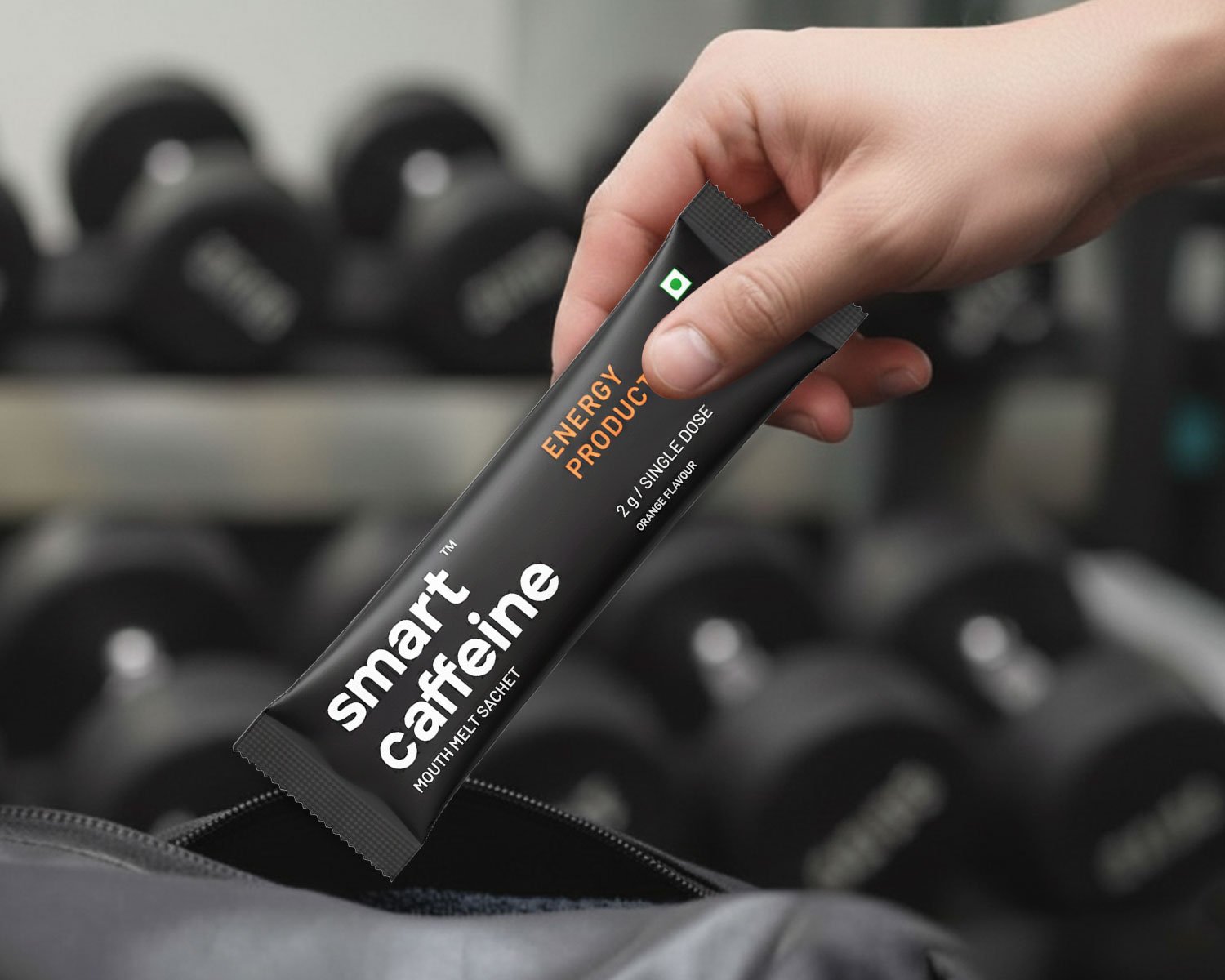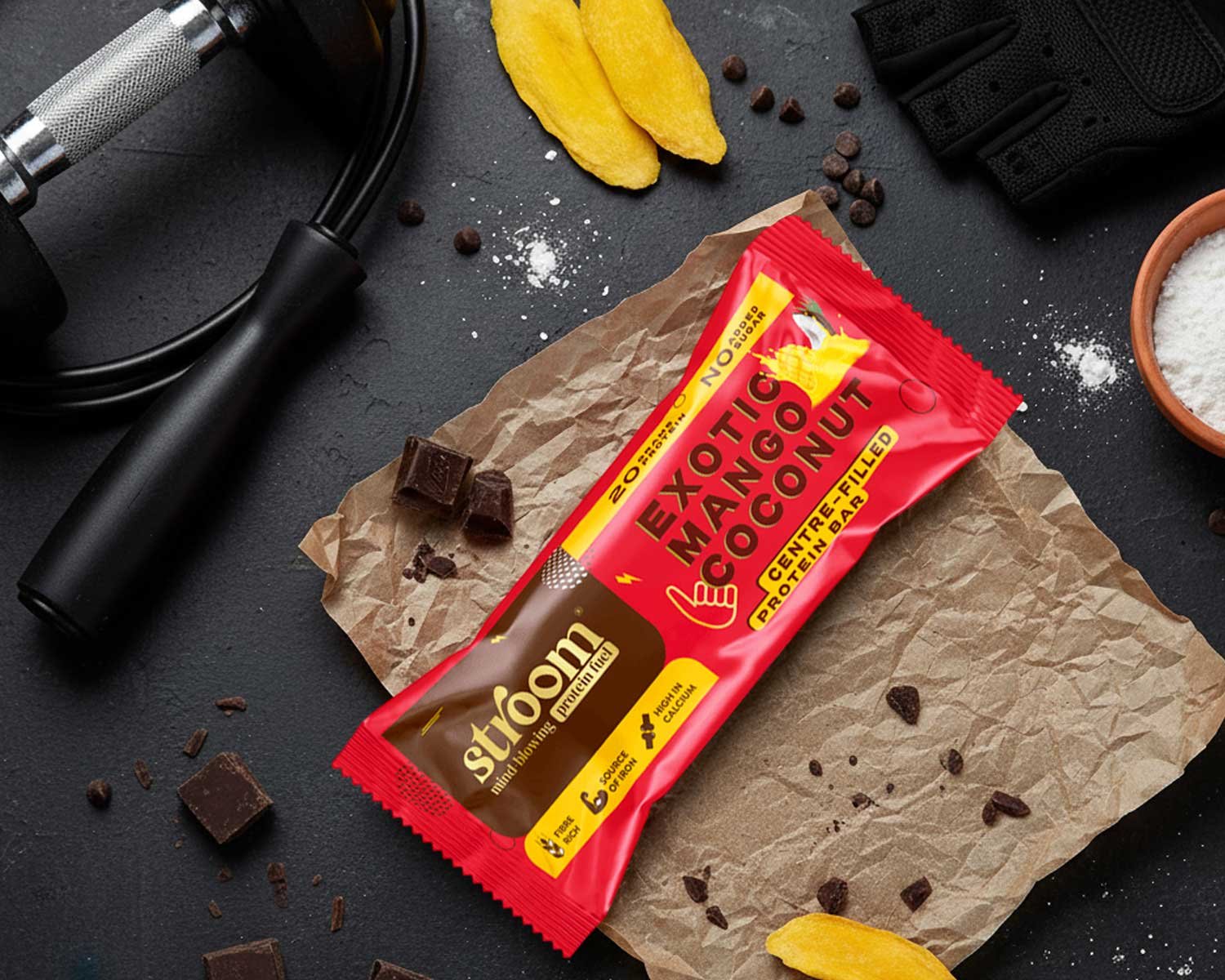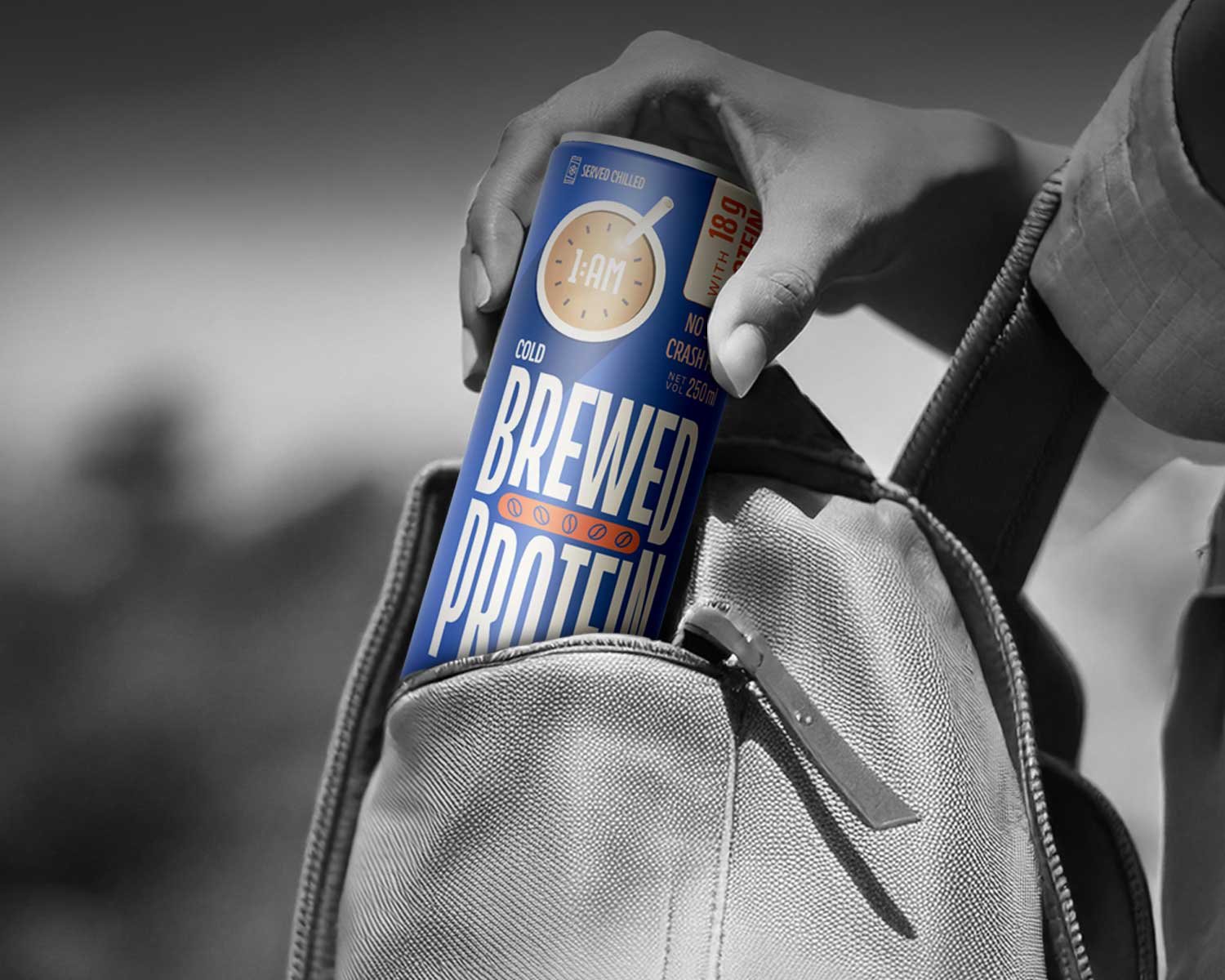
Fitness used to be a joyful hobby in India. It’s now a way of life that makes billions of dollars. These days, those who don’t work out also utilize protein powder. In 2026, aging folks, busy city workers, and the expanding number of “weekend warriors” will all need it. Experts say that the market for protein supplements in India will expand by 13.3% every year from 2026 to 2033. This means that there is more room than ever for new enterprises to open.
You need more than just a good idea to start a protein powder business. You also need to know how to run the supply chain, follow a lot of FSSAI rules, and perform a lot of digital marketing that works. Polls from the last few years show that about 74% of Indians don’t get enough protein. New firms can easily fill this big “protein gap.” This article offers you the quickest way to create a successful business in India in 2026, no matter what kind of protein you want to sell (whey, plant-based, or microbial).
The 2026 Plan for a Successful Protein Powder Business
It sells protein powder: “Can you prove its purity? “Can you make it?” will be the question in 2026. People are more likely to trust a business that is honest and has “clean labels.” If you want your protein powder business to go well, you need to be sure that your plan is in line with the most recent developments in the law and how people’s views on specialized nutrition are changing.
1. Market Research: How to Choose Your Protein Source
There are three main sorts of firms in India that are involved in protein powder manufacturing India right now:
- Whey and casein: Still the most popular products, accounting for all sales. That’s because India makes the most milk in the world.
- Vegan: This group is growing the fastest in 2026. For people who can’t consume dairy or care about animals, it offers proteins from peas, soy, and brown rice.
- Functional Blends: Ayurvedic herbs like Ashwagandha or Brahmi mixed with proteins to make you healthy all over.
2. Learning how you make things
You don’t need a factory to start. Most of the stories of successful supplement brand startup India start with one of two models:
- Whey protein private label India: You pick a contract manufacturer that has the right tools and licenses from the FSSAI. You put your name on the product.
- Own Manufacturing: High CAPEX (beginning at ₹50 Lakhs+), but you have full control over the supply chain and all the money you make.
3. Finding out how much a protein supplement cost India
Planning your money is really important. When a startup looks at the price of protein supplements in India, this is what it usually sees:
- It costs between ₹3,000,000 and ₹7,000,000 to manufacture a product and get an initial supply (for a launch with three types).
- Licensing and compliance fees could be between ₹50,000 and ₹1.5 Lakhs.
- In the first six months, branding and advertising cost between ₹2 Lakhs and ₹5 Lakhs.
- Total Initial Burn: If you want to start a D2C firm, you should be ready to spend between ₹7 Lakhs and ₹15 Lakhs.
The Legal and Regulatory Framework (FSSAI 2026 Update)
The FSSAI license will be the most important thing for your business in 2026. “Real-time Traceability” standards say that every batch must be recorded electronically, from the raw materials to the final customer.
Things You Must Do:
- The FSSAI Central License: You need a Central License to sell protein powders, even if you don’t make a lot of money, because they are “Health Supplements” or “Nutraceuticals.”
- If you want to sell on Amazon and other health-related sites, you need to sign up for GST.
- Labdoor or another company tests: Customers will need to see a “Certified for Sport” or “Third-Party Lab Tested” badge on a product in 2026 to trust it, even if not everyone needs to see one.
- Labeling Accuracy: FSSAI is now keeping a close eye on “Protein Spiking” to make sure the labels are correct. “Nutraceutical” should be clearly written on the label, and the amino acid profile should be correct.
Pro Tip: Never say that something can cure an illness, such as “Cures Muscle Dystrophy.” To avoid having to pay hefty fines and recall products, only make factual promises, such as “Supports muscle repair.”
What do people want? Insights from the 2026 Survey
According to a study from 2026, every fitness supplement firm in India needs to pay attention to these three main trends:
- Some Indian flavors, such as ‘Filter Coffee,’ ‘Kesar Badam,’ and ‘Mango Lassi,’ are giving ‘Chocolate’ and ‘Vanilla’ a run for their money.
- People want single-serve sachets 25% more than tubs that carry 2 kg. This is because people are coming to the area or moving there.
- D2C Dominance: In Tier 1 and Tier 2 cities, brand websites and quick-commerce applications like Blinkit and Zepto account for more than 60% of protein sales.
Margins of Profit and Growth
If you do it well, you can make a lot of money selling protein powder.
- The gross margins are between 45% and 55%.
- When you include marketing and logistics, the net margins can be anything from 20% to 30%.
If you want to grow, you need to pay attention to “retention.” It costs a lot of money to get a new client, yet a committed subscriber has a high Lifetime Value (LTV) because protein is a consumable product.
Be sure to launch your brand.
You need to know how to follow the regulations and make things scientifically if you want to build a protein empire in India’s competitive market. Don’t allow rules to stop you from doing what you need to do.
At Foodsure, our professionals can help you with anything, from getting your FSSAI Central License to registering your brand.
Are you ready to take over the world of fitness?
Call us right now for a free consultation so we can assist you in getting your product on the shelf!
FAQs
Does a new protein powder business need an FSSAI license?
Yes, that’s quite crucial. Because protein powder is designated a “Health Supplement” in India, you usually require a Central FSSAI License to make or sell it.
Is it possible to launch a protein brand without having a factory?
You can utilize the private label India services for whey protein, yes. While contract manufacturers take care of production, you can focus on making sales and growing your brand.
How much does a 1 Kg container of protein powder usually cost in India?
Making items normally costs between ₹700 and ₹1,100 per kilogram, which includes the cost of supplies, packing, and labelling. They usually cost between ₹1,800 and ₹3,500.
What are the rules for putting labels on protein powders in 2026?
There must be a full nutrition table, a warning about allergens, and the FSSAI logo with the license number on the labels. You can’t say that you can fix illnesses.
How do I persuade people to stop saying my brand isn’t real?
It’s very important to be honest in 2026. The best approach to prove that something is real is to put a QR code on each tub that links to a Certificate of Analysis (COA) for that batch.
Do I need to register my fitness supplement business India?
You can start, but it’s highly suggested. A trademark protects your firm from rivals, and most large online stores demand one to sell there.
Is it possible to offer both whey protein and plant-based protein with the same license?
You can sell more than one sort of product with one FSSAI license as long as the company can handle both types and keep track of which customers have allergies so they don’t get them mixed up.