Nutrition is of critical importance for the overall well-being of humans. It is a tough call for today’s consumers to decide on the best health products that are available in the market. The debate on daily nutrition is changing in the scientific community across the globe. It is extremely important to understand the analysis of the best Functional Food Categories. There is a query that is asked most often regarding the type of diet that is more beneficial.
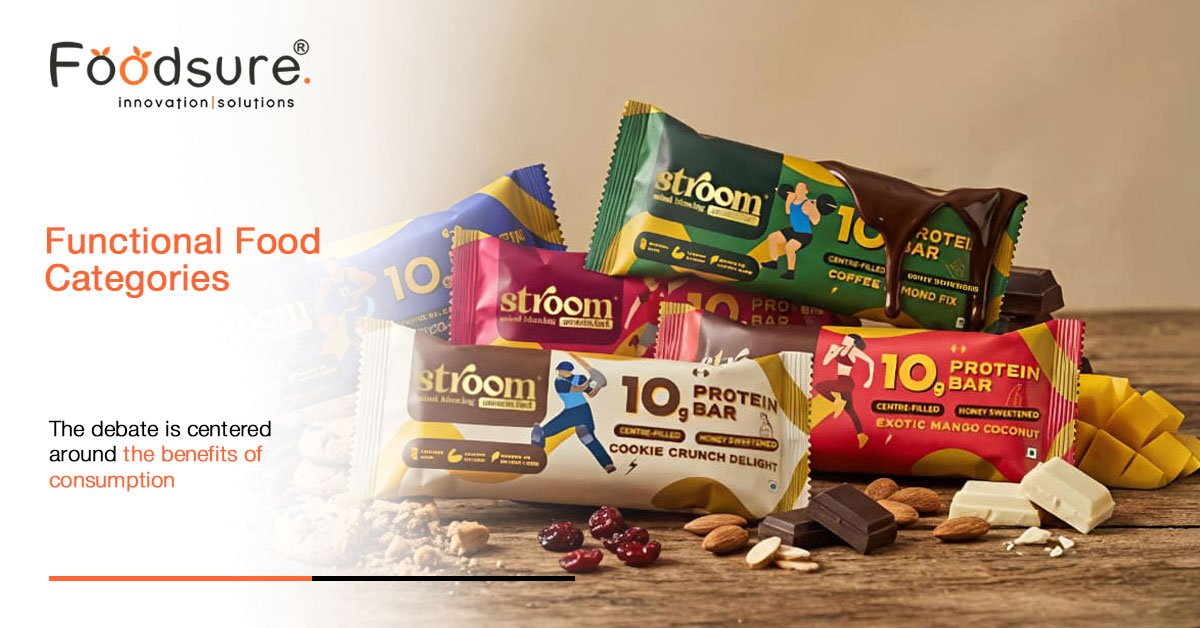
The debate is centered around the benefits of consumption in the long term. It is extremely important to understand this scenario to utilize the fastest-growing functional food that is available in the market today. The official global market size was recorded at USD 329.65 billion in 2023 and will grow significantly by 2030. (Source: Grand View Research). The massive growth in the health food market in India is indicative of the preventive healthcare movement.
What Is the Difference in Functional Food Categories?
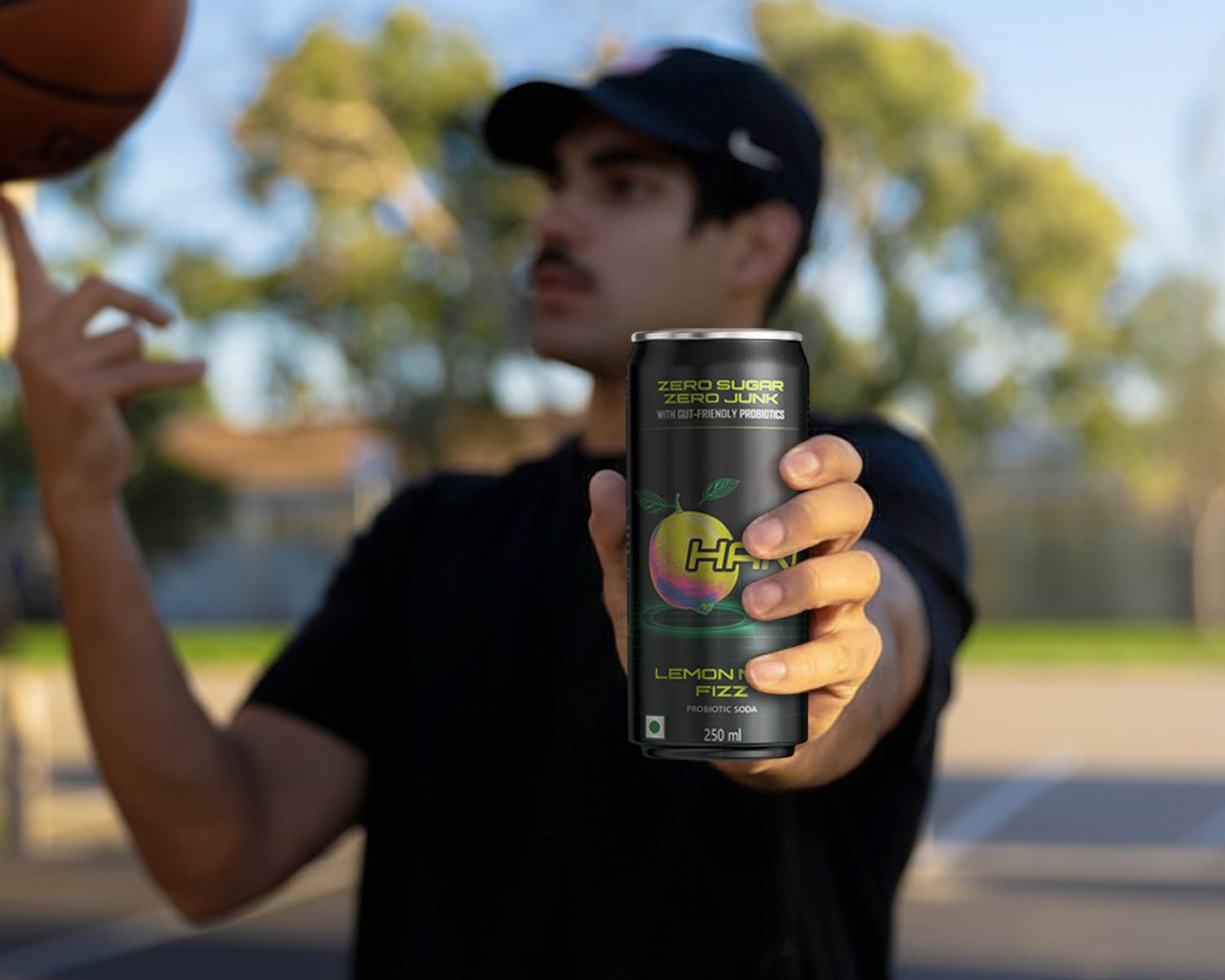
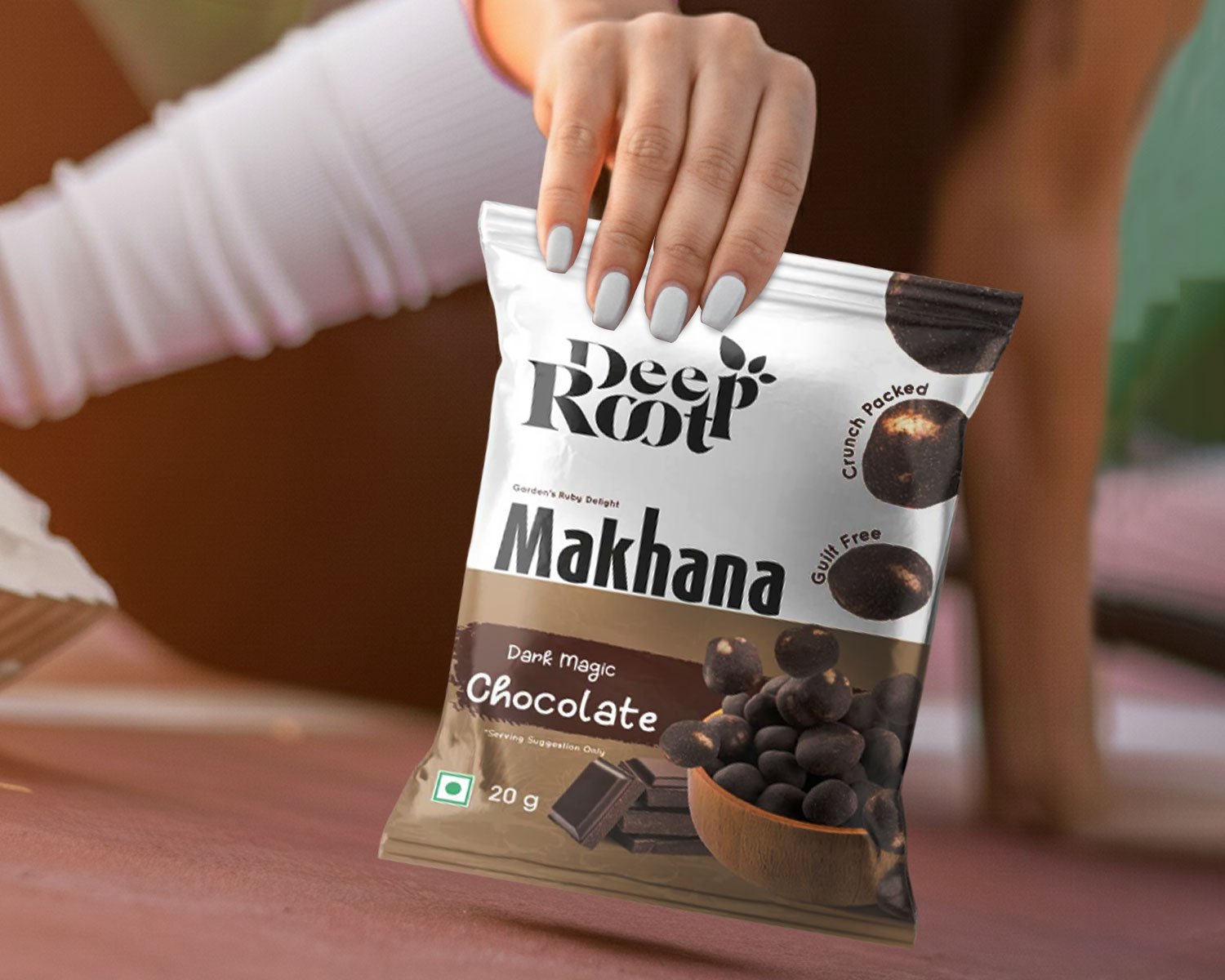
The first step of this wellness journey is to understand the basic nutritional differences. An analysis of various Functional Food Categories indicates that each of these products bears different characteristics. While dry fortified snacks have essential vitamins locked safely within a protective environment, dairy-based drinks have highly potent cultures locked within a wet environment. The medical focus here is to meet the growing demand for functional foods effectively.
The nutraceutical food segment that India enjoys as part of its overall food basket dictates that the formulation strategy be adapted accordingly. Understanding modern nutrition helps us better assess the projections of the functional food market trends 2026.
Analysis of Top Functional Food Categories for Daily Use
In comparing the top functional food categories, we must analyze them on a daily use level. People require health benefits without going through a complicated storage system. Obviously, the variance in nutrients plays a big role in keeping the products viable throughout a span of several months. A closer look at the fastest-growing functional food in India clearly shows that a good plant-based food has a better chance of enduring the extreme weather in India.
| Feature | Solid Snacks | Liquid Drinks |
| Core Format | Dry Powder | Liquid State |
| Daily Storage | Room Temp | Constant Refrigeration |
| Expected Longevity | High Stability | Low Stability |
| Health Target | Energy Boost | Gut Immunity |
Functional Food Market Trends 2026: What is Driving Growth?
The global food industry is in a constant state of evolution depending on consumer wants and needs in today’s world. Today, in the competitive global wellness industry, products with high convenience and clinical efficacy are in demand. To completely understand the current trends in the functional food market 2026, it is important to observe the changes.
- Demand for Convenience Increases
- Consumers Prefer Dry Formats
- Liquid Formats Face Challenges
- Focus on Gut Health
- Scientific Support is a Priority
- Clean Ingredients are a Priority
We at Foodsure have noticed that when a company focuses on formulations with stability first, they are able to meet the growing demand in the functional food industry, thus ensuring consumer retention.
Core Components of Functional Food Categories
From an analysis of these innovative products, it can be concluded that there exists a completely different global manufacturing philosophy. For dry formats, there exists an external packaging requirement for protection, as well as a completely moisture-free environment to survive. For liquid formats, there exists fresh water or standardized dairy base requirements to maintain the viability of the active ingredients.
| Component | Baked Goods | Beverages |
| Main Base | Whole Grains | Water Base |
| Active Fill | Added Vitamins | Active Cultures |
| Common Additives | Natural Fibers | Fruit Flavoring |
| Extra Preservatives | None Required | Heavily Required |
Stability & Shelf-Life Challenges

Global manufacturers face challenges in ensuring that sensitive nutrients remain stable during factory production, global transit, and very hostile supply chains. This presents an enormous challenge in the formulation process from a scientific perspective.
- Moisture kills dry snacks.
- Humidity kills vitamins present in dry snacks.
- Temperature ruins active vitamins.
- Liquids spoil due to fermentation.
- Acid levels impact survival rates.
- Oxygen kills sensitive cells.
- Supply chains delay product delivery.
Development Stages of Modern Health Foods
The actual stages in the development of these products clearly show the actual differences in the manufacturing processes, which are essentially required in the present market scenario.
| Stage | Solid Foods | Liquid Drinks |
| Phase One | Ingredient Sourcing | Liquid Formulation |
| Phase Two | Gentle Baking | Active Fermentation |
| Phase Three | Blending Powders | Flavor Addition |
| Phase Four | Sealing Step | Bottling Phase |
From Ingredients to Impact: Smart Formulation Approaches
When it comes to the most prominent international brands of wellness products, the only thing that needs to be completely focused on is the maximum nutrient retention from the factory directly into the consumer’s body. The final shelf life comparison is heavily dependent upon specific clinical procedures that were intentionally chosen during this absolutely critical development process to provide the demand for functional foods.
- Selecting resilient botanical extracts.
- Controlling moisture during production.
- Managing pH in liquids.
- Testing survival under stress.
- Applying protective natural coatings.
- Ensuring strict temperature control.
Precision in formulation ensures that the nutrients survive processing, storage, and consumption. Every decision, from ingredient selection through stability testing, has a direct bearing on the product’s efficacy.
Clean Label Considerations
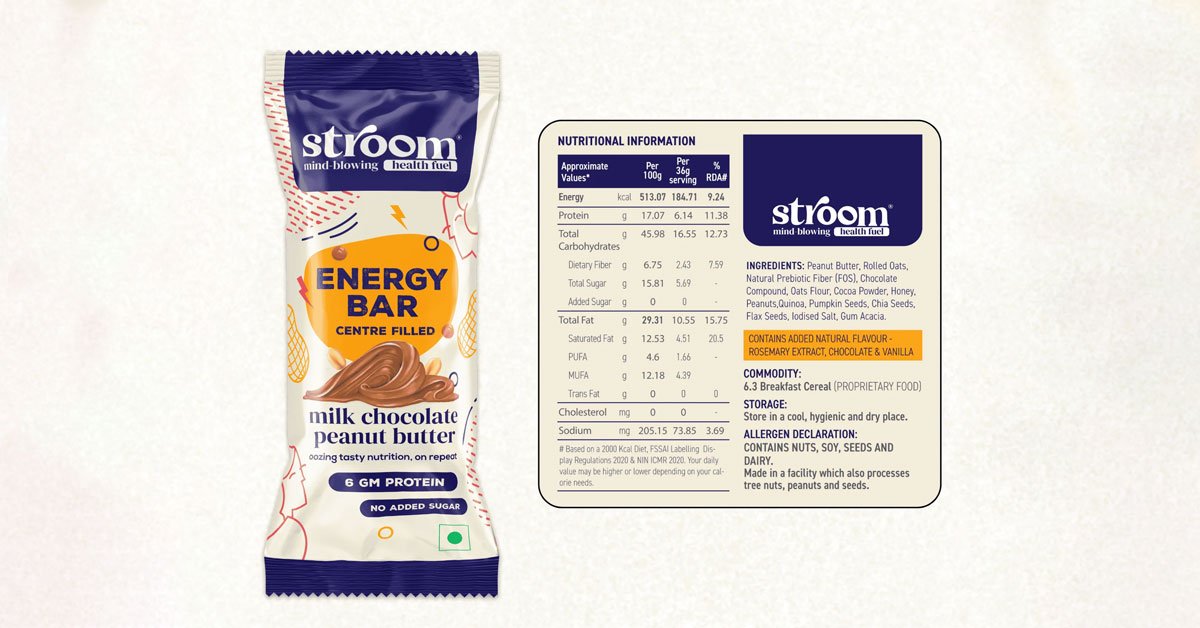
The massive clean label drive across the globe has forced contemporary manufacturers to reevaluate their conventional synthetic health formulas today. The smart health consumer has become increasingly discerning about each and every single ingredient list, demanding a high level of recognizability and natural botanicals. The clean label consumer trend has a high influence on the health food market growth currently being experienced in India. Consumers look for products that offer:
- Elimination of artificial colors
- Reduced added sugars
- Plant-based protein sources
- Non-GMO ingredients
- Elimination of unnecessary synthetic fillers
- Nutritional transparency
From Lab to Shelf: Master the Complexity of Functional Food Manufacturing
In order to satisfy the functional food market demand, it is necessary to have a manufacturing setup that maintains the bioactivity of all the ingredients. This is especially important in the probiotic and immunity-related functional food market segment. Temperature control is a critical requirement in the processing of live cultures and heat-sensitive vitamins. Also, fortification needs to be added at the right point in the process, as it can be lost in cooking or baking. Moisture, oxygen, and packaging considerations are not optional in functional food products.
Conclusion: The Future of Functional Food Categories in India
India is poised to benefit from a long functional nutrition supercycle. The health food category growth in India is not a short-term trend; it is a decade-long opportunity.
The five functional food categories with the highest growth potential are: Probiotics, Fortified Grains, Plant Protein, Immunity Foods, and Functional Snacks.
Each of these categories has different consumer needs and entry opportunities.
At Foodsure, our team assists food and nutraceutical brands in developing formulations that are clinically relevant and commercially viable.
Ready to launch in the fastest growing functional food category in India?
Connect with Foodsure to create your winning formula today.
FAQs
Which type of functional foods is growing most in India currently?
Probiotic and immunity-related foods are driving growth in functional foods demand in India.
What are the driving forces behind functional foods market trends 2026 in India?
Post-COVID consciousness, increasing incomes, and preventive health-related factors are driving forces in functional foods market trends 2026 in India.
How large is the nutraceutical food segment in India?
The nutraceutical food segment in India is valued at more than 16+ USD billion and growing at around 10%.
What are the key factors to make a functional food product successful in India?
Clean label, taste compatibility with regional palates, and health claims are key factors to drive health food category growth in India.
Are functional snacks a viable product category in India?
Yes. Functional snacks are one of the fastest-growing functional foods in India due to urban lifestyle changes.
How to ensure FSSAI compliance for functional food categories?
Partner with formulation partners who are certified to assist with FSSAI compliance for functional food categories.
How long does it take to develop a functional food product?
Most demand-driven functional foods take 12 to 20 weeks to develop from concept to formulation-ready product.