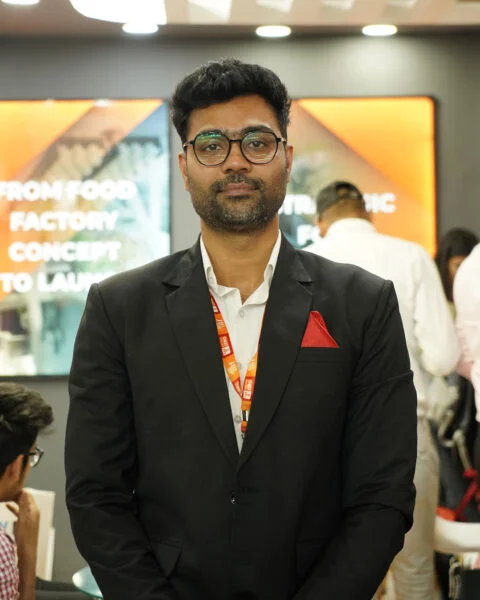
By Himanshu Pratap Singh, Founder – Foodsure
The next big protein bar and cold-pressed juice and gourmet sauce line creation, which you have always wanted to start, requires you to contact others who share your desire to create a food brand. Every year, thousands of aspiring founders enter India’s booming food and beverage ecosystem, fueled by passion, recipes, and inspiration. More than 90% of food startups fail to reach market entry according to this research. Your number might create a depressing feeling for others, but I can demonstrate through my work with food founders to develop Foodsure and its Foodsure Machines that every business failure can be stopped from occurring. Businesses can stop all their failures from succeeding through active prevention measures. Founders at early-stage companies lose their business success because they implement ineffective business strategies. Most food startups die before their first product launches because this post will help you understand the hidden dangers that exist within the industry. Let’s identify the main errors which food entrepreneurs commonly make and we will show you the methods which you can create your business through innovative approaches.
The Harsh Reality Behind Food Startup Failure
I’ve spent years helping brands move from concept to shelf from fledgling dreams to stocked retail products through foodsure.co.in and Foodsure Machines. And one thing has become painfully clear: most food founders underestimate what it really takes to transform an idea into a scalable, profitable brand.
Food is not about tech where failure is cheap. In food, mistakes are expensive. Ingredients expire. Machinery costs lakhs. Regulatory delays can burn months. Getting flavor and texture right takes iteration, not just ideation.
So before we talk about success, let’s face the truth about failure because understanding why food startups collapse is the only way to stop yours from doing the same.
1. Falling in Love With the Idea, Not the Consumer
Every founder believes their product will change the market. Customers will only return to businesses which offer them products that effectively solve their problems. The biggest cause of food startup failure is building in isolation. Founders become emotionally tied to their recipes because they fail to understand that people purchase complete solutions instead of individual ingredients. Your grandma’s recipe becomes a business when you develop the ability to package it for large distribution while maintaining affordable pricing and meeting all regulations and creating consumer desire for repeat purchases. Prevention Strategy requires Validating to take place before any mixing activities start. Conduct testing with small batches. You need to have 50 neutral participants who are not related or connected to your social circle to evaluate your product through taste testing. Participants must provide their honest opinions about your product. What would they pay for it? Would they buy it twice? What’s missing? At Foodsure we assist startups with sensory assessment and pilot production and shelf life evaluation because guessing does not constitute a viable business strategy.
2. Underestimating Food Safety and Compliance
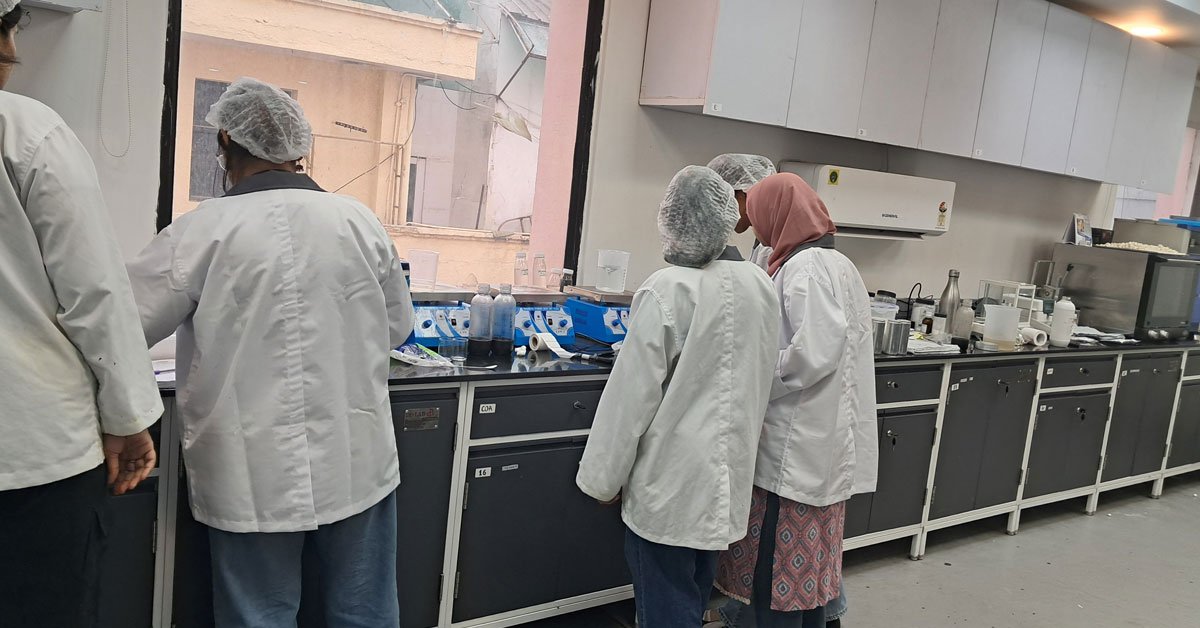
The FSSAI requirement exists as a mandatory need. The requirement for accurate labeling exists as an essential need because first-time founders think these tasks can get handled after product launch according to their schedule. missing documentation or improper processes can delay commercialization by months which first-time founders discover after their product launch. The process of sustaining business operations becomes impossible when delays occur because they create obstacles that stop work from continuing.
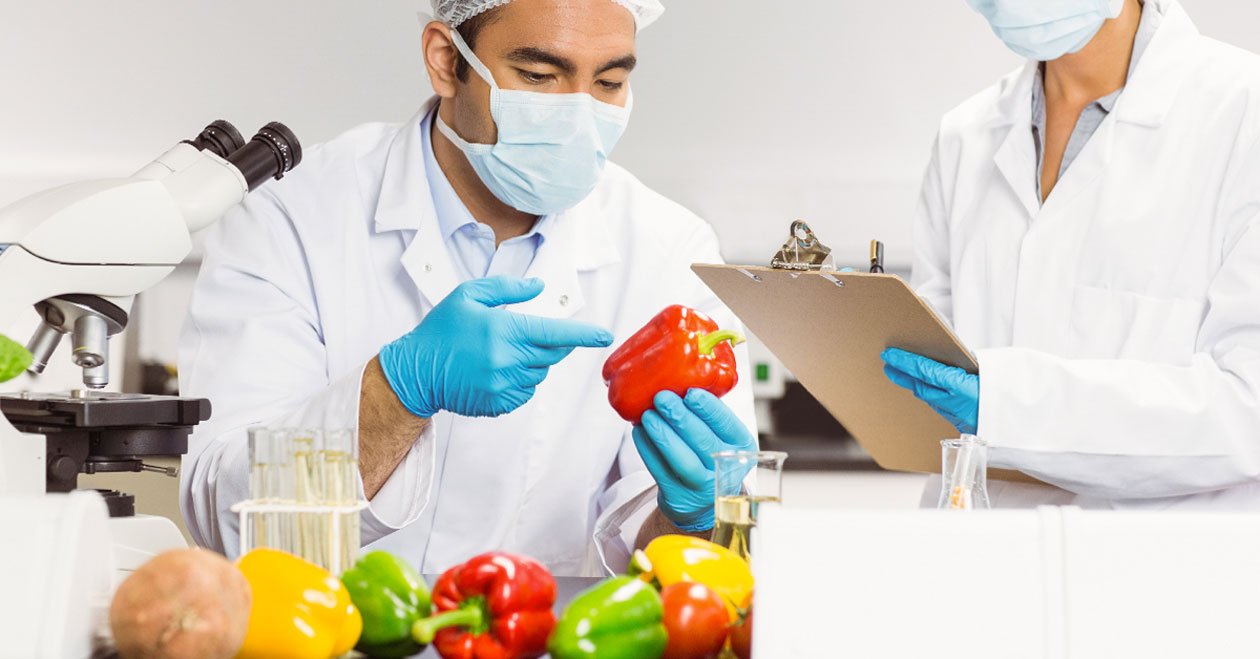
Prevention Strategy: Start your business by implementing compliance procedures. Your packaging contract requires you to verify that FSSAI compliance exists for process procedures and labeling and ingredient information. Foodsure assists startups with regulatory consulting services which enable them to prepare their complete operations from license acquisition until laboratory testing before their business launch.
The Pro Tip defines food compliance as a system that exists to build trust . Retail shelves display products which appear ready for sale but hide legal challenges that people immediately believe because of their appearance.
3. No Clarity on Unit Economics
The following statement contains a painful truth that taste does not generate profit. Your best chocolate-coated breakfast bar creation will fail because of its production cost of ₹40 which exceeds your selling price of ₹30. Your business dreams will face destruction because the mathematical calculations will determine your failure.
Too many founders skip basic cost breakdowns. They forget to factor in wastage, packaging, distribution margins, and trade discounts. The founders discovered that their business model which they thought would grow their company was actually unprofitable.
Prevention Strategy: You should perform a cost assessment for your packaging project. Our Foodsure Machines cost calculators enable startups to calculate per-unit costs by using actual machinery specifications and their corresponding batch production methods. The objective requires us to create a profit system which will begin generating profits immediately instead of incurring losses during our first production tests.

4. Disconnected Production Systems
Imagine your chocolate bar startup uses one small-scale mixer from one vendor, an outdated cutter from another, and manually packs bars using hand sealers.
That’s exactly how production chaos begins.
Disconnected machinery means inconsistent output, wasted raw material, and massive inefficiency. One batch looks great, the next one melts, and your hard-earned brand suddenly looks unreliable.
That’s why integrated systems like the Foodsure Chocolate Coating Bar Machine are revolutionizing how startups manufacture. Instead of working with 4–5 separate machines and suppliers, a complete automated line ensures uniform thickness, precise cutting, and consistent texture every single time foodsuremachines.com.
When your production line is cohesive, your product quality and shelf stability increase and that directly impacts your ability to scale without chaos. That’s how small founders grow into food brands worth noticing.
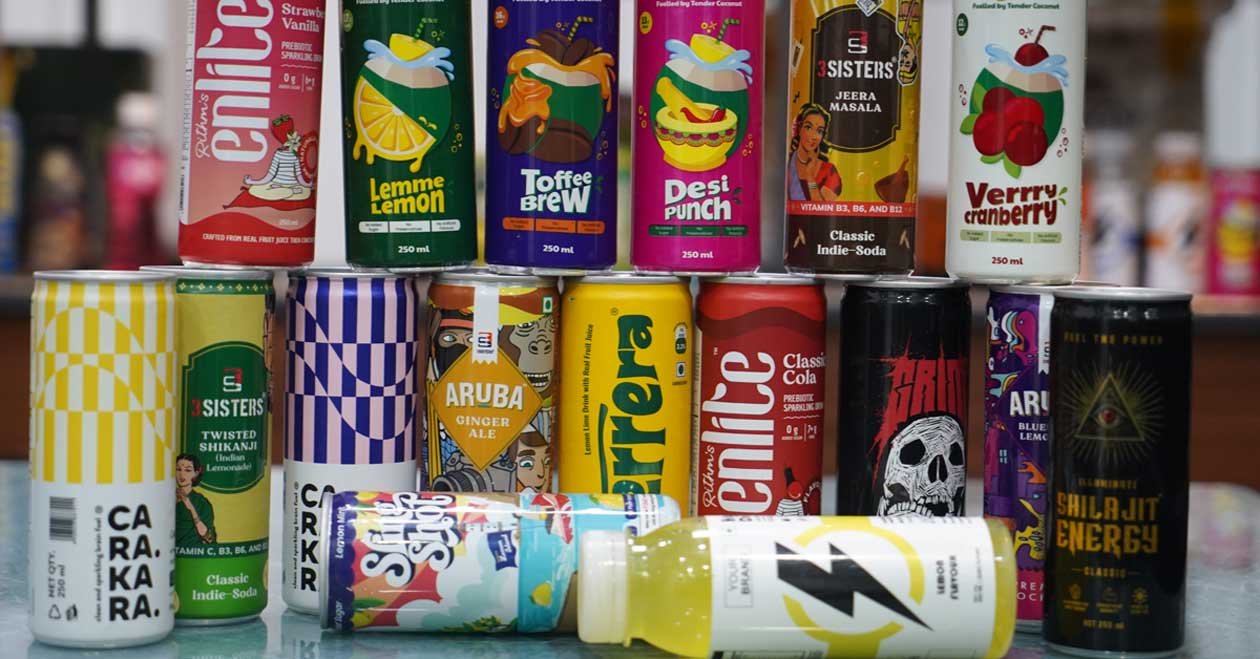
5. Neglecting Branding and Market Fit
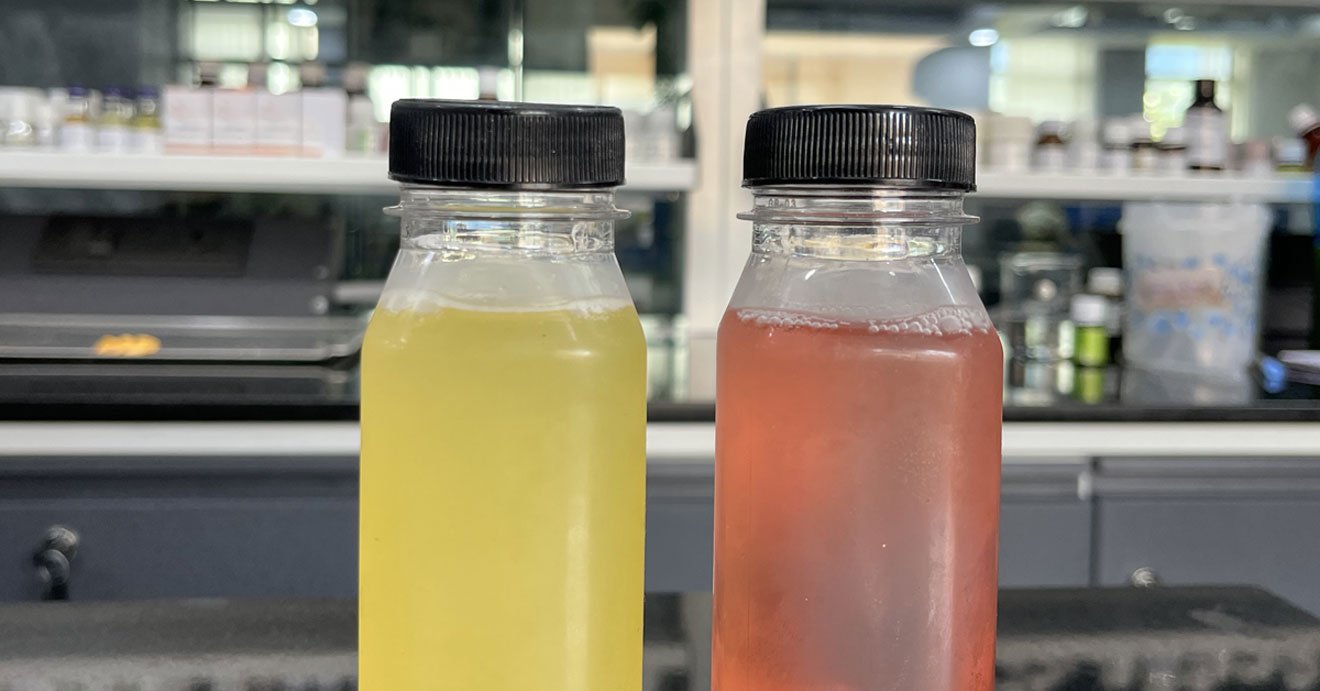
Founders often make the mistake of believing that an excellent product equals an equally impressive brand; unfortunately, markets don’t work like that. How often have you made purchases based on how a product looked or what its packaging promised? Branding allows companies to sell the first unit while the quality of the product drives sales of subsequent ones. Prevention Strategy: Prior to purchasing any bulk machinery for your business, it’s essential that a strategy be put in place. Your target audience should be identified; for instance, whether selling protein bars to fitness enthusiasts or snack foods to mothers.
6. Lack of Technical Support and Scaling Plan
I’ve witnessed innumerable founders become anxious when their initial order surpasses 500 units. All of a sudden, the kitchen setup is unable to keep up, product returns mount, and hand mixing results in inconsistent results.
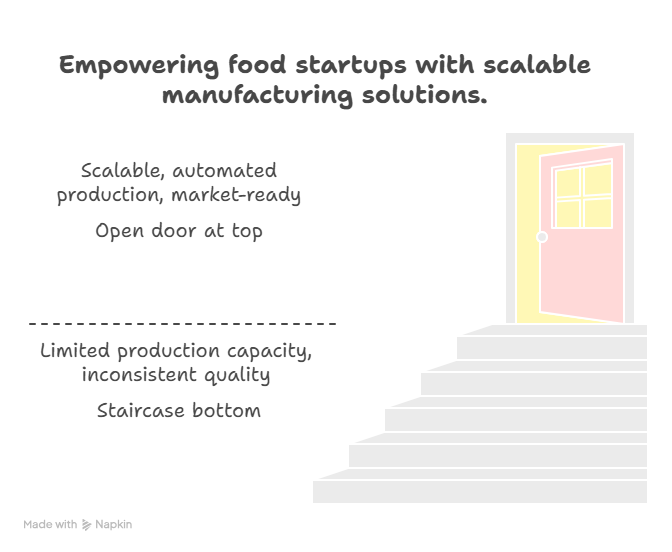
Most startups fail during the transition from pilot production to scalable manufacturing.
Machines break down. Recipes are not scalable. The output varies. Partnerships like Foodsure Machines are crucial in this situation. Our objective is to provide founders with equipment that changes as they grow, allowing them to grow without downtime.
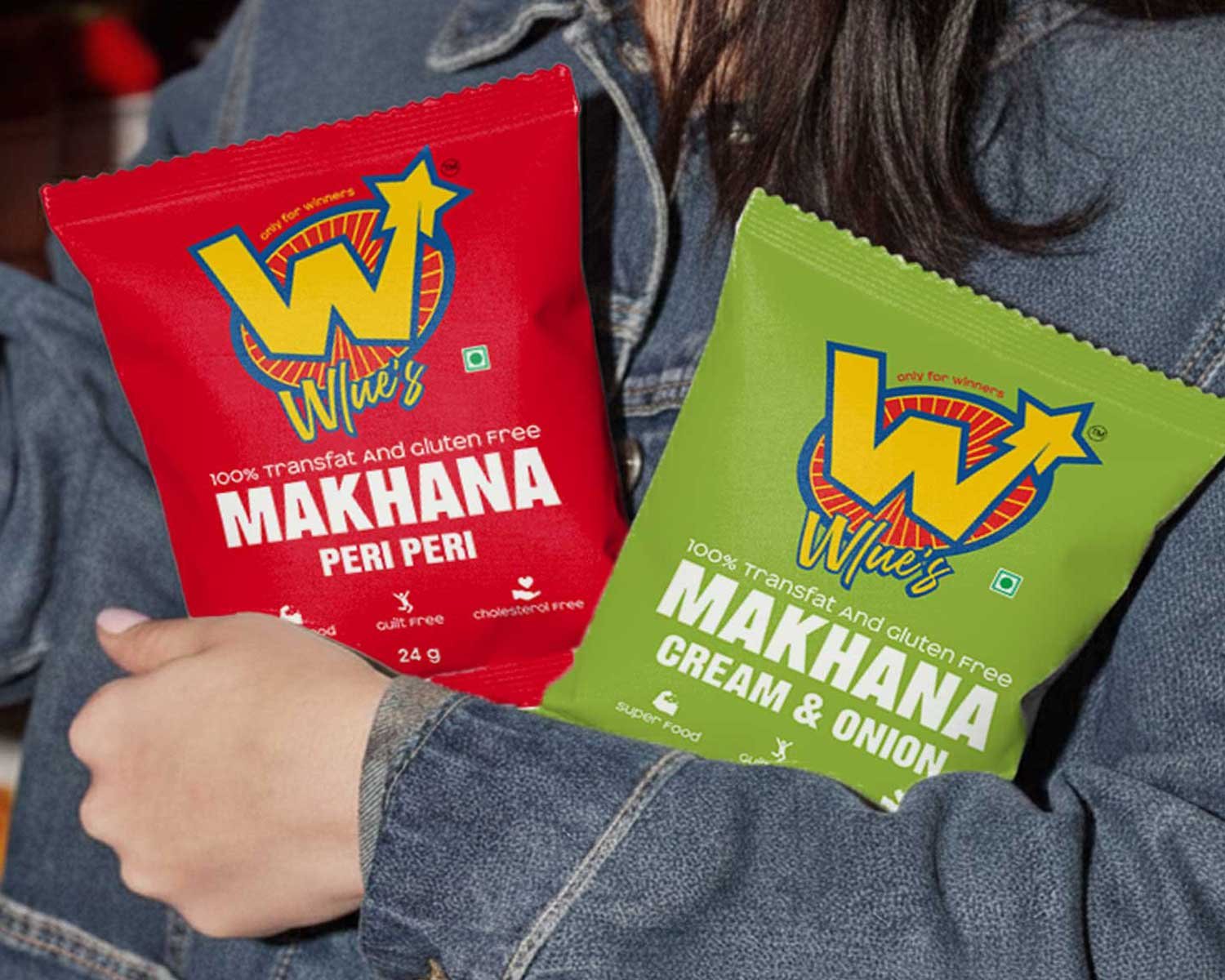
We assist in bridging the critical gap between “recipe-ready” and “market-ready,” from small batch machines to large-scale automated protein bars or makhana systems.
7. Poor Supply Chain Management
Logistics can ruin a great drink recipe. I saw founders with great products who experienced bottles swollen and leaking during shipping due to extreme temperatures swings; one startup even lost an entire order due to cold-chain failure. So start small. Test routes. Make use of smart packaging. Consider co-packers or co-manufacturers until volume makes in-house logistics worth their while.
8. Emotional Burnout and Team Misalignment
Food startups usually fail not due to lack of funds but because their founder lacks energy.
As a food startup, food manufacturing requires constant coordination with suppliers, packaging printers, machine engineers, marketers and investors – as well as tasting good enough. Without support or systems in place it simply won’t happen without burning out completely.
Foodsure’s mission is not just consulting but mentoring food founders from ideation to execution in order to avoid making common errors that plague most first year food founders.
Starting a food business that caters towards sustainability requires not just hard work and determination; it requires delegation.

9. No Real Product Roadmap
It’s not as hard as people thought to launch one SKU. It takes real thought to make a lineup that gets your customers to buy. You can start off strong with one hit, but if you don’t follow up, you’ll lose ground quickly.
It seems like early wins don’t always lead to more products, which is hard to ignore. Seasonal changes or new flavors are left on the shelf. Competitors copy, move in quickly, and take over the space.
The Foodsure Recipe team works directly with the founders to test new snacks using tools and workflows that work well. A base of quinoa could turn into spiced versions, mini bites, or options with a lot of protein. This method keeps risk low and speeds up innovation good planning is the key.

The Foodsure Perspective: From Idea to Market, Without the Guesswork
At Foodsure, we probably don’t build in gaps – because it’s where most mistakes start. Most food entrepreneurs hire a branding freelancer, find a random manufacturer, order packaging separately – then panic when costs go skyward. When each step happens in isolation, failure tends to follow. That’s why we integrate recipe development, batch trials, machinery selection, operations setup, and market readiness into one system. The goal is to cut out the blind spots that wreck new brands. We’ve launched over 200 products – from healthy snacks to protein bars and beverages – by aligning creative vision with technical performance and commercial strategy.
Learning from Common Founder Mistakes
Let’s go over the most common traps that every food entrepreneur should be aware of:
Market Validation: Use blind taste tests, detailed SKU-level comparisons with competitors, and an analysis of overall value for money to make sure your target market is real.
To standardize a recipe, you need to make sure it is safe and stable over time, do sensory testing, and get any necessary regulatory approvals.
Compliance Setup includes getting any necessary approvals or certifications before starting to make or sell something.
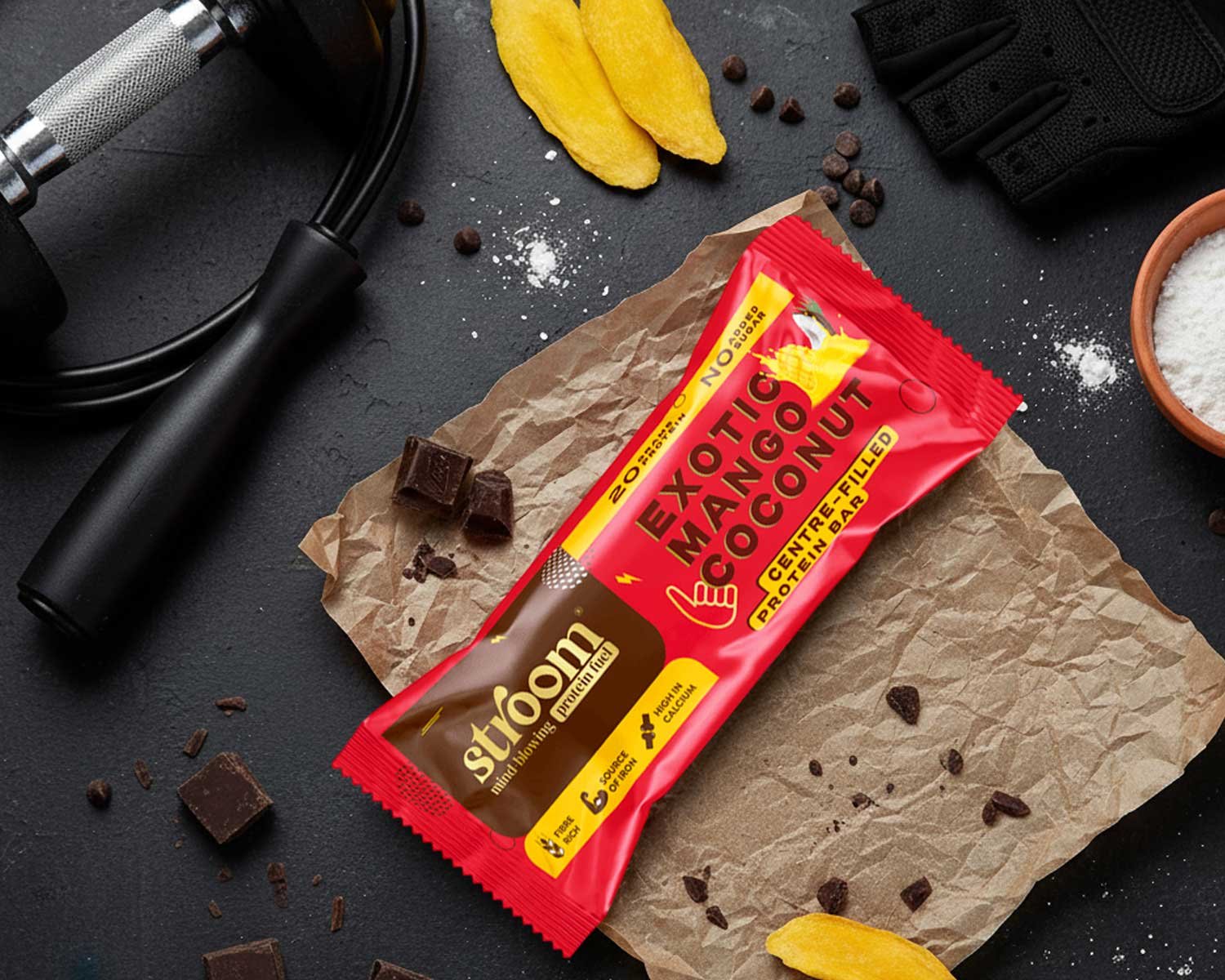
Pilot Production: Using high-tech tools like Foodsure machines to make small amounts of food. Branding and Packaging: Food businesses can create a brand identity and visual communication with the help of experts or by using Foodsure Recipe.
Financial Modeling: Make a detailed cost structure that shows all the costs of manufacturing, shipping, and trade margins. Scaling Production: Change to fully automated production lines that use both chocolate coating and protein bar making machines.
* Launch Strategy: Start selling products online and in a few stores, but don’t expect them to be perfect. Use feedback from early users to make changes to the products based on how the market responds, and then make new editions based on that feedback.
Iterate and Expand: Based on how the market responds and how the product gets better, make changes to increase sales and work to add them.
Himanshu Pratap Singh: Why I Write About Food Startup Failure
As a founder myself, I understand first-hand just how challenging life in startups can be. That is why when I founded Foodsure I wanted more than to simply build another service company; rather I sought to simplify navigating food entrepreneurship for entrepreneurs who dare create something from nothing. I have worked with founders who were literally on the brink of giving up. Their ideas were amazing, and they had everything going for them. However, they were stuck in limbo, trying to navigate recipe madness, regulatory hurdles, and machine failures. Seeing them rise again, and sometimes with just a few tweaks to the right strategy, is what inspired me to write these lessons.
If you’re reading this and you’re thinking of starting your own food brand, then here’s the thing:
You don’t have to be just another statistic in the 90%.
You don’t have to make the same mistakes if you’re willing to learn from people who have been there.
How to Prevent Food Startup Failure: My Step-by-Step Framework
Here is the fundamental process I walk new founders through:
| Stage | Process Step | Key Activities |
| 1 | Market Approval | Establish an appropriate niche; Perform blind taste tests; Analyse competition by SKU number and assess value for money. |
| 2 | Recipe Standardization | Recipe formulation; Shelf-life testing; Sensory testing |
| 3 | Compliance Setup | Complete all mandatory certifications and regulatory requirements |
| 4 | Pilot Production | Foodsure Machines provide small batch production. Their professional-grade equipment enables flexible production with precision results. |
| 5 | Branding & Packaging | Work with highly-skilled experts or through Foodsure Recipe |
| 6 | Financial Model | Calculating the manufacturing costs; Plan logistics; Define trade margins |
| 7 | Scale Production | Switch to automated and integrated systems; Protein Bar Manufacturing Machines; Chocolate Coating Systems |
| 8 | Strategy for Launching | Soft launch online; Launch in small retail chains; Collecting real user data |
| 9 | Iterate & Expansion | Enhance based on real user data; Optimize future batches; Avoid presuming perfection initially |
This is not a hypothetical process. This is a process that has been honed through the success and failure of hundreds of new food startups through Foodsure.
Conclusion: Building Food Startups That Last
Establishing your food brand can be one of the most fulfilling and humbling experiences you ever have, not only as an industry but as an experience too. Your brand embodies culture, history, and tastes for millions of consumers around the globe – not to mention making some serious cash! But if you want to join those 10% who succeed, let me give you one secret from me: Success does not depend upon having the greatest product; rather it’s about creating the greatest process. Successful food entrepreneurs don’t possess all of the answers; rather, they seek them out and form startups with systems and processes in place instead of viewing food as simply an individual hobby. If what I said resonated with you and you want to bring your food brand from idea to market, let us be of assistance! My team and I specialize in making it easier for food founders like yourself to craft an innovative food product while Foodsure takes care of the rest. Join our efforts and build the next generation of world-class Indian food brands designed and produced with care! Let’s create innovative foodservice products designed and constructed to last!