Have you ever wondered why people claim to be eating healthy, but at the end of a long day, they feel the urge to have something indulgent? It is the place of innovation where that contradiction arises. The consumer today is not only concerned about calories, he/she is experience-oriented. They desire fewer sins, not fewer pleasures. Therein, the low-calorie food product development is an opportunity, as well as a challenge.
The modern consumer reads labels, counts calories, and is conscious of fitness trends, yet wants the same taste, texture, and satisfaction as the traditional products. Now the actual question is: how do you cut the calories but not the desire?
Why Low-Calorie Foods Are Booming in India
The need to formulate low-calorie snacks in India and healthier packaged foods is no longer a niche; it is mainstream.
- It is estimated that the market of health and wellness foods will grow by an annual 20% CAGR in India, with urban consumers being the drivers.
- More than one in five Indian consumers makes active searches for packaging with low-fat or low-sugar statements.
- Increased D2C brands have been a catalyst for innovation in the light food product India D2C categories.
- The use of fitness apps, wearable devices, and social media trends has made people more aware of calories.
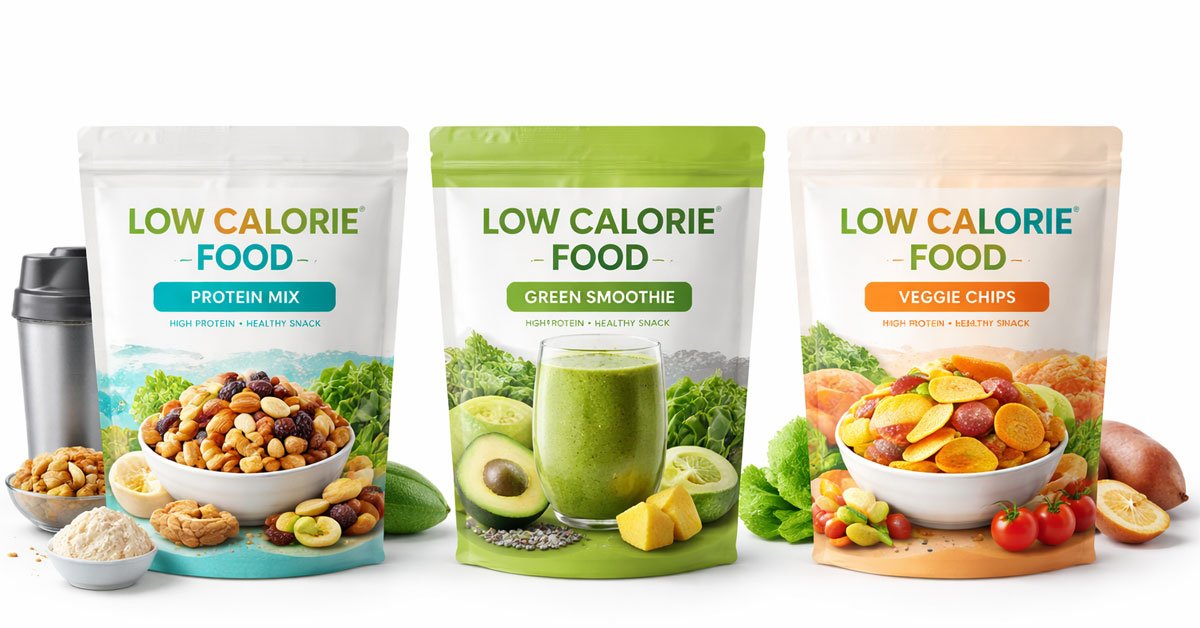
This is driving the creation of brand portfolios in snacks, beverages, and ready-to-eat food products under the Calorie-Reduced Food Product India brand.
The Core Challenge: Taste vs Calories
Calories are usually reduced, which means reducing:
- Sugar
- Fat
- Carbohydrates
But these are the very elements which cause:
- Flavor
- Mouthfeel
- Satiety
When the brands venture into low-fat, low-sugar food product India, they tend to encounter problems such as:
- Flat taste
- Dry texture
- Artificial aftertaste
- Reduced shelf appeal
It isn’t merely a matter of eliminating ingredients, but it is smarter to restructure the product.
Step-by-Step Approach to Low-Calorie Food Product Development
1. Start With Consumer-Centric Product Design
Before formulation, define:
- Target audience (fitness enthusiasts, diabetics, general wellness consumers)
- Consumption occasion (snacking, meal replacement, guilt-free dessert)
- Taste profile to be expected (indulgent, natural, functional)
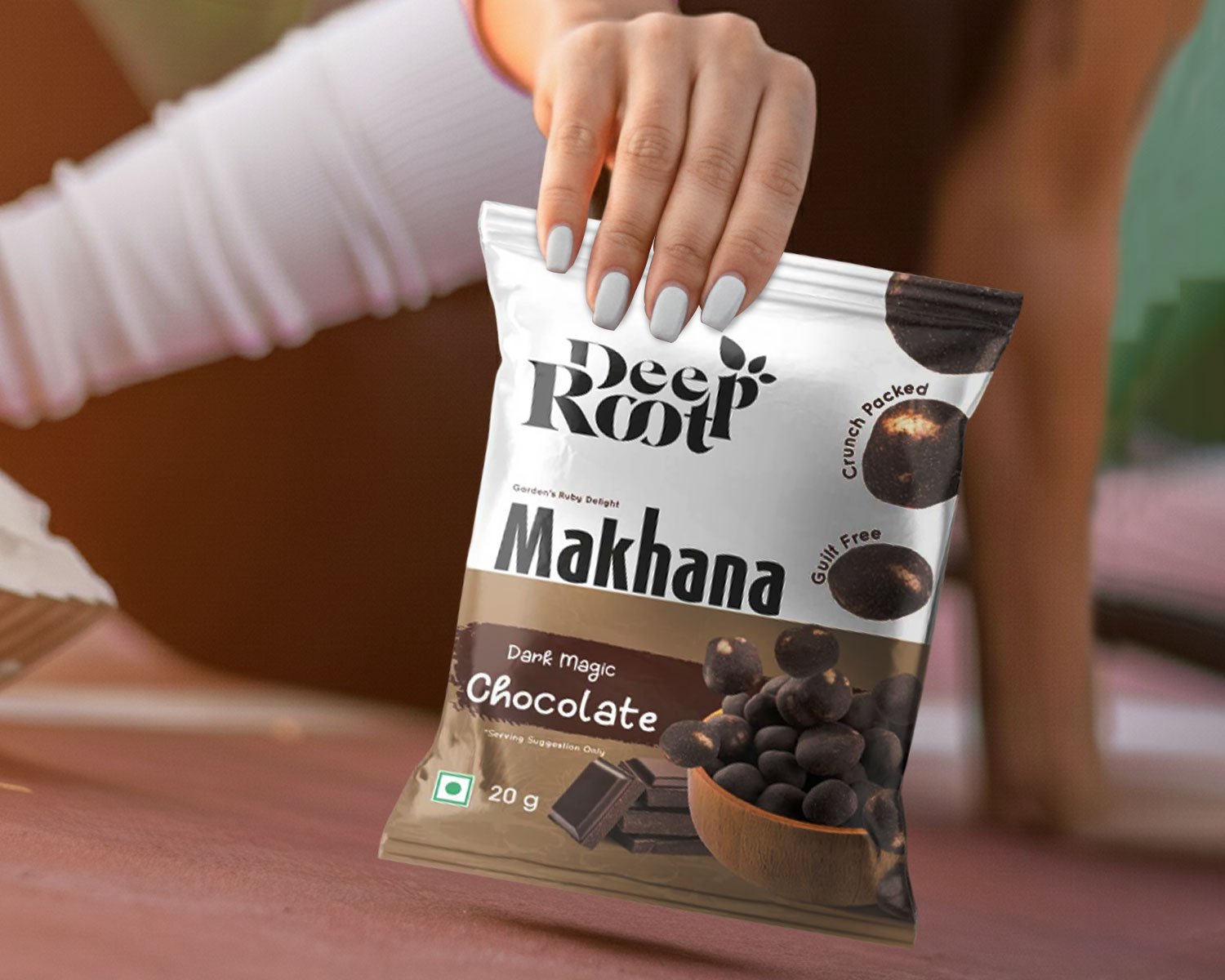
To illustrate, a chocolate snack low in calories should still be indulgent, whereas a diet namkeen should not lose its crunch and spice.
2. Smart Ingredient Substitution
The success of low-calorie snack formulation India is based on the fact that high-calorie ingredients are substituted with functional ones:
Sugar Reduction
- Artificial sweeteners (stevia, monk fruit)
- Sugar alcohols (erythritol, maltitol)
- Fiber-based bulking agents
Fat Reduction
- Fat mimetics (carbs or protein-based)
- Emulsifiers to retain texture
Carbohydrate Optimization
- Resistant starch
- Entire grains and millets.
- High-fiber flours
Balance is key; excessive consumption of substitutes may lead to a loss of taste or digestive discomfort.
3. Maintain Taste Through Flavor Engineering
The sense of taste is not merely about being sweet or salty, but it is a multifaceted sense.
To maintain taste in the diet food product launch India, the brands employ:
- Flavour modulators and enhancers
- Natural extracts and spice mixes
- Laid out flavor systems (top notes + base notes)
To give an example, the decrease in sugar content in a drink can be replaced by the increase in fruit acidity and aroma.
4. Texture Is Everything
Consumers will tolerate minor taste variations, but not bad texture.
In the case of low-fat, low-sugar food product India, the texture issues are:
- Loss of creaminess
- Reduced crunch
- Dryness
Solutions include:
- Hydrocolloids (guar gum, xanthan gum)
- Protein isolates
- Process control (extrusion, optimization of baking)
The difference between the success and failure of a product is often texture engineering.
5. Calorie Reduction Without Nutritional Compromise
The consumers of the modern age desire low-calorie and:
- High protein
- High fiber
- Functional benefits
That is why a lot of brand strategies of calorie-reduced food products in India involve:
- Protein fortification (plant protein, whey)
- Fiber enrichment
- Addition of micronutrients
This increases perceived value and is worthy of premium pricing.
6. Clean Label Matters
Indian customers are label-conscious:
- “No added sugar”
- “No artificial sweeteners”
- “Natural ingredients”
In light food product, India D2C, transparency cultivates trust.
Avoid:
- Prolonged chemical-sounding ingredient lists.
- Artificial preservatives (where possible)
Instead, focus on:
- Recognizable ingredients
- Clear health claims (according to FSSAI guidelines).
7. Regulatory Compliance (India Focus)
In case of any diet food product launch India, compliance is essential:
- FSSAI category (nutraceutical vs conventional food)
- Labeling of calorie content per serving properly
- Such assertions as low fat or low sugar have to be within certain thresholds.
Failure to comply may result in product recalls or destruction of brands.
8. Shelf Life & Stability Optimization
Cutting down sugar and fat can influence:
- Preservation
- Microbial stability
- Product shelf life
Solutions include:
- Natural preservatives
- Modified atmosphere packaging (MAP)
- Water activity control
This is essential in scaling a low-calorie food product development project.
9. Packaging & Positioning Strategy
There still should be a strong positioning of a great product:
- Point out the number of calories per serving
- Apply visual elements (light colors, clean design)
- Communicate benefits clearly
In the case of the light food product India D2C, storytelling is of immense importance:
- “Guilt-free indulgence”
- “Smart snacking”
- “Healthy without compromise.”
10. Sensory Testing & Iteration
Do not base on internal assumptions; experiment with actual consumers.
Key tests:
- Blind taste tests
- Texture evaluation
- Satiety perception
Keep repeating until the product satisfies the following:
- Nutritional benchmarks
- Consumer expectations
Key Trends Shaping Low-Calorie Food Innovation
India is being influenced by:
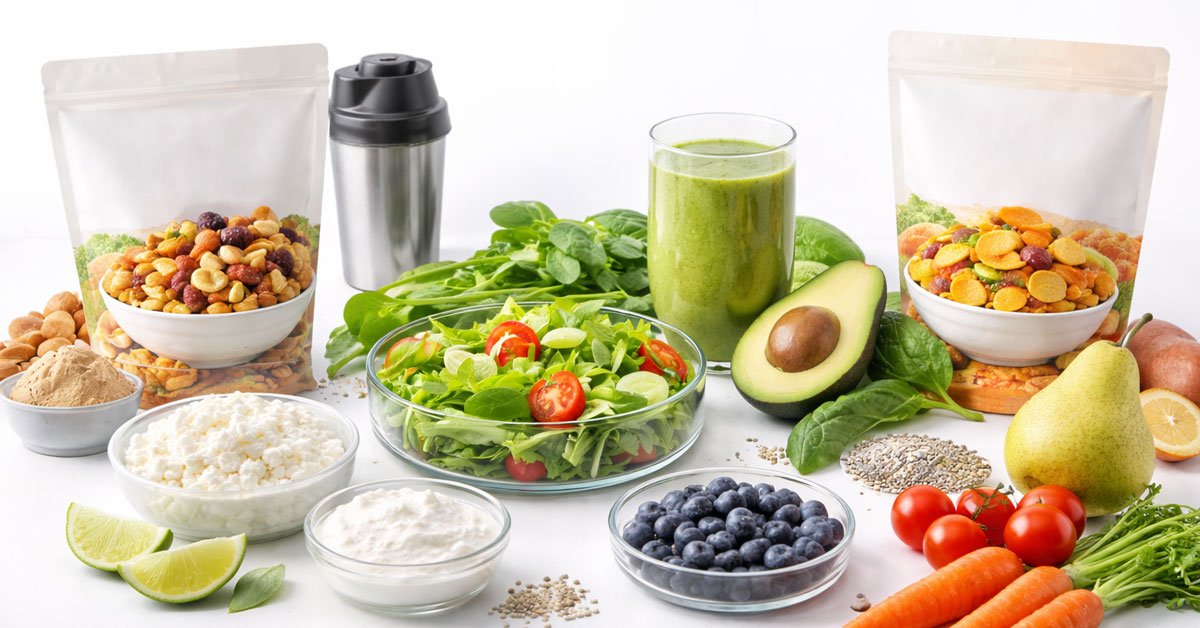
- Plant-based low-calorie products
- Functional foods (gut health, immunity)
- Keto and low-carb versions
- Innovation in regional flavour (masala oats, millet snacks)
- Premiumization of D2C health brands
Combining health + taste + convenience, brands are winning.
Common Mistakes to Avoid
- Excess use of artificial sweeteners.
- Ignoring texture
- Poor flavor masking
- Weak product positioning
- Skipping consumer validation
Always keep in mind that healthy does not sell, delicious healthy sells.
Call Foodsure for Professional Food & Beverage Product Development
It is not only making a low-calorie product, but rather having to re-engineer the whole experience. It is where Foodsure comes in.
Whether it is low-calorie food product development and low-fat, low-sugar food product India formulation or regulatory compliance and scale-up, Foodsure assists brands:
- Create market-ready formulations
- Maximise taste and texture.
- Ensure FSSAI compliance
- Accelerate time-to-market
Ready to create your low-calorie brand?
Foodsure can work with you to make your idea a high-performing, great-tasting product that consumers will consider revisiting.
FAQs
What is the low-calorie food product development?
It involves the low-calorie food product development that does not compromise the taste, texture, and nutritional content.
What can I do to minimize calories, without interfering with taste?
ingredient replacements, flavor enhancers, and texture stabilizers.
Are low-calorie foods profitable in India?
Yes, as the health awareness increases, the segment is expanding very fast, particularly in urban and D2C markets.
Which ingredients are applied in the development of low-calorie snacks in India?
Popular ingredients are stevia, erythritol, fiber blends, protein isolates, and hydrocolloids.
Is it necessary to have FSSAI approval to launch diet food products in India?
Yes, there must be proper licensing, labeling, and compliance.
What are the issues with low-fat, low-sugar foodstuffs in India?
Preserving taste, texture, and shelf life at the same time, while decreasing the number of calories.
What is the time frame to develop a low-calorie product?
Normally, 3 – 6 months, based on complexity, testing, and regulatory approvals.