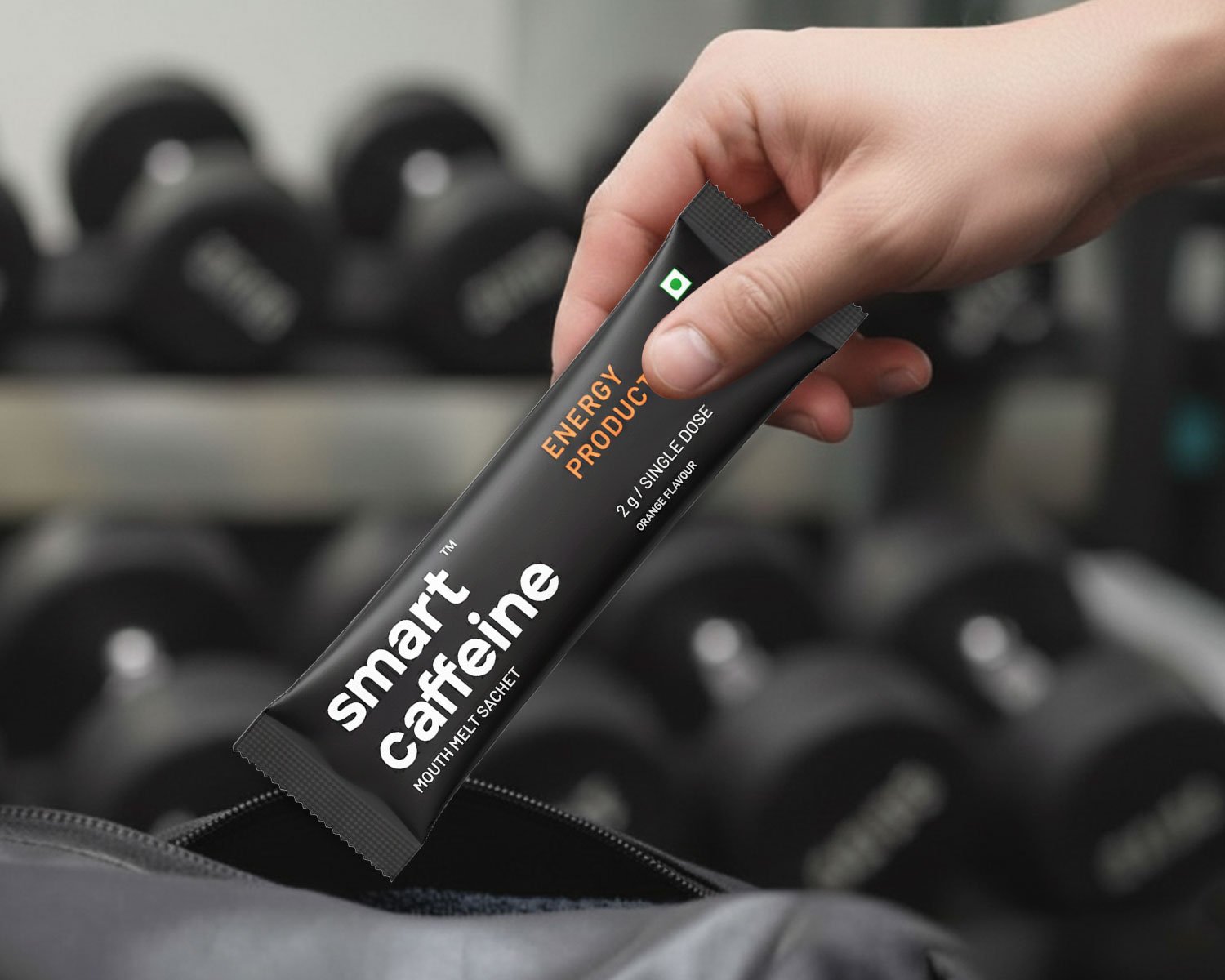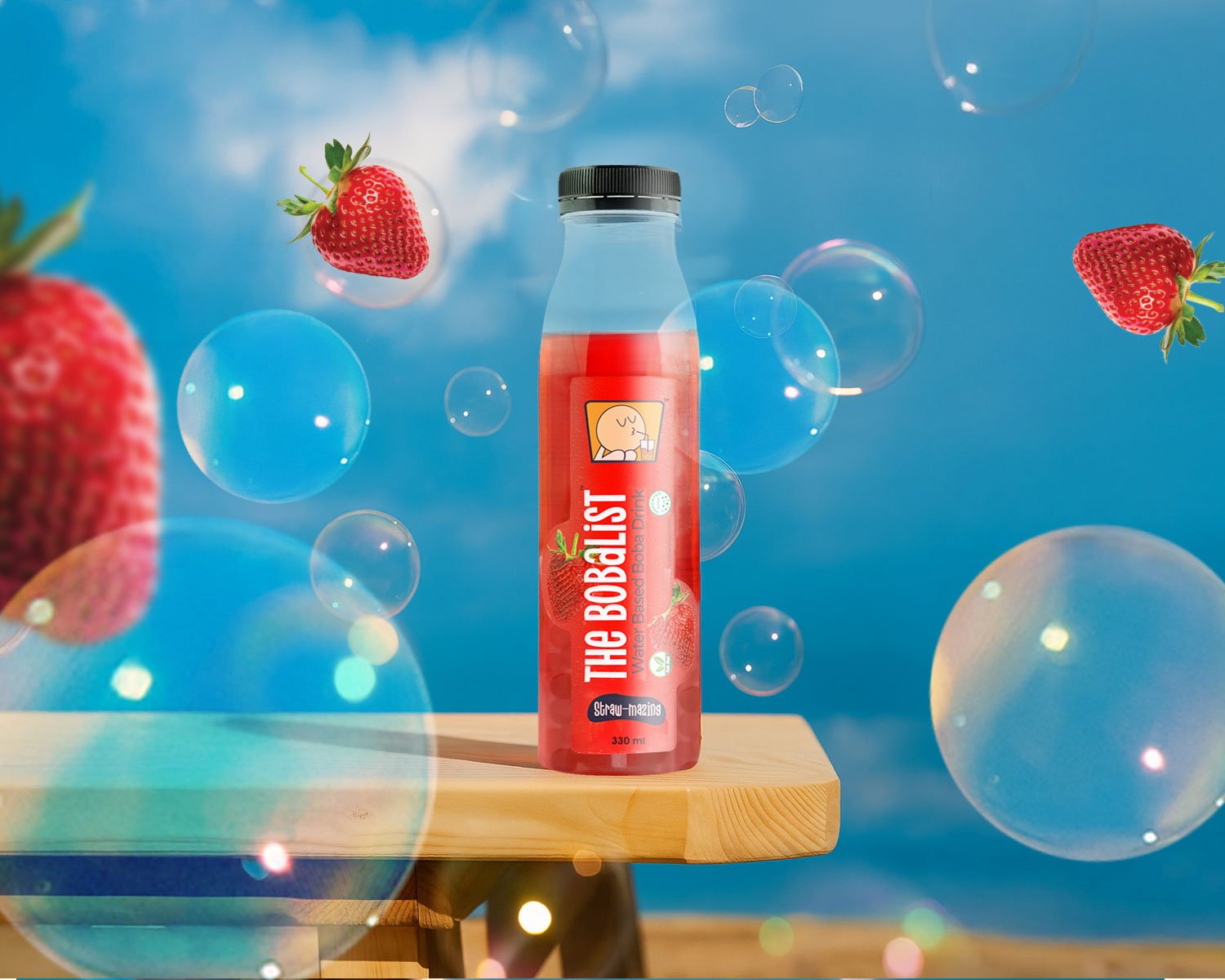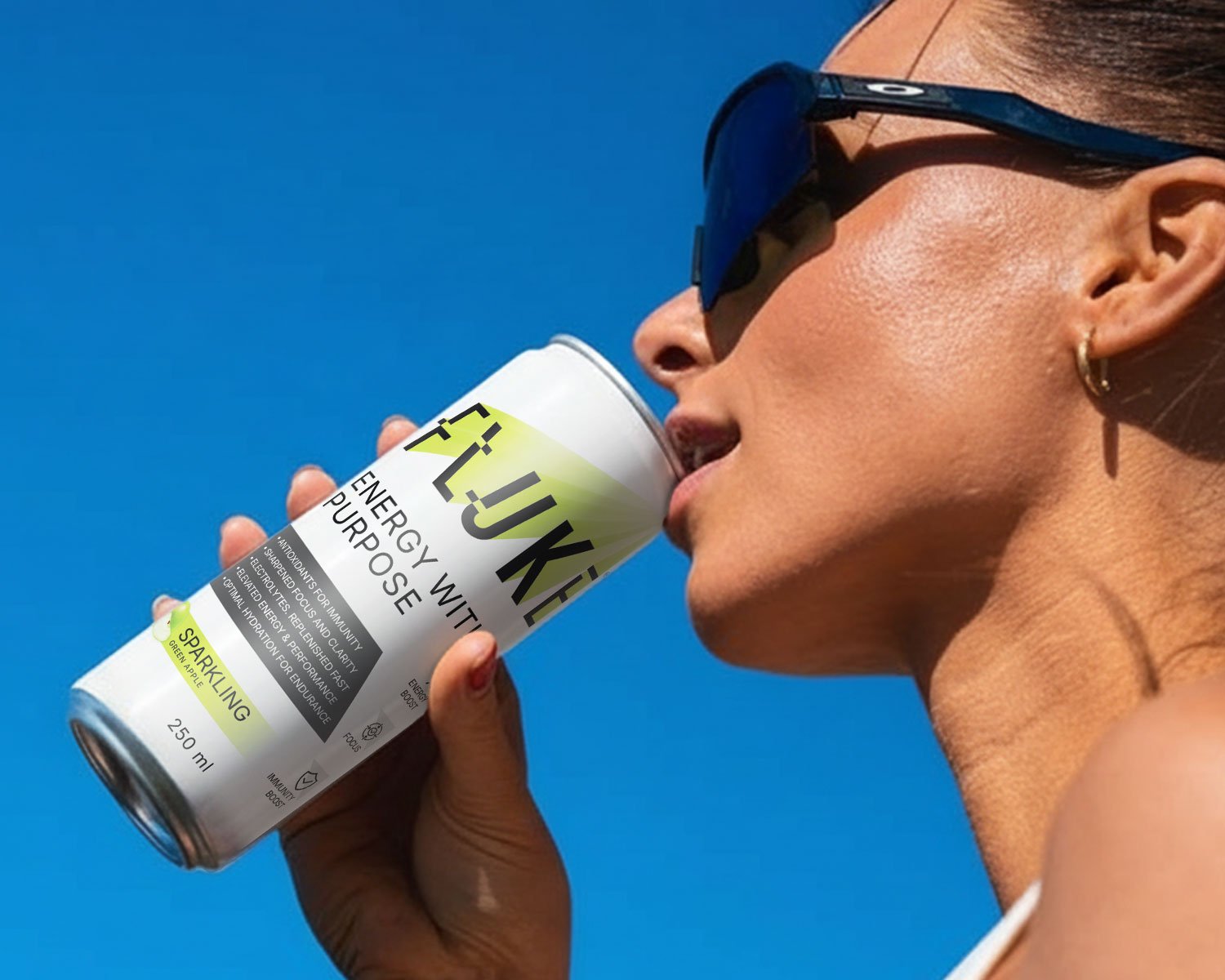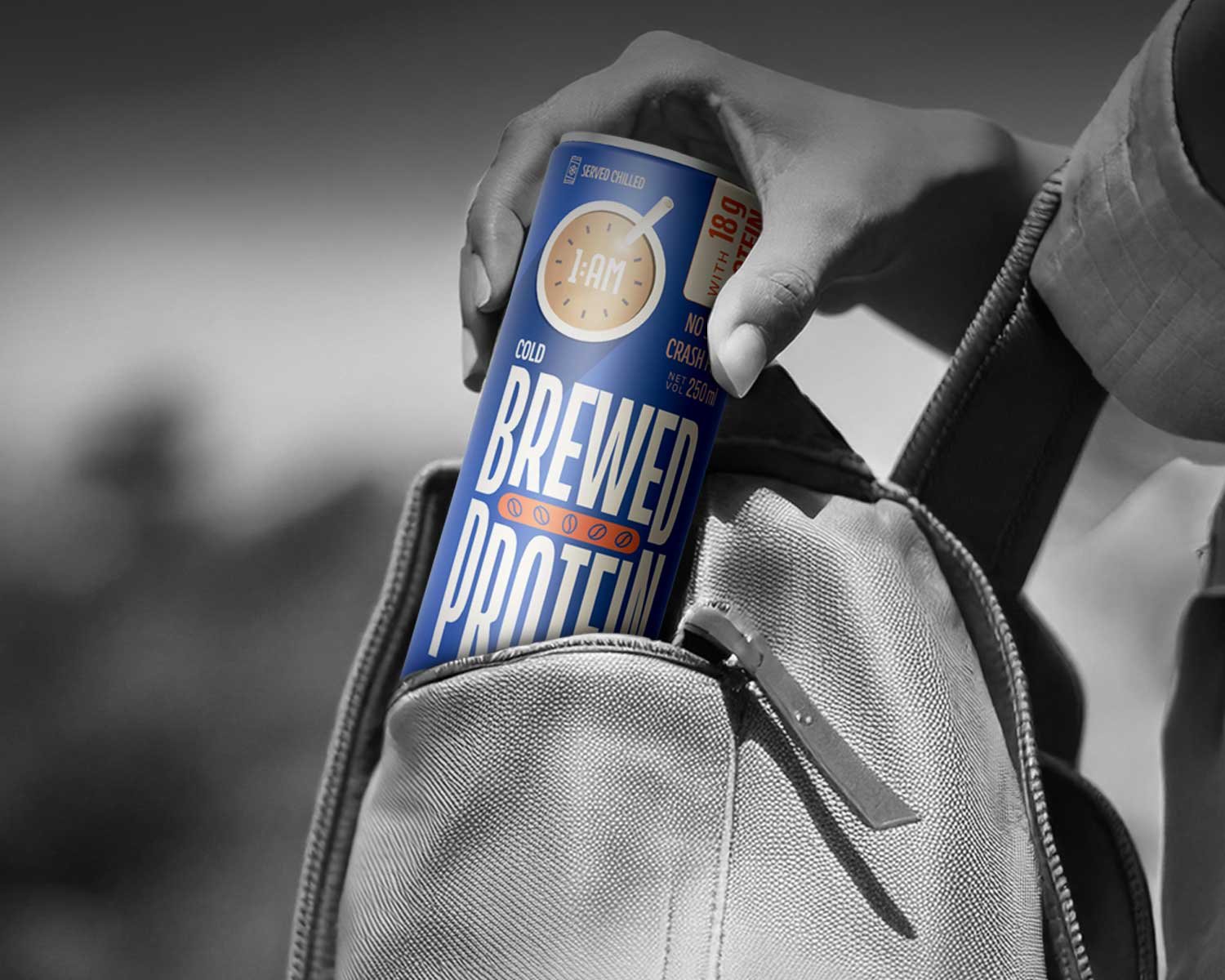
The beverage industry is undergoing a series of changes where consumers are asking for transparency, natural ingredients, and functionality in the beverages they consume. Clean-label energy drinks have become the favourite among millennials, fitness enthusiasts, and professionals who need a constant boost of energy with no artificial ingredients. Unlike conventional energy drinks that have high sugar content and artificial ingredients, clean-label energy drinks use natural ingredients — driving the demand for clean-label energy drink consumer demand 2026.
This blog highlights the growing need for clean-label energy drinks in the Indian market, focusing on the key drivers for demand, key ingredients to avoid, and key formulation strategies for the beverage industry.
The Clean Label Movement
Clean labelling is a new trend in the beverage market, attributable to the rising demand from consumers for transparency, natural ingredients, and health-oriented products. Consumers today want energy drinks that are free from artificial ingredients, synthetic colours, and preservatives — effective but clean. The clean label movement is leading to product innovation worldwide, even in the Indian market.
- Focus on simplicity and easily understood ingredients
- No artificial ingredients, colours, or preservatives
- Transparency in labelling for authenticity
- Functional benefits — energy, hydration, or immunity — without chemicals
- Link with health, wellness, and green living
Clean energy drink formulation strategies are helping brands meet the growing demand for these products and beat the competition to capture the premium market. The clean-label movement in energy drinks is part of the broader functional beverage shift covered in the functional energy drink types and ingredients India guide.
What Does ‘Clean Label’ Actually Mean?
Clean label products are defined as those with transparent, simple, and natural ingredients — providing a clear understanding to the consumer about what they are consuming. For energy drinks, clean label means free from artificial sweeteners, artificial flavours, and artificial preservatives. The consumer is aware that the energy drinks contain specific functional ingredients, and the nutritional benefits provided are according to their requirements. By adhering to clean label principles, energy drinks not only meet the requirements of health-conscious consumers but also provide a competitive advantage as premium brands.
Ingredients Consumers Want to Avoid
| Ingredient to Avoid | Why Consumers Reject It | Clean Alternative |
|---|---|---|
| Artificial Colours (Red 40, Yellow 5) | Linked to health concerns and consumer distrust | Natural fruit and vegetable extracts |
| Synthetic Preservatives (Sodium Benzoate, Sorbates) | Perceived toxicity and chemical associations | Vitamin C, rosemary extract, natural preservatives |
| Artificial Sweeteners (Aspartame, Saccharin) | Health-conscious rejection — fear of long-term effects | Stevia, monk fruit, natural cane sugar |
| Stabilisers and Fillers | Unnatural texture, perception of lacking nutrition | Plant-based gums, natural fibres |
| Synthetic Flavours | Chemical perception — consumers associate with lower quality | Real fruit or botanical extracts |
Developing a clean-label energy drink for India?
Share your concept with our formulation team — wecare@foodsure.in
Survey Data: Indian Consumers and Label Reading
| Consumer Insight | Data |
|---|---|
| Urban consumers reading ingredient labels | 68% of urban Indian consumers read ingredient labels — and actively avoid artificial preservatives and sweeteners |
| Consumers checking nutritional information before purchase | 73% of urban Indian consumers read ingredient lists and nutritional information before purchase |
| Consumers checking for additives, colour, and sugars | 59% of Indian consumers read nutritional labels to check for additives, colour, and sugars |
Brands that offer clean-label energy drinks and prominently display their ‘no artificial ingredients’ claims on packaging are more likely to attract urban Indian consumers — who require transparency around ingredients and energy delivery. This same label-reading behaviour is driving growth across all clean-label functional categories, including the zero sugar vitamin drink and superfruit energy drink categories.
Clean Label Energy Drink Examples Globally
| Brand | Region | Key Features | Consumer Appeal |
|---|---|---|---|
| Runa Energy | USA | Plant-based caffeine and simple ingredients | Clean energy, vegan-friendly |
| Hiball Energy | USA | No artificial sweeteners, natural flavours | Transparent and healthy energy |
| Zevia Energy | USA | Sweetened with stevia, no synthetic ingredients | Sugar-free and clean label |
| Celsius | Global | Natural caffeine, fruit extracts | Fitness-focused, clean energy |
Why Established Brands Are Reformulating
- Increased consumer demand for transparency, natural ingredients, and functional benefits
- Premium pricing opportunity for no artificial ingredient energy drinks in modern trade and e-commerce
- Competitive threat from agile startups focusing on natural energy drink India opportunity
- Brand credibility and loyalty tied to health-oriented messaging
- Clean-label energy drinks are outperforming conventional energy drinks in Indian retail
- Strong marketing differentiation between clean-label and conventional energy drinks
The Premium Pricing Opportunity
| Premium Advantage | Why It Works in India |
|---|---|
| Perceived health benefits | Urban consumers willing to pay premium for natural, transparent energy drinks |
| Shelf differentiation | Natural, easy-to-understand ingredients stand out against conventional energy drinks |
| Appeal to millennials and Gen Z | 73% of Indian consumers read ingredient labels — clean label wins with younger consumers |
| Higher margins | Premium willingness to pay absorbs higher ingredient costs while maintaining profitability |
| Lifestyle alignment and loyalty | Clean, natural drinks associated with health and wellness — greater consumer loyalty in metro cities |
India Clean Label Market Size 2026
| Market Insight | Data |
|---|---|
| India Functional Beverages Market 2025 | USD 6.9 billion — includes clean-label drinks and other natural beverages |
| Global Functional Drinks Market 2025 | ~USD 164.68 billion — energy drinks account for ~39.6% of functional beverage market |
| India Packaged Beverages Market 2024 | USD 57.4 billion — expected to grow further with clean-label segment as growth driver |
| Online Grocery and Beverage Growth | Increasing online sales providing clean-label beverages wider availability across tier cities |
Foodsure Clean Label Formulation Services
Foodsure offers end-to-end solutions for brands wanting to launch clean-label energy drinks that connect with the modern consumer. Foodsure’s expertise in clean energy drink formulation includes selecting the best natural ingredients — plant extracts and natural caffeine sources. This helps brands launch no artificial ingredient energy drink formulas that provide taste and performance. Connect with Foodsure today to start building your clean-label energy drink for India.
Launch Your Clean-Label Energy Drink Brand
Natural Ingredients, Transparent Label, FSSAI Compliant — Foodsure Builds Your Clean-Label Energy Drink
Natural caffeine sourcing, botanical extract selection, clean sweetener systems, FSSAI compliance, and contract manufacturing — Foodsure handles every step so your clean-label energy drink reaches market trusted and premium.
✓Natural Caffeine and Botanical Sourcing
✓Clean Sweetener Systems
✓FSSAI Compliance
✓Contract Manufacturing
Or email us — wecare@foodsure.in
Related Reads
- Functional Energy Drink Types Ingredients India Trends
- Zero Sugar Energy Drink Sweeteners Guide for Brands
- Energy Drink Without Taurine: Natural Alternatives Guide
- Caffeine-Free Energy Drinks India: Natural Herbal Alternatives
- Superfruit Energy Drink Benefits Ingredients India
Frequently Asked Questions
What is a Clean-Label Energy Drink?
Clean-label energy drinks are prepared with clean, natural ingredients — without any artificial colours, preservatives, and synthetic ingredients — providing energy while satisfying demand for safe and healthy food.
What ingredients should I avoid in a Clean-Label Energy Drink?
Consumers want to avoid artificial sweeteners, synthetic flavours, preservatives, and artificial colourants. A no artificial ingredient energy drink means the ingredients are natural and safe.
How is a Clean-Label Energy Drink different from a conventional Energy Drink?
Clean-label energy drinks focus on natural ingredients, clean energy, and functional benefits — aligned with the health and wellness trend — while conventional energy drinks rely on artificial stimulants and additives.
What ingredients are recommended for Clean-Label Energy Drink?
The recommended ingredients are natural caffeine, plant extracts, vitamins, electrolytes, and herbal adaptogens.
Why are Clean-Label Energy Drinks growing faster in India retail?
Clean-Label Energy Drink consumer demand 2026 is driven by health awareness among millennials, premiumisation, and increasing demand for transparent ingredient labels in Indian retail.
Can a clean-label energy drink be formulated for the Indian market?
Yes — by following clean energy drink formulation guidelines and using natural ingredients, it is possible to launch a clean-label energy drink for the natural energy drink India market.
Are clean-label energy drinks more costly compared to traditional energy drinks?
Yes, clean-label energy drinks command a premium price — and consumers are willing to pay it for a drink that is transparent, beneficial, and genuinely natural.