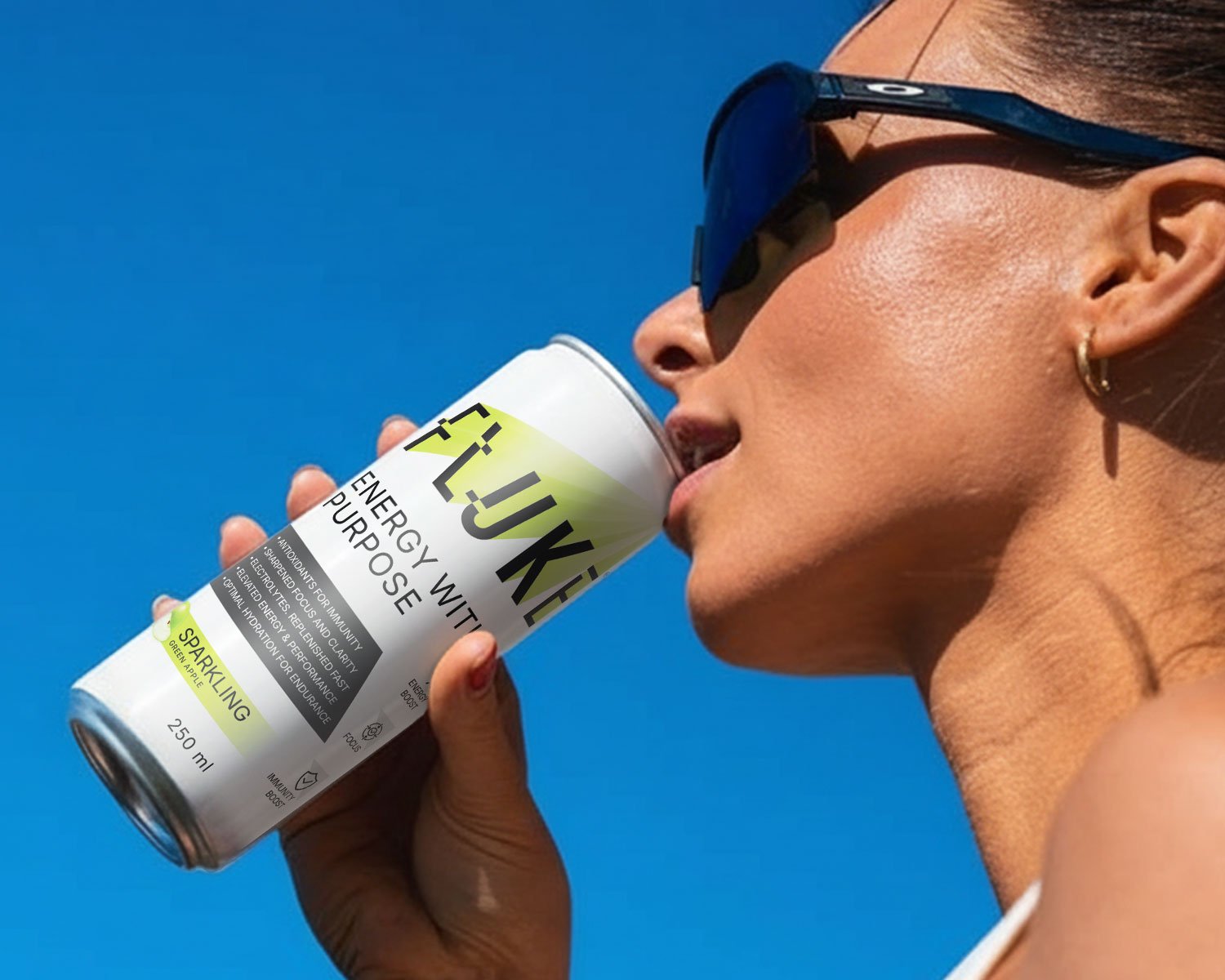
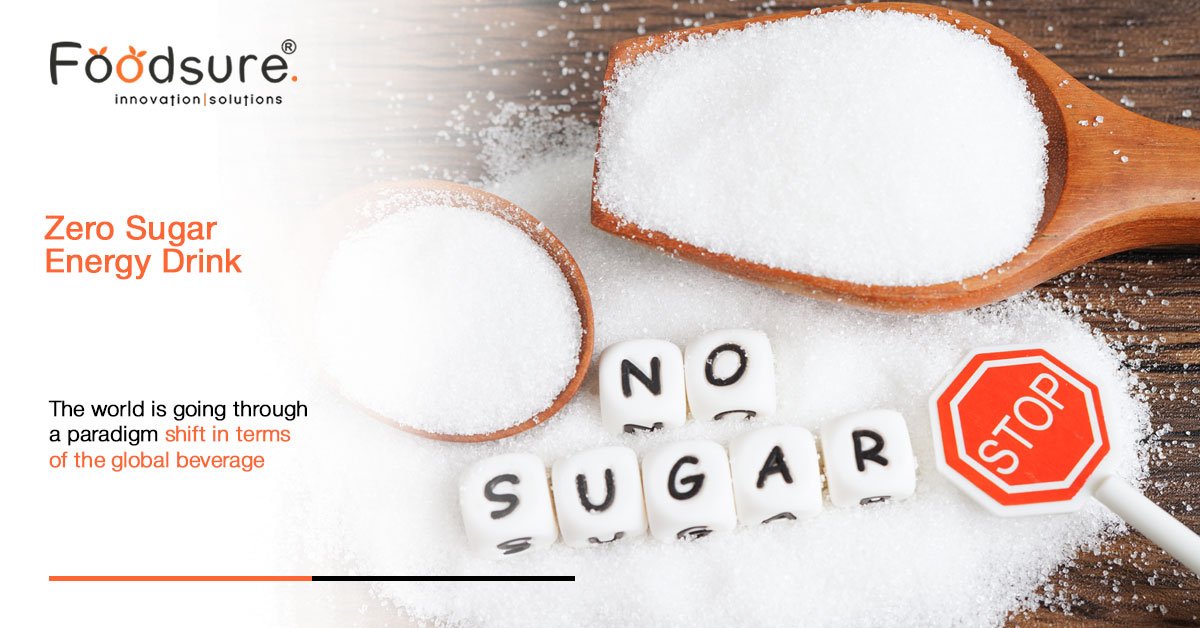
The world is going through a paradigm shift in the global beverage industry. Among these is the Zero Sugar Energy Drink. The modern consumer is not only looking to consume an energy drink that gives an instant boost of energy but is also looking for something clean and functional that is considerate of their health. The major challenge facing beverage founders is finding the perfect sweetener for their product — if not achieved correctly, it leads to taste and aftertaste problems. Understanding stevia, monk fruit, and other alternative sweeteners is essential to successfully creating a competitive zero sugar energy drink India product.
Zero Sugar Beverage Boom
| Market Insight | Data |
|---|---|
| Global consumers reducing sugar intake | 70%+ of global consumers are trying to reduce or avoid sugar intake |
| Global Energy Drink Market by 2030 | Expected to grow to over USD 125 billion — sugar-free and low-calorie segment growing fastest |
| Asia-Pacific including India CAGR | 9.7% CAGR for the energy drink market — one of the fastest-growing regions globally |
| India Energy Drink Market 2026–2031 | Expected to grow from USD 0.82 billion in 2026 to USD 0.94 billion by 2031 |
The zero sugar movement is no longer niche — it is mainstream. For founders developing in this space, the zero sugar vitamin drink formulation guide covers all technical challenges including stevia masking, mouthfeel enhancement, and sweetener blending in full detail.
Why Consumers Are Avoiding Sugar in Energy Drinks
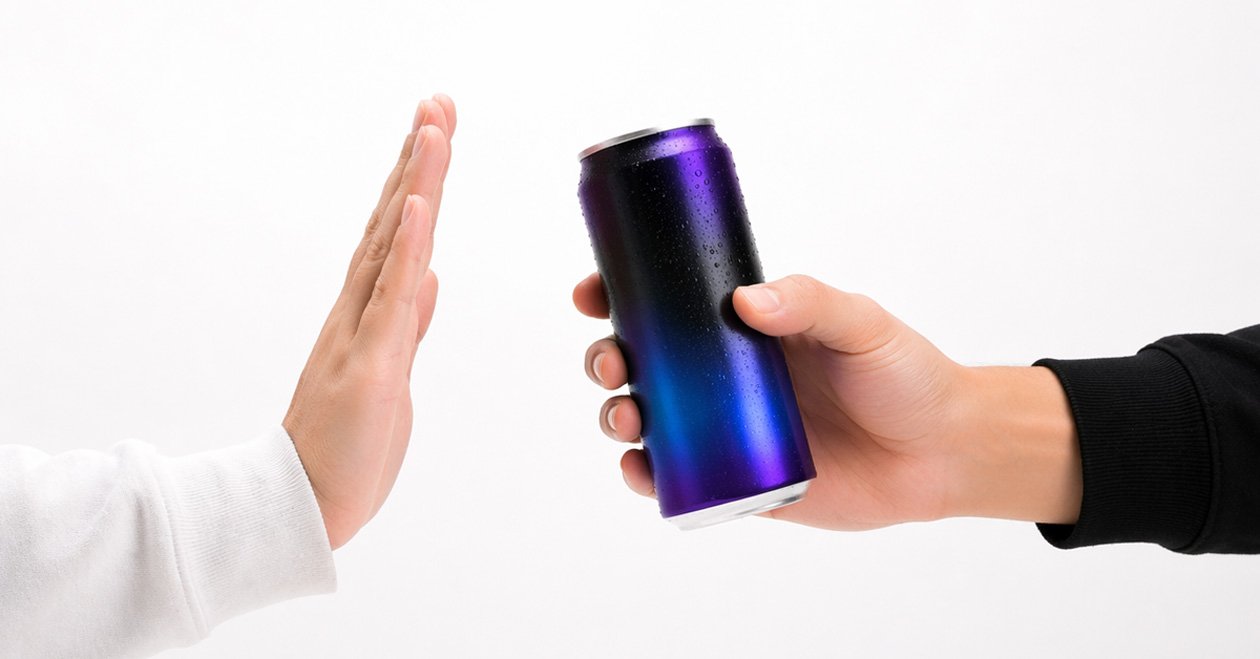
- Increased incidence of obesity and diabetes in India — forcing consumers to limit sugar consumption
- Increased awareness about calorie intake and weight management
- Increased demand for clean label and natural ingredients
- Increased demand for functional beverages that offer health benefits without sugar
- WHO recommends free sugar consumption be restricted to less than 10% of total energy intake
Developing a zero sugar energy drink for India?
Talk to our sweetener formulation team — wecare@foodsure.in
Sweetener Options: Stevia, Erythritol, Monk Fruit, Allulose, Sucralose
| Sweetener | Sweetness vs Sugar | Key Advantage | Key Challenge |
|---|---|---|---|
| Stevia | 200–300x sweeter | Zero calories, plant-based, natural | Bitter or liquorice-like aftertaste at higher usage rates |
| Monk Fruit | 150–200x sweeter | Smooth sweetness, minimal bitterness, effective stevia masker | Can be flat on its own — best used in blends |
| Erythritol | 60–70% as sweet | Adds bulk and mouthfeel — reduces high-potency sweetener bitterness | Cooling effect — can be undesirable if overused |
| Allulose | 70% as sweet | Closest to sugar in taste and texture — no bitter aftertaste | High price and restricted use in certain markets |
| Sucralose | 600x sweeter | High stability, long shelf life, clean sweetness impact | Not clean label — slightly artificial aftertaste at higher doses |
Glycaemic Impact Comparison
| Sweetener | Glycaemic Impact | Key Benefit |
|---|---|---|
| Stevia | Zero glycaemic index | Does not raise blood sugar or insulin levels |
| Monk Fruit | Zero glycaemic impact | Natural sweetness without impacting glucose metabolism |
| Erythritol | Near-zero glycaemic response | Not metabolised by the body |
| Allulose | Minimal glycaemic impact | Helps maintain stable blood sugar levels |
| Sucralose | No direct glycaemic effect | Strong sweetness with high stability |
Develop Your Zero Sugar Energy Drink
Stevia Masking, Monk Fruit Blending, No Aftertaste — Foodsure Formulates Your Zero Sugar Energy Drink.
From sweetener system design and aftertaste elimination to mouthfeel enhancement, FSSAI compliance, and contract manufacturing — Foodsure helps founders build zero sugar energy drinks that taste great and sell.
Blend Strategies for Best Taste
| Blend Strategy | How It Works | Best For |
|---|---|---|
| Stevia + Monk Fruit | Monk fruit masks stevia’s bitter aftertaste | Clean-label premium zero sugar drinks |
| Stevia + Erythritol | Erythritol adds bulk and mouthfeel — reduces stevia bitterness | Mid-price zero sugar energy drinks |
| Multi-Sweetener Systems (3–4 sweeteners) | Multiple sweeteners deliver a taste similar to sugar across onset, body, and linger | Premium clean-label zero sugar drinks targeting sugar-equivalent taste |
| Flavour Masking Technologies | Natural flavours and masking agents cover bitterness from sweeteners | All zero sugar formulations — essential for taste acceptance |
FSSAI Regulations for Sugar-Free Claims
| FSSAI Requirement | What It Means for Brands |
|---|---|
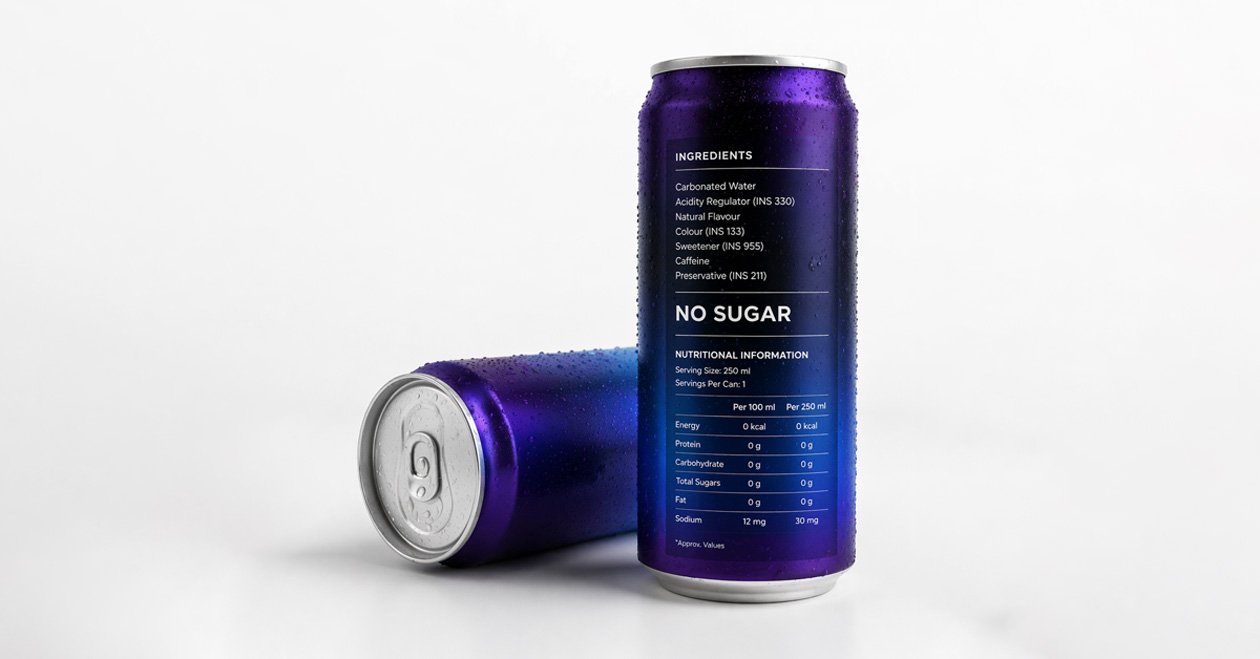
| Mandatory Declaration | Product should declare ‘CONTAINS ARTIFICIAL SWEETENER’ where applicable |
| Sweetener Declaration | Type of sweetener used must be declared (Stevia, Sucralose, etc.) |
| Health Warnings | “Not recommended for children” and other applicable warnings |
| Approved Sweeteners Only | Only FSSAI-approved sweeteners such as Stevia, Sucralose, and Erythritol within permissible limits |
| Claim Accuracy | Information provided to the consumer such as “sugar-free” must not be false or misleading |
Foodsure Zero Sugar Formulation
Developing a Zero Sugar Energy Drink requires not only eliminating sugar but also the in-depth knowledge needed for formulation and development. At Foodsure, we specialise in developing advanced custom stevia energy drink and monk fruit energy drink sweetener systems — providing support for development of beverage products that meet clean label and FSSAI requirements. Connect with Foodsure today to start building your zero sugar energy drink for India.
Launch Your Zero Sugar Energy Drink
Sweetener Blending, Aftertaste Elimination, FSSAI Compliant — Foodsure Builds Your Zero Sugar Energy Drink
Stevia and monk fruit blending, aftertaste elimination, mouthfeel enhancement, FSSAI compliance, and contract manufacturing — Foodsure handles every step so your zero sugar energy drink reaches market tasting great and commercially ready.
Or email us — wecare@foodsure.in
Related Reads
- Zero Sugar Vitamin Drink Formulation: Fix Bitter Aftertaste
- Clean-Label Energy Drink Consumer Demand India Trends 2026
- Sugar Free Sports Drink India: Sugar Free vs Low Sugar Guide 2026
- Functional Energy Drink Types Ingredients India Trends
- Vitamin Energy Drink Guide for Better Performance
Frequently Asked Questions
What is a Zero Sugar Energy Drink?
A Zero Sugar Energy Drink aids in increasing energy levels using compounds such as caffeine, vitamins, and amino acids — without any sugar in its composition, using alternative sweeteners instead.
What is the best sweetener for a zero sugar energy drink?
The best sweeteners are stevia, monk fruit, and erythritol — always used in combination to avoid bitterness and deliver a balanced taste profile.
How to formulate a zero sugar energy drink without a bitter aftertaste?
Combining sweeteners (stevia + monk fruit) with bulking agents such as erythritol or allulose, plus flavour masking agents, produces a smooth and clean taste without bitterness.
Is it safe to consume zero sugar energy drinks daily?
Most zero sugar energy drink options are safe to consume. However, it is important to consider sensitivity to sweeteners and other ingredients, and keep caffeine intake within FSSAI limits.
What is the difference between zero sugar and low sugar energy drinks?
Zero sugar energy drinks contain no sugar and use alternative sweeteners, whereas low sugar energy drinks contain some sugar. Zero sugar drinks are gaining popularity due to health benefits for diabetic and weight-conscious consumers.
What is the demand for sugar-free energy drink India market?
The sugar-free energy drink India market is expanding rapidly due to increasing health awareness, fitness culture, and clean label trends — particularly among Gen Z and millennials.
Which sweeteners are commonly used in zero sugar energy drinks?
Stevia, monk fruit, erythritol, allulose, and sometimes sucralose are commonly used zero sugar energy drink sweeteners.