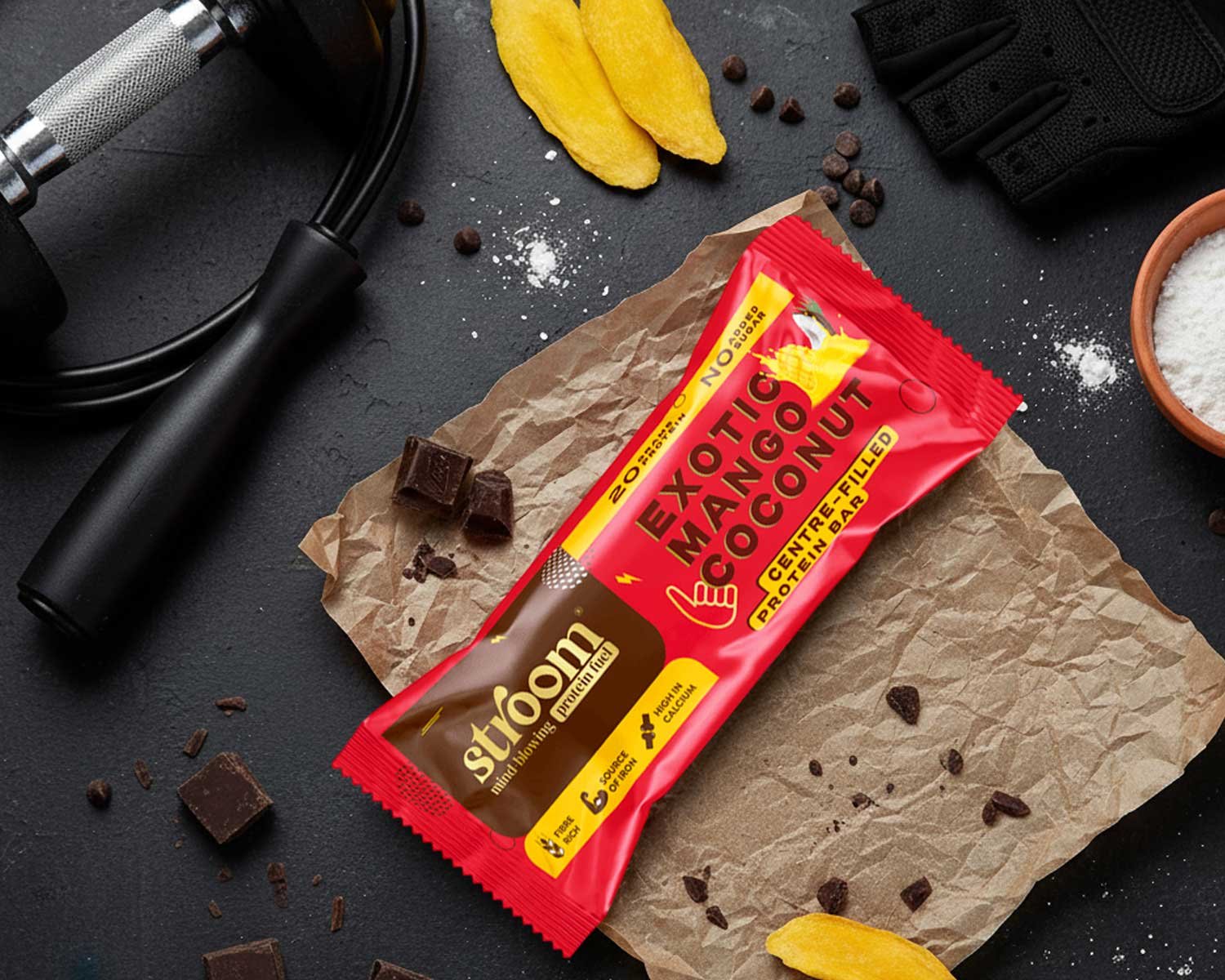

Scaling up the functional food production process is one of the most important challenges faced by food entrepreneurs. Moving from a pilot project to mass production is an important task that needs strategic planning and execution, along with proper compliance with regulations. The process of scaling up a functional food production facility calls for the integration of knowledge from many fields.
According to Grand View Research, the global functional foods market was valued at USD 329.65 billion in 2023 and is projected to reach USD 586.06 billion by 2030.
What Is Functional Food Manufacturing?
Functional food manufacturing pertains to manufacturing products that have been fortified with various bioactive substances that offer additional health advantages to consumers beyond their nutritional value. This definition covers nutraceutical manufacturing, dietary supplement manufacturing, and health food manufacturing activities.
This entails everything from the procurement process all the way through to the delivery process. Each region has its own regulations that need to be complied with. The FDA and other equivalent organizations require strict compliance with GMP guidelines during health food manufacturing.
Documentation is crucial at every level of the manufacturing process. Producers must prove that their products are safe and back up any health claims.
Here’s the food for thought: Functional Food Development for gut health

Permitted vs. Prohibited: Scaling Your Functional Food Manufacturing Operation
Compliance with regulations plays an important role in expanding nutraceuticals manufacturing. Below is the comparison of differences between compliant and non-compliant scaling methods.
Compliant vs Non-Compliant Scaling
| Aspect | Compliant Scaling | Non-Compliant Scaling |
|---|---|---|
| Facility Certification | GMP-Certified | Unverified Facility |
| Ingredient Testing | Pre-approved Suppliers | Unverified Sources |
| Claim Substantiation | Science-Backed Claims | Unproven Benefits |
| Documentation | Complete Traceability | Minimal Records |
| Quality Management | Regular Audits | Sporadic Checks |
| Supply Chain | Vetted Suppliers | Unreliable Partners |
Key Trends Shaping Dietary Supplement Manufacturing Today
There is an emergence of new trends in the scaling of manufacturing capabilities within the functional food manufacturing industry. Recognizing these trends enables companies to make informed decisions while scaling their operations.
- There is increasing pressure for batch personalization of products in the nutraceutical production sector.
- There is consumer pressure for traceable product production lines in health food manufacturing facilities.
- Contracted food manufacturers are increasingly coming under regulatory pressure worldwide.
- Traceability systems are increasingly being implemented in the functional food manufacturing sector.
- There is the need for eco-friendly production in the dietary supplement production industry.
According to Grand View Research, the global functional foods market is expected to grow at a CAGR of 8.6% from 2024 to 2030.
Here’s the food for thought: Top 10 Nutraceutical Products in India
The Core Components of Valid Functional Food Manufacturing
Every effective production system must be founded on core components that are effectively managed. These elements directly impact the presence of the product on the shelves, its legitimacy, and the level of consumer confidence. It is very important to ensure that your health food production process is properly managed. It helps you avoid unnecessary regulatory scrutiny. It guarantees that you provide consumers with exactly what they pay for.
| Component | Function | Critical Action |
|---|---|---|
| Equipment Validation | Ensure Consistency | GMP Qualification |
| Supplier Management | Ingredient Quality | Audit Program |
| Process Control | Standardized Output | SOPs Written |
| Quality Assurance | Batch Verification | Lab Testing |
| Documentation System | Regulatory Proof | Full Traceability |
| Staff Training | Compliance Culture | Annual Certification |
Common Problems Companies Face When Scaling Nutraceutical Manufacturing
Scalable manufacturing comes with its set of challenges. Identifying these common issues helps organizations make necessary adjustments to avoid expensive errors when adopting scalable contract food manufacturing operations.
- Failure to appreciate the capital required for health food manufacturing facilities.
- Poor supply chain qualifications during dietary supplement manufacturing procurement.
- Inadequate documentation processes during functional food manufacturing.
- Inability to ensure product consistency during nutraceutical manufacturing scale-ups.
- Regulatory non-compliance due to inadequate functional food manufacturing staff training.
- Disruptions within the supply chain that hinder health food manufacturing schedules.
Nutraceutical Manufacturing Scaling Development Stages
Understanding the scaling process can aid in planning how to allocate resources throughout the process. This table presents the key development phases of nutraceutical manufacturing scaling.
Production & Launch Timeline Overview
| Stage | Timeline | Key Focus | Resources Needed |
|---|---|---|---|
| Pilot Phase | 3-6 Months | Formula Validation | Lab Equipment |
| Equipment Installation | 2-4 Months | GMP Qualification | Engineering Support |
| Trial Production | 2-3 Months | Process Optimization | Technical Staff |
| Commercial Launch | Ongoing | Full-Scale Operations | Comprehensive Team |
Here’s the food for thought: Breakthrough in Nutraceutical Recipe Development
Foodsure’s Approach for Proper Functional Food Manufacturing Scaling Strategy
The most successful organizations know that there must be specific strategies to scale. Nutraceutical manufacturing professionals ensure they use tested strategies.
Facility design reviews with regulatory experts are essential.
- There should be strong change management within health food manufacturing operations.
- Supplier audits for dietary supplement manufacturing are also important.
- Nutraceutical manufacturing parameters should be validated.
- Training procedures for functional food manufacturing personnel should be documented.
This consistency in executing these strategies is what professional nutraceutical manufacturing requires.
FoodSure ensures that the manufacture of functional foods is precise, compliant, and consistent from beginning to end.
From planning to production, our approach ensures that tested methods translate into successful results.
The Clean Ingredient Challenge and Health Food Manufacturing Compliance
The requirements for clean labeling during the production of functional foods lead to conflict between perception and regulation. Terms such as “natural,” “pure,” and “chemical-free” are now under scrutiny in regulations.
Use of vague wellness claims poses a regulatory threat. There is an increasing disparity between the marketing and science language used in functional food production. Understanding allowed language in nutraceutical manufacturing is essential.
Claim Types & Compliance Overview
| Claim Type | Common Term | Legal Status |
|---|---|---|
| Natural Focus | 100% Pure | Needs Proof |
| Safety Focus | Chemical Free | Highly Regulated |
| Benefit Focus | Immune Boost | Lab Verification |
| Quality Focus | Raw Blend | Strict Audits |
Manufacturing Excellence and Scaling Dietary Supplement Manufacturing Operations
Manufacturing choices will directly affect the effectiveness and viability of large-scale production of functional foods. Changes to ingredients, manufacturing processes, and suppliers can all affect effectiveness and compliance.
Manufacturers of health foods should approach scaling as an opportunity for continual improvement. Auditing, maintenance, and training are necessary steps for successful nutraceuticals manufacturing. Working with contract food manufacturing firms can be helpful.
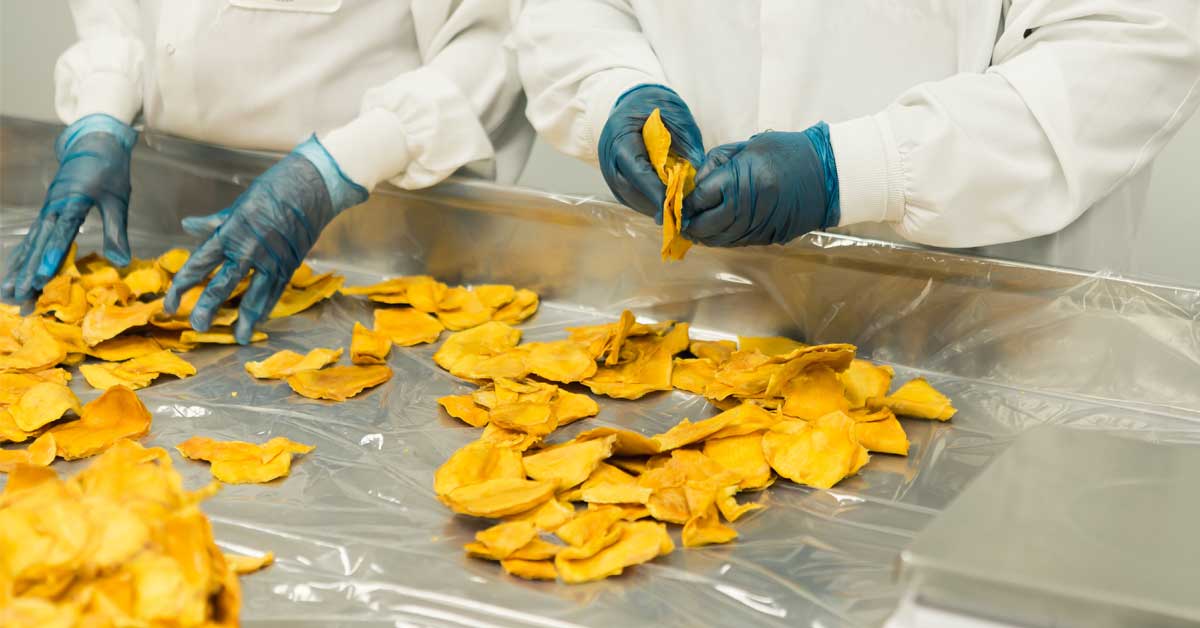
Conclusion: Developing Functional Foods Manufacturing Business
Scaling up your business to increase the production of your functional foods requires proper planning, understanding, and experience in terms of the regulations to be followed. It may not be an easy step but definitely possible by being adequately prepared.
Is your company ready to scale up its nutraceutical manufacturing operations now? As one of the first steps to prepare yourself for growing in this highly complex process, understanding the intricacies of modern-day dietary supplement manufacturing is essential.
As part of our mission at Foodsure, we provide our clients with complete assistance in scaling up their food manufacturing operations.
Ready to make your manufacturing operations completely fool-proof?
Contact us today!
FAQs
What regulatory certifications are needed in functional food manufacturing scaling?
GMP certification, FDA registration, and plant inspection are necessary for most countries around the world.
What is the average time required in nutraceutical manufacturing scaling?
It normally takes 8-15 months from pilot phase to full production based on facility complexity.
What is the minimum capacity requirement in health food manufacturing?
Minimum capacity requirements depend on each product category. Refer to regulatory authorities for exact specifications.
Is it possible to scale up dietary supplements using contract manufacturers?
Yes, it is possible. Contract food manufacturing firms can handle scaling. Supplier qualification remains a vital concern.
What documents must be kept in functional food manufacturing scaling?
Batch recordkeeping, equipment log, training documents, and supplier evaluation forms are mandatory documents.
What is the frequency of nutraceutical manufacturing validation?
Validation process includes initial validation and revalidation every 2-3 years or any other changes in functional food manufacturing.
What are the key cost drivers in health food manufacturing facility scaling?
Cost drivers include capital equipment, facility modification, compliance, employee training, and quality systems.