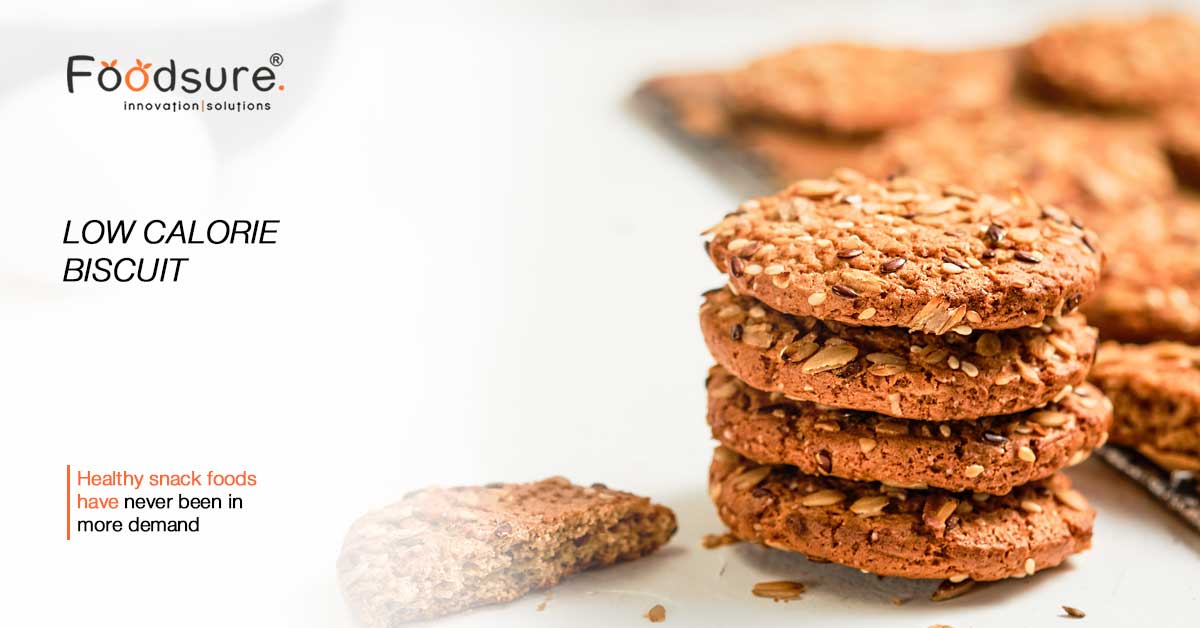
Healthy snack foods have never been in more demand. Today’s consumers are constantly on the hunt for delicious snacks that can help achieve their dietary needs. Introducing the low-calorie biscuit, which offers the perfect blend of indulgence and nourishment. Food companies keen to benefit from this trend would do well to know about sugar alternatives, fibres, and textures.
Understanding the Low-Calorie Biscuit Market
Low-calorie biscuit products have achieved great success due to the presence of health-conscious consumers and consumers with certain health conditions requiring special foods. The difficulty is coming up with a biscuit that won’t taste like a sacrifice.
It is important to know what consumers are looking for in a low calorie product before starting on the development process. Consumers seek a product that provides taste satisfaction along with other health benefits.
Sugar Substitutes in Low-Calorie Biscuit Formulation
The function of sugar in biscuit making is multi-faceted; it contributes to sweetness, browning, texture, and preservation. In the process of designing a formula for a sugar-free biscuit, selecting the correct alternative becomes important.
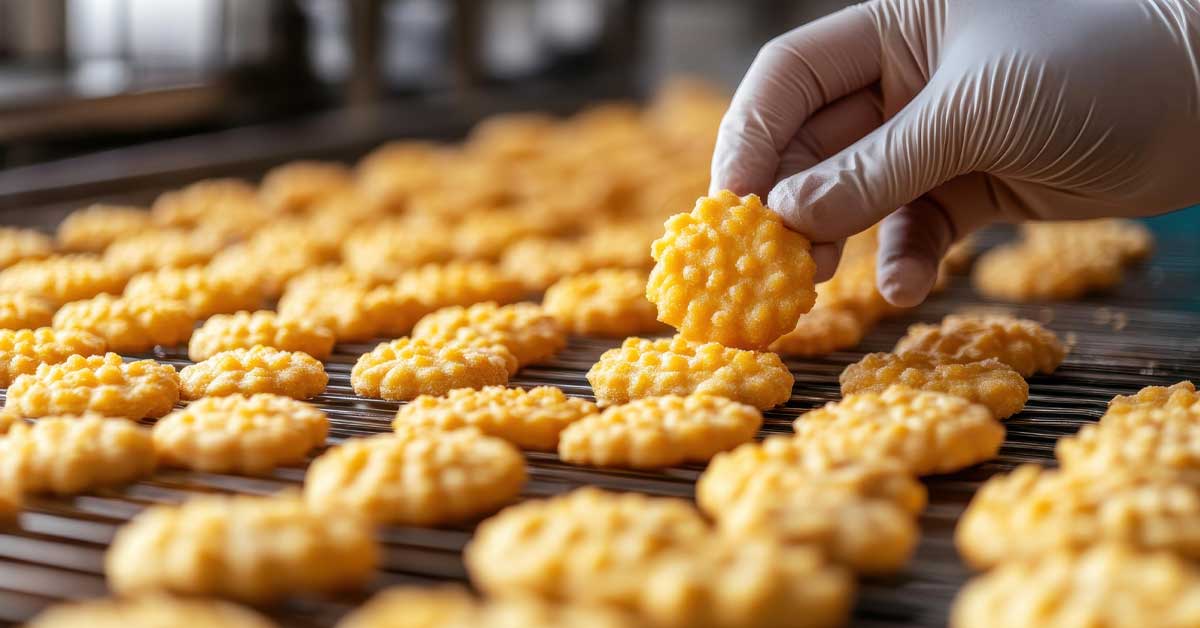
Best Sugar Substitutes for Low-Calorie Biscuits
The best choice for producing biscuits with low calories would be erythritol since it contains only 0.2 calories compared to four calories found in sugar. It will also provide about 70% of the sweetness compared to sugar, and it will not affect the sugar levels in blood. Stevia does not contain any calories and provides great sweetness. However, it must be used with the right technique since it may bring undesirable flavors.
In regard to production of biscuits that are healthy, using a combination of sweeteners seems to be the best strategy to adopt. Using erythritol with stevia will work out well in this scenario. One of the other good alternatives could be allulose.
Incorporating Fibre in Low-Calorie Biscuit Development
Fiber is another revolutionary substance in the creation of biscuits with fewer calories. Not only will this substance reduce the number of calories in the biscuit, but it will also make you feel satiated. The process of creating a high-fiber biscuit involves choosing ingredients for the mixture. It is advisable to use prebiotic fiber, like inulin and oligofructose, that blends well with the biscuit mixture without affecting the texture.
Inulin and oligofructose contain one to two calories per gram and can replace some of the flour used in the baking of the biscuit. Another advantage of using oat fiber in the formulation of a high-fiber biscuit.
The key to creating an excellent low-calorie biscuit is in achieving the right balance of fiber and tastiness. Too much fiber may result in a gritty texture or the ability to stick together. Start with 10-15 percent fiber and proceed accordingly based on the outcome. Another ingredient that would prove valuable is resistant starch.
Texture Engineering for Low-Calorie Biscuits
This is one place where the failure of most formulas of low-calorie biscuits lies. Biscuits have been known to be prepared by using sugar and fat, which help compensate for the flavour and texture.
Fat Reduction Strategies in Low-Calorie Biscuit Production
Fat makes biscuits tender and flavourful. It is quite difficult to reduce both the use of fat and sugar together in a no-sugar biscuit formula. One can opt for the use of good-quality fats like almond butter and coconut oil in small amounts, along with the use of emulsifiers like lecithin, in order to make biscuits tender with a smaller amount of fat.
Protein plays an important role in improving the structure in case of less fat content. Use of whey protein isolate or pea protein is helpful in making biscuits more nutritious. Moisture level affects the crunchiness of low-calorie biscuits. Moisture affects the shelf-life of the product.
Formulation Tips for Low-Calorie Biscuit Success
Development of an effective low-calorie biscuit entails a rigorous selection procedure with regard to the composition of the ingredients. Choose the best possible source of your flour such as almond, coconut flour or one that has some ordinary flour added to it. The level of sugars added will depend on consumer’s demands.
The most important factor in the production of healthy biscuits is controlling moisture levels. Sugar alcohols are hygroscopic; therefore, you may end up having soft biscuits. It will be necessary to include moisture barriers in the package as well as desiccants. Conducting blind tests is extremely vital because you will have to try out several prototypes.
Testing and Quality Control for Low-Calorie Biscuits
In addition to flavor, the other aspects must also be considered when carrying out the quality control of low-calorie snacks. These include testing the texture using a texture analyzer. Examine the following aspects: moisture content, hardness, and fracturing characteristics. Shelf-life testing should also receive attention because, due to the absence of sugar, it may influence shelf life.
It is also essential to ensure proper nutritional value in the products. This includes confirming the number of calories, fiber, and the glycemic index of the product, particularly in those marketed as diabetic-friendly biscuits. Consumer testing will also assist you in enhancing your formulation.
Key Takeaways
- There are many aspects to take into consideration when it comes to making a low-calorie biscuit.
- Using alternative sweeteners like erythritol and stevia helps reduce calories but still keep the biscuit sweet.
- Using high fiber content makes it more satisfying, and diabetic-friendly biscuits are made.
- Manipulating the texture becomes necessary in order to maintain the crispness of the biscuit without using too much fat.
- Conducting appropriate tests in the development phase is vital for its success.
Foodsure Takeaway
At Foodsure, we know that formulating low-calorie biscuits does not only involve lowering the number of calories but also developing such low calorie products that will be consumed by consumers. Our expertise in food formulation may help food companies develop healthy biscuits.
If you have always had the intention of formulating sugar-free biscuits for your company, then you have come to the right place. We provide technical support to companies that want to manufacture healthy biscuits.
Conclusion
The development of the low-calorie biscuit to meet consumer expectations involves the blend of science and innovation along with adequate testing. This task becomes easier once you select the appropriate sweetener, proper functional fiber, and manage texture using formulation techniques.
There are numerous opportunities in the low-calorie snack industry. The consumer seeks products that enable them to attain their health goals without losing out on pleasure.
Once you select the right ingredients and quality control measures, your product will be successful in the market.
How to Develop a Low-Calorie Biscuit — Sugar Substitutes, Fibre & Texture Engineering
Learn how to formulate low-calorie biscuits with the right sugar substitutes, fiber balance, and texture optimization for better health and taste.
Frequently Asked Questions About Low-Calorie Biscuits
How is a biscuit made into a healthy and low-calorie food item?
A biscuit is made into a healthy and low-calorie food item because of the reduction in sugar and fat content, replaced by fiber and no-calorie sweeteners. The use of whole grains also makes it a healthier choice.
What can be done to make sugar-free biscuits for diabetics?
The process involves the addition of sweeteners which have a low glycaemic index, like stevia or erythritol, with fiber helping control glucose absorption.
Can there be biscuits with less calorie intake that taste wonderful?
Absolutely. It can be achieved by employing a range of sweeteners and cutting down on fats, together with flavors like vanilla or cocoa.
What type of fiber would make a good choice for a biscuit with fewer calories?
The ideal fibers to use are inulin, oat fiber, resistant starch, and oligofructose. They offer very low calories, improve texture, and promote digestion without any grittiness.
What measures should be taken to achieve crispiness in a biscuit with low fat?
Crispiness in such biscuits may be obtained by minimising the moisture content, utilising proteins for body, using few emulsifiers, and having the right ratios of sugar substitutes.