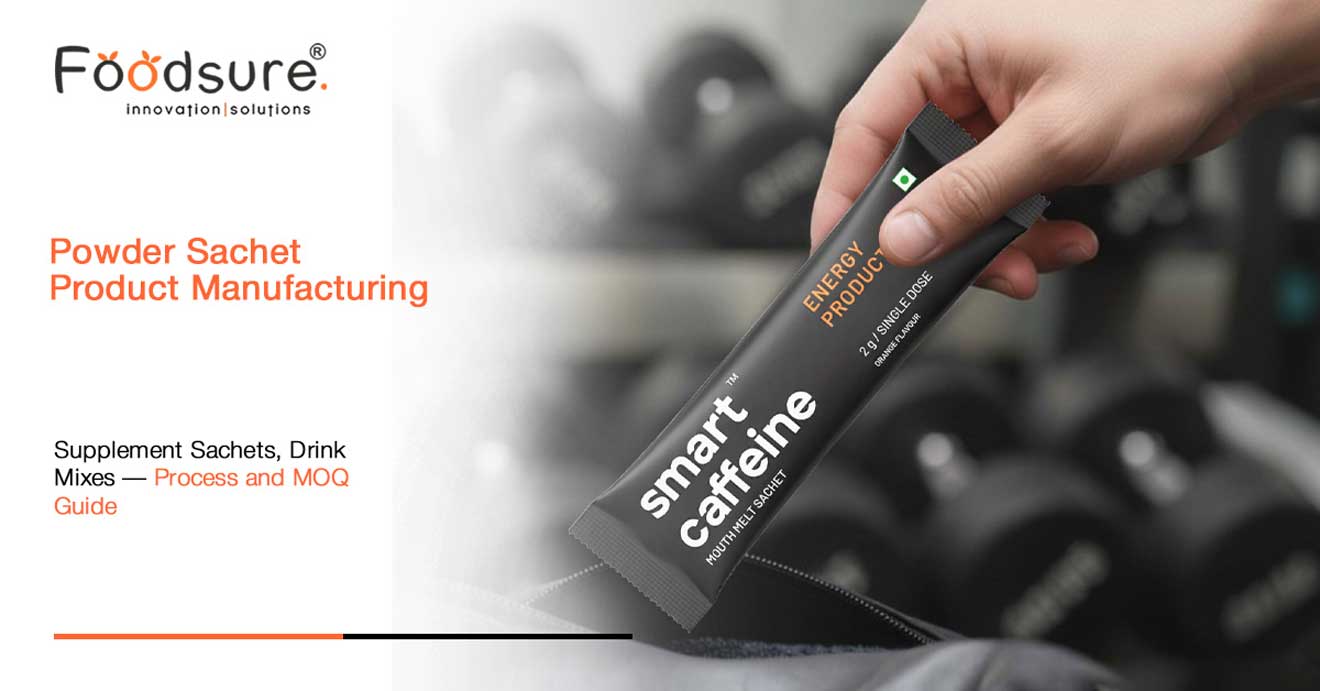
Launching a health or wellness brand now requires making good choices right at the start about the supplement products you will develop. One of the most scalable and convenient options is the sachet. For those seeking to create a line of products for sale, an understanding of the Powder Sachet Product Manufacturing process is crucial.
The worldwide market for dietary supplements is estimated to grow to USD 220.8 billion by 2030. No matter if you want to launch into the sachets for supplements industry or the drink mixtures arena, an understanding of the manufacturing process and minimum order quantity requirements is a must.
What is Sachet Powder Product Manufacturing?
Sachet Powder Product Manufacturing is the entire procedure that entails mixing, packaging, and sealing powders within sachets. It comprises everything from sourcing the powder ingredients right through to the finished product.
The development of sachet products begins with formulating the product, and culminates in the production of a finished, compliant product. The process is inclusive of formulation, material sourcing, and the use of machines to fill sachets. Every sachet manufacturing company should be knowledgeable of each step prior to embarking on the production process.
Contract vs. In-House: Understanding Powder Sachet Product Manufacturing Options
There is typically a dilemma on whether to manufacture the product themselves or use the services of a contract manufacturer, i.e., contract manufacturing.
Contract Manufacturing vs In-House Setup Comparison
| Feature | Contract Manufacturing | In-House Setup |
|---|---|---|
| Setup Cost | Low Investment | High Investment |
| MOQ Flexibility | Moderate Range | Full Control |
| Speed to Market | Faster Launch | Slower Launch |
| Quality Control | Shared Responsibility | Direct Control |
| Scalability | Easy Scaling | Capital Intensive |
Current Industry Trends Influencing Powder Sachet Product Manufacturing
Sachet manufacturing practices are rapidly changing as consumer preferences and concerns become an integral part of brand strategy.
- Single-serving sachet packaging is increasingly preferred by consumers across the globe.
- Sachet supplements are gradually taking over conventional pill packaging.
- Functional drinks are experiencing a rise in demand at a rapid pace.
- Eco-friendly and compostable sachets have become popular in packaging.
- Private-label sachets products are being developed by direct-to-consumer brands.
- Personalized nutrition is spurring smaller scale, more SKU batches.
Early adoption of Powder Sachet Product Manufacturing trends would help brands secure a distinct advantage over their competitors over the coming years.
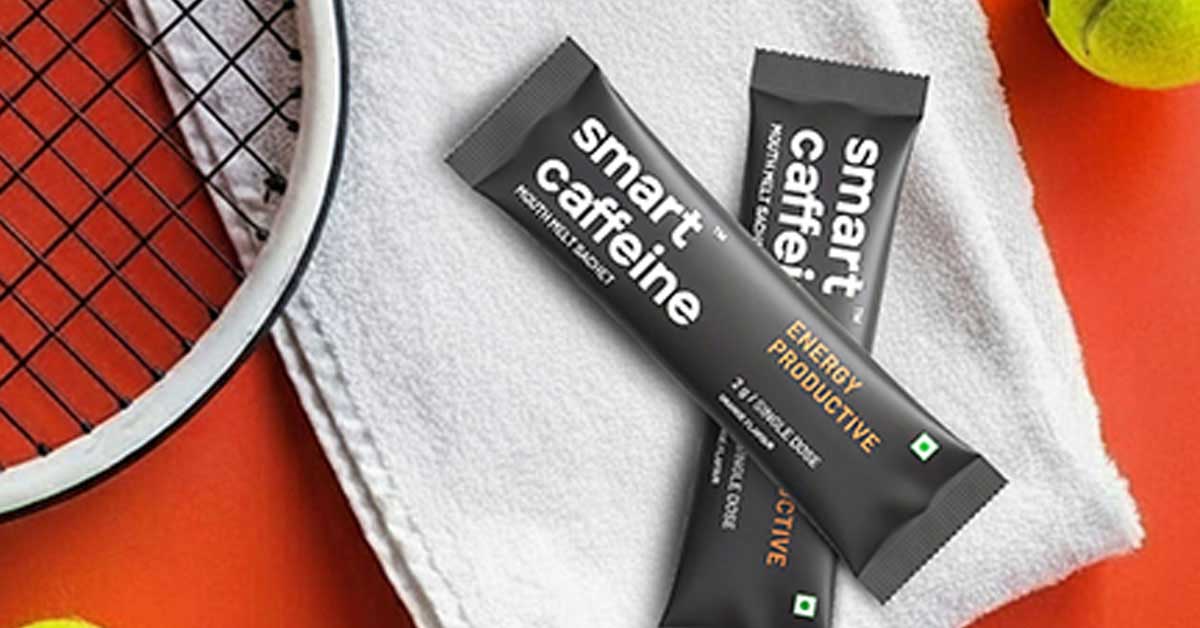
The Core Components of Powder Sachet Product Manufacturing
Successful sachet products always have key elements that are carefully controlled. Each element has a direct effect on the shelf life, regulatory compliance, and customer satisfaction.
Formulation Base vs Packaging Layer Overview
| Component | Formulation Base | Packaging Layer |
|---|---|---|
| Main Focus | Ingredient Blend | Barrier Material |
| Active Step | Stability Testing | Seal Integrity |
| Common Goal | Product Efficacy | Shelf Protection |
| Extra Support | Lab Validation | Compliance Check |
The ability to effectively control all these components is the difference between the success of sachet products and costly failures.
Common Problems Brands Face in Powder Sachet Product Manufacturing
Brands often enter the sachet products industry without understanding what challenges lie ahead for them. Some of the most frequent and expensive challenges brands encounter while manufacturing sachet products are:
- Misestimating the MOQ that leads to overproduction and/or cash flow problems.
- Improper choice of the moisture barrier resulting in the powder clumping.
- Miscalculating fill weights, which leads to regulatory issues.
- Unproven shelf life claim on supplements causing a recall.
- Flavor variation across different batches of drink mixes.
- Delay in securing certified raw ingredients delaying the entire manufacturing process.
All these problems add up to increase the cost and time involved in Powder Sachet Product Manufacturing.
Stages of Development and Timeframe Effect
The global nutraceuticals and functional foods industry is expanding with a CAGR of 8.9%. Understanding the stages of development will help brands allocate their budgets better and set practical launch timeframes.
Product Development Stage & Timeline Overview
| Stage | Key Action | Timeline Estimate |
|---|---|---|
| Concept Stage | Formula Draft | Two to Four Weeks |
| Prototype Stage | Sample Batches | Four to Six Weeks |
| Regulatory Stage | Label Review | Three to Five Weeks |
| Production Stage | Full MOQ Run | Six to Eight Weeks |
Foodsure’s Approach for Scalable Sachet Product Development
Among the most successful products, developing sachets requires having a defined process in place. With any scalable business, having an efficient process is the key to avoiding expensive mistakes and re-work.
- Set out your formula goals before you start talking to manufacturers.
- Ask for stability and compatibility studies in the beginning stages.
- Specify your packaging materials before starting manufacturing.
- Run a test batch before scaling to your minimum order quantity.
- Check fill weights and seal strength during each batch manufacture.
- Incorporate regulatory reviews at each stage of development.
Adopting this process will ensure the success of your Powder Sachet Product Manufacturing project, both time-wise and cost-wise.
The Clean Label Challenge in Sachet Product Development
The clean label movement is one of the most widely misunderstood in sachet product development. Brands often apply labels such as “all-natural,” “no additives,” and “preservative-free” without checking whether they have a basis and adhere to regulations.
- Unclear definitions for health attributes lead to labeling risk.
- Flow agents and anti-caking substances need clear declaration.
- “Sugar-free” claims need threshold compliance validation.
- Drink mix natural flavors need precise definitions.
“Clean Label in Powder Sachet Product Manufacturing” will only refer to products that have met standards and regulations for certification, not those whose claims do not match the product’s actual attributes.
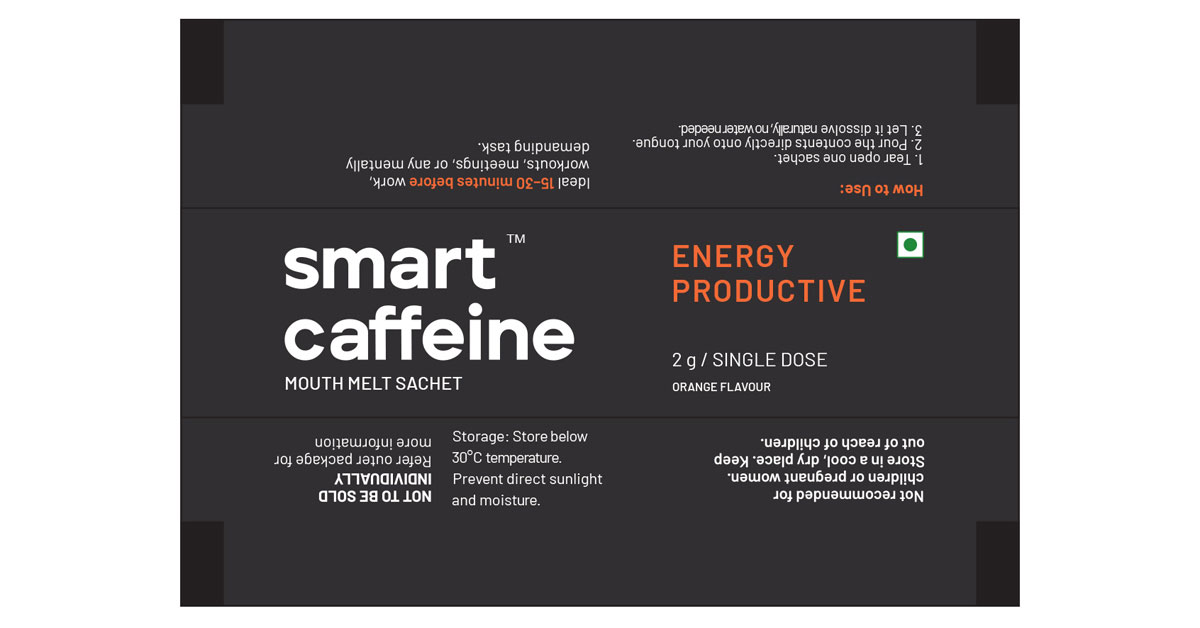
Emerging Formats in the Sachet Business
Traditional rectangular sachets have long been replaced by sachet packaging forms that provide better consumer experience and create greater brand distinction in highly competitive categories.
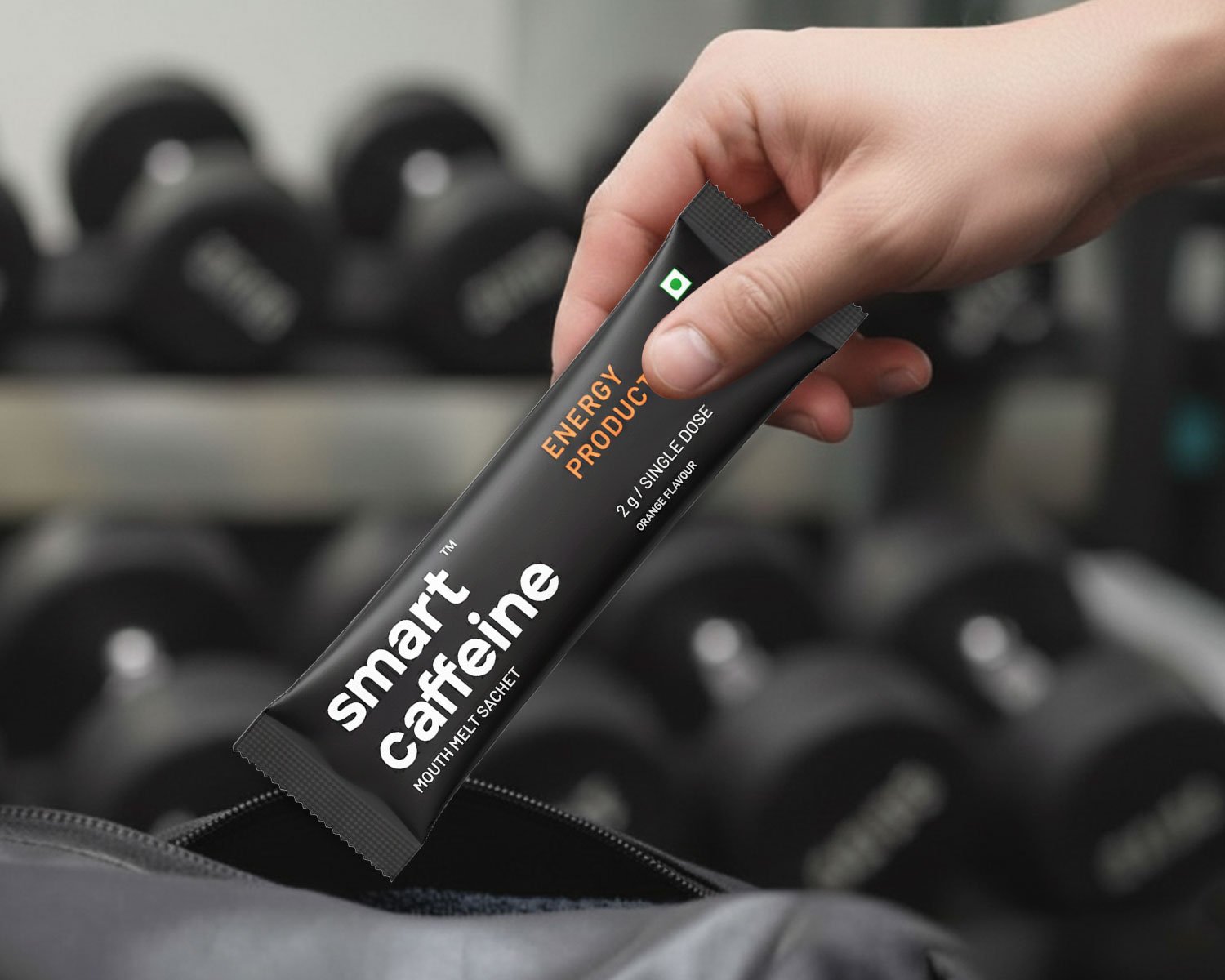
Stick packs, pyramid sachets, and spouted pouches are all gaining popularity as packaging formats for supplement sachets, while powder drinks are often packed in pyramid sachets. Some businesses are experimenting with using compostable films and soluble sachets in their formulations.
These new innovations are putting additional pressure on Powder Sachet Product Manufacturing to become more automated and increase quality control across all batches produced.
Here’s the food for thought: Best Functional Supplement Formulation
Manufacturing, MOQ, and Scaling Your Sachet Business
Production decisions play a huge role in whether your sachet business will be able to make money or not. Minimum order quantity (MOQ) is one of the key criteria to consider before diving into the field of Powder Sachet Product Manufacturing.
Most manufacturing companies operate at a minimum order quantity of 5,000–10,000 units per SKU. Specialised facilities that produce supplement sachets and drink mixes may operate at lower MOQs.
The forecast for the global functional food and beverages market is projected to exceed $530 billion by 2028. The brands that establish themselves in Powder Sachet Product Manufacturing scalability will be well-placed to tap into this market potential.
Conclusion: Build a Scalable Powder Sachet Product Manufacturing Strategy
Getting involved in sachet products entails so much more than merely creating a good formula. Each and every choice taken during the powder sachet product production will have a direct effect on the future of your company commercially.
At Foodsure, we realize that creating a successful sachet product isn’t only about having a vision but requires proper execution and strategic planning.
Thinking about introducing your first range of supplements in the form of sachets or extending your already established drinks’ mixes? Being successful with sachet products can be considered the determining element which distinguishes the successful ones from non-successful.
The clever sachet product business is based on 3 main pillars – formula validation, dependable partners for manufacturing, and full process transparency. It’s exactly what Foodsure offers.
Think you are ready to introduce a new sachet product line? Start working together with Foodsure today!
Powder Sachet Product Manufacturing: Supplement Sachets, Drink Mixes — Process and MOQ Guide
Learn the complete process of powder sachet manufacturing including formulation, filling, packaging, and MOQ requirements for supplement and drink mix products.
FAQs
What is Powder Sachet Manufacturing?
It refers to the complete manufacturing cycle from blend through to sachet filling & packaging.
What is the average MOQ of supplement sachets?
The average MOQ of supplement sachets is 5,000-10,000 per SKU.
Is it possible to produce drink mixes in environmentally friendly sachets?
Yes. It is possible since there are already compostable or soluble sachet films for drink mixes production.
How long would sachet development normally take?
Sachet product development takes approximately 15-25 weeks from concept to finalisation stage.
Why is there variation in the fill weight of powder sachets?
The causes are poor powder flow properties, high humidity levels, and incorrect equipment calibration.
Is it possible to produce a smaller pilot batch before the MOQ runs?
Yes, it is always possible since almost all manufacturers are willing to do that.
How can a sachet company scale up its production in an efficient manner?
A sachet company can do this through formulation standardisation and negotiating lower MOQs based on larger volumes.