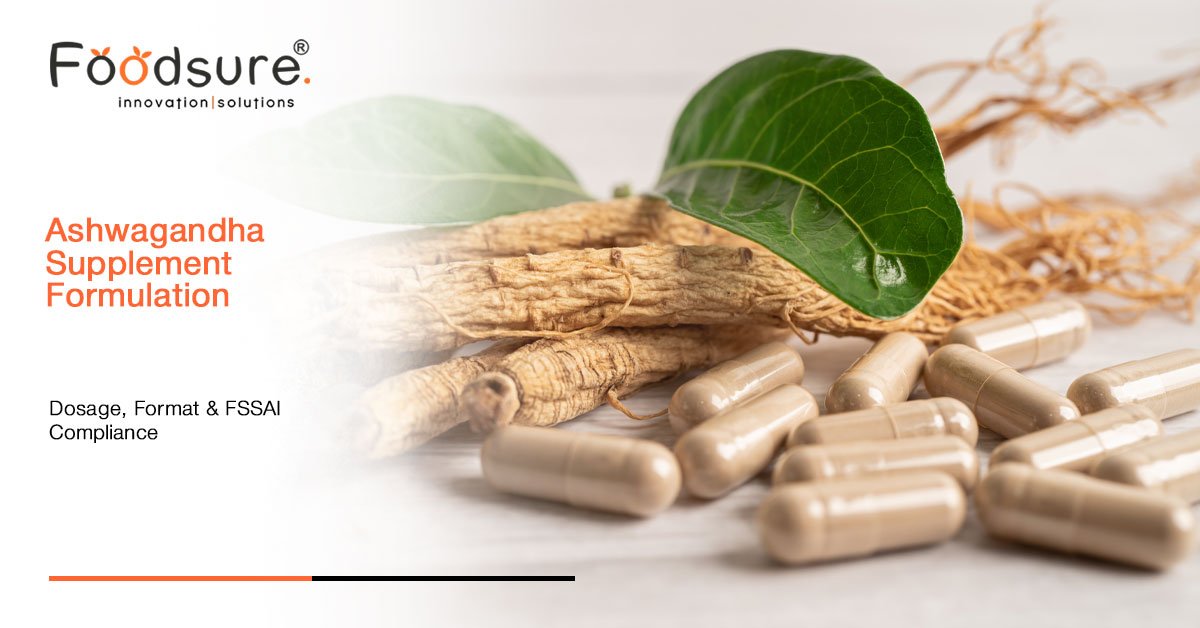
There is a big rise in the nutraceutical market in India, and at the centre of it all is an ancient adaptogen called Ashwagandha. If you want to get into this market as a brand, distributor, or private label buyer, you need to know how to make Ashwagandha supplement formulation. Getting the formulation right is what makes your product work, lasts longer, gets through regulations, and ultimately sells well, whether you’re starting a new wellness brand or expanding an existing product line.
The food product development experts such as, in Ashwagandha product development initiates from start to finish, from finding the right raw materials to certifying the final batch.
Why Ashwagandha Formulation Demands Expert Attention
Ashwagandha (Withania somnifera) is not an easy ingredient to use. The active biomarkers that determine how well it works in clinical settings are withanolides. If an Ashwagandha supplement formulation is poorly designed, it could have doses that are too low to be effective, be hard to absorb, or even be rejected by regulators.
Some important formulation variables are:
- Standardisation of withanolide (usually 2.5% to 5% for clinical relevance)
- Ratio of extract to powder (Full spectrum vs. KSM-66 vs. Sensoril extracts)
- Compatibility of excipients (binders, fillers, and flow agents)
- Controlling moisture for shelf stability
This is why business-to-business (B2B) buyers in India are always looking for a reliable ashwagandha extract supplement manufacturer who knows both science and the law.
Format Options: Choosing the Right Delivery System
The first step in making an ashwagandha product development is to decide what format will work best for your target customer.
Capsules (Most Popular)
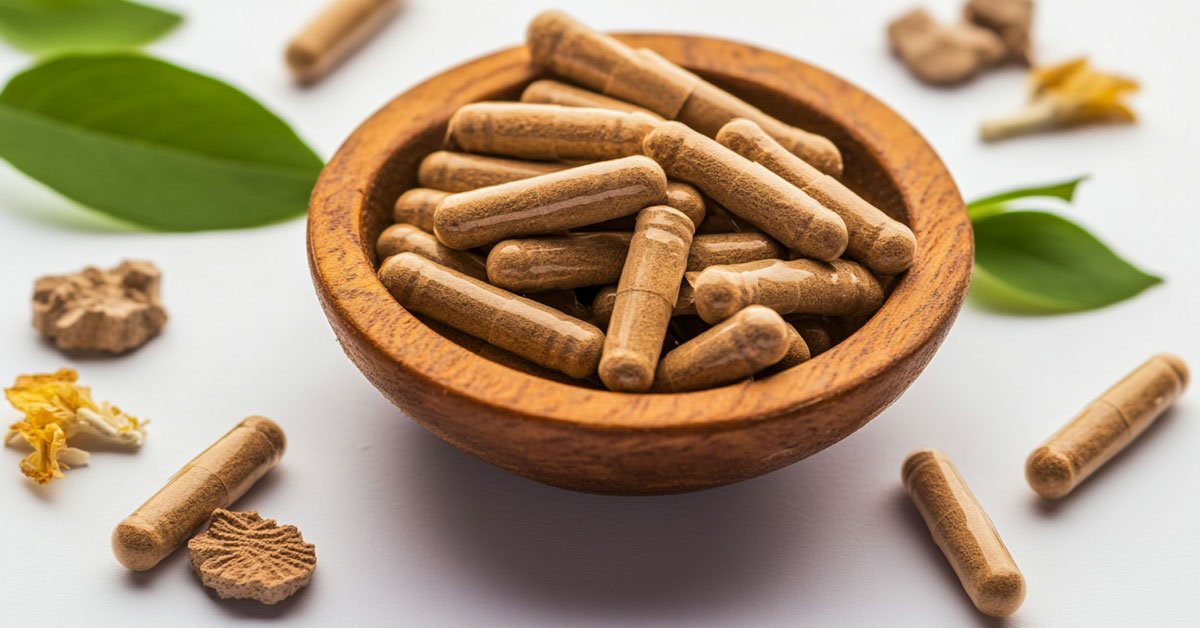
The ashwagandha capsule formulation India uses either HPMC or gelatin-based shells. A normal dose is between 300 and 600 mg per capsule, with one to two capsules per serving. This format is very stable, easy to dose, and widely accepted by consumers.
Tablets
Pharmaceutical-grade supplement lines prefer compressed tablets because they allow for higher active loading. A full-spectrum effect is often achieved by combining root extract with root powder in tablet Ashwagandha supplement formulation.
Gummies
Growing quickly in the D2C market. Gummy formulations need to be heated carefully because withanolides can break down at high processing temperatures. A good ashwagandha extract supplement manufacturer maker must test the potency of the product after it has been made.
Tablets & Sachets
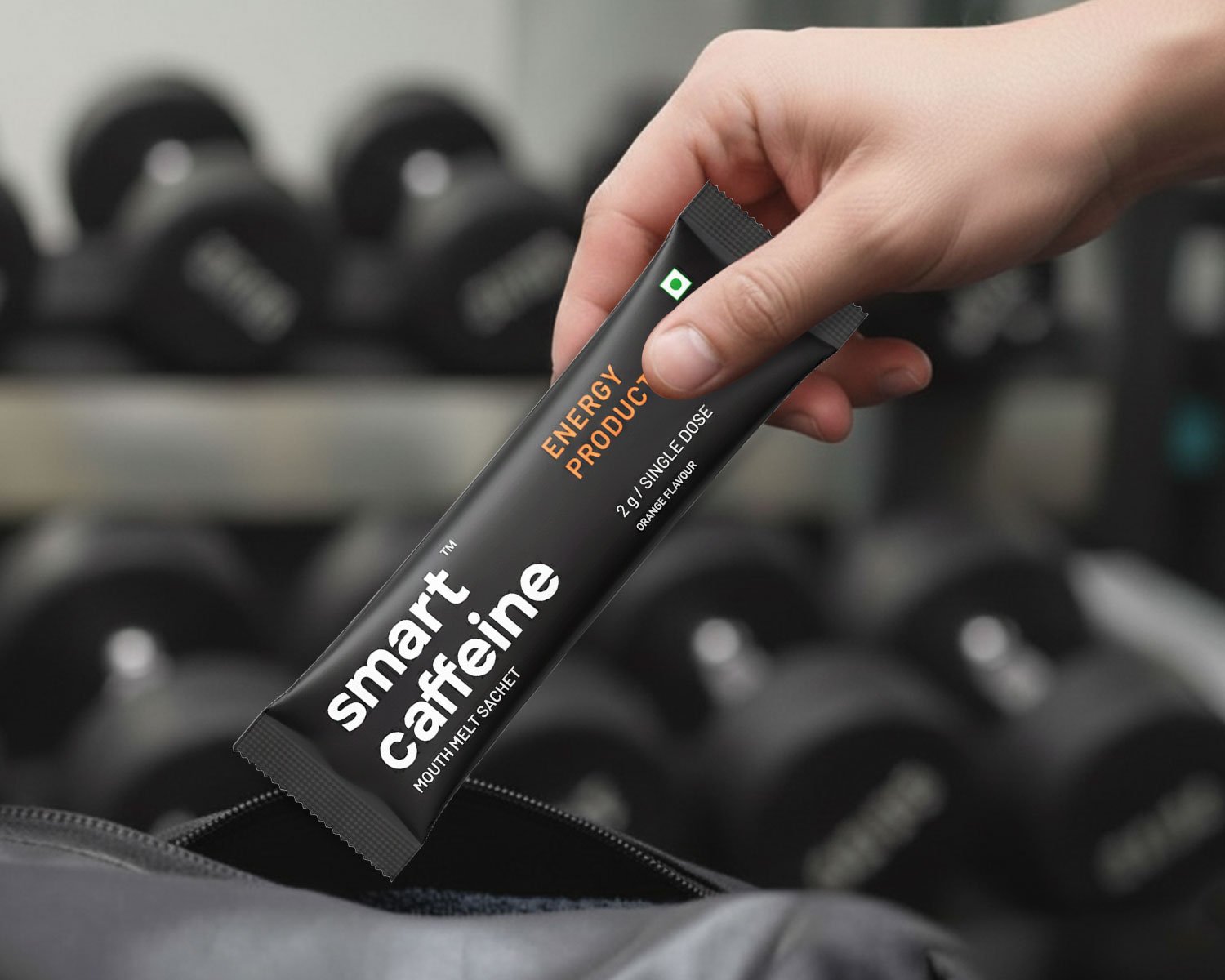
Good for drinks that are good for both athletes and those who wish to be healthy every day. In order to keep the natural bitterness of Ashwagandha under control, these formats require an Ashwagandha supplement formulation that is stable over pH levels and has the appropriate masking agents.
Softgels
The fact that withanolides given with a lipid base, make it much easier for the body to assimilate them is undeniable. Softgels are quickly becoming the preferred format for premium products, and for good reason.
Dosage Science: Getting the Numbers Right
If there is one issue that can make or break your Ashwagandha product development, it is the dosage. Too little, and your product does not work. Too much, and you’re adding unnecessary cost to your product. Here is what the clinical data supports:
Stress & Anxiety
- Recommended Dose: 300–600 mg/day
- Extract Type: KSM-66 / Sensoril
Sports Performance
- Recommended Dose: 500–600 mg/day
- Extract Type: KSM-66
Thyroid & Hormonal
- Recommended Dose: 300–600 mg/day
- Extract Type: Full Spectrum
Cognitive Support
- Recommended Dose: 300 mg/day
- Extract Type: Sensoril
For ashwagandha capsule formulation India, the 300 mg and 500 mg per capsule variants hit the sweet spot they’re cost-effective to manufacture without compromising on clinical relevance.
FSSAI Compliance: The Non-Negotiable Framework

If you’re serious about selling your Ashwagandha supplements in India, then FSSAI compliance is not something you do later on; it’s something you build into your product from day one. The 2022 Food Safety and Standards (Health Supplements, Nutraceuticals) Regulations specify exactly what’s expected:
- Ashwagandha root and root extract are both approved ingredients in Schedule I of the FSSAI nutraceutical regulations. So, you’re good on that score.
- You’re free to make claims about structure and function, but if you even breathe a word about treating or curing any disease, you’re in violation.
- You must specifically declare withanolides in mg per serving. No vague language is acceptable.
- Heavy metals must be at or below 3 ppm for Lead, 1 ppm for Arsenic, 0.1 ppm for Mercury, and 1 ppm for Cadmium.
- Microbial limits must be fully complied with. That means total plate count compliance, with no presence of any pathogens at all.
- And your ashwagandha extract supplement manufacturer must have a valid FSSAI Central License. No shortcuts here.
At Foodsure, compliance is not an afterthought. All of our Ashwagandha product development projects are designed with regulatory requirements in mind from the very first discussion, ensuring that you do not face rejection or delay in the registration process itself.
Why B2B Brands Choose Foodsure for Ashwagandha Formulation
- There are a lot of manufacturers out there. Here’s what actually sets Foodsure apart:
- We source standardised extracts directly from certified farms in Madhya Pradesh and Rajasthan no middlemen, full traceability
- Our in-house R&D team manages custom Ashwagandha supplement formulation in every format you need
- Our facility is certified by FSSAI, GMP, and ISO – the certifications that matter when your buyers ask tough questions
- From startups testing the market to established businesses scaling up, our MOQ structure is designed to suit your needs
- We provide full support for private label and white label orders, along with documentation – we make the paperwork easy
- Third-party lab reports are included with every batch no exceptions
Our ashwagandha capsule formulation India capabilities cover 300 mg, 500 mg, and 600 mg options across KSM-66, Sensoril, and full-spectrum extracts.
Founder’s Takeaway
After years of working with various supplement brands across India, the one mistake we see every brand make is that they don’t realise that Ashwagandha is not just another commodity. The quality of the extract, the standardization process, and the delivery system all come together to create the promise that your product makes to every person who consumes it. At Foodsure, we don’t just manufacture products we formulate with purpose, with compliance, and with your long-term success in mind.”
Conclusion
Demand for quality Ashwagandha product development in the Indian B2B nutraceutical industry has never been higher. However, the intricacies of formulation, dosing, and FSSAI regulations are causing brands to stumble if they are not careful. A well-designed Ashwagandha supplement formulation is what sets a successful brand apart from a brand that will simply disappear from the shelves.
This is exactly where Foodsure was designed to help bridge the gap between ancient Ayurvedic knowledge and state-of-the-art manufacturing capabilities.
FAQs
What is the standard quantity of withanolides in Ashwagandha supplements?
The standard quantity of withanolides in most clinical-grade Ashwagandha supplements is between 2.5% and 5%. The most standardised and reliable forms of the extracts that are currently available in the market are KSM-66 and Sensoril.
How do I select the right one between KSM-66 and Sensoril to be used in my Ashwagandha supplements?
Sensoril is better suited for supplements that are used for stress management, sleep, and cognition. On the contrary, KSM-66 is better suited for energy and performance supplements.
Is it safe for the public to buy the ashwagandha capsule formulation from India FSSAI?
Yes. According to the FSSAI nutraceutical regulations, it is safe for the public to consume the Ashwagandha root and extract. However, the manufacturer needs to be licensed and the product needs to be properly labeled.
What is the least quantity of Foodsure’s private label ashwagandha supplements that I can order?
Foodsure offers flexible MOQs that begin with small quantities. This makes it easy for new brands and even large companies to buy from them.
Can Foodsure create a unique ashwagandha extract supplement just for my brand?
Yes, of course. Foodsure’s own R&D team creates new and unique formulas for softgels, gummies, tablets, capsules, and sachets. They keep complete and comprehensive records.