In today’s beverage market, getting consumers to try a product is no longer the hardest challenge. Sampling campaigns, influencer marketing, attractive packaging, and B2B distribution channels have made trial success relatively achievable.
What remains difficult, and far more important, is beverage brand longevity.
This article explores the difference between trial vs long-term success beverages, why many promising launches fade early, and building a lasting beverage brand that survives the entire beverage lifecycle rather than peaking at launch.
The Psychology Behind Trial vs Long-Term Success Beverages
Consumers try new beverages easily. Staying with them is far harder.
A trial purchase is driven by:
- Curiosity
- Packaging appeal
- Marketing claims
- Social influence
A repeat purchase is driven by:
- Habit
- Sensory familiarity
- Trust
- Low decision effort
This distinction explains why many beverages win attention but fail building a lasting beverage brand .
The Core Problem: Confusing Attention With Attachment
Trial success proves your product is interesting.
Brand longevity proves your product is needed.
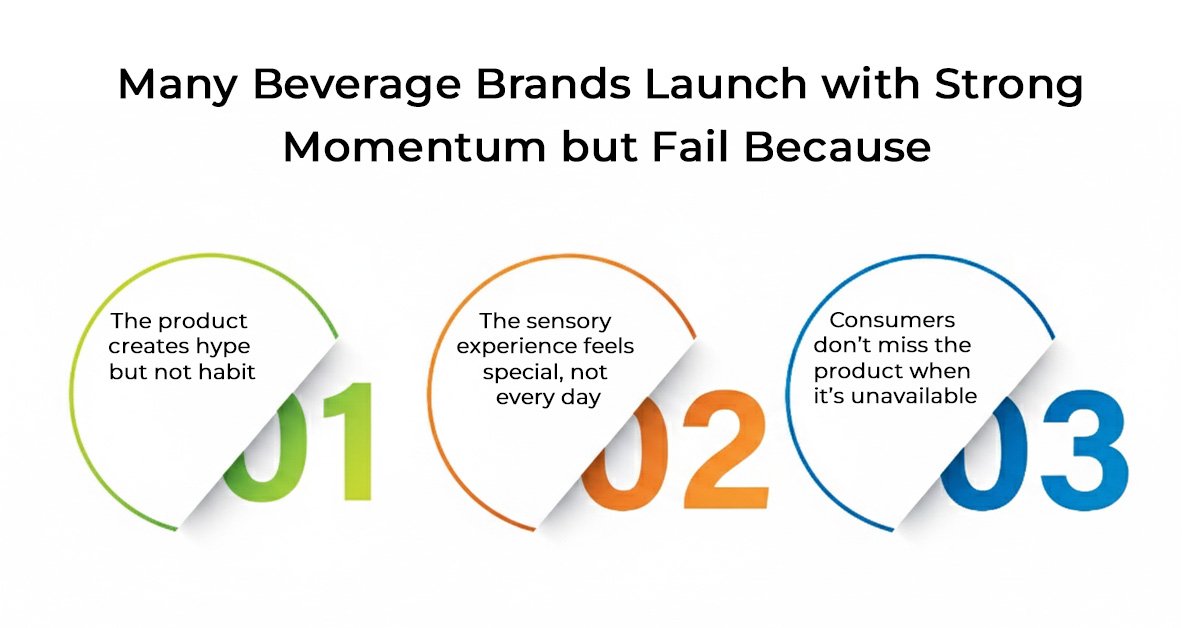 Many beverage brands launch with strong momentum but fail because:
- The product creates hype but not habit
- The sensory experience feels special, not every day
- Consumers don’t miss the product when it’s unavailable
At this stage, the beverage lifecycle quietly breaks, often right after launch.
Why Early Beverage Momentum Often Fades
Brands that fail to sustain themselves often share the same structural issues:
- Products designed to impress, not repeat
- Over-engineered flavours that fatigue quickly
- Functional claims that aren’t consistently felt
- Sensory inconsistency across batches or time
- Scaling decisions made before loyalty is established
As a result, brands rely heavily on continuous marketing spend instead of building natural repeat behaviour.
What Founders Experience When Longevity Fails
Common founder pain points include:
- Strong trial but weak repeat
- Dependence on discounts to maintain sales
- Retail expansion without velocity
- Initial growth followed by stagnation
These symptoms are often mistaken for branding or distribution problems. In reality, they point to a longevity design gap within the product itself.
A Simple Human Way to Understand the Gap
A beverage behaves like an app.
You download it because it looks exciting.
You keep it only if it fits effortlessly into daily life.
Most beverages get downloaded.
Very few become defaults.
Sustainable beverage brands are not the most exciting ones—they are the easiest to return to.
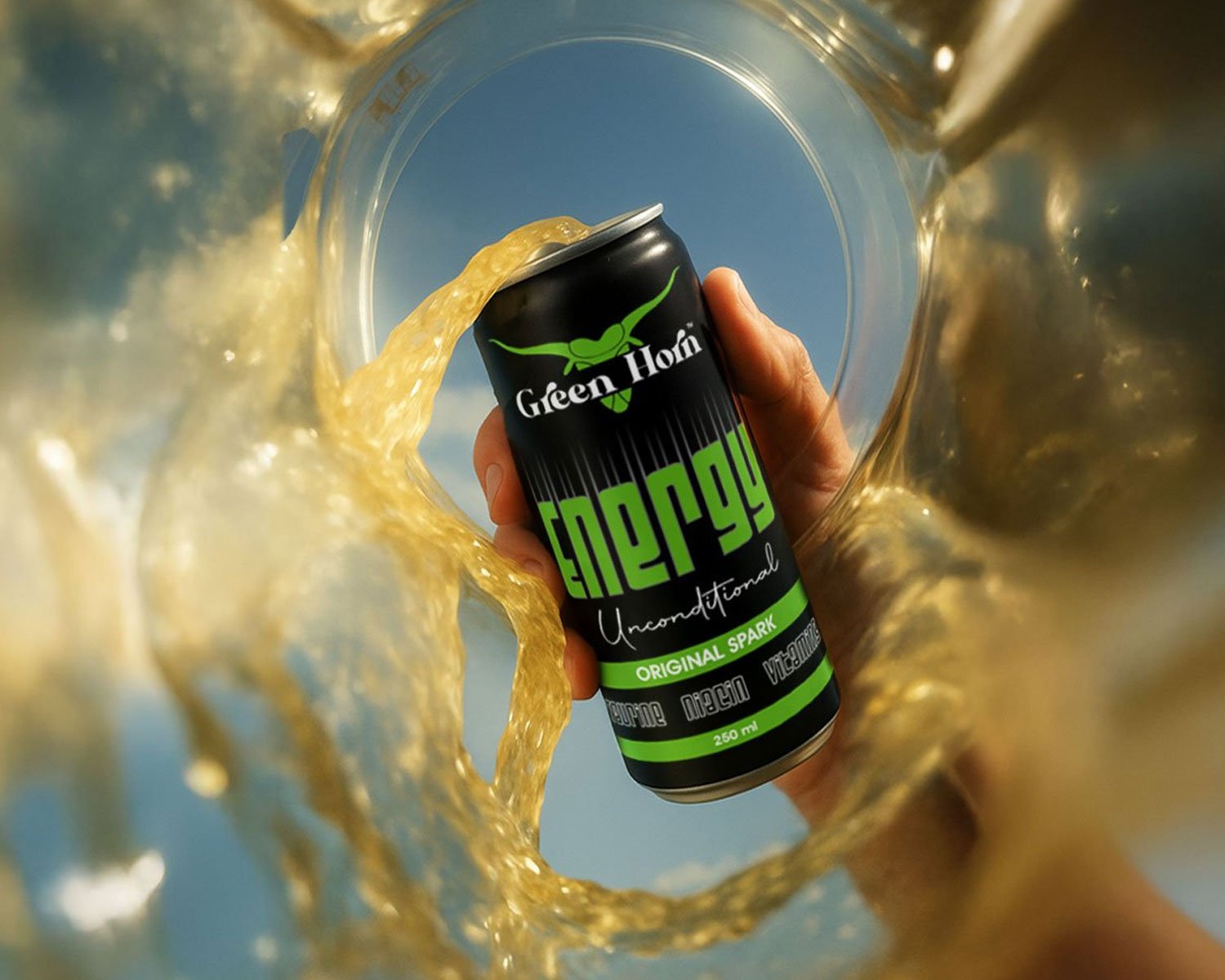
Case Study: Green Horn Functional Beverage
Green Horn, a functional beverage brand, showed strong promise during early formulation trials. At launch, the product delivered:
- Balanced flavour
- Acceptable mouthfeel
- Clear functional positioning
However, during repeat batch testing and storage evaluations, issues emerged:
- Flavour intensity increased over time
- Functional notes became more pronounced
- Minor batch variations affected mouthfeel
The issue was not ingredient quality. It was time-dependent sensory drift caused by ingredient interactions and storage conditions, factors often overlooked when the focus is limited to how a product tastes on day one.
The formulation was later optimised for inter-batch consistency and shelf-life stability to ensure the experience remained uniform over time.
Learning:
In functional beverages, sensory validation must account for how a product behaves over time, not just how it tastes once. Trial success alone does not guarantee long-term success if the experience cannot be sustained.
What Actually Builds Beverage Brand Longevity
Lasting brands are designed for reuse, not applause.
Key principles behind enduring beverage brands include:
- Designed for Frequency: Products fit naturally into daily or weekly routines
- Sensory Familiarity Over Time: Stable, non-fatiguing flavour profiles
- Low Cognitive Effort: The purchase becomes automatic
- Lifecycle Stability: Consistent taste and mouthfeel from first batch to scale
- Supporting Innovation: New SKUs strengthen the core instead of distracting from it
This is how beverage brand longevity is built as a system, not a slogan.
Why Over-Innovation Often Hurts Longevity
When repeat purchases slow, brands often respond with:
- New flavours
- Limited editions
- Seasonal variants
While innovation has value, premature diversification often masks a deeper issue: the core product has not earned habitual loyalty. Longevity comes from strengthening foundations, not constantly changing them.
Related Blogs
Beverage R&D Science: Crafting the Next Big Drink
FSSAI Label Compliance for Beverage Startups
Where Foodsure Fits in Building Beverage Brand Longevity
Foodsure works with beverage brands at a level many teams overlook: product behaviour over time.
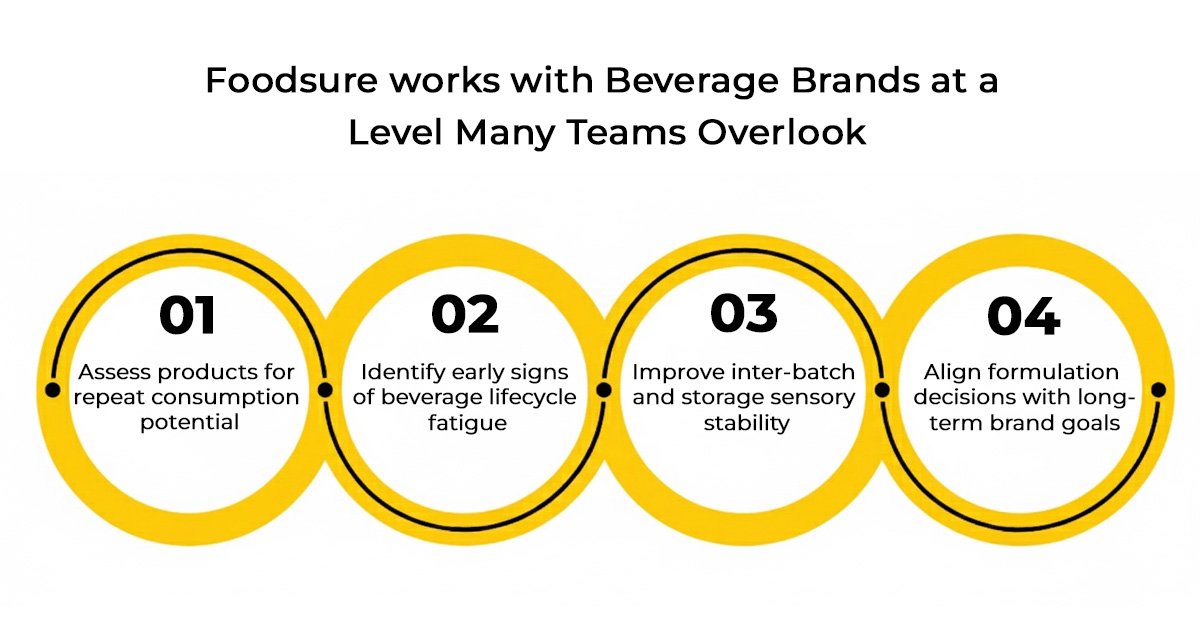
Foodsure helps brands:
- Assess products for repeat consumption potential
- Identify early signs of beverage lifecycle fatigue
- Improve inter-batch and storage sensory stability
- Align formulation decisions with long-term brand goals
The focus is not just on launch readiness, but on building brands that grow sustainably.
Before You Scale Further
If your beverage brand has achieved early traction without sustained repeat, the risk is structural, not hypothetical.
Understanding where your product truly sits in its beverage lifecycle can prevent costly late-stage corrections. Longevity is not about maintaining momentum; it is about designing for endurance.
Struggling to Build a Beverage Brand That Actually Lasts?
Early trials and initial sales don’t guarantee beverage brand longevity.
Foodsure helps founders fix formulation gaps, prevent sensory drift,
and validate shelf stability so products survive repeat purchase and scale.
FAQs
What is beverage brand longevity?
Beverage brand longevity refers to a brand’s ability to sustain repeat purchases and relevance across its full lifecycle, beyond initial launch success.
Why is trial success not enough for beverage brands?
Trial success only proves curiosity. Long-term success depends on habit, consistency, and trust.
What is the difference between trial and long-term success in beverages?
Trial success is driven by novelty and marketing, while long-term success is driven by repeat behaviour and product reliability.
How does the beverage lifecycle impact brand survival?
Brands that don’t design for post-launch stability often stall early in the lifecycle.
What makes sustainable beverage brands last longer?
Consistency, sensory stability, and alignment with daily consumption habits.