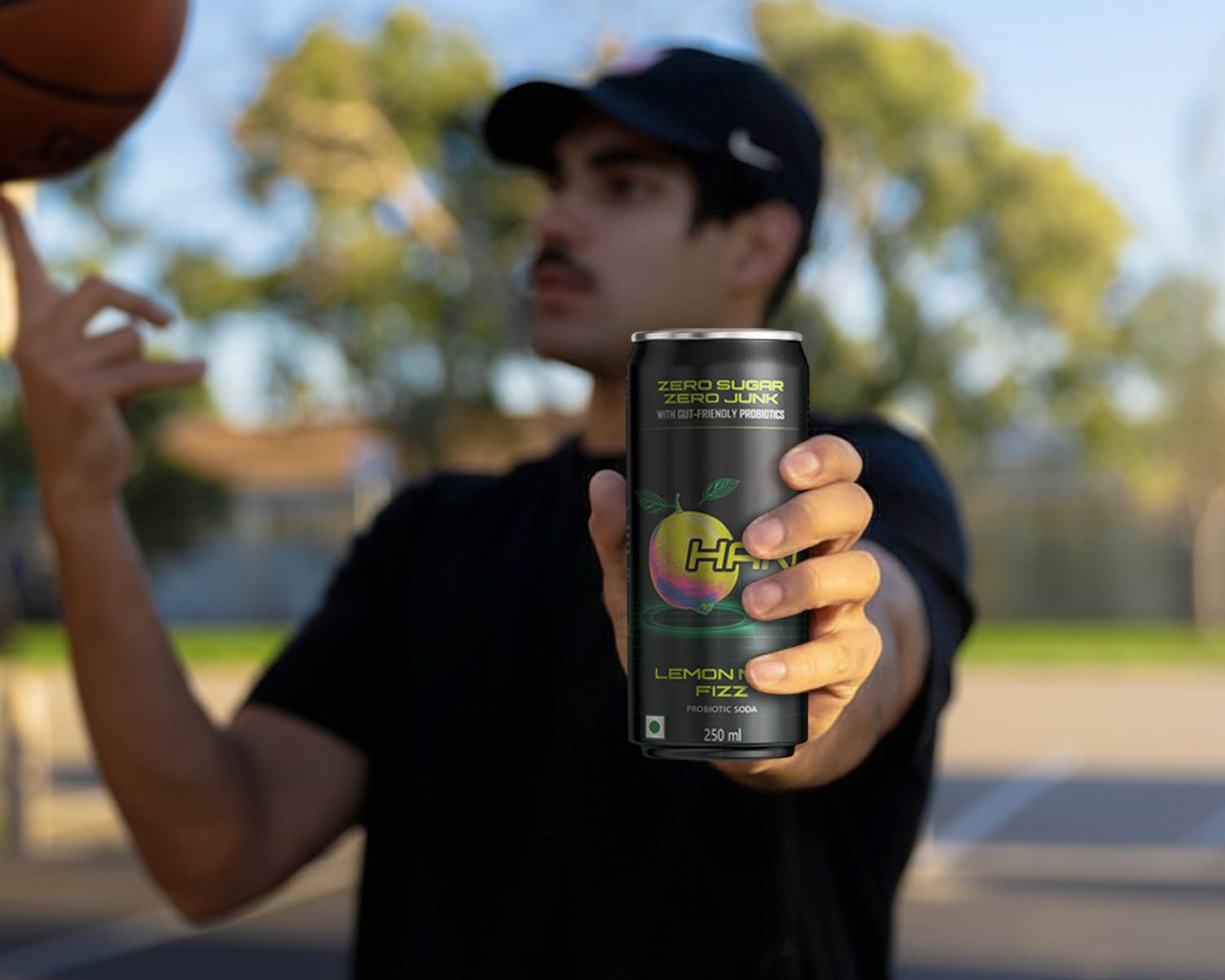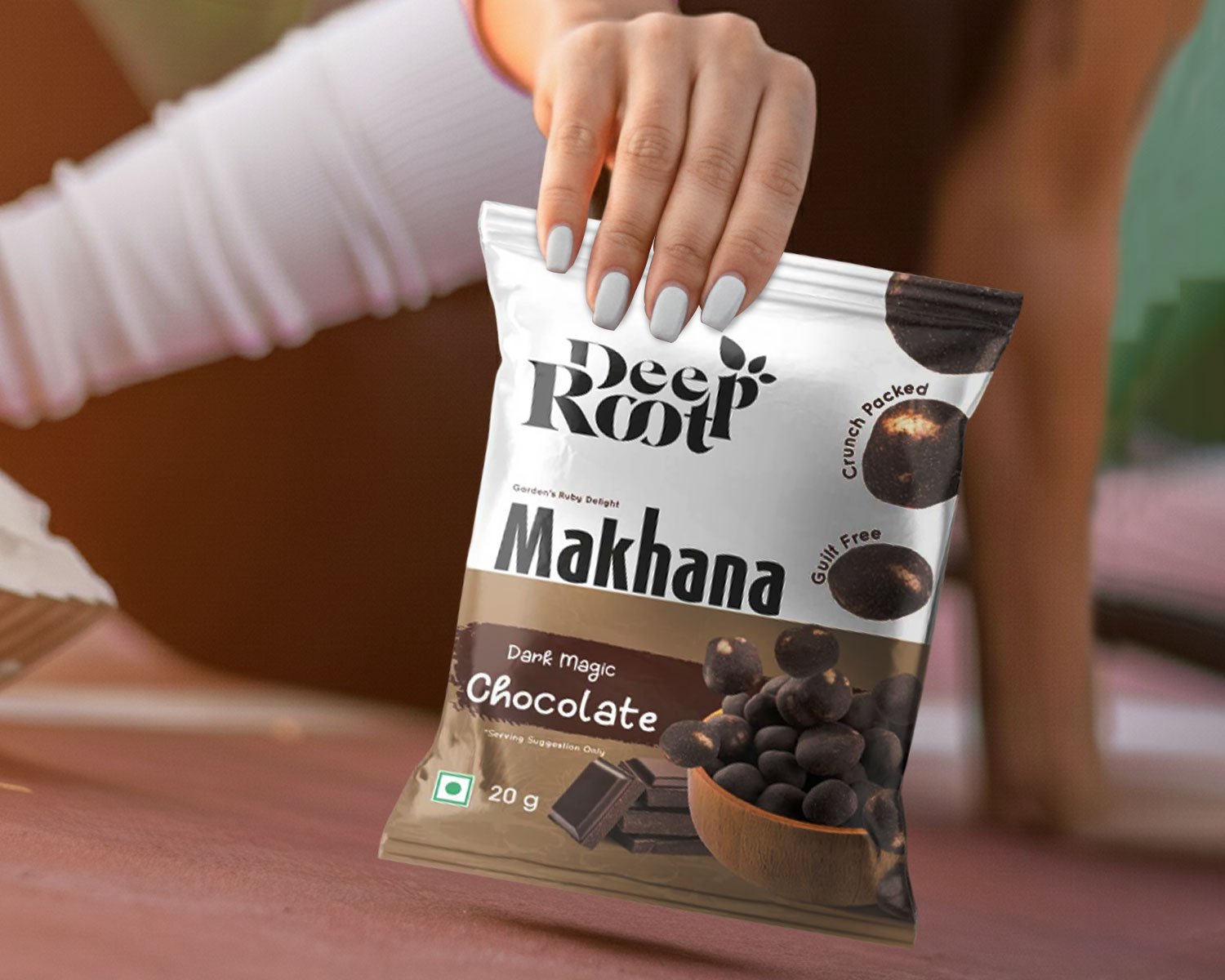
When establishing a beverage brand, founders will go through various phases creating their beverage, choosing a flavor, and designing their packaging, etc. However, one aspect of launching a beverage that is often missed by founders is accurately calculating beverage COGS. Examples of this include using the drink cost per bottle to estimate production costs, which can lead to inaccurate projections of profit. For example, a beverage that appears profitable on a profit and loss statement may end up having low profit margins after factoring in packaging, logistics, and distribution costs. By having a structured beverage costing model as part of the beverage development process in India, founders will have a better idea of their true production costs, use that information to enable correct pricing, and ultimately preserve their beverage profit margins in India while launching energy drinks, functional drinks, or carbonated beverages.
Paint Point of Calculating Beverage COGS Per Bottle
The basic question entrepreneurs struggle with is, “What is the true cost to produce one bottle of my beverage?”. Almost all beverage founders only think about the manufacturing quote that they get from the factory, however, this number does NOT portray the true COGS of the beverage.
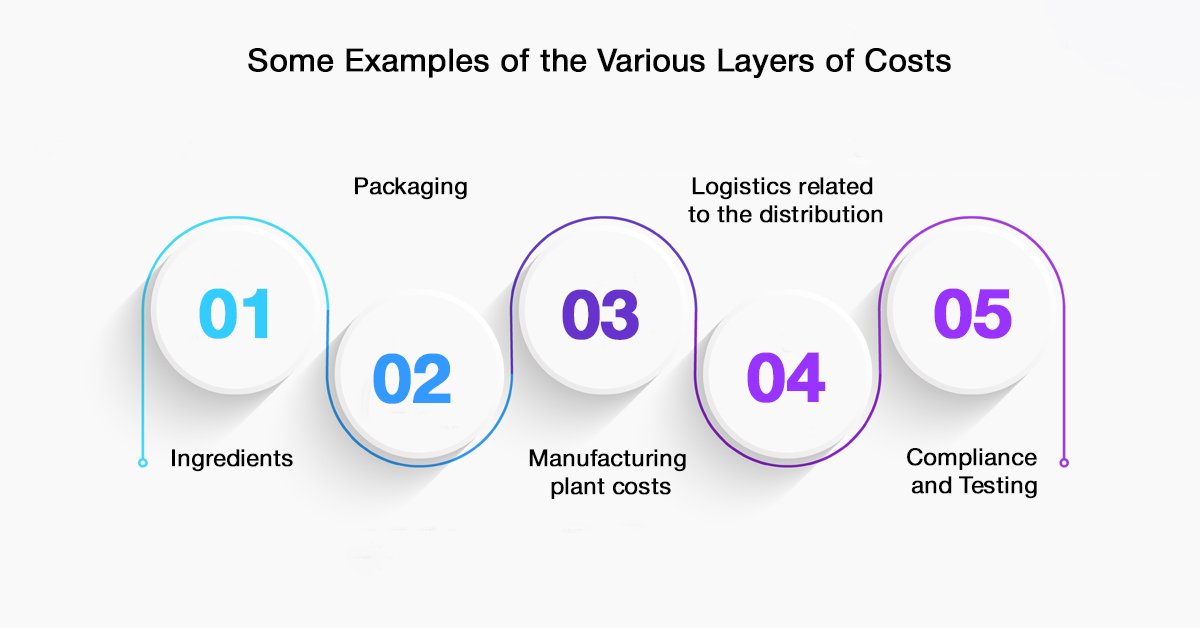
The beverage production process has many layers of costs that need to be considered when calculating your total beverage COGS. Some examples of the various layers of costs are:
- Ingredients
- Packaging
- Manufacturing plant costs
- Logistics related to the distribution of the beverage
- Compliance and Testing of the beverage
If brands don’t accurately calculate their beverage COGS, they will price their drinks incorrectly and lose money as their business continues to grow. This is one of the major reasons why many start ups are unable to maintain a beverage profit margin due to the demand for their products in India.
VALIDATE YOUR BEVERAGE COSTING
Know the Real Cost of Your Beverage Before You Launch
Many beverage startups fail because they underestimate formulation, packaging, and production costs. Foodsure helps founders validate beverage COGS and build scalable drink products.
The Root Causes Behind It
There are a few reasons founders miscalculate their costs for beverages. Manufacturing quotes, first of all, don’t usually account for packaging or logistics. Due founders believe the quoted price is also the final cost of production. Second, beverage costing model India is not built for many new brands making it prone to flimsy calculations. Third, packaging expenses vary with production volume. Packaging is costly and has a big impact on the cost per bottle calculation when dealing with small batch sizes.
At last, plenty of founders fail to appreciate the cost of regulatory compliance and lab testing for energy drinks.
Issues faced by founders
- Uncertain of how much it really costs to make each drink consumed
- Lack of understanding as to where they source their ingredients
- Has made many assumptions as to how much it costs to purchase packaging
- Difficulty creating a beverage costing model for India
- Do not fully understand how to break down the cost of manufacturing energy drinks
- Are losing their margins by not pricing accordingly
- Struggling to sustain and maintain a profitable beverage business in India.
COGS Calculation
We need to make beverage COGS calculations easier to understand.
The term COGS describes all expenses needed to make one unit of beverage which includes both bottles and cans.
The beverage costing model India uses a fundamental formula for its calculations.
- COGS Per Bottle = Ingredients + Packaging + Manufacturing + Logistics + Compliance
- The typical energy drink cost distribution will be analyzed through our cost breakdown process.
Cost Component | Average Cost Per Bottle (Estimated Price) | Percentage of Total Cost |
Ingredients | ₹10 | 22% |
| Packaging | ₹22 | 49% |
| Manufacturing | ₹8 | 18% |
| Logistics | ₹4 | 9% |
| Compliance | ₹1 | 2% |
Ingredients Cost
Ingredients include everything that goes into the drink formulation:
- Water purification
- Sugar or sweeteners
- Functional ingredients like caffeine and taurine
- Flavoring agents
- Preservatives
Typical ingredient cost for drinks ranges from ₹8 to ₹12 per bottle. The second-highest expense in Indian beverage production occurs from ingredient costs which compose the beverage cost system.
Production Cost
The production cost reflects the cost absorbed by the production facility for delivering key services associated with the beverage creation process, such as:
- Mixing/Blending
- Filling/Sealing
- Carbonating (for carbonated beverages)
- Labour associated with producing the products
Tests performed on the products before they leave the production facility. Typical Manufacturing Costs range from ₹6 – ₹10 per unit produced depending mainly on the size of the production run and the level of automation utilized in the production facility.
Cost of package
Packaging is one of the most significant costs in beverage production.
Packaging includes:
- Bottle or aluminium can
- Cap or top
- Label or shrink-sleeve
- Shipping carton
Typical packaging costs are between ₹18 – ₹30 per bottle. Because packaging is a large cost, battery packing can be optimized to improve material margins on beverages produced in India.
Compliance and testing
All beverage brands are required to have regulatory and quality testing carried out:
These costs are estimated to be as follow:
- Shelf life testing
- Stability testing
- Lab analysis
- Compliance documentation
- Average contribution per bottle is 1 – 2.
While small, these are still part of the overhead of the beverage COGS calculation.
Cost of Logistics
Logistics encompasses the transportation of completed goods from a manufacturing facility to a warehouse or distribution location.
Typical cost of logistics: ₹3 to ₹5 per bottle. Logistics transportation costs significantly increase due to the logistics network that supports distribution beyond a single city.
Beverage cost Distribution
Packaging ███████████████████████████████████ 49%
Ingredients ████████████████ 22%
Manufacturing ██████████ 18%
Logistics ████ 9%
Compliance █ 2%
Hidden Beverage Production Costs That Are Commonly Missed
A significant number of entrepreneurs tend to only account for the visible costs of their drinks and do not include hidden costs when analyzing the beverage production cost model in India. Some of the most often missed hidden costs associated with beverage production are:
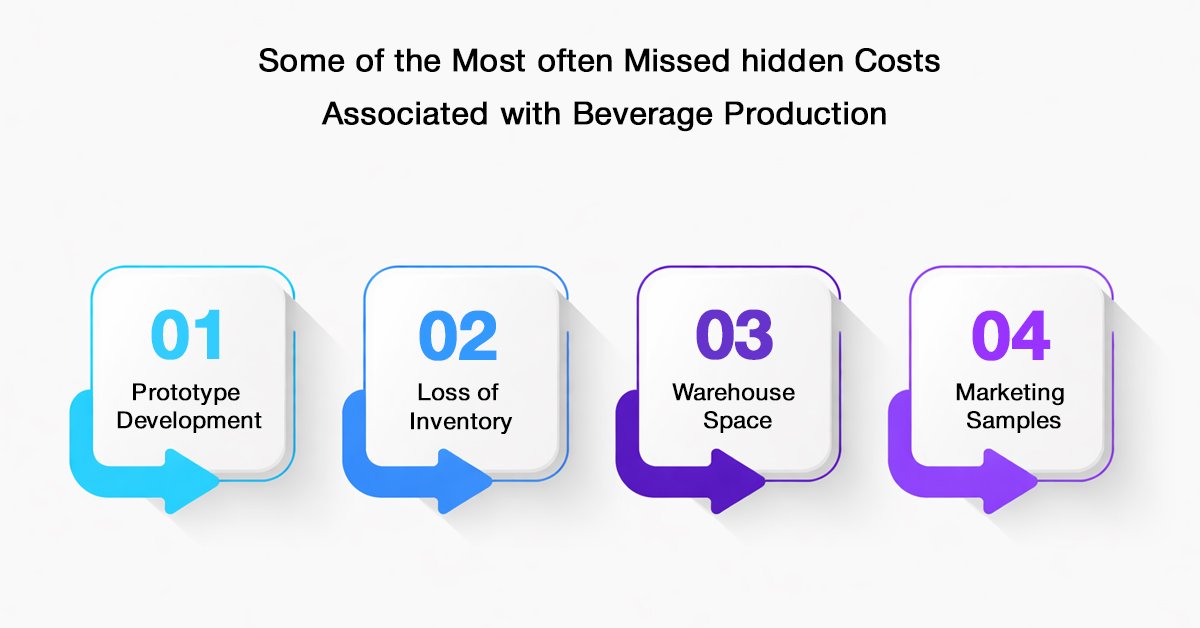
Prototype Development
Beverage manufacturers generally have spent an amount on trial formulations, taste tests and pilot runs before they have even started producing products.
Loss of Inventory
Various quantity losses of drinks can occur during the filling, transportation and warehousing processes; thus, causing slight increases in the COGS calculations for beverages.
Warehouse Space
Although warehouse costs tend to be overlooked, they can be sizable depending on production volume.
Marketing Samples
Many beverage companies give away free samples of their products for marketing purposes; therefore, these units are also incorporated into the total amount of drink cost per bottle calculations of profit. Not including mentioned costs will significantly affect the gross cost of energy drinks and will result in very erroneous pricing measures for these products.
What Actually Works
Successful beverage brands implement structured cost management systems to control their expenses.
- Complete Beverage Costing Model Creation: Beverage production costs require monitoring through the tracking of all cost elements.
- Maintain Healthy Gross Margins: Beverage companies in India need to keep their production costs below 35 to 40 percent of MRP to achieve profitable beverage margins.
- Optimize Packaging Choices: The selection of packaging materials determines the beverage COGS calculation because packaging type directly impacts costs.
- Increase Production Volume: Manufacturing expenses decrease when companies produce their products at higher output levels.
- Source Ingredients Strategically: When companies purchase their ingredients in bulk they can decrease their drink costs per bottle which leads to better profitability.
Inside Foodsure: A Quick Overview
Because beverage manufacturing involves multiple suppliers and additional hidden costs, many beverage start-ups are having trouble establishing trustworthy beverage costing models in India.
Foodsure offers assistance to start-up founders in navigating this maze via:
- Comprehensive beverage COGS calculation.
- Assistance with sourcing ingredients.
- Assistance with selecting a manufacturing partner.
- Development of cost optimization strategies.
- Detailed breakdown of energy drink costs.
By assisting start-up founders in understanding their full beverage cost structure i.e., India, we help beverage brands get their products to market while providing sustainable margins.
Founder Takeaway
The drink cost percentage for each beverage should be known by all founders before they introduce their new product. The beverage COGS calculation needs to be done correctly because its errors will ruin even outstanding products through their reduced profitability.
The structured beverage costing framework from India enables founders to establish accurate drink prices while managing production expenses and creating sustainable beverage profit margins for their businesses. COGS operates as more than an accounting measurement because it serves as the essential element for businesses that sell beverages to achieve profitability.
Conclusion
In order to run a successful beverage business, it is essential to accurately calculate costs of goods sold (COGS) for beverages. The beverage costing model will allow beverage founders to determine their actual beverage cost per bottle, how to break down energy drink costs, and maintain a healthy beverage profit margin in India. It is important that all beverage cost structure examples include all of the cost components involved in producing a beverage when launching or expanding a beverage brand.
PLAN A PROFITABLE BEVERAGE BRAND
Build a Beverage Product with the Right Cost Structure
Foodsure supports beverage founders with formulation strategy, cost modelling, and contract manufacturing guidance to help launch profitable drink brands.
Related Blogs
FAQ
How is the expense of producing a beverage determined?
Beverage COGS refers to the “cost of goods sold”.
What is the average profit margin for beverage brands in India?
60–70% gross margin is the typical range for most brands.
Why is the beverage costing model India critical?
The model helps entrepreneurs to establish appropriate pricing for their beverages and sustain profitability.
How to calculate profit margin in beverage business India?
(Selling Price – COGS)/Selling Price × 100.
Beverage cost structure example India?
Energy drink: ₹15 ingredients, ₹8 pack, ₹7 other = ₹30 total.