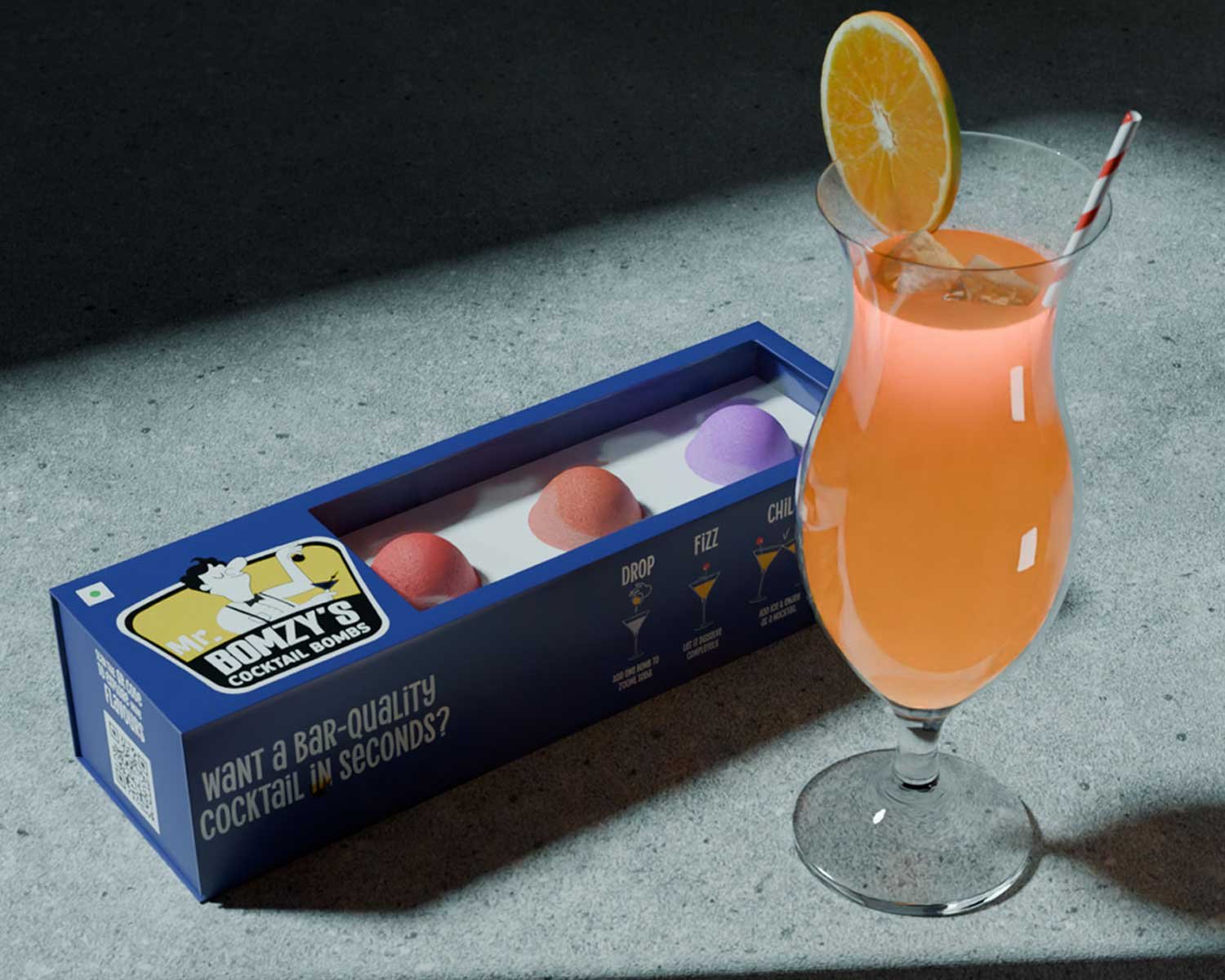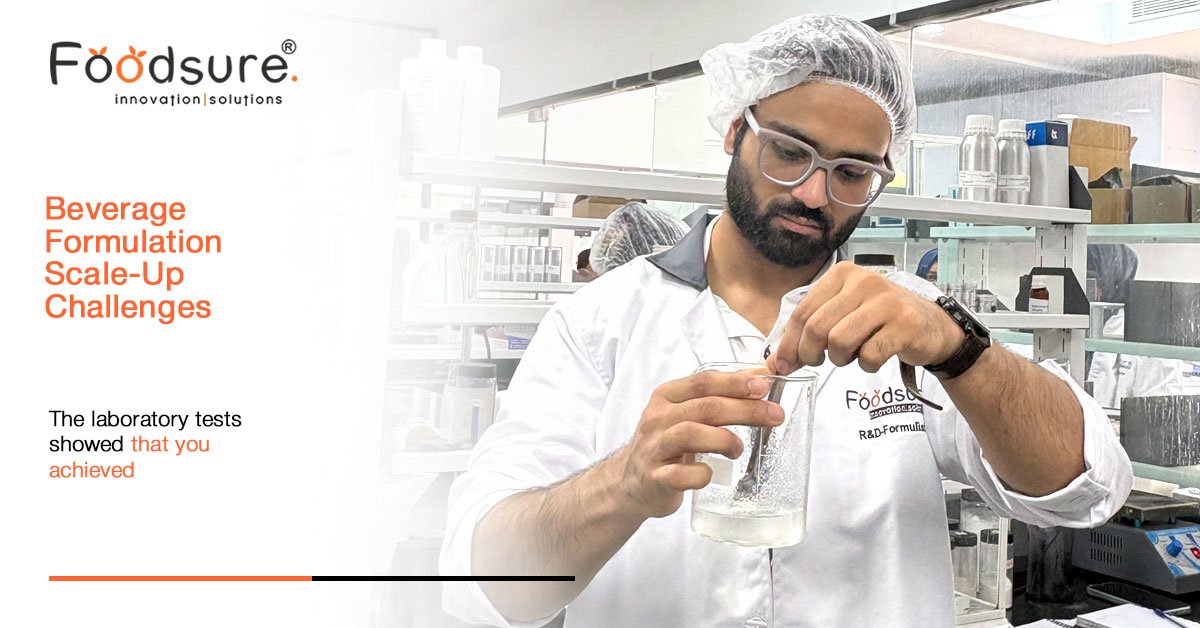
Your laboratory tests showed optimal results — flavour matched, texture was smooth, customers gave positive reviews. The product seemed ready for market release. Then commercial production begins and everything starts falling apart. Taste changes. Products separate. Shelf life decreases. Entire production runs get destroyed at significant business expense.
Most beverage founders do not realise these challenges arise during scale-up. This blog explains the real reasons behind commercial production failures and provides practical methods to achieve successful formulation scale-up.
The Real Problem with Beverage Scale-Up
The main problem exists because there is a significant gap between a successful pilot and full commercial implementation. Small-batch trials create controlled environments where every aspect of the experiment can be managed. The factory testing of the same formulation encounters different temperature, pressure, mixing speed, and ingredient behaviour conditions. This leads to inconsistencies in taste, texture, and stability that can kill a product before it finds its feet in the market.
Founders who overlook the difficulties of scaling operations encounter three main outcomes: failed batches, higher costs, and postponed product launches. Understanding this gap is the foundational step toward solving it — the same structured thinking that applies to beverage formula development from concept to commercial applies even more critically at the scale-up stage.
Beverage Pilot vs Commercial: Why the Difference Causes Failure
| Aspect | Pilot Scale | Commercial Scale |
|---|---|---|
| Batch Size | 1–20 litres | 500–10,000+ litres |
| Control | High precision | Limited control |
| Equipment | Manual or small-scale | Industrial automated |
| Mixing | Uniform and controlled | Variable — magnified at volume |
| Risk | Low | High — every small error is amplified |
Mixing that takes 2 minutes in a lab might require completely different timing and speed in a factory. The same formula produces different results because the process conditions have changed — resulting in instability and unpredictable outcomes at scale.
Founder Pain Points
- My factory-produced drink tastes different from my approved lab sample
- The product begins to separate after three days in the bottle
- Lab shelf-life results do not match actual product performance in the field
- Production expenses have increased because of unexpected factory cost issues
- The factory cannot reproduce my formula for unknown reasons
- Ongoing production breakdowns that keep delaying the commercial launch
Facing scale-up failures with your beverage formula?
Share your challenge — [email protected]
Why Beverage Batches Fail at Factory
| Challenge | What Happens at Scale | Impact on Product |
|---|---|---|
| Ingredient Behaviour Changes | Natural extracts degrade, emulsions break, flavours shift in large volumes | Taste inconsistency, product instability |
| Mixing and Homogenisation Problems | Uneven mixing, poor dissolution in large tanks | Sedimentation, layer separation |
| Heat Processing Variations | Overheating or underheating during pasteurisation | Flavour loss, safety risks |
| Equipment Compatibility Issues | Formulation not suited for industrial pumps and fillers | Inconsistent flow, production inefficiency |
| Shelf-Life Instability | Faster oxidation, microbial growth, colour changes | Reduced shelf life, product rejection |
| Water and Raw Material Variability | Differences in water quality and bulk ingredient composition | Batch inconsistency, stability issues |
These exact failure modes are what make having a formulation partner with commercial-scale experience so valuable. Brands who have navigated scale-up successfully — including those who have used Foodsure’s beverage formulation service — avoid these failures not by luck but by systematic process design before the first factory run begins.
What Actually Works in Beverage Formulation Scale-Up
| Solution | What It Involves | Outcome |
|---|---|---|
| Process Optimisation | Modify mixing time, temperature, and ingredient sequence for factory conditions | Consistent product across all batches |
| Functional Ingredient Adjustment | Add stabilisers, emulsifiers, and buffering agents calibrated for commercial volume | Prevents separation and instability at scale |
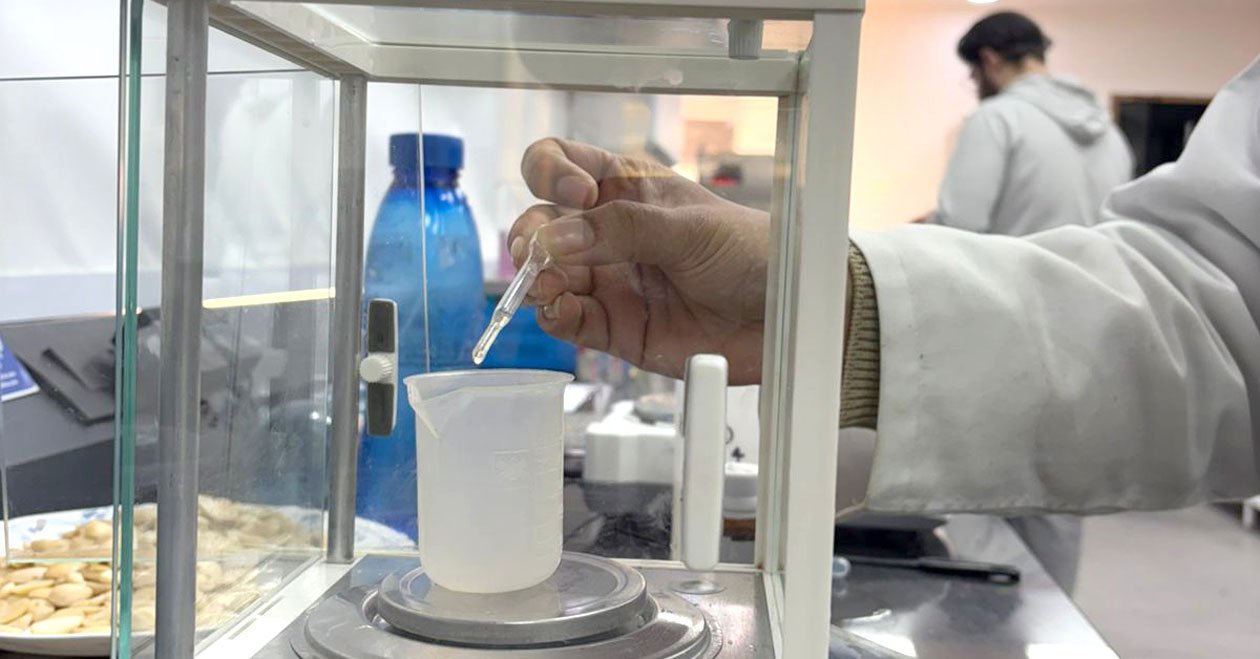
| Industrial Pilot Trials | Test formulations under actual factory conditions — not just lab conditions | Eliminates surprises before full-scale production run |
| Real-World Shelf-Life Testing | Mimic storage, logistics, and environmental exposure conditions | Shelf-life results match actual field performance |
| Standard SOPs | Develop transparent production guidelines for consistent execution | Reproducible quality across every production run |
Formulation scale-up needs numerous iterations and real-world testing. Brands who invest in this stage avoid expensive failures later. For founders also managing the cost implications of scale-up, the cost to launch a functional drink in India guide and the sports drink formulation cost India breakdown provide the financial planning framework that goes alongside formulation planning.
Founder Takeaway on Beverage Formulation Scale-Up Challenges

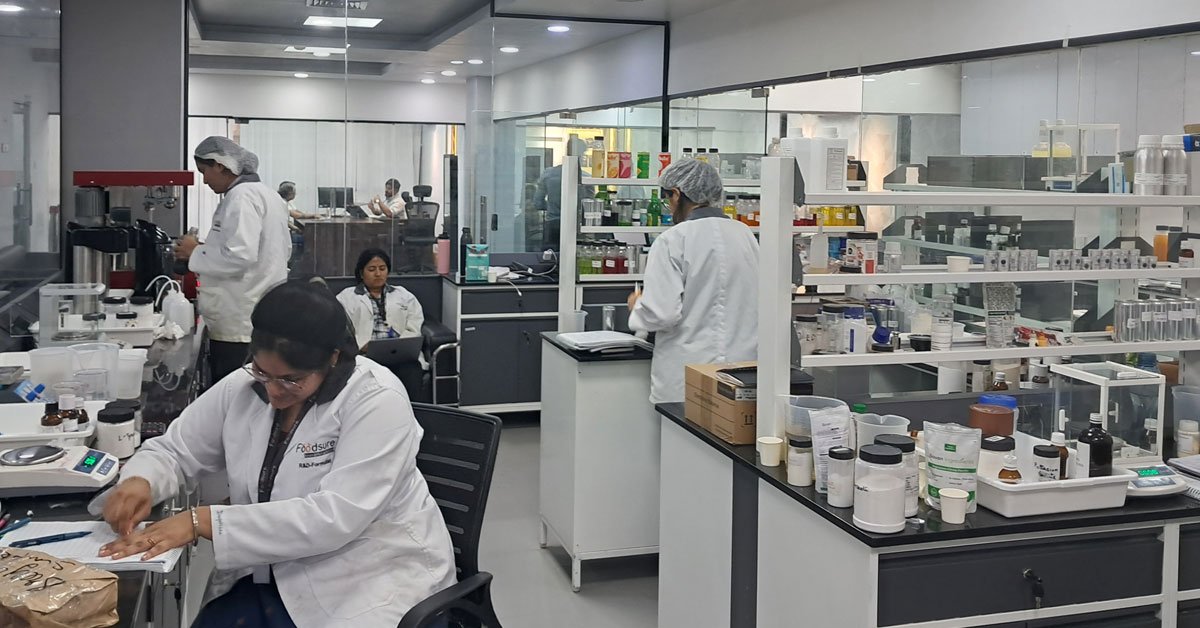
Scaling a beverage requires more than increasing quantity — it needs to maintain quality throughout different production levels. Most drink production failures happen because formulations are not designed for real-world commercial conditions. The key is to adapt testing and optimisation until production reaches full capacity. A failed batch does not mean your idea is wrong — it means your formulation process needs to be upgraded before the factory runs begin.
Scale Your Beverage Formula Successfully
Industrial Pilot Trials, Process Optimisation, Shelf-Life Validation — Foodsure Scales Your Beverage Formula to Commercial
Process design, stabiliser systems, industrial pilot trials, real-world shelf-life testing, and SOP development — Foodsure handles every scale-up challenge so your formula performs consistently at commercial volume.
Or email us — [email protected]
Related Reads
- Beverage Formula Development Process: R&D Guide India
- Sports Drink Shelf Life Testing: Stability, Costs & India Guide
- Cost to Launch a Functional Drink in India (2026 Guide)
- Scale Sports Drink Production India: Pilot to Commercial Guide 2026
- Sports Drink Formulation Cost India 2026: COGS & Cost per Bottle
Frequently Asked Questions
What causes beverage batches to fail during factory production?
Beverage batches fail because mixing processes, heat treatment, and ingredient properties change when the product is produced at larger volume in industrial equipment.
What distinguishes beverage pilot production from commercial production?
Beverage pilot production and commercial production differ in equipment, batch size, and level of control — which results in different behaviour of the same formula at each scale.
What are the main challenges during beverage scale-up?
The main challenges include production inconsistencies, shelf-life reduction, flavour alterations, separation problems, and equipment compatibility issues.
How can organisations prevent drink production failures at scale?
Through process optimisation, industrial pilot testing, formulation modifications for commercial conditions, and real-world shelf-life validation.
What causes taste changes in beverages during commercial production?
Beverage taste changes during commercial production because heat, mixing processes, and ingredient interactions occur differently at larger production volumes.
What does formulation scale-up mean for the beverage industry?
Formulation scale-up is the process of adapting a lab-tested beverage recipe for consistent large-scale commercial production.
How are Beverage Formulation Scale-Up Challenges solved?
Through process optimisation, stabiliser implementation, industrial pilot trials, SOP development, and real-world shelf-life testing.