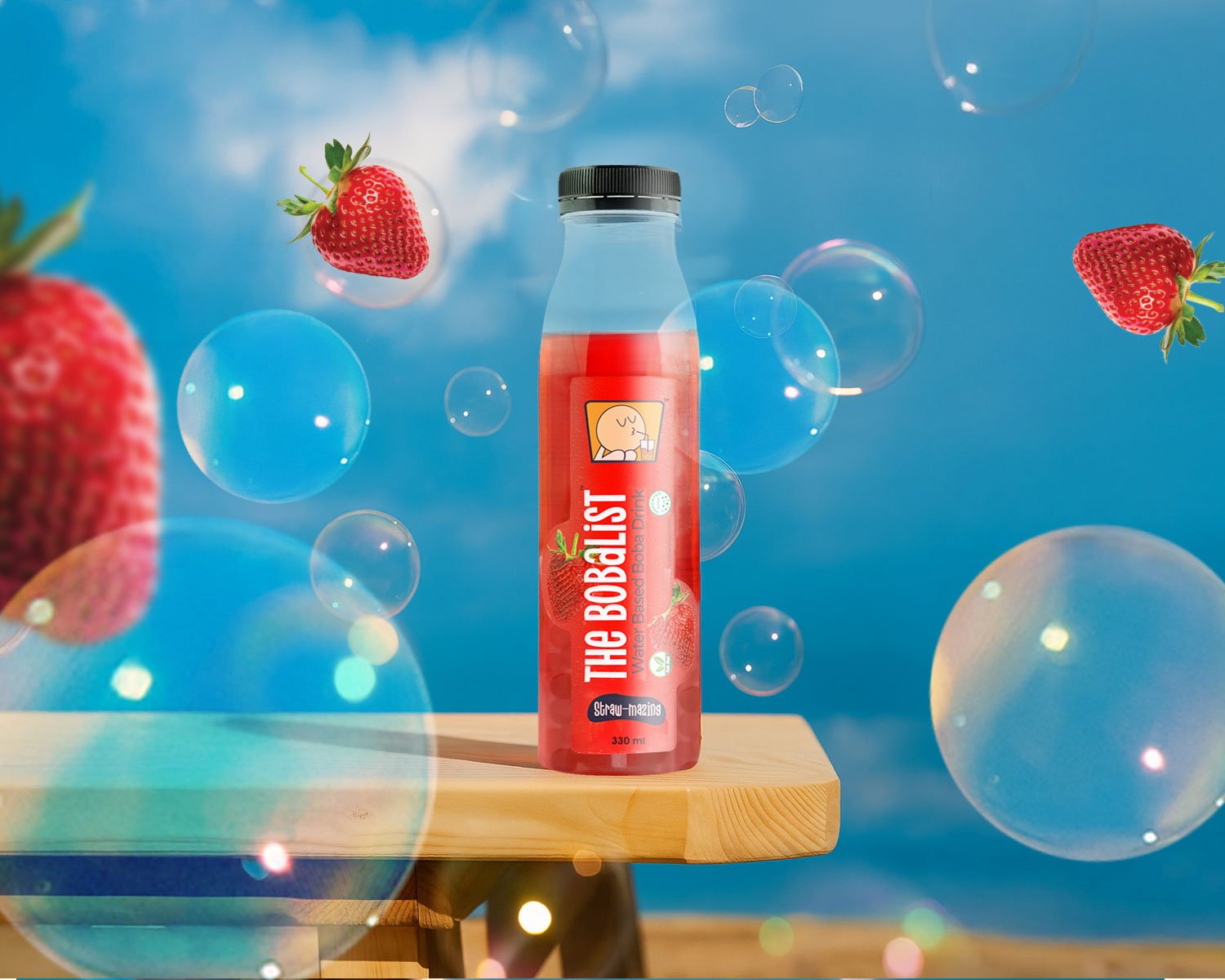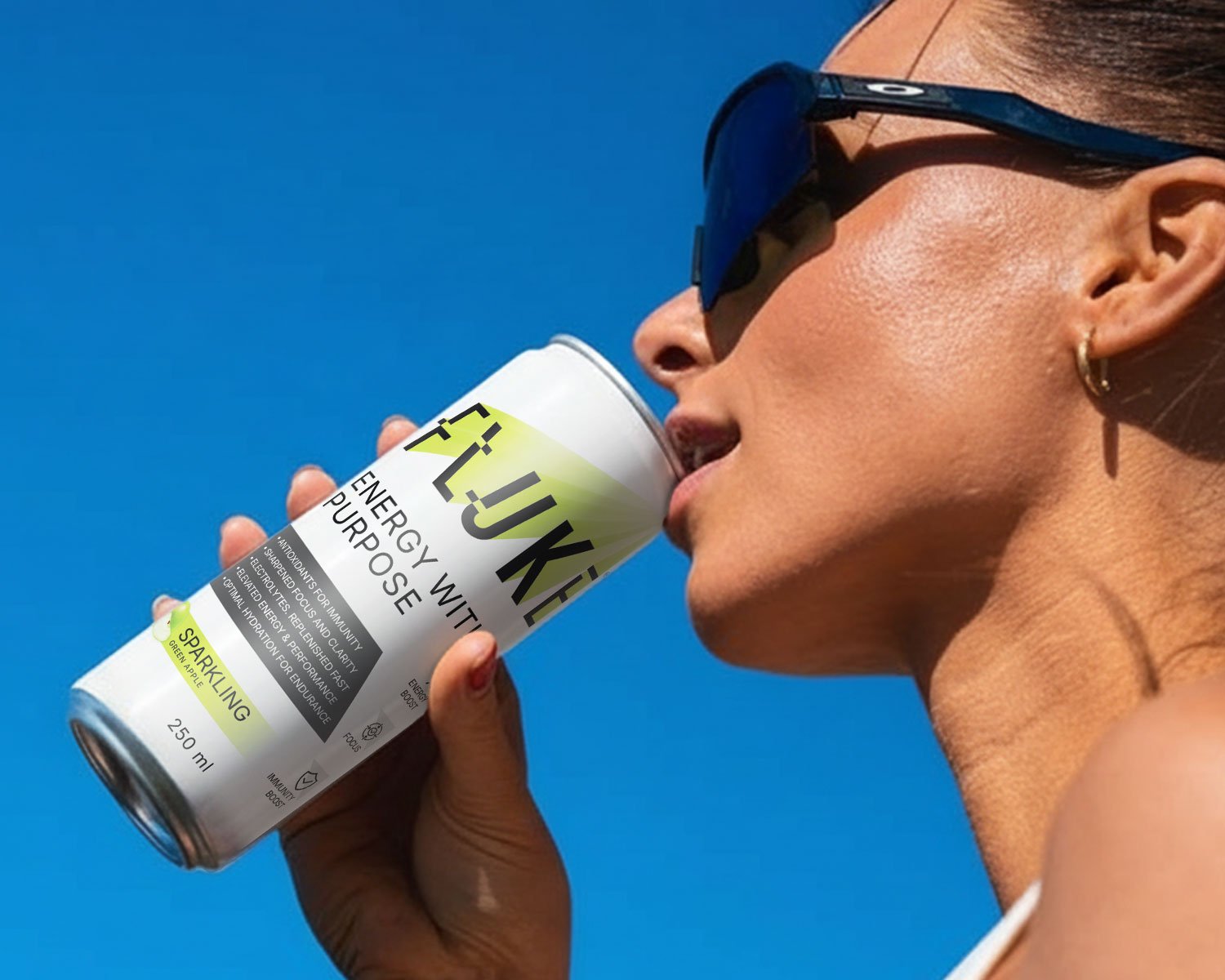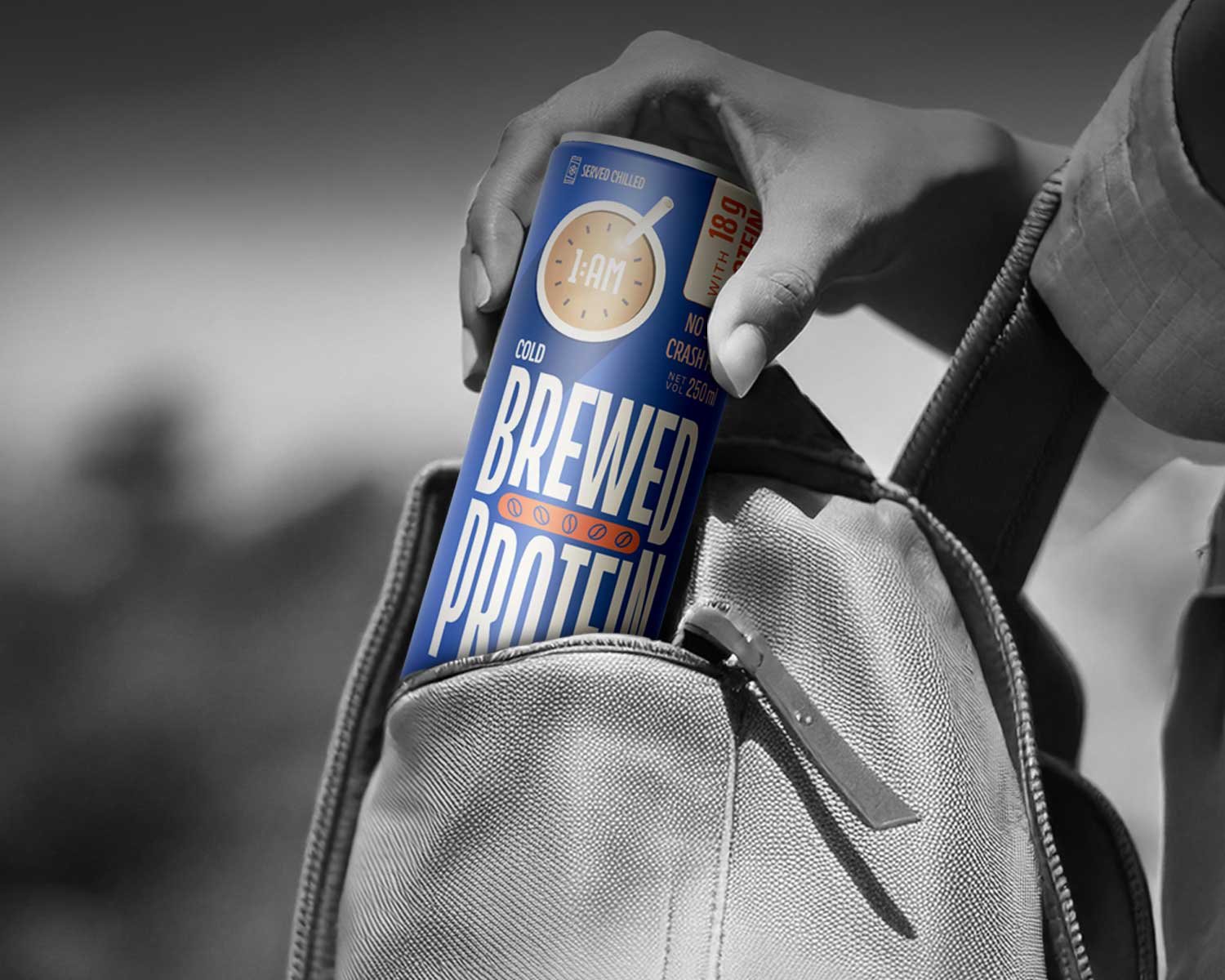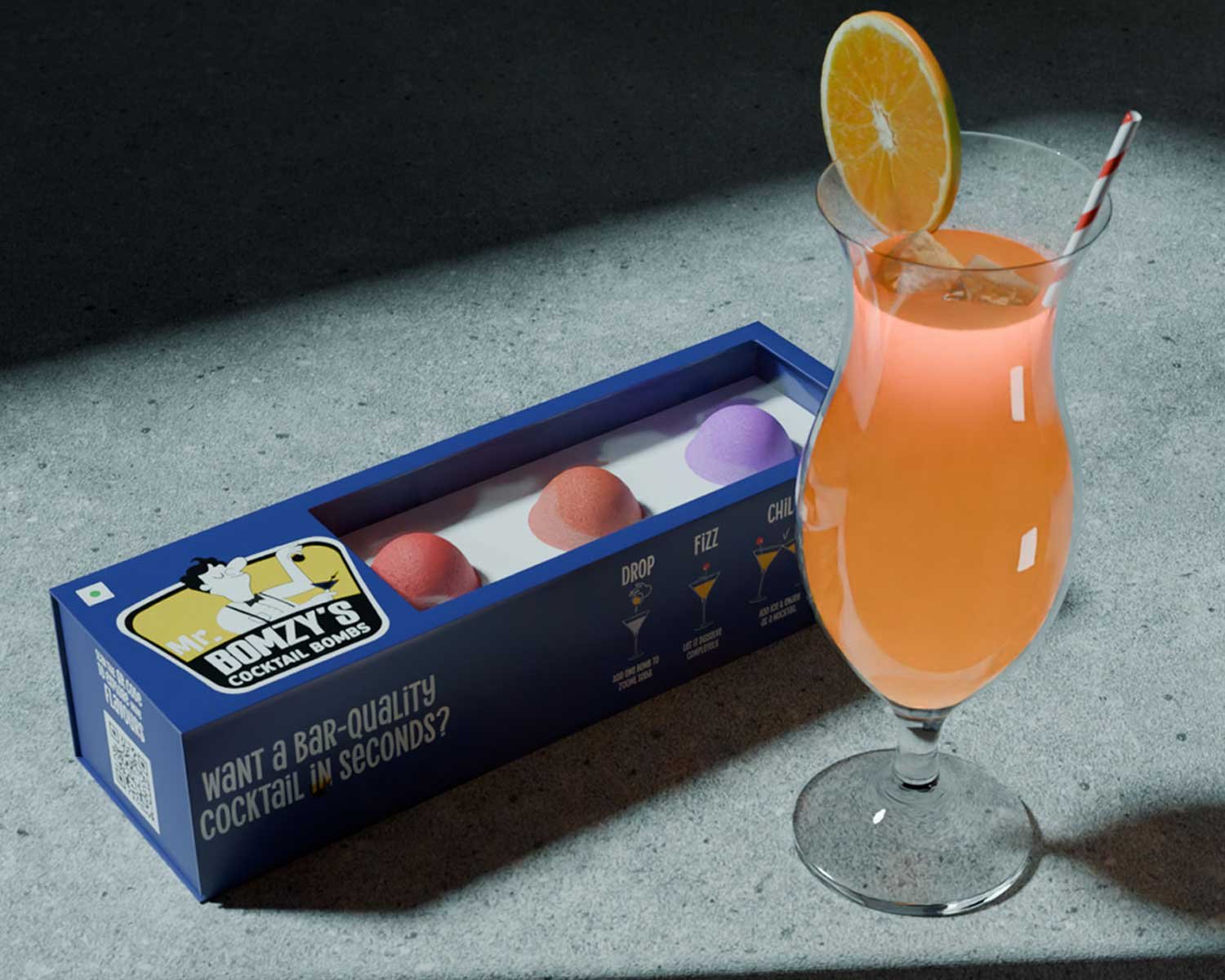
Introduction: The Changing Landscape of Beverage Innovation
The beverage industry is evolving faster than ever. Today, consumers are looking for drinks that do more than just quench their thirst—they want beverages that support their health, enhance their performance, and align with their values. Whether it’s a drink to improve focus, boost immunity, or support digestion, beverage innovation is all about providing functionality alongside great taste.
In this blog, we’ll explore the key trends driving beverage innovation, from functional ingredients to sustainability efforts, and discuss how companies in the industry are shaping the future of drinks. Let’s dive into what’s next for beverages in 2025.
What is Beverage Innovation?
Beverage innovation goes beyond creating new flavors—it’s about crafting drinks that deliver tangible benefits for consumers. Today’s beverages are designed to meet a variety of consumer needs, whether that’s improving physical health, mental clarity, or even boosting energy levels. Key components of beverage innovation include:
- Functional Beverages: Drinks that offer health benefits beyond hydration, like immunity-boosting or energy-enhancing properties.
- Personalization: Tailored beverages that meet individual health goals, dietary restrictions, and preferences.
- Sustainability: Drinks made with eco-friendly ingredients and sustainable packaging to cater to the growing demand for environmentally-conscious products.
Beverage innovation helps meet these consumer demands while staying ahead of evolving market trends.
At Foodsure, we make it easy to bring your beverage ideas to life. Whether it’s creating healthy drinks, using sustainable packaging, or adding functional ingredients, we’ve got you covered.
Key Trends in Beverage Innovation
The beverage landscape is changing, and these key trends are leading the way:
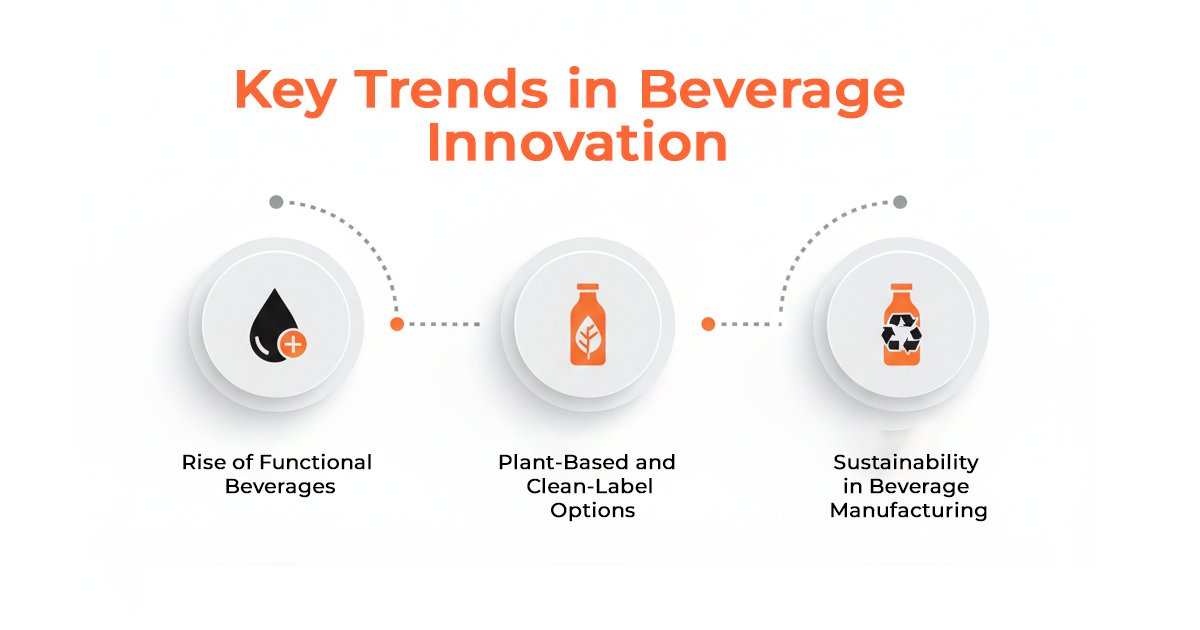
1. Rise of Functional Beverages
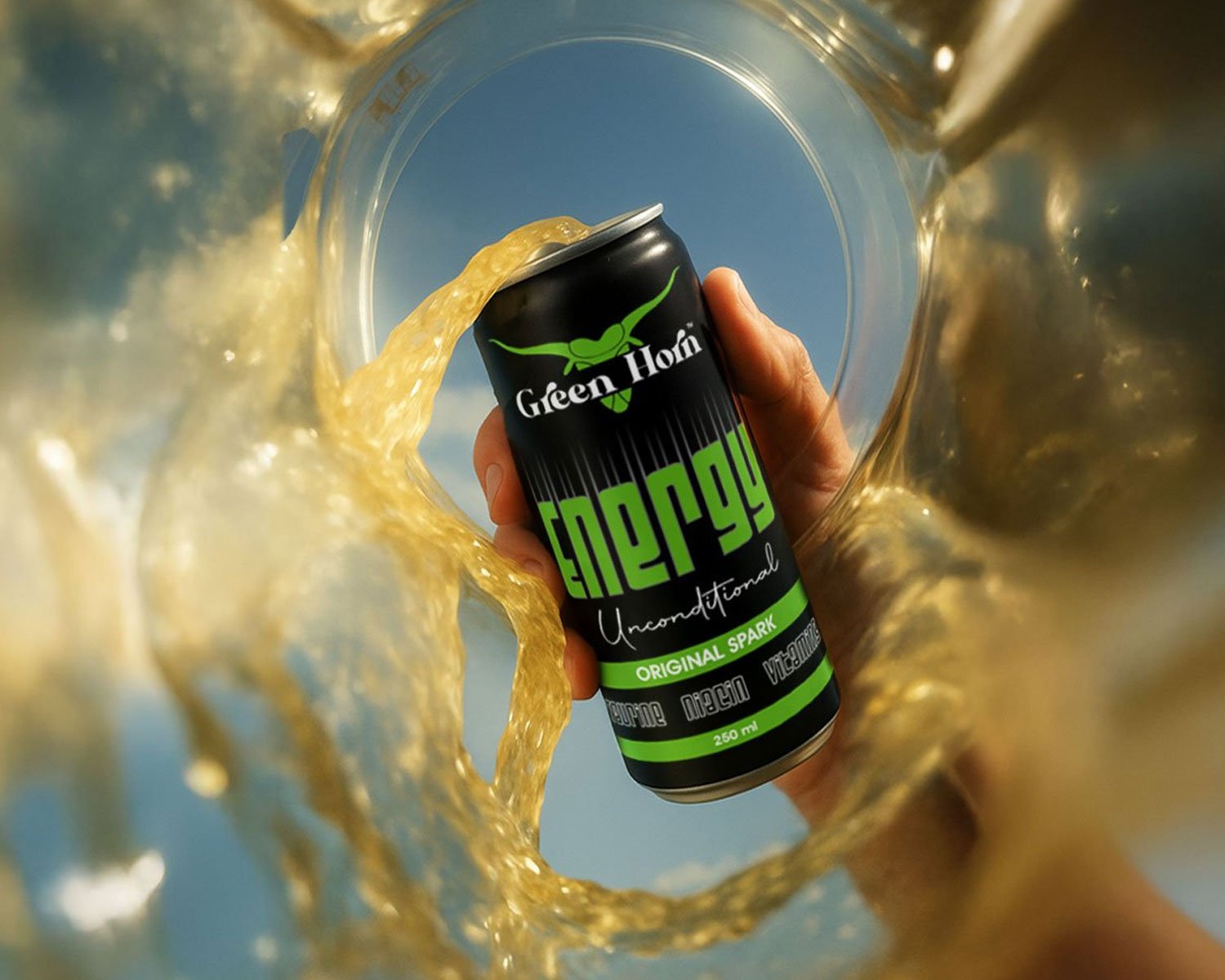
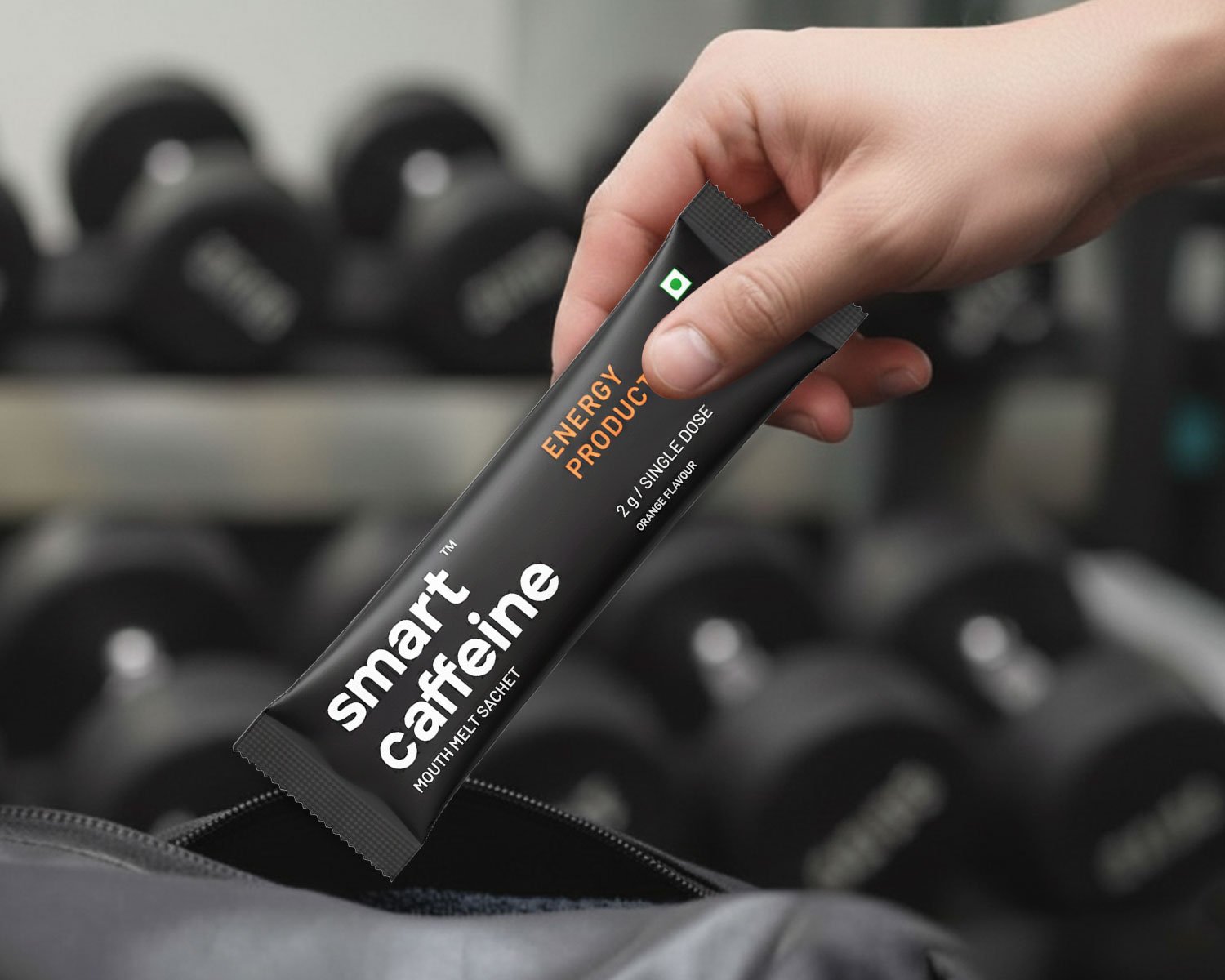
Functional drinks that provide benefits like energy, focus, and immunity are booming. Consumers are shifting away from sugary sodas and looking for beverages that serve a functional purpose. Examples of popular functional beverages include:
- Energy Drinks: Featuring natural stimulants like green tea, ginseng, and guarana.
- Immunity-Boosting Drinks: Infused with ingredients like vitamin C, turmeric, and elderberry.
- Gut Health Beverages: Kombucha, kefir, and prebiotic-infused drinks that support digestive health.
These drinks appeal to health-conscious consumers who want more from their beverages than just taste. Companies are responding by creating beverages that meet a variety of wellness needs.
2. Plant-Based and Clean-Label Options
As plant-based diets continue to gain popularity, beverages made from ingredients like oats, almonds, and peas are becoming more common. Consumers are also looking for clean-label products—beverages made with natural ingredients that are free from additives, preservatives, and artificial flavors. This trend is reflected in:
- Dairy-Free Alternatives: Plant-based milks, creamers, and smoothies.
- Eco-Conscious Packaging: Increased use of biodegradable or recyclable packaging for plant-based beverages.
As consumers become more health-conscious and eco-aware, the demand for plant-based and clean-label drinks will only grow.
3. Sustainability in Beverage Manufacturing
Sustainability is now a critical factor in beverage production. Consumers are placing more importance on eco-friendly packaging and sustainable sourcing of ingredients. Companies are responding by reducing their carbon footprint, improving waste management, and seeking out green technologies.
Key sustainability efforts include:
- Recyclable Packaging: Bottles, cans, and cartons that can be easily recycled or composted.
- Ethical Ingredient Sourcing: Partnerships with organic farms and fair-trade organizations.
- Energy-Efficient Production: Reducing energy use and waste in the manufacturing process.
The drive toward sustainability in the beverage industry is a crucial part of future innovation, aligning with consumers’ growing preference for eco-conscious brands.
Key Ingredients Shaping the Future of Beverages
Ingredients are the backbone of beverage innovation. Let’s look at some of the most innovative ingredients driving the change:
| Ingredient | Benefit | Common Uses | Example Drinks |
|---|---|---|---|
| Adaptogens | Help the body adapt to stress and balance hormones | Stress-relief, energy, mental clarity | Ashwagandha in energy drinks |
| Nootropics | Enhance cognitive function and focus | Brain health, memory improvement | L-Theanine in focus drinks |
| Probiotics | Improve gut health and digestion | Digestion support, immune health | Kombucha, kefir |
| Plant-Based Proteins | Provide a sustainable source of protein | Fitness drinks, meal replacements | Pea protein in smoothies |
| Botanicals | Offer various health benefits (anti-inflammatory, etc.) | Detoxification, relaxation | Ginseng in wellness drinks |
These ingredients are gaining popularity because they provide functional benefits that go beyond the traditional beverage experience. Whether it’s mental clarity, gut health, or stress relief, innovative ingredients are changing how we think about drinks.
The Future of Beverage Innovation
Looking ahead, the beverage industry will continue to evolve. Here are some emerging trends and technologies shaping the future of drinks:
| Trend | Description | Impact on Industry |
|---|---|---|
| Personalized Beverages | Drinks tailored to individual health needs | Increased demand for customized beverage options |
| AI-Driven Product Development | AI used to predict trends, create flavors, and personalize beverages | Faster innovation cycles and more accurate product launches |
| Plant-Based Alternatives | Increased demand for plant-based, dairy-free beverages | Growth in plant-based drink options, especially among millennials |
| Sustainable Practices | Eco-friendly packaging, zero-waste manufacturing | Businesses reduce environmental impact while appealing to eco-conscious consumers |
| Functional Drinks | Drinks that offer health benefits (energy, immunity, focus) | Increased market for beverages that support wellness |
These trends show that the future of beverages is personalized, sustainable, and health-focused. Consumers are seeking more tailored experiences, and companies that embrace these changes will be the leaders of tomorrow.
Conclusion: The Future of Beverages is Now
The beverage industry is on the brink of a major transformation. The demand for functional, personalized, and sustainable beverages is driving innovation at an unprecedented pace. As we look toward 2025, the future of beverages will be defined by smarter, healthier drinks that cater to consumers’ diverse needs.
As these trends continue to develop, businesses that prioritize innovation, sustainability, and consumer well-being will be the ones that succeed in the next era of the beverage industry.
Related Blogs
Explore more insights on beverage innovation, trends, and sustainable practices.
FAQs
Q1: What is the role of functional beverages in innovation?
Answer: Functional beverages offer health benefits like energy boosts, improved focus, or digestive support, catering to the demand for drinks that do more than hydrate.
Q2: How is sustainability influencing beverage manufacturing?
Answer: Sustainability drives the use of eco-friendly packaging, ethical sourcing, and energy-efficient production to meet consumer demand for environmentally conscious products.
Q3: What trends in beverage ingredients will dominate?
Answer: Plant-based ingredients, probiotics, nootropics, and sugar reduction will lead the market as consumers seek healthier, functional, and sustainable drinks.
Q4: What are nootropic drinks, and why are they popular?
Answer: Nootropic drinks boost brain function and focus using ingredients like L-theanine and caffeine, catering to those looking for cognitive benefits in their beverages.
Q5: How are manufacturers personalizing beverages?
Answer: Beverage makers use data to create customized flavors and functional benefits, giving consumers drinks tailored to their health and wellness needs.
Q6: What is clean-label certification in beverages?
Answer: Clean-label drinks contain natural ingredients without additives or preservatives, meeting the growing consumer demand for transparent and simple products.
Q7: How are manufacturers integrating sustainability into product development?
Answer: Companies are using sustainable packaging, ethically sourced ingredients, and eco-friendly processes to reduce environmental impact and appeal to eco-conscious consumers.
Q8: What’s the future of plant-based beverages?
Answer: Plant-based beverages, like oat milk and plant protein drinks, are growing rapidly as consumers seek dairy-free, health-conscious alternatives.
Q9: Are there any risks with functional beverages?
Answer: Overconsumption of energy drinks or probiotics can lead to side effects, so it’s important to follow recommended servings to avoid adverse effects.
Q10: How is beverage packaging evolving?
Answer: Beverage packaging is shifting to recyclable and biodegradable materials, reducing plastic waste and meeting consumer demand for eco-friendly options.