In the modern-day beverage market, speed is often confused with beverage innovation strategy. Reduced go-to-market times, bundled R&D, and rapid reactions to new trends have frequently been claimed as signs of maturity in the realm of innovation. Nevertheless, practically, the lack of speed structure is one of the most common mistakes in beverage innovation.
Most of the failures in the beverage industry are not based on poor ideas, but people merely jump into action before validating the efforts.
A sustainable beverage innovation approach never asks the question, “How fast can we launch?” Rather, it asks the question, “What should be proven before speed is permitted?”
Sensory drift in flavour, aroma, and carbonation quietly damages repeat purchase.
Why Founders Chase Speed
Speed feels soothing with regard to competitive groups like energy drinks, functional drink and ready-to-drink products.
Founders believe:
- The principle of early market entry is assumed to gain an advantage.
- It is supposed that all the further problems are corrected by the feedback.
- Reduction of R&D activities is possible, and it is not accompanied by consequences.
However, the consumer thinks drinks are physical systems. Once a bottle has been bottled, it is too late. Absence of a beverage innovation in the beverage R&D process model simply accelerates risk.
Fast Innovation That Breaks Under Pressure
The core issue in beverage product innovation is not creativity; it is sequencing.
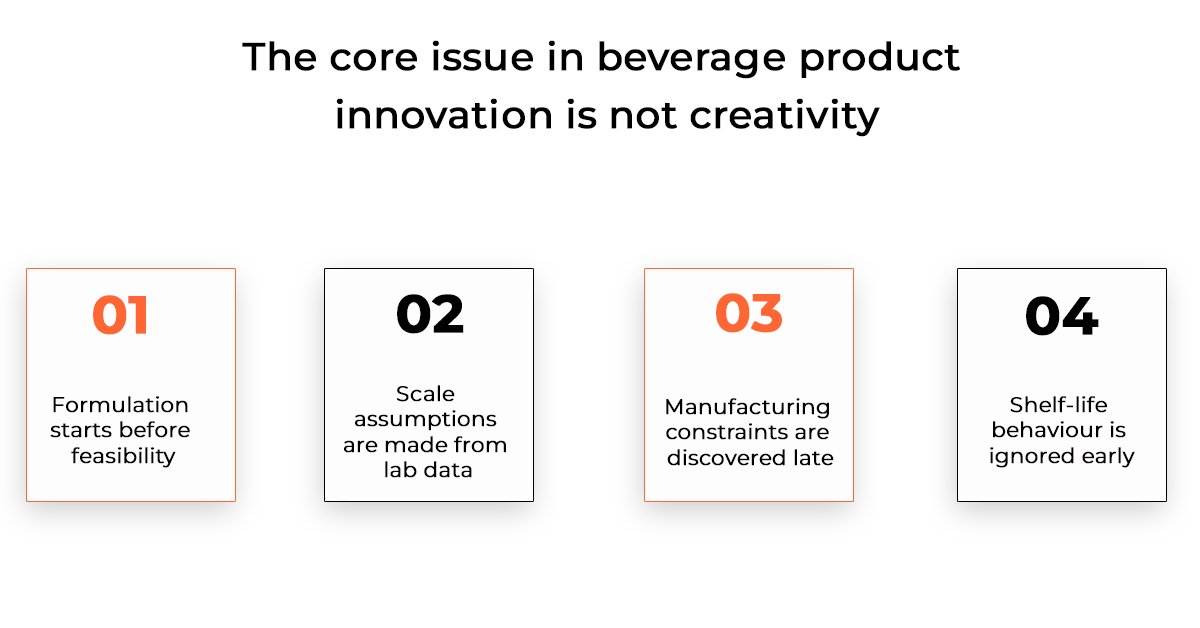
Most failures occur when:
- Formulation starts before feasibility
- Scale assumptions are made from lab data
- Manufacturing constraints are discovered late
- Shelf-life behaviour is ignored early
This is how innovation becomes an expensive experiment instead of a scalable product.
Why does this happen in the beverage R&D process?
Several pressure forces teams into hasty performance:
- Investor‑driven timelines
- Trend volatility
- Inadequate estimation of interactions between ingredients
- Perceiving R&D as the formulation, as opposed tothe evaluation
The process of R&D of beverages is not strategic but reactive, without discipline.
Founder Pain Points
- Reformulation Costs
- Manufacturing rejections
- Launching complaints after a brand has been launched
- Distributor trust erosion
- Inconsistency, Brand dilution
- Retarded growth, with initial traction
Simple Explanation
Speed builds momentum. Structure builds endurance.
In beverage innovation, speed helps you reach the market once. Structure helps you stay there.
An unstructured beverage innovation strategy is like running a sprint without having a finish line.
Case Study 1: The Rushed Energy Drink That Failed Before Scale
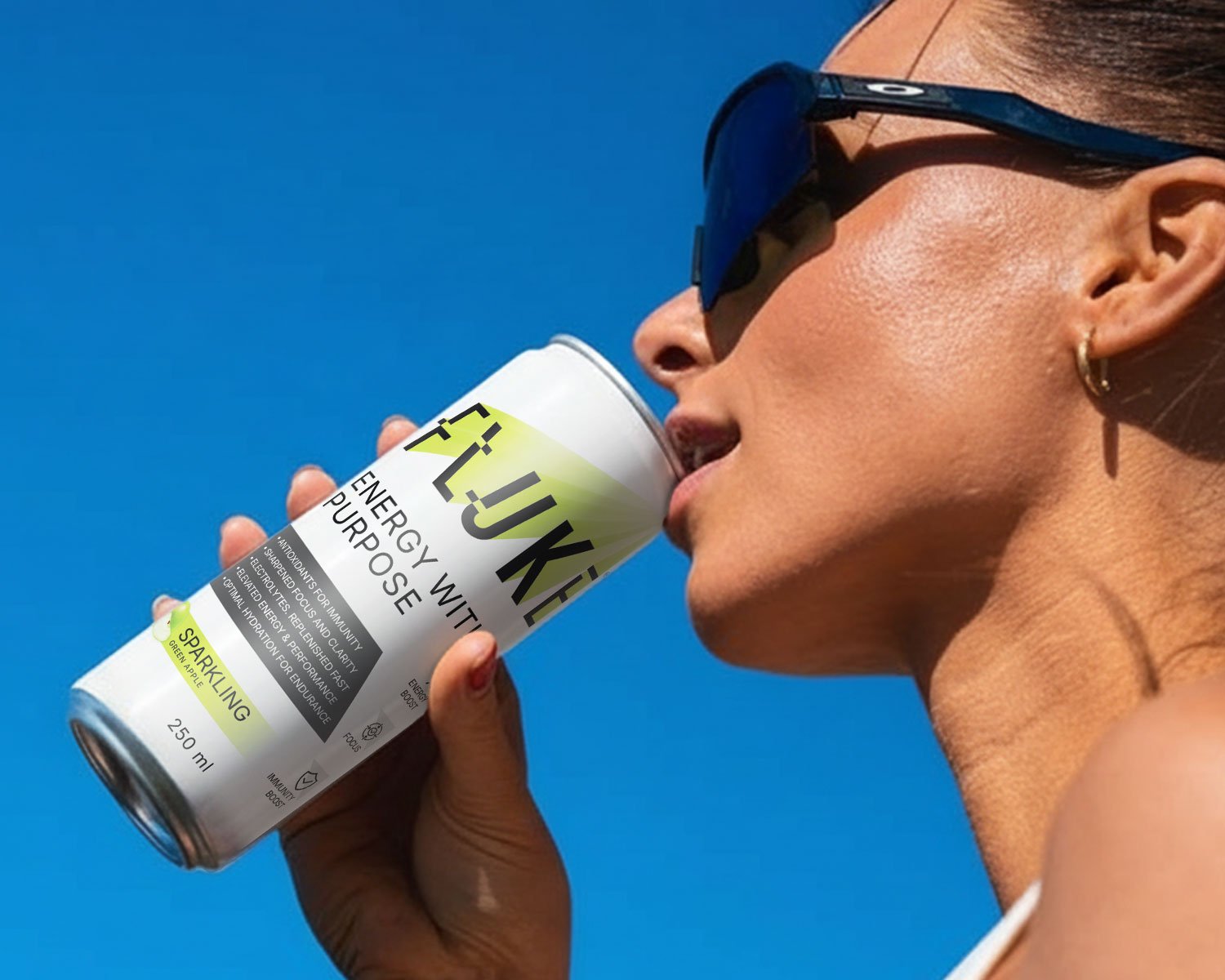
Subcategory: Soft drink energy beverages
Purpose: Go fast, GTM, to cash in on the sugar-free energy boom
What Went Wrong
The brand tried to come up in 45 days. Without: Formulation was locked following only 2-3 lab tests, without:
- Stability testing
- CO2 retention validation
- Interaction of caffeine, acids, and sweeteners.
The Result
- Taste drift after 30 days
- Foaming was excessive during filling
- Complaints of a metallic aftertaste
- Rejection by the distributor of batch inconsistency
Cost of Speed
- 18-22 lakh loss on raw materials and packaging
- Rebranding needed in 4 months
- Retail confidence had been hurt prematurely
Learning: Process-based on beverage innovation strategy is a speed that has not been validated
Case Study 2: Protein Beverage That Couldn’t Scale
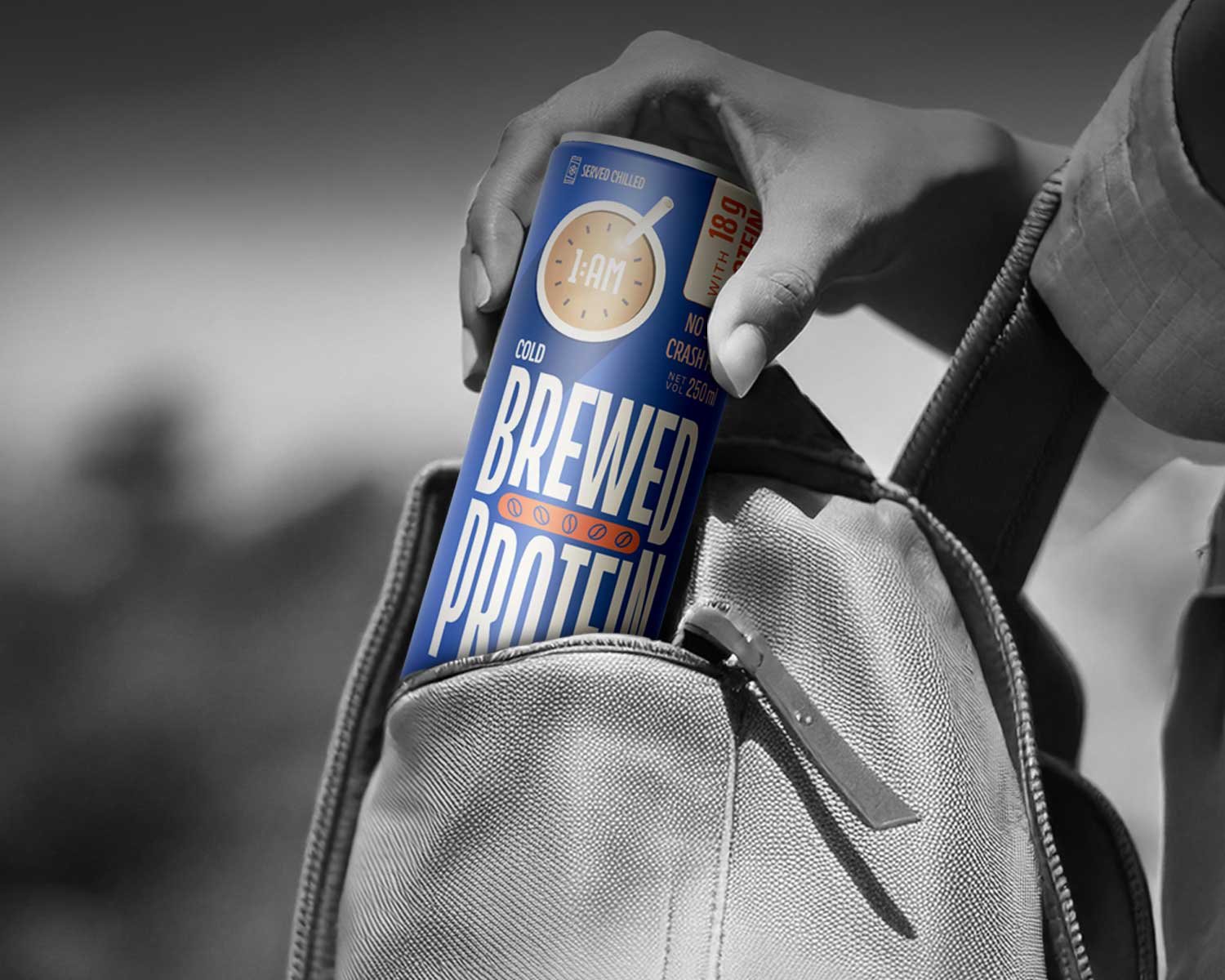
Type: High-protein RTD Beverage
Goal: Quick pilot to mass production
What Went Wrong
False confidence was formed by the success of pilots. The team skipped:
- Scale-up simulations
- Optimisation of the pressure of homogenization
- Heat stability validation
The Result
- Protein sedimentation
- Texture inconsistency
The production facility did not accept recurrent orders
Cost of Speed
- Plant change required
- Reformulation from scratch
- 6 months lost
Lesson: Innovation is not formulation; it is manufacturing-ready formulation.
What Actually Works: Structure Before Speed
A successful beverage innovation strategy follows a consistent order:
- Define the consumption context before formulation
- Validate ingredient compatibility early
- Assess shelf-life behaviour pre-scale
- Integrate manufacturing realities into R&D
- Align claims, cost, and compliance upfront
This structured beverage innovation strategy framework reduces iteration, protects capital, and enables confident acceleration.
How Structure Strengthens Beverage Product Innovation
Structure does not limit creativity. It channels it.
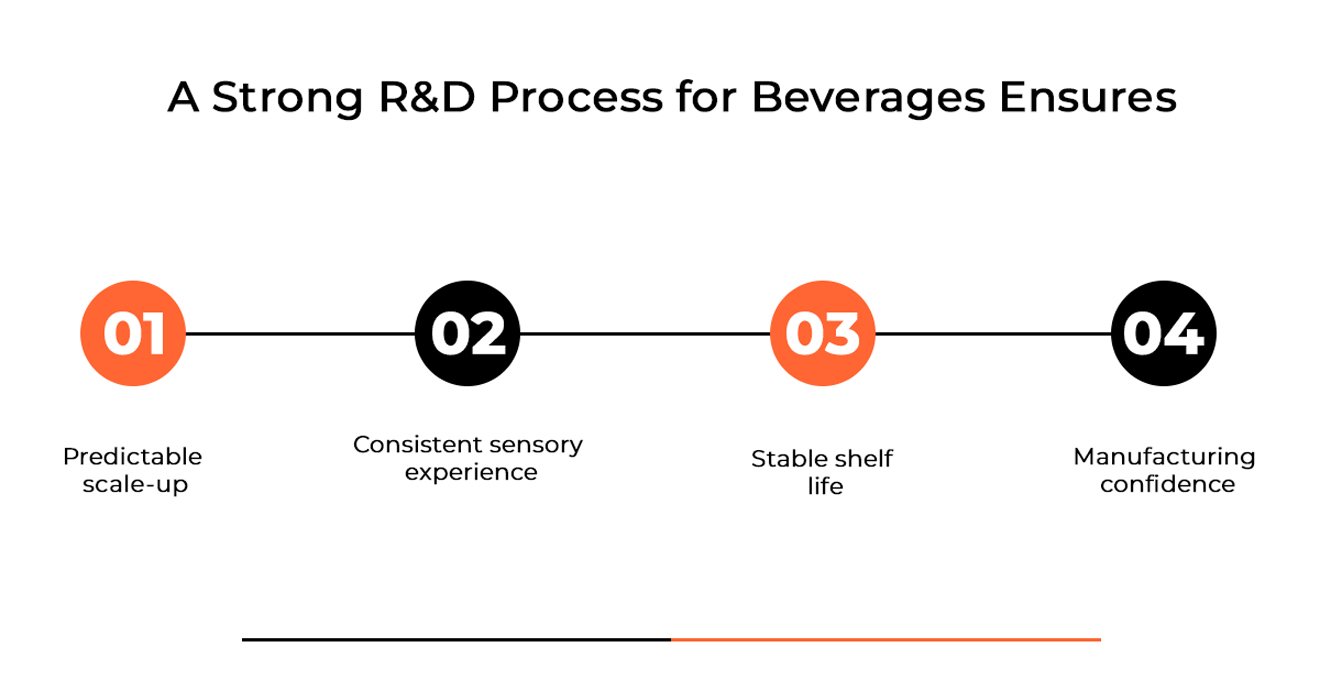
A strong R&D process for beverages ensures:
- Predictable scale-up
- Consistent sensory experience
- Stable shelf life
- Manufacturing confidence
Speed becomes powerful only after these foundations exist.
Foodsure’s Role
In Foodsure, beverage innovation is initiated through systematic screening rather than an abrupt formulation. The framework used to make the identification of each project is a disciplined one to find:
- Feasibility gaps
- Stability risks
- Manufacturing constraints
- Cost and compliance contraventions
This makes innovation go fast only when one is ready.
Founder Takeaway
Speed is not innovation. It is a structure that maintains innovation. Living brands are not those who come out first, but those who think the hardest.
Related Blogs for Beverage Founders
- Beverage R&D Science: Crafting the Next Big Drink
- Beverage R&D Bottlenecks in Beverage Development
- Ayurveda Beverage Innovation
- Beverage Scale-Up Failure
- Beverage Pilot Trial Cost
- Beverage Shelf Life Issues
What Founders Should Do Before Moving Fast
Before rushing to commercialise your next beverage concept, take the time to review it. A far more structured review can demonstrate:
- Ready to scale
- In need of refinement
- Lacks the initiative under pressure
Being clear at an early stage saves time, money and reputation.
formulation systems, and scale-ready product development.
FAQs
What is a beverage innovation strategy?
A beverage innovation strategy defines how ideas move from concept to scalable product through structured validation.
Why do fast beverage launches fail?
Because speed often comes at the expense of stability, compatibility, and manufacturing validation.
What is a structured beverage innovation framework?
It is a step-by-step system that validates feasibility, shelf life, and scalability before launch.
Can pilot success guarantee scale success?
No. Pilot trials often hide manufacturing realities.
Why is shelf-life testing critical early?
Because sensory drift post-launch is costly and reputation-damaging.