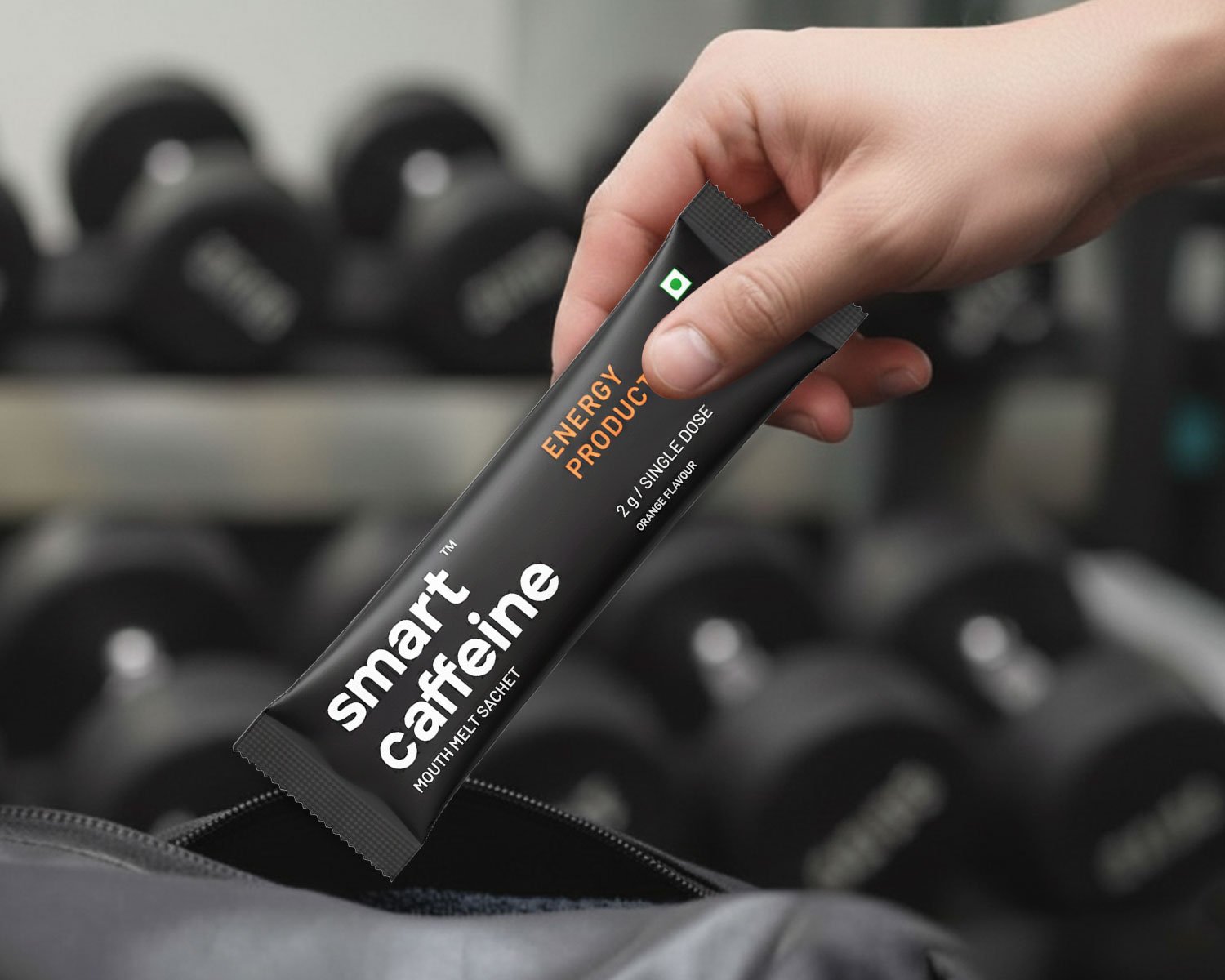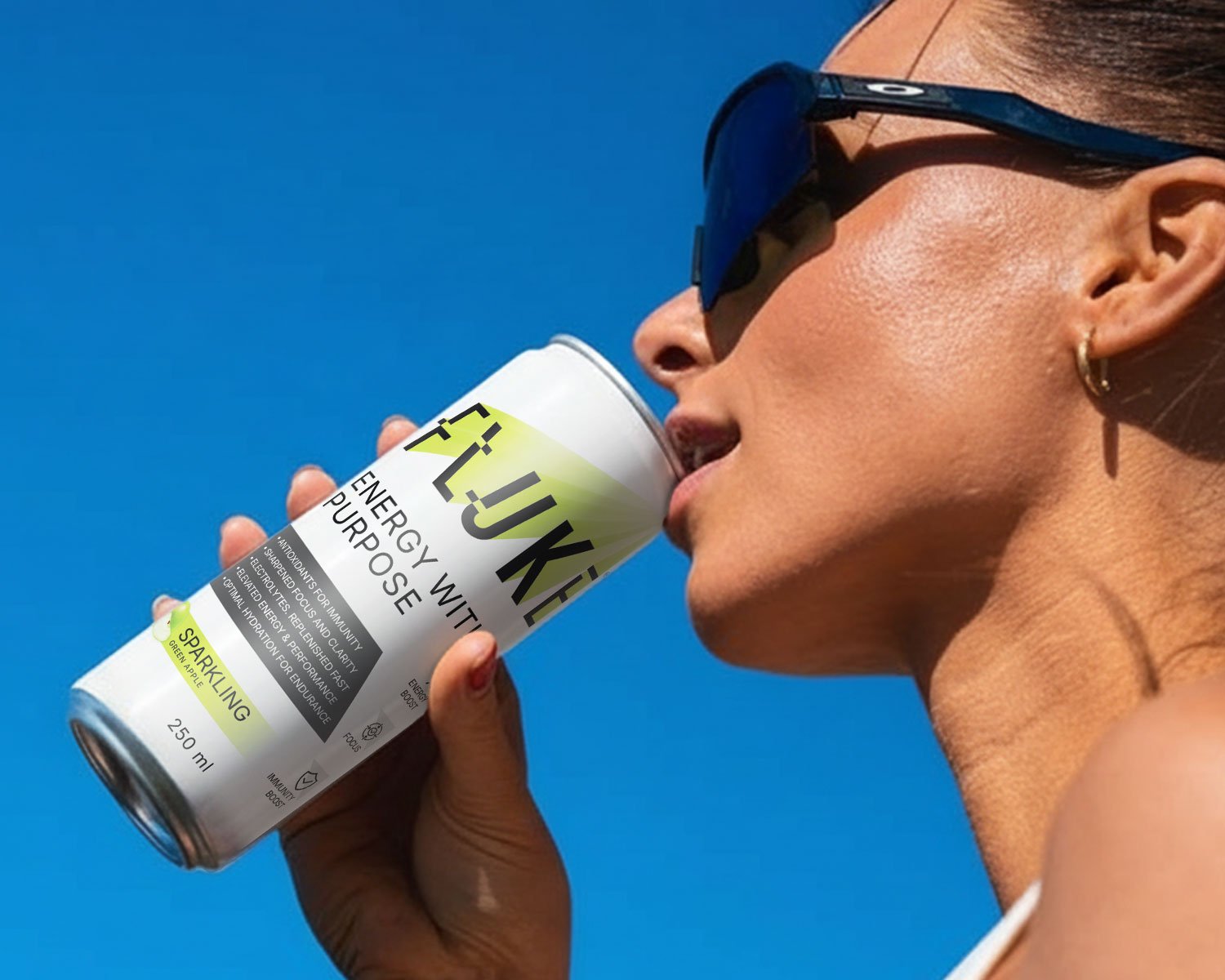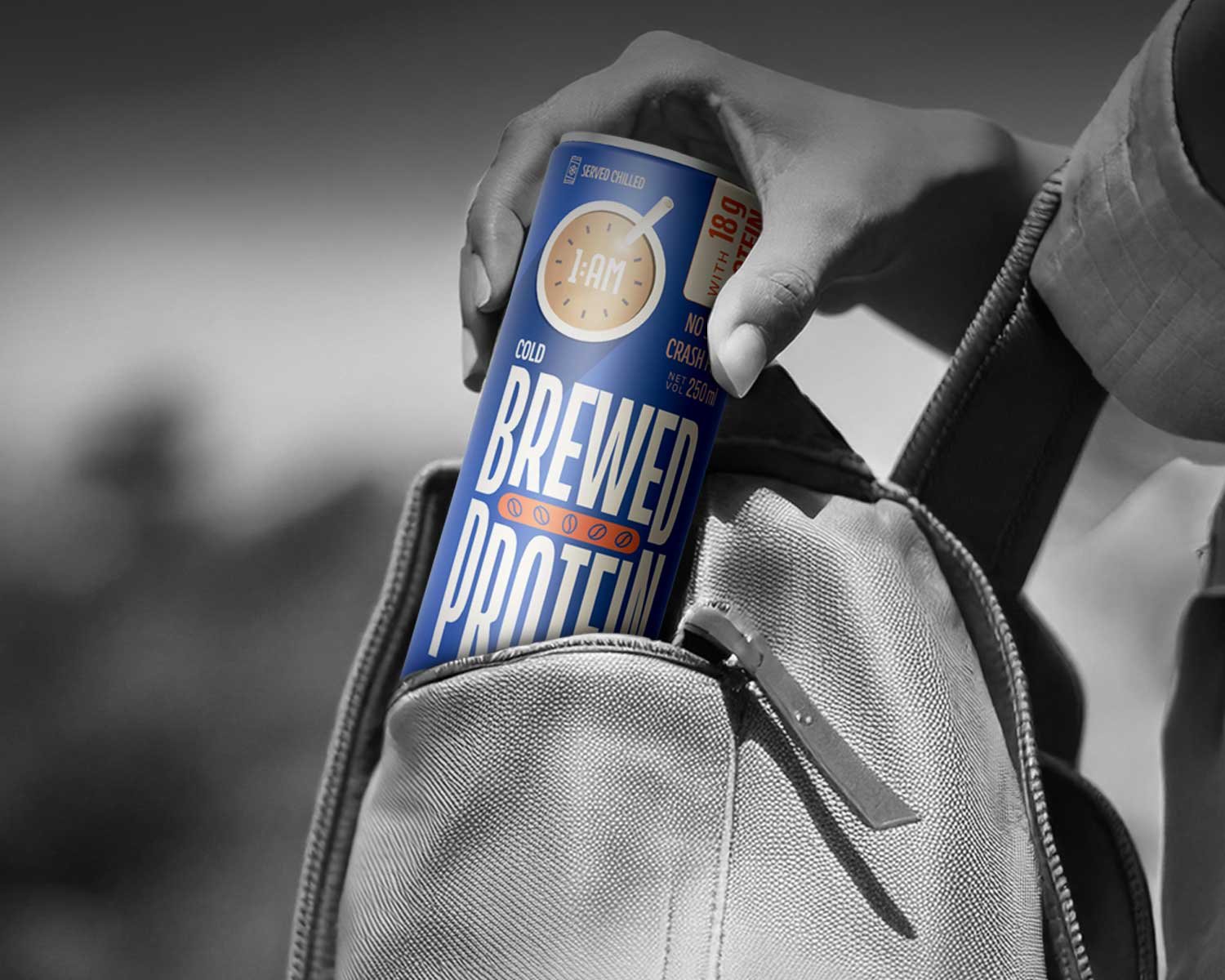
The 2026 market demands from consumers that they will thoroughly investigate all aspects of beverage labels, which include functional product lines. The statement “low sugar” or “energy support” on beverage labels functions as a legal obligation for companies rather than serving as a promotional statement.
Indian FSSAI regulations for beverage label claims require brands to deliver accurate beverage label information together with correct nutritional data and valid proof for all health claims related to their beverage components. The proper comprehension of label claims and label claim meaning requires knowledge about label claims, which will change when new regulations become effective.
Beverage regulatory consulting enables startups to achieve reliable labelling requirements for their non-dairy beverage products.
What Are Beverage Label Claims?
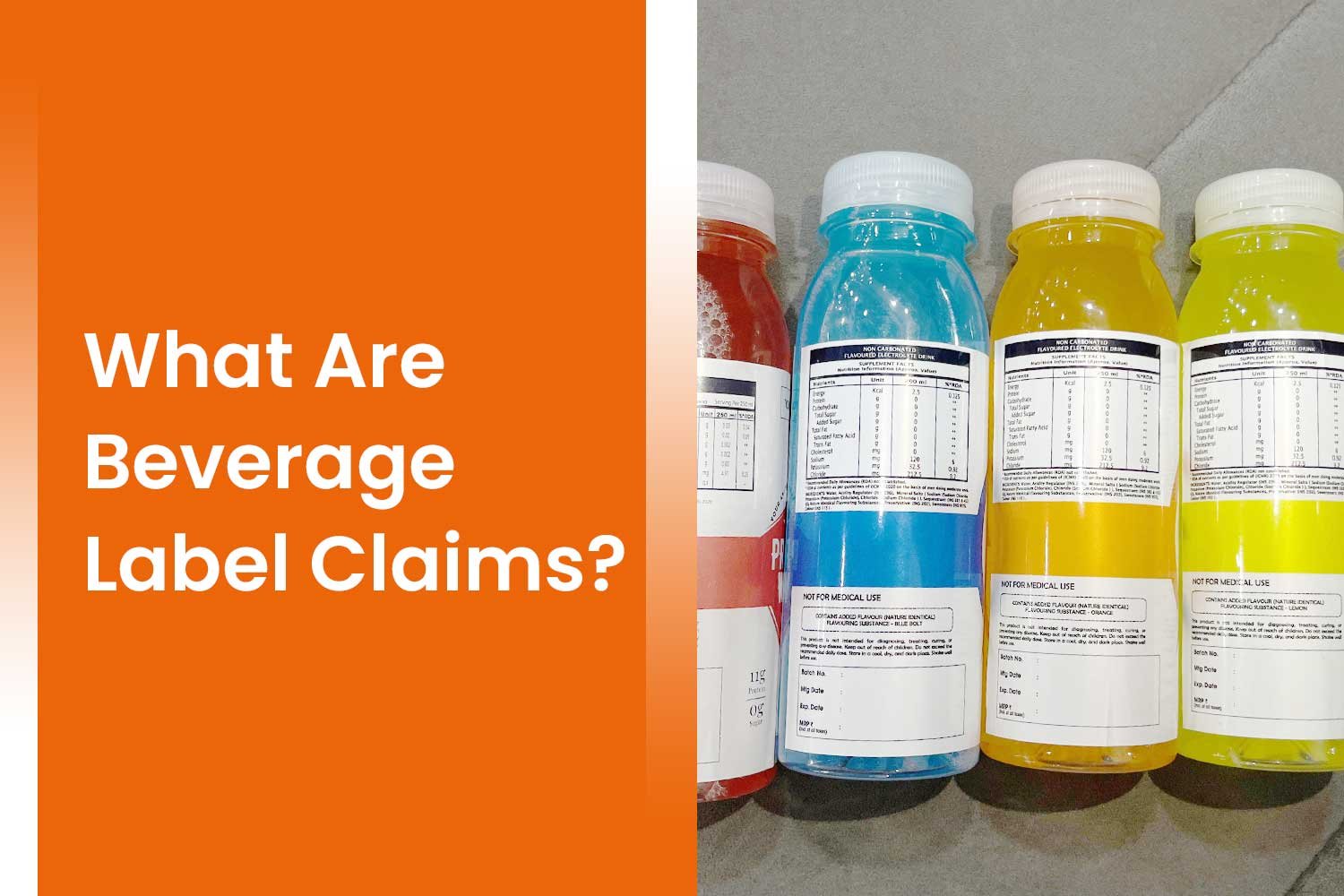
Beverage label claims are regulated statements printed on a beverage’s label that describe a drink’s nutritional content, functional benefit, or health effect. A label claim must comply with the beverage label claims FSSAI India guidelines and follow proper label compliance for beverages, including accurate nutrition facts labelling and scientific claims substantiation.
The Three Core Pillars Of Valid Beverage Label Claims
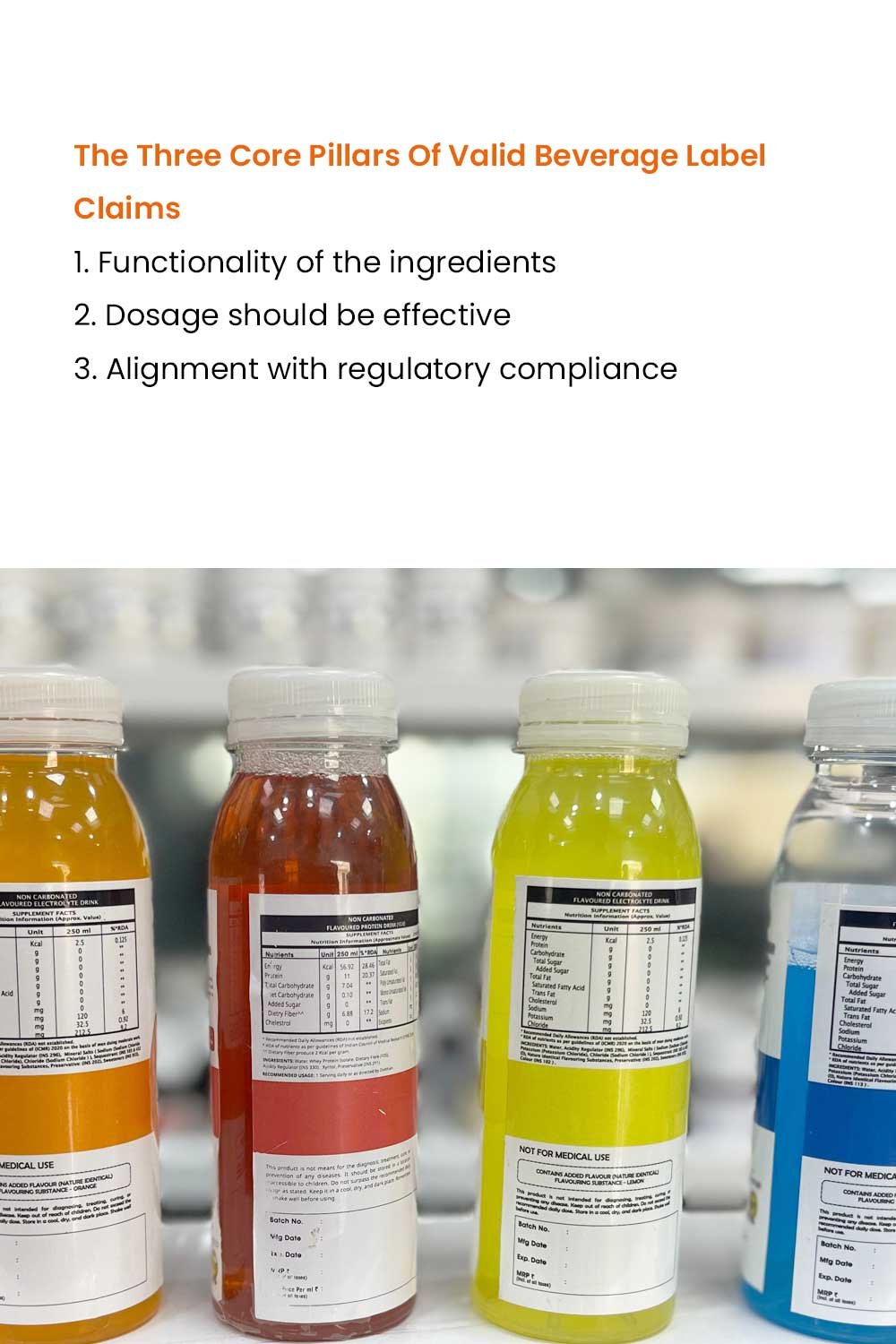
The beverage label requires all statements to fulfil three mandatory standards that support label compliance for beverages.
1. Proven functionality of ingredients: Scientific evidence must show health claims about drink ingredients through their actual nutritional benefits and their real nutritional functions.
2. Effective dosage: The ingredient must be present in a quantity that delivers the claimed benefit, supported by proper claims substantiation and reflected in accurate nutrition facts labelling.
3. Regulatory alignment: The label claim must fulfil the rules established by regional authorities, which include beverage label claims FSSAI India, the Food and Drug Administration FDA and the European Food Safety Authority EFSA.
The standards guarantee proper label claim interpretation, which protects brands from false information.
Types of Label Claims (As of 2026 Regulations)
It is covered under the 2026 beverage label claims, FSSAI India guidelines, and global standards. Beverage label claims are broadly divided as follows:
- Nutrient Content Claims: They say the concentration of a nutrient in the product, including Low Sugar, High Protein, or a Source of Vitamin C. They have to conform to recommended content and proper nutrition information labelling.
- Comparative Claims: These are comparable to another product, such as 30 % Less Sugar than Regular Cola. These claims of labels must have documented comparison data and adequate claims substantiation.
- Health Claims: These associate a nutrient or ingredient with a health benefit, e.g. Cafe supports bone health. Any claims regarding the health benefits of drinks should be in compliance with strict scientific validation of beverage labelling.
- Functional Claims: These explain the physiological use of an ingredient, e.g., electrolytes help maintain hydration. An effective label should effectively show the dosage of ingredients and approvals of regulatory authorities.
- Structure/Function Claims: These assertions are typical of functional beverages, which explain how a nutrient helps in maintaining typical body functions, and not treating a disease.
- Free-From Claims: phrases such as Sugar-Free, Preservative-Free or No Added Colours. These have to be of specific regulatory standards.
- Natural & Clean Label Claims: The assertions are to be 100% Natural or No Artificial Flavours. In 2026, the regulators are paying closer attention to these because of the rising abuse.
How To Make Claims That Comply With FSSAI Labelling Regulations?
| Step | Key Action | Details (2026 Latest) |
|---|---|---|
| 1 | Confirm Ingredient Functionality | Only use ingredients with scientifically proven benefits. All drink ingredient health claims must align with FSSAI definitions. |
| 2 | Verify Effective Dosage | Ensure ingredient levels in nutrition facts labelling match the effective amount for the claimed benefit. |
| 3 | Conduct Claims Substantiation | Perform internal food and beverage label checks and maintain scientific evidence (studies, tests, expert opinions) for every label claim. |
| 4 | Use Permitted Claim Wording | Follow FSSAI-approved phrases. Avoid unverified health statements that may mislead consumers. |
| 5 | Align With Labelling Standards | Comply with Food Safety and Standards (Labelling & Display) Regulations: product identity, ingredient list, allergen info, and accurate beverage label claims. |
| 6 | Update With Regulatory Changes | Monitor FSSAI notifications regularly to ensure your functional label and claims remain compliant. |
REGULATORY SUPPORT
Need Help With FSSAI-Compliant Label Claims?
Ensure your beverage labels meet FSSAI requirements, claim substantiation rules, and functional ingredient guidelines.
Scientific Support: The Backbone Of Legitimate Beverage Label Claims 2026
| Aspect | 2026 Guidance | Notes |
|---|---|---|
| Evidence-Based Claims | All drink ingredient health claims must be supported by clinical studies, peer-reviewed research, or validated data. | Ensures credibility and compliance. |
| Claims Substantiation | Maintain documentation proving ingredient dosage, bioavailability, and functional effects. | Required for beverage label claims FSSAI India compliance. |
| Regulatory Compliance | Claims must meet FSSAI, FDA, or EFSA standards; avoid misleading statements. | Aligns with the label compliance for beverages rules. |
| Consumer Trust | Scientifically backed claims enhance brand credibility in functional labels. | Differentiates your product in the beverages excluding dairy products market. |
Common Mistakes Beverage Brands Make With Label Claims in 2026
Bev brand claims remain a challenge among many beverage brands in 2026.
These are the errors that should be avoided to achieve label compliance of beverages and develop consumer trust:
- Selling Unsubstantiated Claims: Improper claims leading to regulatory penalties Making health or functional statements without authorisation to substantiate the claims.
- Mistaken Dosage Representation: Making a claim on functional ingredients without satisfying the amount termed as effective renders the label claim meaningless.
- Misleading Wording: The application of vague or exaggerated terminology rather than that approved by FSSAI is likely to confuse consumers and result in fines.
- Failure to take Updates in Regulations: Label claims are not constant; your label will fail to conform to 2026 FSSAI notices, rendering your label non-compliant.
- Incomplete Nutrition Facts: Leaving out important information or distorting values violates the food and beverage label checks.
- Disregarding Global Standards: In the case of exports, disregard of the FDA or EFSA requirements can pose a problem of international compliance.
- Not Consulting Experts: Frequent failure to hire beverage regulatory consultants when starting up or developing new formulations will often result in expensive label rewrites.
Emerging Trends In Beverage Label Claims In 2026
The beverage industry operates according to current consumer preferences and scientific progress while following the latest beverage label claims FSSAI India standards, which drive changes in beverage label claims. The following trends represent the main factors that will determine label design in 2026.
1. Precision Nutrition Claims: Brands now use specific, measurable drink ingredients health claims that describe their products’ medical advantages through defined health benefits and proper claims substantiation methods.
2. Personalised Wellness Labels: Labels now show customised advantages for active users through hydration support and for all users through botanical calming blends, which display verified information alongside complete nutrition facts labelling.
3. Transparency and Traceability: Consumers demand that companies disclose their complete ingredient origins and processing methods and scientific explanations for each label claim because this practice builds trust and helps with regulatory compliance.
4. Low/No Claims with Functional Benefits: The new trend combines free-from claims, which include sugar-free and additive-free claims, with functional advantages that provide electrolyte balance and cognitive support to customers.
5. Eco & Sustainability Messaging: Brands use functional labels to present their responsible sourcing practices and environmental protection efforts, even though these elements do not constitute health claims because they contain certified environmental standards.
6. Digital Link Claims: The use of QR codes, which connect to live science updates and sourcing information and current food and beverage label checks documentation, has become standard practice because it enhances compliance while building consumer trust.
The present trends demonstrate that label claims change with scientific progress, consumer expectations and regulatory changes, which result in greater compliance requirements and improved need for clear information.
Role of the Food Formulation Consultant in 2026
A food formulation consultant plays a critical role in helping beverage brands create compliant and credible beverage label claims in 2026. Their expertise ensures that every label claim is accurate, scientifically supported, and aligned with the beverage label claims of the FSSAI India standards.
Key Responsibilities:
| Role | How It Ensures Accurate Label Claims |
|---|---|
| Ingredient Validation | Confirms the functionality of all ingredients and verifies that they support the intended drink ingredients’ health claims. |
| Dosage & Efficacy | Ensures effective amounts of functional ingredients are included and correctly reflected in nutrition facts labelling. |
| Regulatory Guidance | Advises on label compliance for beverages, including FSSAI requirements, wording restrictions, and global standards (FDA, EFSA). |
| Claims Substantiation Support | Helps prepare scientific dossiers and documentation for each label claim to pass internal food and beverage label checks. |
| Trend Alignment | Guides brands on emerging 2026 trends in functional labels and health claims to maintain market relevance. |
| Risk Mitigation | Prevents misleading or unverified claims that could result in penalties or reputational damage. |
With a skilled consultant, startups and established brands can ensure their beverage label claims are not only legally compliant but also credible, transparent, and consumer-trusted.
From Buzzwords To Benchmarks: Master Your Beverage Label Claims Today
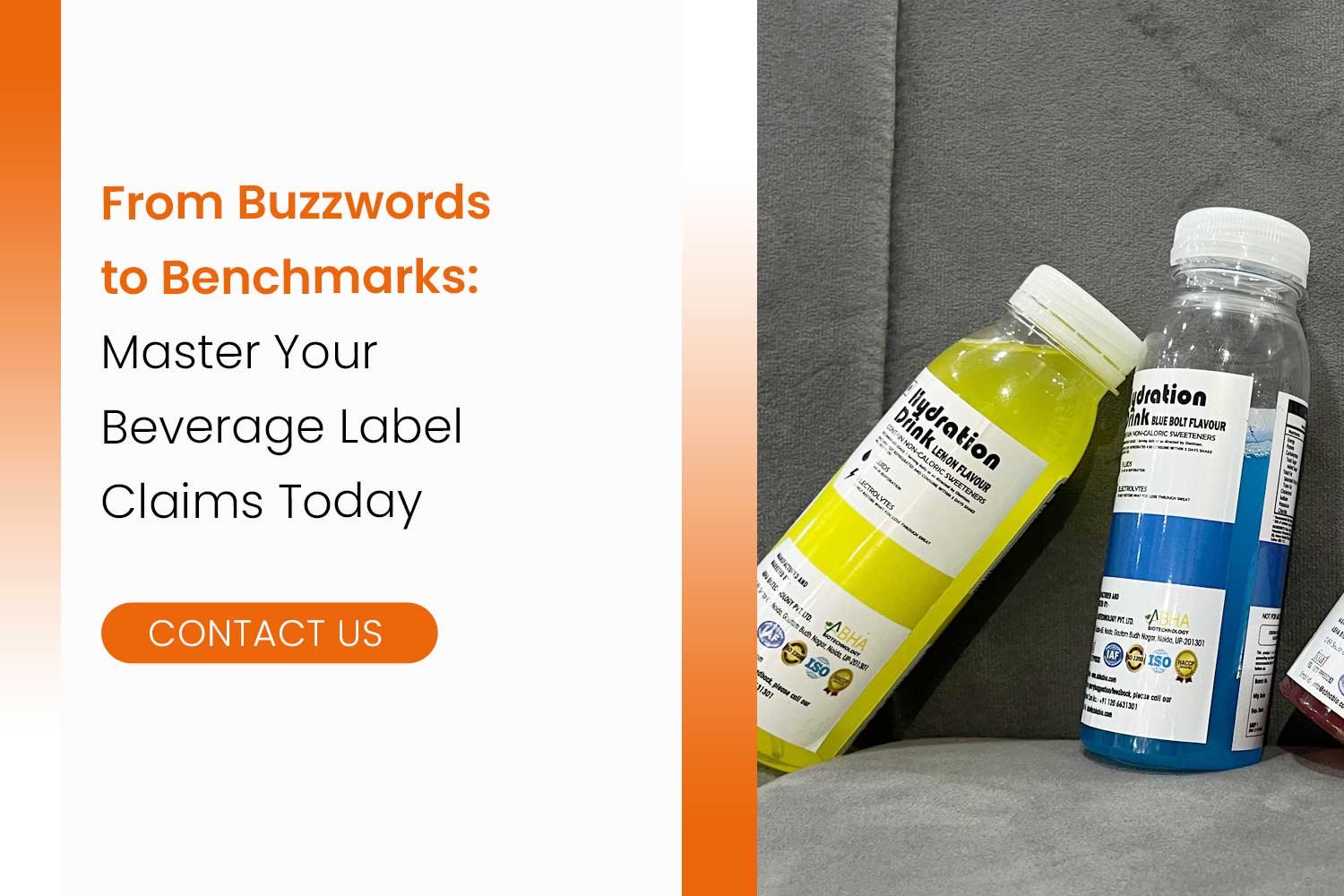
The use of nonspecific terms such as “natural” and “refreshing” fails to meet 2026 requirements because customers now possess advanced knowledge and the Indian FSSAI regulations for beverage label claims.
We assist you in converting your product’s actual advantages into transparent, authentic FSSAI-approved beverage label claims that meet label compliance for beverages and appeal to your target market.
- Say only what you can prove: Every label claim must have scientific substantiation.
- Avoid legal trouble and confusion: Ensure food and beverage label checks catch all regulatory gaps.
- Build real trust: Accurate drink ingredients health claims strengthen credibility and brand loyalty.
Let’s get your label claims right before your product hits the shelf. We’ll help you keep it simple, smart, and safe.
READY TO LAUNCH?
Make Your Beverage Label 100% FSSAI Ready
From ingredient verification to claim substantiation and final compliance checks, we help brands avoid costly regulatory mistakes.
Explore More on Beverage Compliance & Development
FAQs
What are the claims on the labels of beverages?
Beverage label claims refer to the claims on a drink label that speak of the nutritional, functional or health claims.
What is the significance of FSSAI compliance in making label claims?
Beverage label claims FSSAI India has made sure that all ingredients of the drinks are healthy, safe and are not doubted by the consumers.
What is the substantiation of the label claim?
Claims substantiation refers to the scientific evidence to justify a label claim and the effective dosage of functional ingredients.
Am I allowed to say such words as this is natural or refreshing?
Yes, but only when beverages are properly labelled and the market is verifiably so.
What are some of the errors in beverage claims on labels?
Some of the most common mistakes are making claims that the label has not been verified, deceptive wording, wrong dosage, and neglect of labelling food and beverages.
Which claims on the labels of beverages should be changed regularly?
Label claims are modified according to the changed regulations of FSSAI, product formulations and new trends of functional beverages.
Do I require a consultant in Labelling claims of beverages?
Yes, beverage regulatory consulting can be used to assist startups and brands in developing correct, compliant, and FSSAI-approved functional labels.