The majority of beverage founders think the beverage launch risk comes once it is launched, when the sales decrease, or when distributors are reluctant. As a matter of fact, the risk of beverage launches is developed at a much earlier stage, in formulation shortcuts, omitted validations and assumptions that have not been tested.
By the time a beverage is placed on the shelves, its fate is mostly determined.
A neat beverage go-to-market strategy is no longer risk-free. It identifies, sequences, and eliminates it at the first stage, when money, reputation, and timelines are not fixed.
of stability, cost, and manufacturability, post-launch issues surface quickly
and damage distribution confidence.
Why Founders Often Move Too Fast in Startups
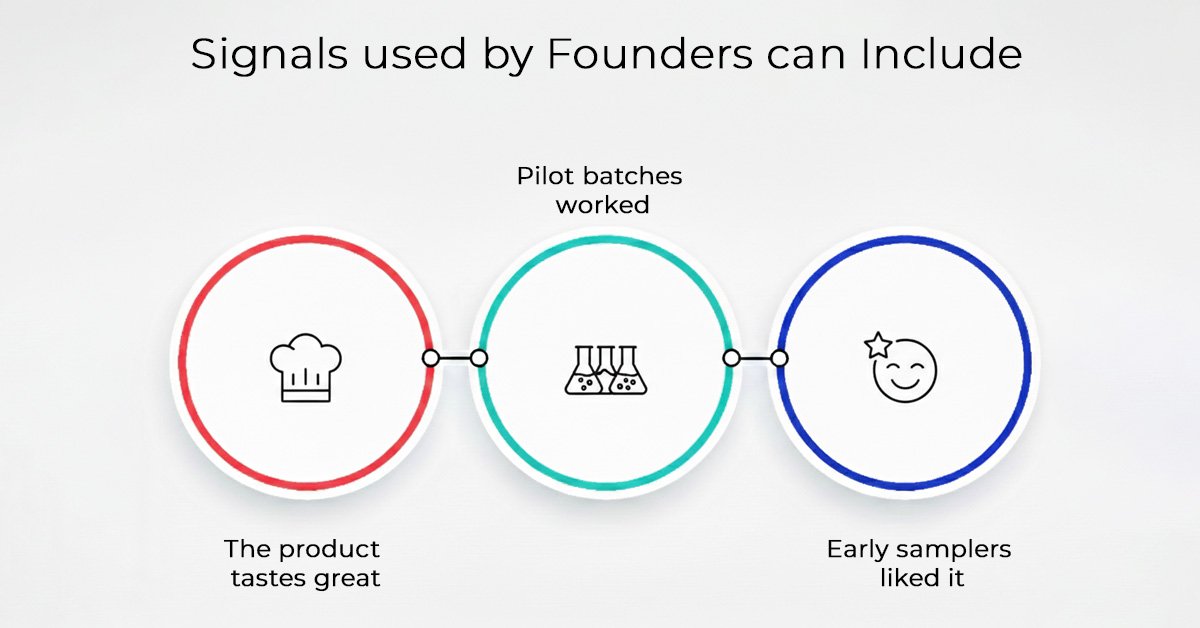
Signals used by founders can include:
- “The product tastes great”
- “Pilot batches worked”
- “Early samplers liked it”
These signs are comforting, but they are not complete. Physical systems are beverages. When packaging, shelf life, manufacturing, and compliance have been determined, errors are difficult to rectify and may be costly.
This is the reason why speed should be preceded by beverage risk management.
Launching without knowing what can fail
Demand is not the greatest reason to predict the failure of beverage launches; it is unfamiliar fragility.
The majority of the launches take place without understanding:
- Real-life behaviour of shelf-life
- Interaction of ingredients with time
- Producing uniformity in large quantities
- Past pilot volumes cost stability
Lack of a beverage launch risk checklist means that the teams operate on assumptions rather than on facts.
Recommended Read – Launch a Beverage Product
The reason Beverage Launch is so Compounded in a short time
Drinks are composed of several risk levels:
- There is a chemical and sensory interaction between the ingredients.
- The flavour and stability are changed during processing.
- The packaging influences shelf life.
- Distribution emphasises stressing the product over time.
In the event that these layers are not considered in the correct sequence, risk only increases rather than decreases.
Case Study 1: Carbonated Mojito Beverage
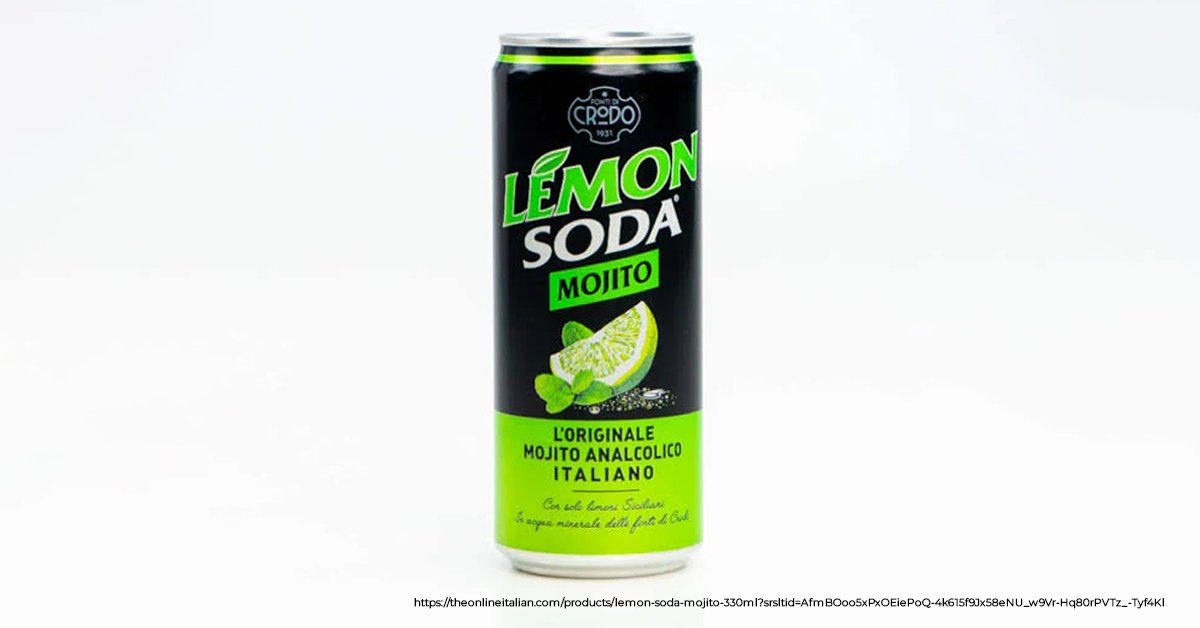
Carbonated Mojito drink had a bright future at the concept level, having a refreshing wine creation and definite positioning. Nevertheless, during the early risk assessment, it was suggested that there were some challenges associated with flavour stability, carbonation behaviour and balance of sugar when carbonation was added.
To deal with these risks, before finalising the formulation, the pressure was set to carbonation, and the product was tested under the actual storage and shelf-life conditions. This guaranteed that flavour was maintained, sweetness was kept in check, and preservation was kept within the product in line with regulatory provisions on the lifecycle of the product.
Consequently, the beverage went to market on time with a constant quality and did not need to do any post-launch reformulation or corrective measures.
Key Learning: The decisions to be made during the formulation of carbonated drinks should be based on parameters of carbonation and shelf-life behaviour rather than initial performance in taste.
Founder Pain Points
- Making reforms after entry
- Production of batch rejections
- Complaints in the months of shelf life
- Erosion of margins in scale-up
- Delayed national expansion
- Loss of distributor confidence
Simple Explanation
Bringing a drink to market without de-risking is like starting up a restaurant without trying a single plate.
Nobody thinks that there is anything wrong with it, but uniformity, volume, and repetition show up the faults in no time. Beverage risk management will make sure that such weaknesses are dealt with before they are discovered by customers.
What Really De-Risks a Beverage Launch?
The proper process of beverage risk management follows a disciplined process:
- Characterise the actual consumption setting
- Confirm ingredient compatibility prematurely
- Determine shelf-life and sensory drift
- Combine the realities of manufacturing and co-packers
- Match cost, claims and regulatory compliance
It is the systematic method of learning to minimise the failure in the launching of beverages without halting the development.
The Beverage Launch Risk Checklist
A risk filter decision checklist: A beverage launch risk checklist:
- What needs to be established before scaling
- What are the assumptions that remain weak
- What are the risks that can be accepted at every stage
It avoids the problem of go-to-market pressure snowballing over technical reality.
Foodsure’s Role
At Foodsure, the beverages are assessed, and then the formulation is not fixed.
Every project is audited to determine:
- Technical blind spots
- Stability threats
- Manufacturing constraints
- Go-to-market vulnerabilities
This makes founders take the forward step in the right direction, not merely optimism.
Related Blogs for Beverage Founders
- Beverage R&D Checklist
- Beverage Shelf Life Study
- Beverage Manufacturing SOP
- Beverage Pilot Trial Cost
- Beverage Sensory Validation
Final Takeaway
The launches of beverages do not fall at once.
They collapse predictably and disregard risk.
De-risking is not delayed.
It is acceleration that is in control.
Make sure that you are launch-ready before making any commitment to production or distribution.
To the brands that are about to go to market, it is the de-risking of the launch that precedes scale-up that makes the difference between confident entry and reactive correction. Foodsure detects formulation, stability, regulatory, and production risks at an early stage, hence pilot tests result in commercialisation without any bumps to the pocket. You need to de-risk before entry into the market, in case your next drink is to be launched and the first market launch is to be successful.
Early risk identification protects shelf life, margins, compliance,
and distributor trust.
FAQs
What is beverage launch risk?
It is defined as technical, sensorial, production, and business failures that come up within the post-launch period.
How to reduce the beverage brand failure?
Ensuring feasibility, stability and scalability before market penetration.
What is a beverage launch risk checklist?
It is a systematic framework that detects and controls risks in the early stages.
Why do soft drinks not work even when they taste good?
Stability and manufacturability cannot be assured by taste only.
Is the risk management of beverages merely technical?
No. It has cost, compliance, operations and execution risk.