The beverage market in India is more competitive than ever — and your packaging is often the only thing standing between a browser and a buyer. Beverage packaging design is not just about how a product looks; it determines whether a customer picks it up, trusts it, and comes back for it again.
Packaging serves four core functions: it protects the product, communicates the brand, influences purchase decisions, and ensures regulatory compliance. When all four work together, packaging becomes one of the most powerful sales tools a beverage brand can have.
This guide breaks down the role of packaging in brand building, the most effective packaging formats, key design elements, current industry trends, and the real challenges startups face — so you can make smarter decisions before your product ever hits a shelf.
Role of Beverage Packaging Design in Building Drink Brands
Before a customer tastes your drink, they judge it. In a retail environment where hundreds of products compete for attention, packaging is the first — and sometimes only — brand interaction a consumer has.
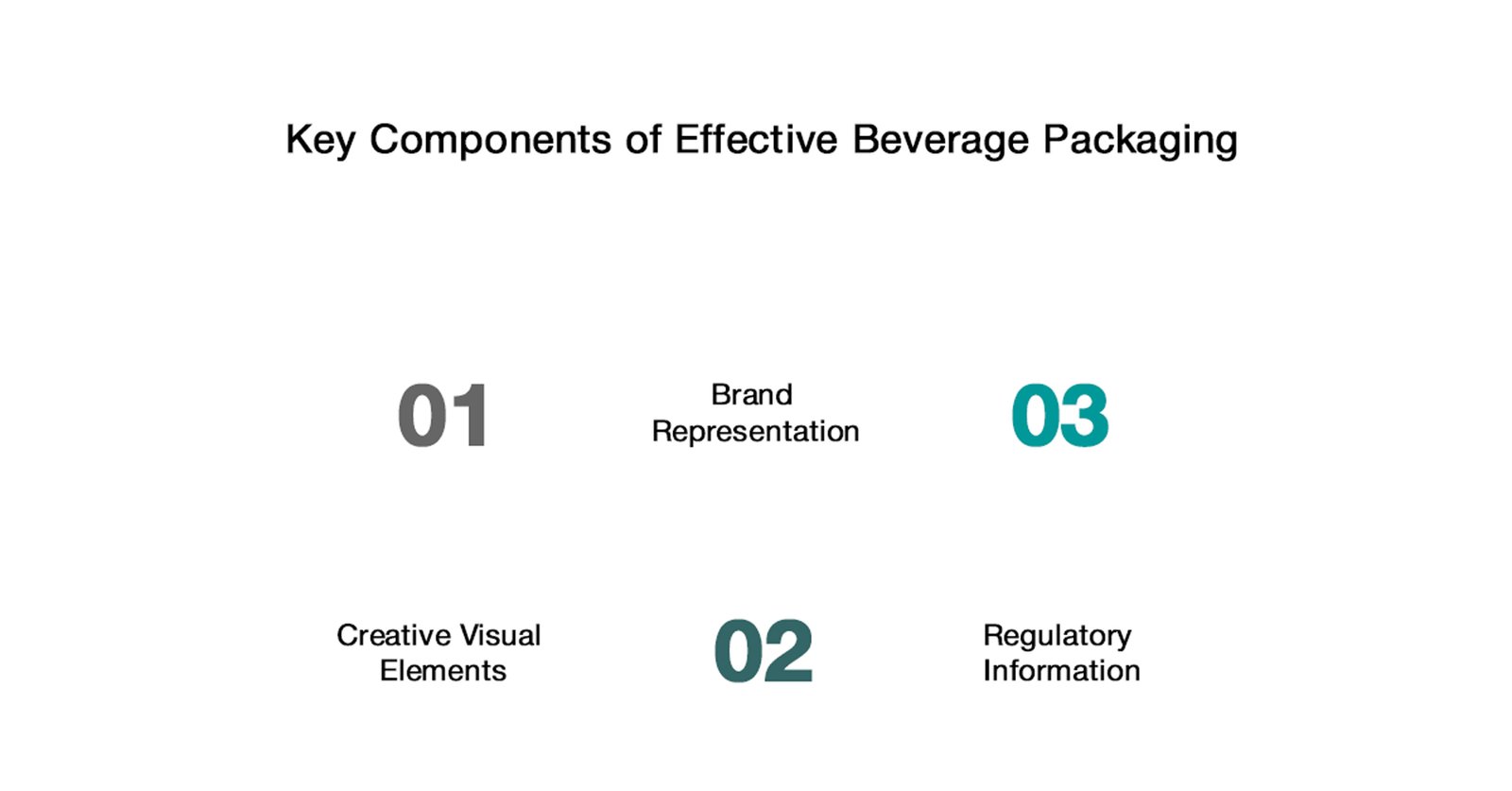
Strong beverage packaging design works on three levels. Visually, it uses colour psychology, typography, and graphic elements to trigger an emotional response. Structurally, it communicates product category, flavour, and benefit within seconds. Legally, it carries all mandatory information — FSSAI licence number, ingredient list, nutritional facts, MRP, and manufacturing details — without which a product cannot legally be sold in India.
Brands that treat packaging as a strategic asset rather than an afterthought consistently outperform competitors on shelf. A well-designed label does not just attract attention — it builds the kind of trust that drives a first purchase and creates the recall that brings customers back, similar to what drives beverage brand longevity.
Types of Beverage Packaging Designs
Choosing the right format is one of the most consequential decisions in food and beverage packaging design. The wrong format can increase costs, compromise product quality, or simply fail to connect with your target consumer. Here is what each major format offers:
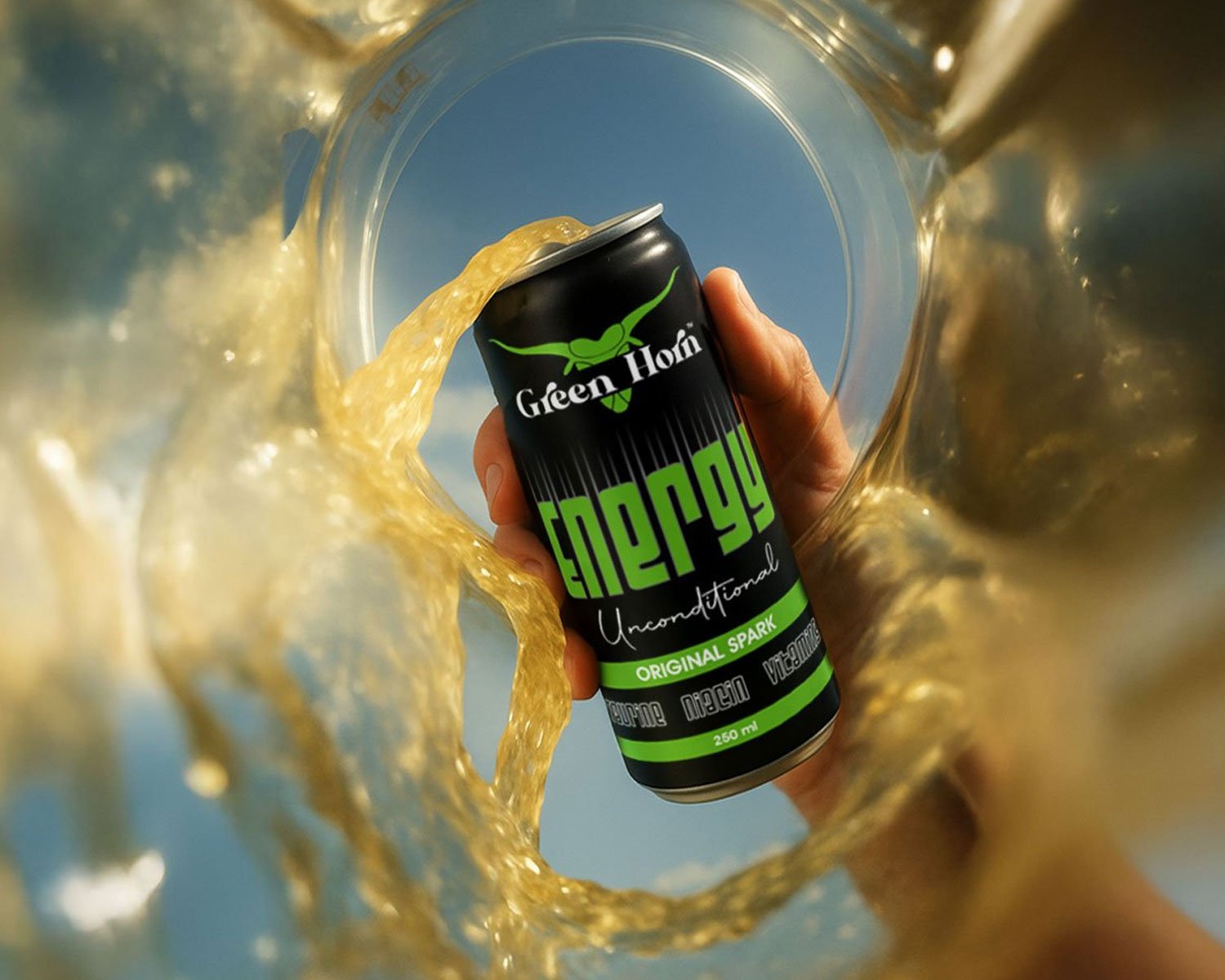
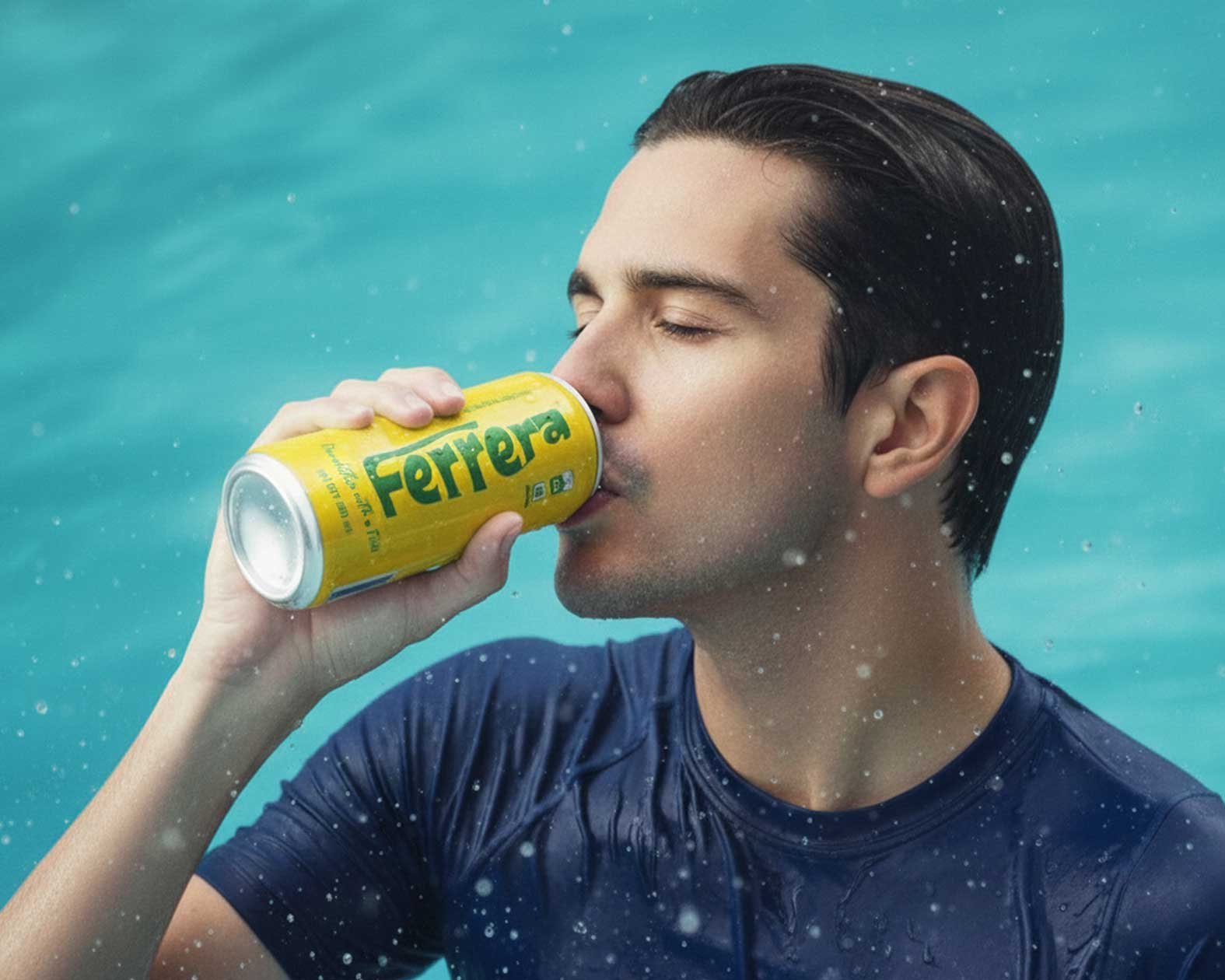
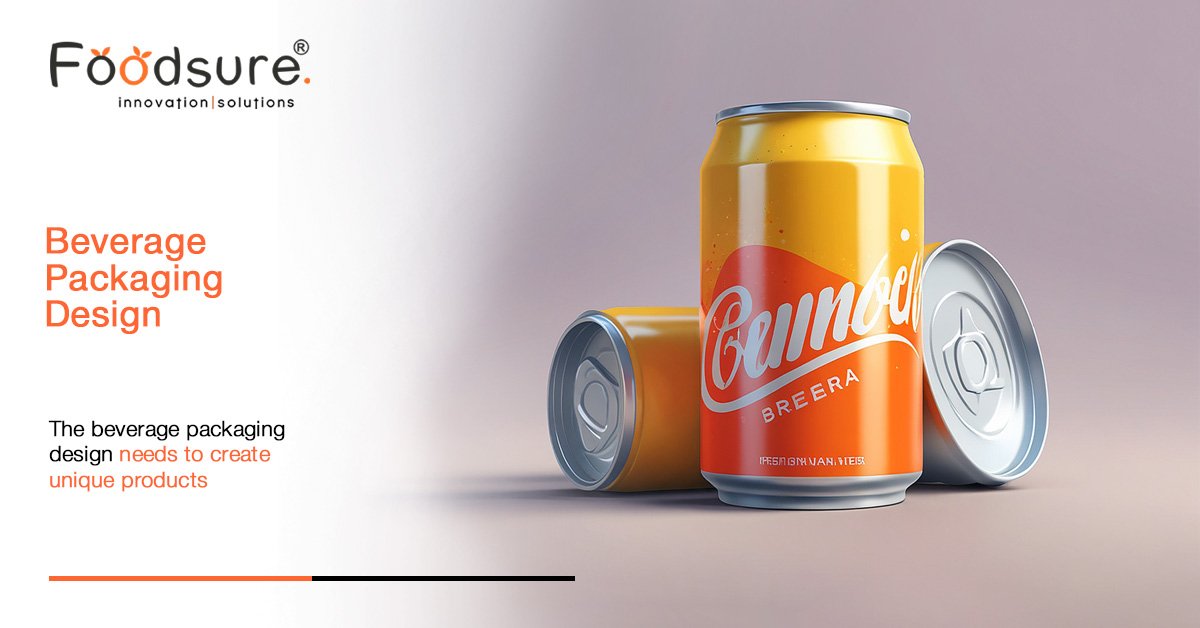
Aluminum Cans are the gold standard for carbonated beverages. They are lightweight, 100% recyclable, and provide an airtight seal that preserves carbonation and flavour better than most alternatives. Cans also offer a large printable surface area, making them ideal for bold, shelf-dominant designs. Energy drinks, craft sodas, and RTD cocktails frequently use cans for exactly this reason.
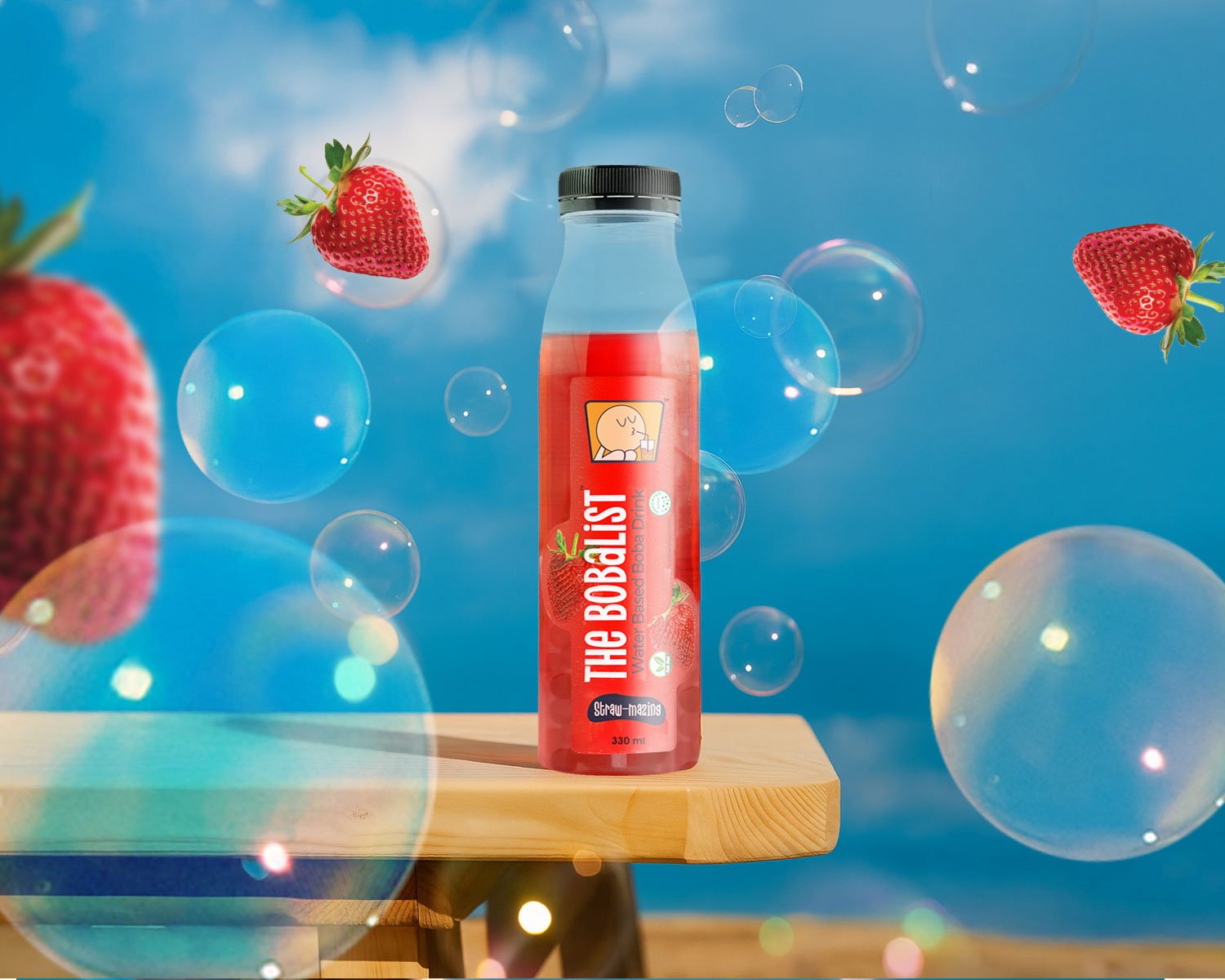
PET Bottles are the most cost-effective and scalable option for most beverage startups. They are shatter-resistant, lightweight, and available in a wide range of shapes and sizes. PET also allows consumers to see the product inside, which works particularly well for juices, flavoured water, and health drinks where colour and clarity are part of the appeal.
Glass Bottles signal premium quality like nothing else. They are chemically inert, which means they do not interact with the beverage — making them the preferred choice for cold-pressed juices, craft beverages, kombucha, and spirits. The weight and feel of glass in a consumer’s hand directly reinforces a perception of higher value, justifying a higher price point.
Cartons and Tetra Packs are the most sustainable option in terms of material composition and shelf life without refrigeration. They are widely used for dairy-based drinks, fruit juices, and plant-based beverages. Cartons are also stackable and efficient to ship, which reduces logistics costs significantly for brands distributing at scale.
Key Elements of Effective Beverage Packaging Design
Successful beverage packaging design is not about creativity alone — it is about making the right decisions across several interconnected elements that together determine whether a product wins or loses on shelf.
Brand Identity and Visual Consistency mean that every colour, font, and graphic element on your packaging should be traceable back to your brand guidelines. Consumers do not consciously analyse packaging — they respond to it instinctively. A coherent visual identity across all SKUs builds recognition, and recognition builds trust.
Label Design and Information Hierarchy determine how quickly a consumer can understand what your product is and why they should want it. The brand name and product type must be readable at a distance. Flavour, functional benefit, and key claims should be visible without picking up the bottle. Supporting information — ingredients, nutrition, certifications — belongs on the back or sides.
Shelf Appeal and Differentiation require you to design not just for your product in isolation, but for how it will look surrounded by competitors. A packaging design that stands out on a white background may disappear entirely on a crowded retail shelf. Testing your design in a realistic shelf context before finalising is a step most startups skip — and regret.
Material and Formulation Compatibility is a technical requirement that directly affects product safety and shelf life. The wrong packaging material can cause chemical migration, flavour loss, or premature spoilage. This is why packaging decisions must always be made in conjunction with beverage formulation strategy — the two cannot be planned independently.
Design Your Beverage Packaging
Turn Your Beverage Packaging Into a Shelf-Winning Brand Asset
From packaging design and material selection to label compliance and shelf appeal — Foodsure helps you build packaging that drives visibility and sales.
Beverage Packaging Trends Shaping the Industry in 2026
The beverage packaging industry is evolving rapidly, and brands that ignore these shifts risk looking outdated on shelf within a product cycle.
Sustainable Packaging has moved from a differentiator to a baseline expectation. Consumers — particularly in the 18–35 age group — actively check whether packaging is recyclable, refillable, or made from post-consumer materials. Brands using rPET, paper-based labels, or compostable pouches are increasingly preferred, especially in urban retail and D2C channels. In India, FSSAI and BIS are also tightening regulations around single-use plastics, making this shift both a market opportunity and a compliance requirement.
Minimalist Label Design is replacing cluttered, text-heavy labels across every beverage category. Clean layouts with generous white space, a single dominant visual, and concise claims communicate quality more effectively than busy designs. Minimalism also tends to photograph better — an important consideration as unboxing content and shelf photography drive significant purchase intent online.
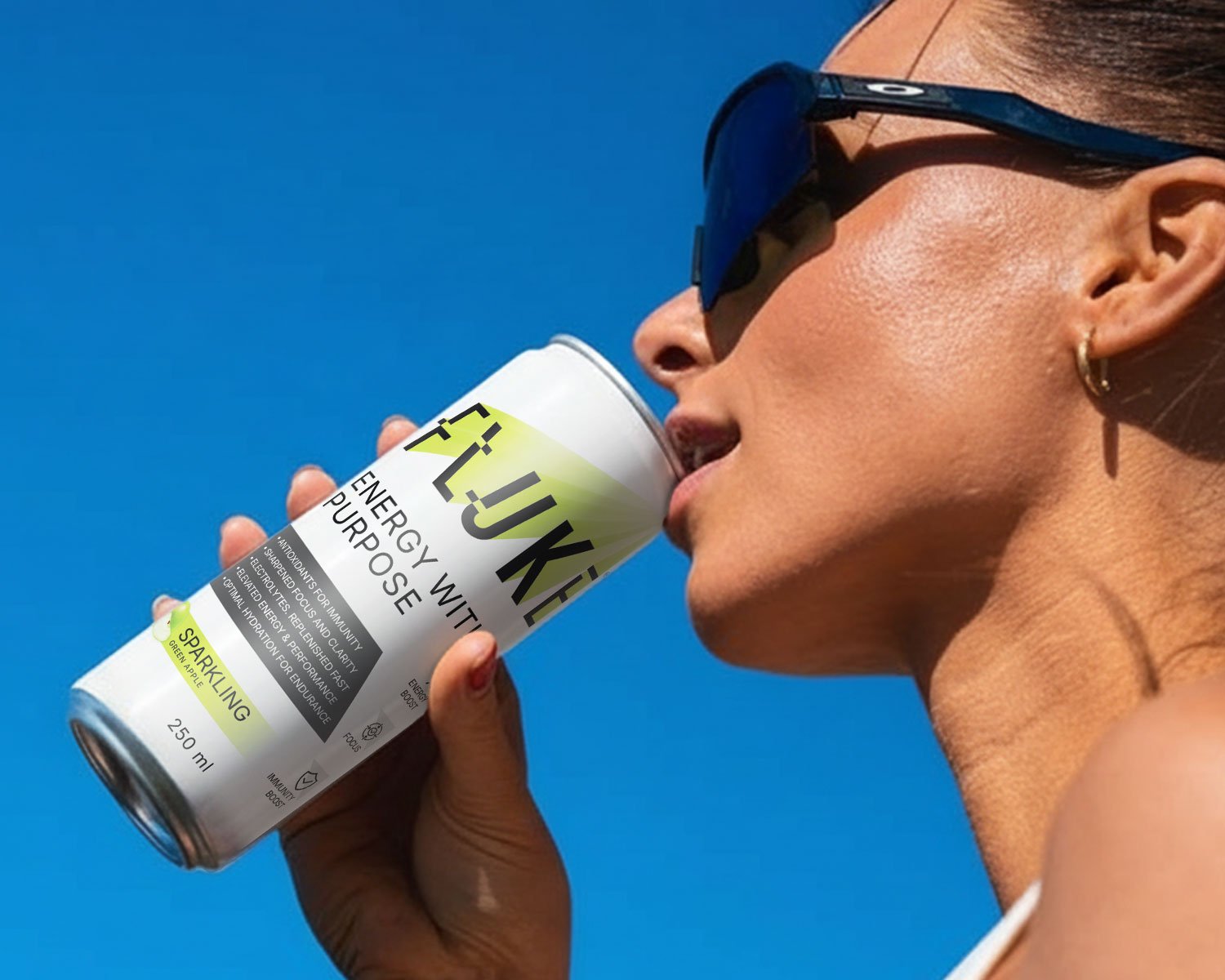
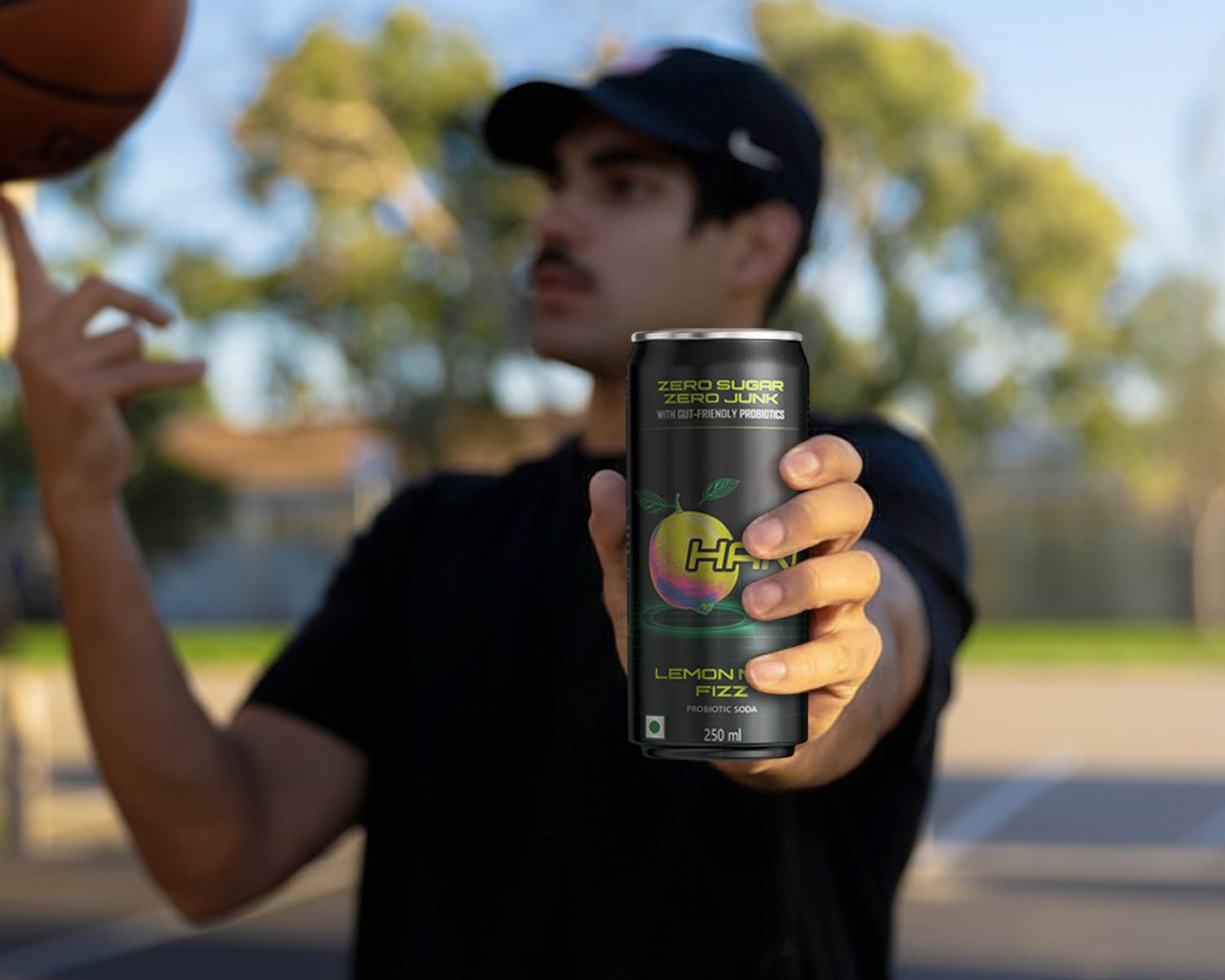
Functional Beverage Positioning means packaging must now clearly communicate what the product does, not just what it is. Whether it is immunity support, hydration, energy, or gut health — the functional claim needs to be prominent, credible, and backed by visible ingredients. This aligns directly with top beverage trends shaping what Indian consumers are actively looking for.
How Beverage Packaging Influences Consumer Buying Decisions
Purchase decisions in the beverage category happen fast — often in under three seconds at the shelf. Understanding what drives that decision is essential for designing packaging that converts.
Trust is built through professional, consistent packaging. A product that looks like it was designed with care signals that the brand behind it takes quality seriously. Consumers associate sloppy or inconsistent packaging with corners cut elsewhere — including in the product itself.
Perceived Value is directly shaped by packaging materials and finish. A beverage in a matte-finish glass bottle with embossed lettering will command a higher perceived price point than the same product in a plain PET bottle — even if the formulation is identical. Premium packaging enables premium pricing.
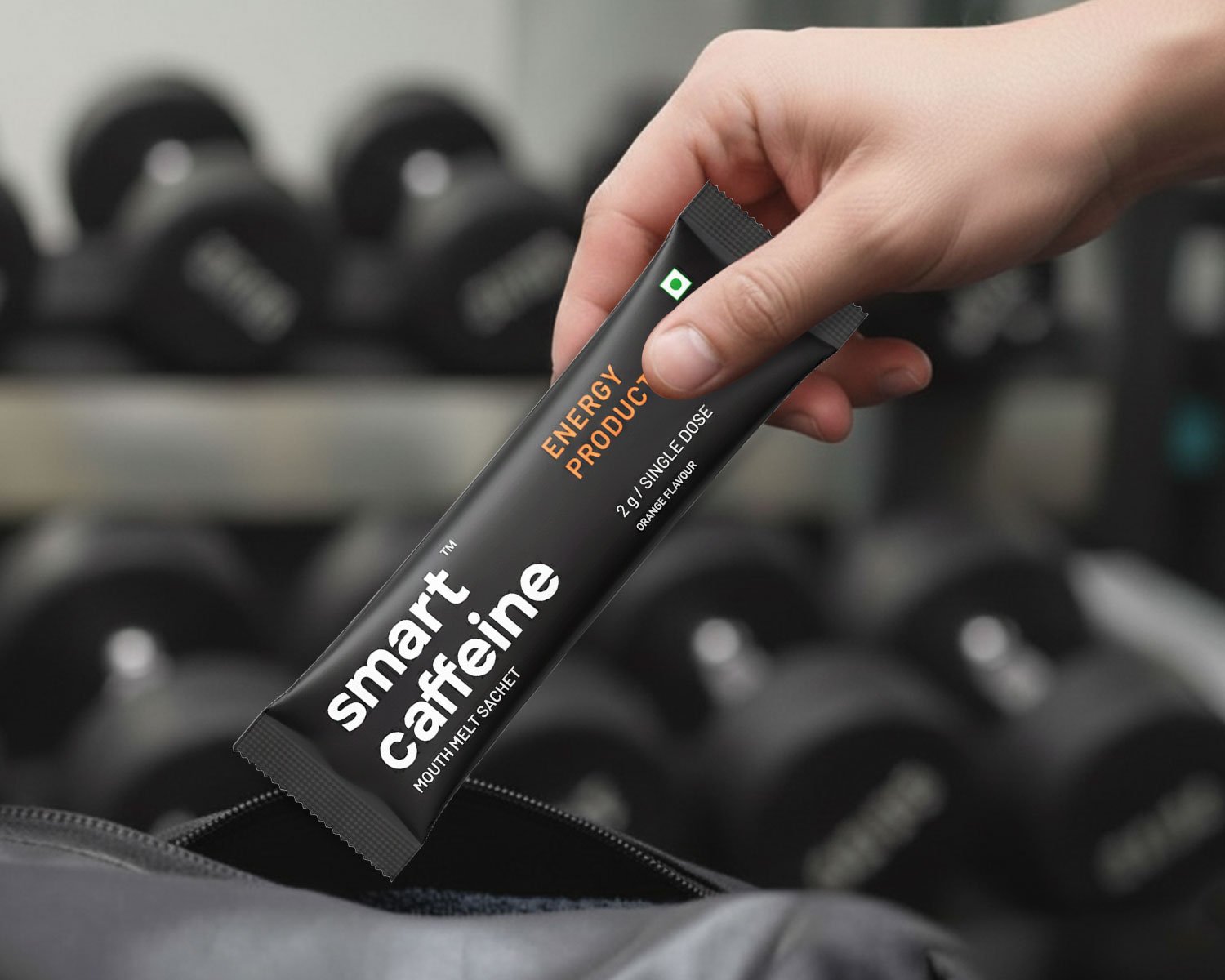
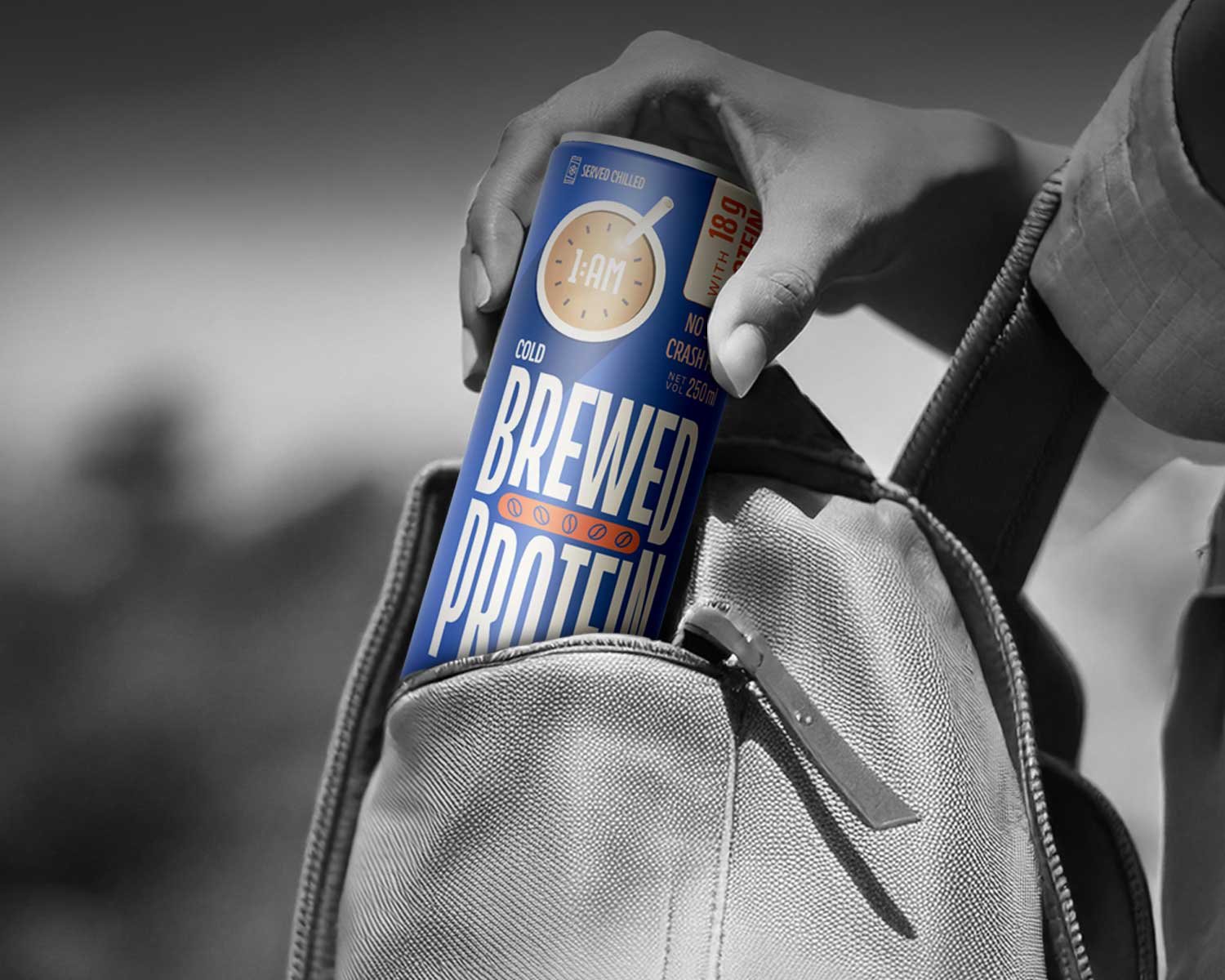
Convenience influences repeat purchase more than most brands realise. Resealable caps, ergonomic bottle shapes, lightweight formats, and single-serve sizing all reduce friction in the consumer’s daily routine. A product that fits easily in a gym bag or a car cupholder has a structural advantage over one that does not.
Label Clarity reduces the cognitive effort required to make a purchase decision. When a consumer can instantly identify the product type, flavour, and key benefit without reading the fine print, they are more likely to buy — and less likely to put it back in favour of something easier to understand. This directly impacts consumer repeat purchase behaviour.
Challenges Beverage Startups Face in Packaging Design
Most beverage startups underestimate how complex the packaging development process is — and how expensive mistakes at this stage can be once production begins.
High Development Costs are the most immediate barrier. Custom moulds for bottles, minimum order quantities for printed labels, and design agency fees add up quickly. Startups that try to cut costs by using generic packaging formats often find that their product looks identical to a dozen competitors, making it nearly impossible to build brand recognition.
FSSAI and Regulatory Labelling Requirements are non-negotiable in India. Every packaged beverage must carry specific mandatory declarations — FSSAI licence number, best before date, net quantity, nutritional information, allergen declarations, and country of origin among them. Non-compliance leads to product recalls, retailer rejections, and in some cases, legal penalties. Getting this right from the start is far cheaper than fixing it post-launch.
Packaging and Formulation Compatibility is a technical challenge that many founders discover too late. Acidic beverages can degrade certain plastic liners. High-pressure pasteurisation requires packaging that can withstand specific stress tolerances. Carbonated products need airtight seals that standard bottles cannot always provide. These are the kinds of issues that must be resolved during development, not after the first production run.
Scalability is the final and often overlooked challenge. A packaging format that works at 500 units per month may be completely unviable at 50,000. MOQs, supplier reliability, lead times, and storage requirements all change as volume increases. These are the same structural pressures that contribute to beverage startup failures — and planning for them early is what separates brands that scale from brands that stall.
From Beverage Concept to Market-Ready Packaged Product
Packaging development does not happen in isolation. The strongest beverage brands treat packaging, formulation, and manufacturing as a single integrated process — because decisions in one area directly affect the others.
A formulation change can make an existing packaging format incompatible. A manufacturing constraint can eliminate an entire category of packaging materials. A retail requirement — say, a specific bottle height for a planogram — can force a redesign weeks before launch. Managing these interdependencies requires experience across all three domains simultaneously.
This is where working with an expert partner makes the difference between a launch that stalls and one that scales. Foodsure’s end-to-end model — from formulation and packaging development to regulatory compliance and commercial beverage production — ensures that these decisions are made together, not in silos.
Conclusion
Beverage packaging design is one of the highest-leverage investments a brand can make. It determines first impressions, drives purchase decisions, communicates brand values, and ensures legal compliance — all before a single drop is consumed.
The brands that win on shelf are not always the ones with the best product. They are the ones whose packaging makes the right promise, to the right consumer, at the right moment. Getting that right from the start — with the right format, materials, design system, and regulatory compliance — is what turns a beverage idea into a brand that lasts.
Launch Your Beverage With the Right Packaging
Build a Beverage Brand With Packaging That Drives Sales
Get expert support in packaging design, compliance, and manufacturing to launch successful beverage products.
FAQs
What is beverage packaging design?
Beverage packaging design is the process of creating containers, labels, and visual identity systems that protect the product, meet regulatory requirements, and attract consumers at the point of sale. It covers everything from bottle shape and material selection to label layout, colour, typography, and FSSAI compliance.
How to design beverage packaging for a new drink brand?
Start by defining your brand identity and target consumer. Then select the right packaging format based on your formulation and budget. Work with a designer to create a label that communicates your product clearly and compliantly. Ensure all FSSAI mandatory declarations are included before going to print. Test the packaging in a real shelf environment before finalising.
Why is beverage bottle packaging design important?
Bottle packaging is often the first — and only — brand touchpoint before a purchase. It builds trust, communicates product quality, and differentiates your brand in a crowded market. Poor packaging directly reduces sales, even if the product inside is excellent.
What is the best packaging design for beverage brands?
There is no single best format — it depends on your product type, target market, price point, and distribution channel. Aluminum cans work best for carbonated drinks, glass bottles for premium positioning, PET for cost-effective scalability, and cartons for sustainable ambient products. The best design is one that fits your formulation, resonates with your consumer, and complies with Indian regulations.
How does beverage packaging influence consumer buying decisions?
Packaging influences trust, perceived value, convenience, and clarity — all of which shape purchase decisions within seconds at the shelf. Consumers consistently associate professional packaging with product quality, which is why packaging investment almost always yields a direct return in sales performance.
What materials are used in beverage product packaging design?
The most common materials are aluminum (for cans), PET and rPET (for bottles), glass (for premium formats), and laminated paperboard (for cartons and Tetra Packs). Material selection depends on the beverage type, required shelf life, carbonation level, and sustainability goals.
What is custom beverage packaging design?
Custom beverage packaging design means creating a packaging system — bottle shape, label design, material finish, and colour palette — that is unique to your brand. Unlike off-the-shelf formats, custom packaging builds distinctive brand identity and is harder for competitors to replicate. It is particularly valuable for brands aiming to establish a strong retail or D2C presence in India.