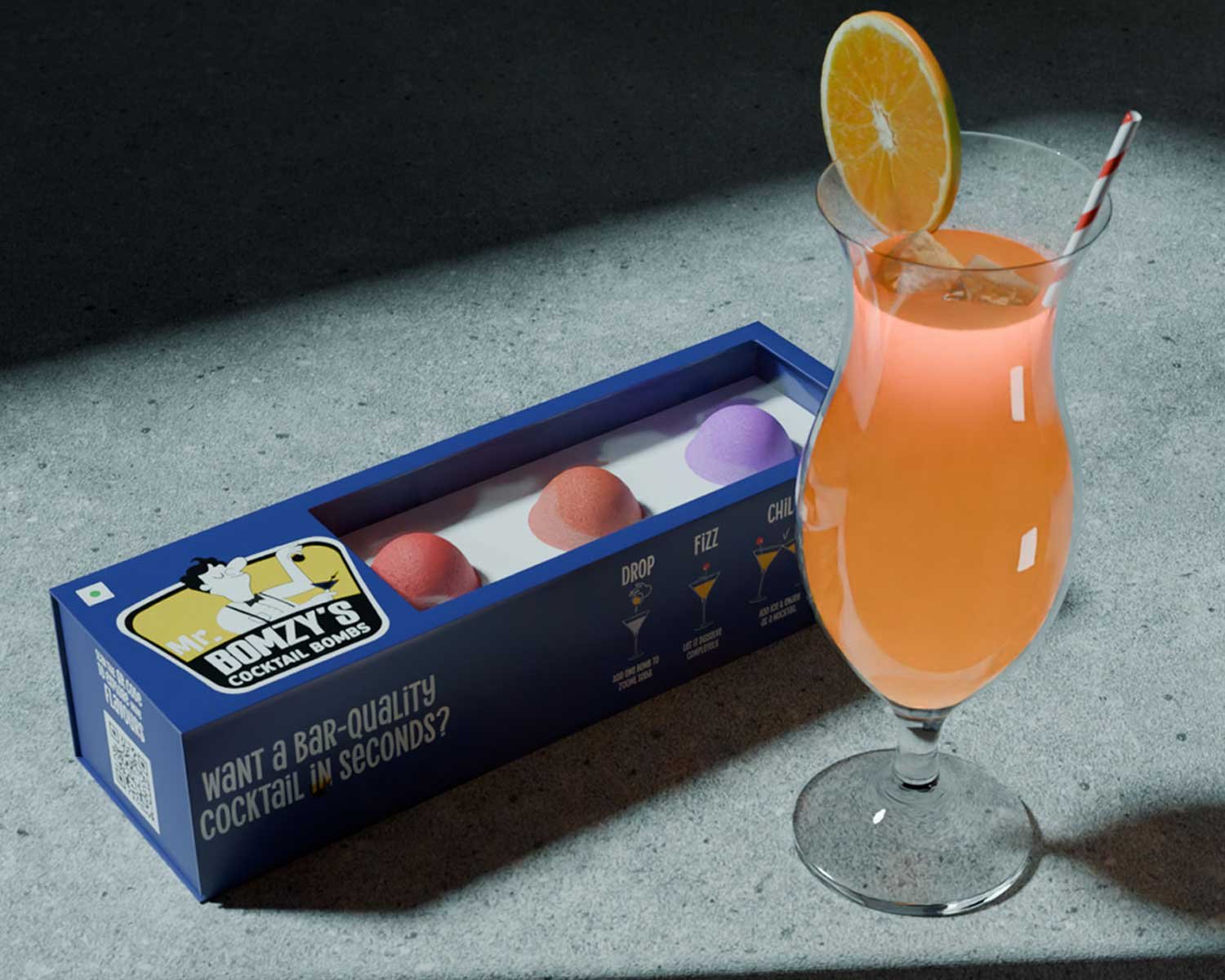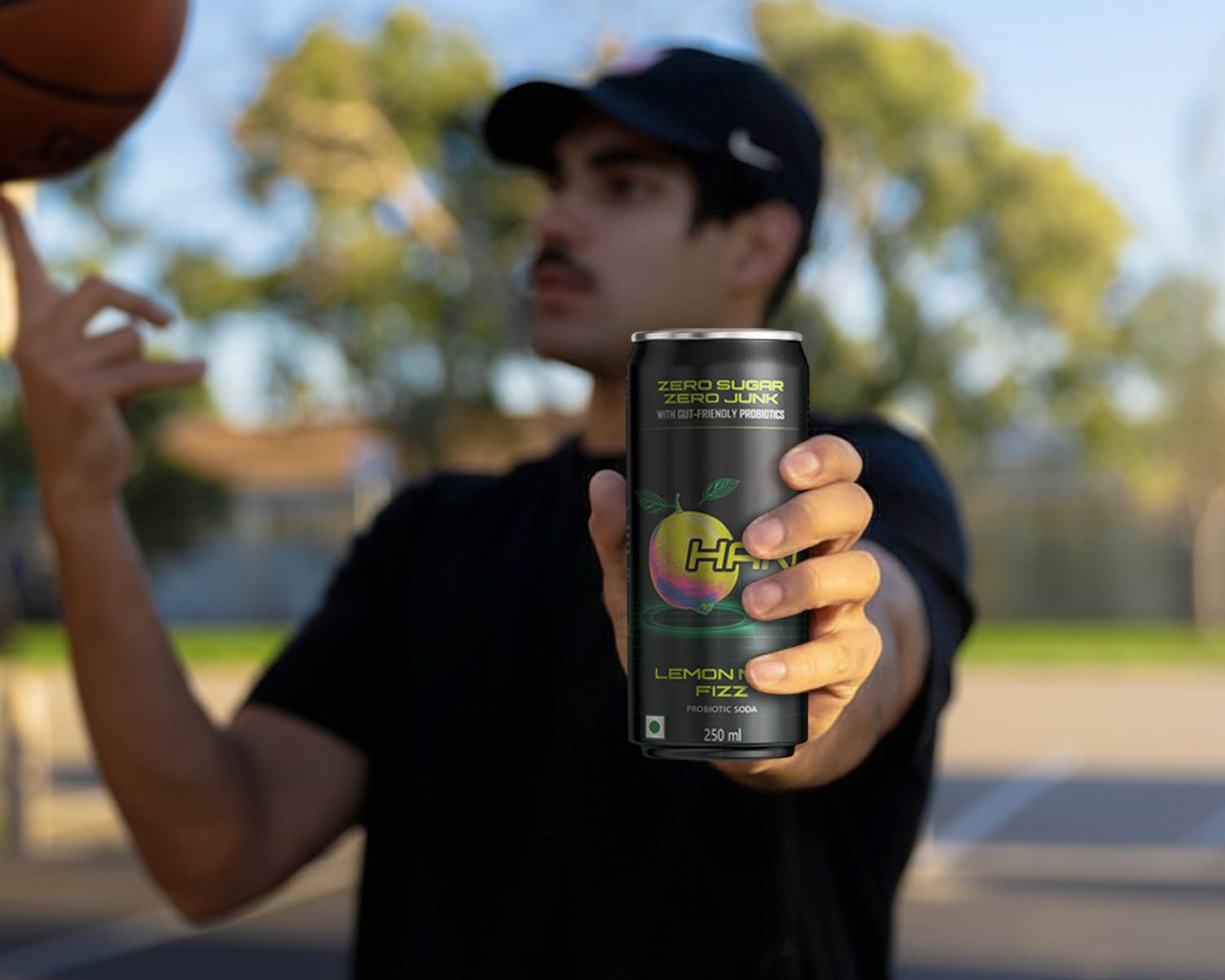
A few years ago, Botanical beverages in India were mostly limited to herbal syrups, ayurvedic tonics, and homemade kadhas. Today, the category has evolved into a highly innovative beverage segment, with sparkling hibiscus beverages, tulsi-based functional beverages, lavender coolers, botanical sparkling water, and functional RTDs. This transition has been driven by changing consumer preferences. With urban Indians actively reducing artificial ingredients, high sugar content, and artificial flavourings from their diets, there has been extensive growth in demand for healthy, plant-based beverages and functional beverages in India. As a result, botanical beverages are moving beyond niche wellness positioning and gaining visibility across retail, horeca, and quick-commerce channels in India.
This blog explores how botanical beverages are shaping the Indian beverage industry in 2026 through clean-label innovation, functional positioning, and advanced beverage formulation strategies. The blog explores the technical, commercial, and ingredient-related aspects of botanical beverage development for modern beverage brands.

Why Botanical Beverages Are Trending in India in 2026
According to our latest research, the global botanical beverages market size reached USD 16.8 billion in 2024, reflecting robust demand for plant-based and functional drinks worldwide. The market has exhibited a healthy annual growth, with a recorded CAGR of 7.2% from 2021 to 2024. Based on current trends and the calculated CAGR, the botanical beverages market is forecasted to reach USD 31.1 billion by 2033, signalling sustained growth and innovation in this sector.
The rise of Botanical beverages is connected to broader shifts in the food and beverage industry. Consumers increasingly expect beverages to support stress management, hydration, cognitive performance, digestive health, and energy support.
Unlike traditional sugary soft drinks, botanical beverages are being positioned as everyday wellness products. This shift is increasing the demand for functional beverages made with herbal beverage ingredients such as ashwagandha, tulsi, chamomile, hibiscus, ginger, and moringa, which are growing rapidly.
The clean-label movement is also accelerating the demand for plant-based beverages in India. Consumers now carefully read ingredient labels and actively avoid artificial sweeteners, synthetic colors, chemical preservatives, and artificial flavour systems. Botanical ingredients help brands create beverages with a more natural positioning. For example-
- Hibiscus supports premium floral positioning
- Tulsi creates ayurvedic familiarity
- Lavender supports relaxation-focused branding
- Ginger and turmeric offer immunity-focused appeal
This makes botanical beverages commercially attractive across D2C, retail, and horeca channels.
Top Botanical Beverages Trends in India 2026
1. Adaptogen-Based Functional Beverages
Adaptogen-infused beverages constitute one of the fastest-growing categories of botanical beverages in India. Adaptogenic functional beverages incorporate traditional herbs, such as ashwagandha, brahmi, tulsi, ginseng, and reishi. Such plant-derived ingredients are commonly positioned around-
- Managing stress
- Enhancing cognition
- Improving mental focus
- Natural wellness drinks
However, beverage formulation for adaptogenic beverages poses technical difficulties since many herbs used in beverage formulation lead to bitterness, sedimentation, or flavor instability when stored for long periods.
This is where beverage formulation and shelf-life evaluation of beverages becomes important.
2. Botanical Sparkling Water
Botanical-based low sugar sparking water have become increasingly common among urban consumers looking for healthier alternatives to carbonated soft drinks. Some common flavor combinations are-
- Hibiscus & lime
- Lavender & citrus
- Mint & cucumber
- Rose & watermelon
- Basil & lemon
Some positioning strategies commonly used for such botanical beverages are:
- Premium hydration
- Low calorie
- Wellness drink
- Refreshment beverage
The problem with these types of drinks is their ability to maintain flavor consistency once carbonated. This is because some botanicals have poor stability against acidity and carbon dioxide.
3. Ayurvedic Plant-Based Beverages
Traditional medicinal ingredients from Ayurveda are increasingly being incorporated into modern RTD beverages. Manufacturers are increasingly launching plant-based drinks with amla, kokum, vetiver, turmeric, ginger, fennel, and cardamom.
Compared to ancient ayurvedic syrups, modern herbal beverages are characterized by-
- Improved taste profile
- Modern packaging
- Reduced sugar content
- Higher consumer appeal
This segment is finding more growth in tier 1 and tier 2 cities, given the awareness of herbal beverage ingredients.
4. Botanical Energy and Focus Drinks
Traditional high-caffeine energy drinks are slowly facing competition from botanical beverages that provide more balanced stimulation. Instead of excessive caffeine loading, brands are now using botanical ingredients such as green tea extract, yerba mate, guarana, ginseng, and matcha.
Functional beverages are often mixed with electrolytes, nootropics, and vitamins to make healthier energy drinks with lower sugar levels. But when multiple botanical ingredients are combined within a single beverage system, it usually results in flavor conflicts, pH problems, ingredient precipitates, and reduced shelf-life stability, making beverage shelf-life testing extremely important before commercial production.
5. Floral Botanical Beverages
Floral botanical beverages are becoming one of the strongest premium beverage trends in India. Popular floral beverages include-
| Floral Ingredient | Beverage Application |
|---|---|
| Hibiscus | Sparkling drinks |
| Rose | Botanical tonics |
| Lavender | Relaxation beverages |
| Chamomile | Wellness teas |
| Elderflower | Premium mixers |
These botanical beverages are very popular among customers seeking:
- Premium sensory experiences
- Instagram-friendly beverages
- Low-sugar alternatives
- Sophisticated flavor profiles
However, floral botanical ingredients are highly sensitive to Heat processing, oxidation, light exposure, and incorrect pH systems. Without proper beverage formulation, floral beverages can lose both aroma and color stability quickly.
Founder Pain Points
The growing demand for botanical drinks is attracting many new beverage companies to enter the market. But achieving commercial success in this segment is not just about making a good drink. There are many reasons why many beverages fail post-launch, including-
- Difficulty in securing trustworthy suppliers of botanical ingredients
- Flavour instability during storage
- Unpleasant bitterness in herbal beverages
- Inconsistent extract quality
- Carbonation compatibility issues
- Lack of clean-label preservative systems
- Scaling laboratory formulations to commercial-scale production
Beverage Formulation Challenges in Botanical Beverages
Most founders underestimate how technically complex botanical beverage development can become during commercial scaling.
| Challenge Area | Technical Issue | Impact on Botanical Beverages |
|---|---|---|
| Temperature Sensitivity | Heat can degrade delicate botanical ingredients during processing and storage. | Loss of flavor, aroma, color, and functional activity. |
| Acidity & pH Compatibility | Acidic beverage systems may destabilize certain herbal ingredients over time. | Reduced ingredient stability and inconsistent product performance. |
| Carbonation Compatibility | Carbonation interacts differently with natural botanical ingredients. | Sedimentation, flavor distortion, and ingredient separation. |
| Water Quality Variation | Mineral content and TDS levels influence extraction behavior. | Inconsistent taste profile and reduced formulation stability. |
| Storage Conditions | Exposure to oxygen, light, and humidity affects compounds. | Shelf instability, aroma loss, and color degradation. |
| Processing Methods | Incorrect extraction or heat-processing techniques damage ingredients. | Reduced functionality and weaker flavor delivery. |
| Solubility Issues | Some herbal ingredients do not dissolve properly. | Visible sedimentation and uneven texture. |
| Flavor Masking Difficulties | Strong botanicals like moringa, turmeric, ashwagandha cause bitterness. | Unpleasant aftertaste and low acceptance. |
| Color Stability Problems | Natural pigments are highly sensitive. | Fading, discoloration, inconsistent appearance. |
| Shelf-Life Instability | Loss of aroma and flavor during storage. | Failed shelf-life testing and reduced viability. |
| Ingredient Separation | Botanical extracts separate from the base. | Poor appearance and inconsistent experience. |
Developing botanical beverages requires more than simply mixing herbs into a liquid base. Technical beverage formulation becomes critical because natural botanical ingredients behave unpredictably inside commercial beverage systems.
What Actually Works
Successful Botanical Beverages in India Always Have an Organized Product Development Cycle. Successful Brands Typically Focus On-
- High-quality and stable botanical ingredients
- low-Sugar, clean label
- Flavour balance control
- Stable extract systems
- Beverage shelf life testing procedures
- Consumer positioning
- Clear functional positioning without overcomplicated messaging
Modern consumers favor natural, functional, premium, and easily consumable botanical beverages.

Foodsure Role
For brands entering the botanical beverages category, structured product development becomes important from the early stages. These include-
- Beverage formulation strategy
- Botanical beverages ingredients sourcing assistance
- Stability optimization
- Flavor balancing
- Shelf-life studies of the beverage
- Regulatory assistance
- Pilot batch production
- Commercial manufacturing assistance
A technical product development approach can help avoid multiple rounds of formulation and improve the scalability and commercial viability of functional beverages
Founder Takeaway
The botanical beverages market in India is undergoing a fast transformation from its conventional herbal beverages and entering a new era of development. Today’s consumers expect beverages that combine natural ingredients, wellness-focused positioning, and modern consumption experiences. But the creation of such beverages is not solely dependent on marketing efforts and powerful brand strategies. Successful botanical beverages are those that have developed stable beverage formulation systems, sourced quality botanical ingredients, selected stable herbal beverages ingredients, conducted appropriate beverage shelf-life tests, and develop functional positions for their consumers.
Contact us at [email protected]

FAQs
- What are botanical beverages?
Botanical beverages are drinks that are formulated by using botanical ingredients derived from plants such as herbs, flowers, roots, spices, seeds, and natural extracts.
- What is the reasons behind botanical beverages trending in India by 2026?
The trend is being influenced by the shift towards the consumption of plant-based beverages, clean label products, and functional beverages.
- What are the most common botanical ingredients used for functional beverages?
The commonly used botanical ingredients include ashwagandha, hibiscus, tulsi, ginger, turmeric, lavender, chamomile, moringa, and rose.
- Why is shelf-life testing of beverages important for botanical beverages?
Shelf-life testing is very important for determining problems such as off-flavor development, sedimentation, loss of color, and microbiological safety before commercialization.
- What challenges exist in formulating botanical beverages?
Some common formulation challenges for botanical beverages include bitter taste, chemical instability, poor solubility, carbonation, and flavor stability during storage.