Modern carbonated beverages have developed into more complex forms than traditional sugary sodas. Today’s consumers are searching for beverages that provide low-sugar content and gut health advantages, together with functional ingredients in a refreshing, fizzy format.
The complete list of carbonated drinks demonstrates various types of sparkling beverages through specific drink examples, while the inventory demonstrates how functional sparkling drinks for gut health have experienced fast market expansion. The carbonation market requires beverage startups, D2C founders and product developers to learn about market conditions before they enter the sector and compete with established businesses.
What Are Carbonated Beverages?
Carbonated beverages are drinks that contain carbon dioxide (CO₂), which produces bubbles and fizzing sounds. The carbonation in beverages can be created through natural fermentation processes or through the process of artificial carbonation.
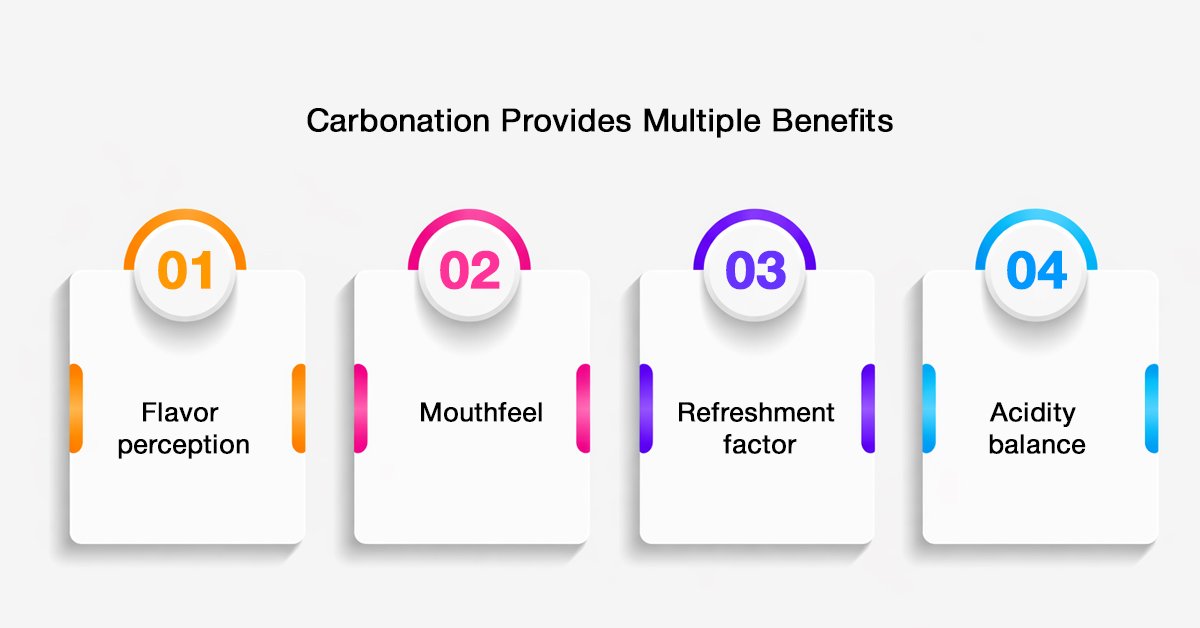
Carbonation provides multiple benefits, which include:
- Flavor perception
- Mouthfeel
- Refreshment factor
- Acidity balance
Modern beverage development requires carbonation to function properly with all the active ingredients, which include probiotics, vitamins and adaptogens.
BUILD A CARBONATED DRINK BRAND
Develop Carbonated Beverages That Scale
Planning to launch a sparkling drink, functional soda, or carbonated wellness beverage? Our beverage experts help with formulation, carbonation stability, ingredient sourcing, and commercial manufacturing.
Complete Carbonated Beverages List With Examples
The following are different categories of carbonated beverages that are available in the market:
| Category | Description | Examples |
| Classic Soft Drinks | Traditional sweetened, flavoured fizzy drinks. | Cola, Orange soda |
| Diet / Zero Soft Drinks | Low-calorie or sugar-free alternatives using high-intensity sweeteners. | Diet cola, Zero sugar soda |
| Sparkling Water | Plain carbonated water; often used as a base or mixer. | Seltzer, Club soda |
| Flavoured Sparkling Water | Light natural flavouring with little to no added sugar. | Lime fizz, Berry sparkling |
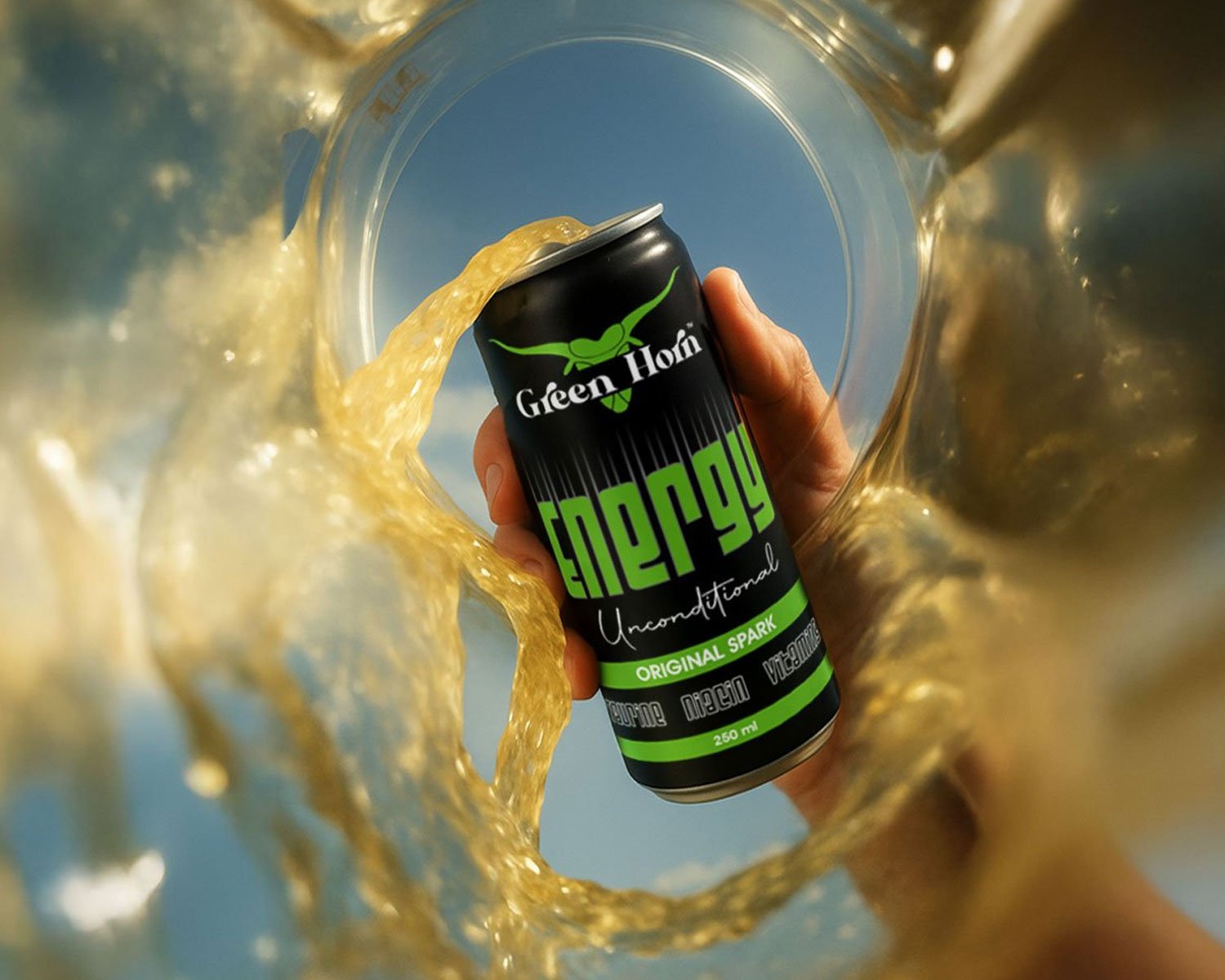
| Energy Drinks (Carbonated) | Caffeinated sparkling beverages designed for a quick boost. | Energy soda, Guayusa sparklers |
| Functional Carbonated Drinks | Sparkling base enhanced with vitamins, probiotics, or adaptogens. | Probiotic soda, Ashwagandha fizz |
| Carbonated Juices | Fruit juices blended with carbonation for a “premium” feel. | Sparkling apple juice, Pomegranate spritz |
| Tonic Water | Bitter carbonated water containing quinine; primarily a mixer. | Classic tonic, Botanical tonic |
| Fermented Sparkling Drinks | Naturally carbonated through biological fermentation processes. | Kombucha, Water Kefir |
The Rise of Gut Health Carbonated Drinks
The introduction of gut-friendly sparkling beverages brings about a fundamental transformation for the carbonated beverage market.
Examples include:
- Probiotic sodas
- Prebiotic sparkling beverages
- Synbiotic carbonated drinks
- Sparkling kombucha
Consumers now link gut health to three main benefits, which include stronger immunity and better digestion, improved skin health and overall wellness. The carbonation in these functional drinks creates an indulgent experience that maintains their health benefits.
The Real Challenge: Commercial Formulation
The launching process for carbonated soft drinks seems easy to many founders. But carbonation creates technical challenges when functional ingredients are present.
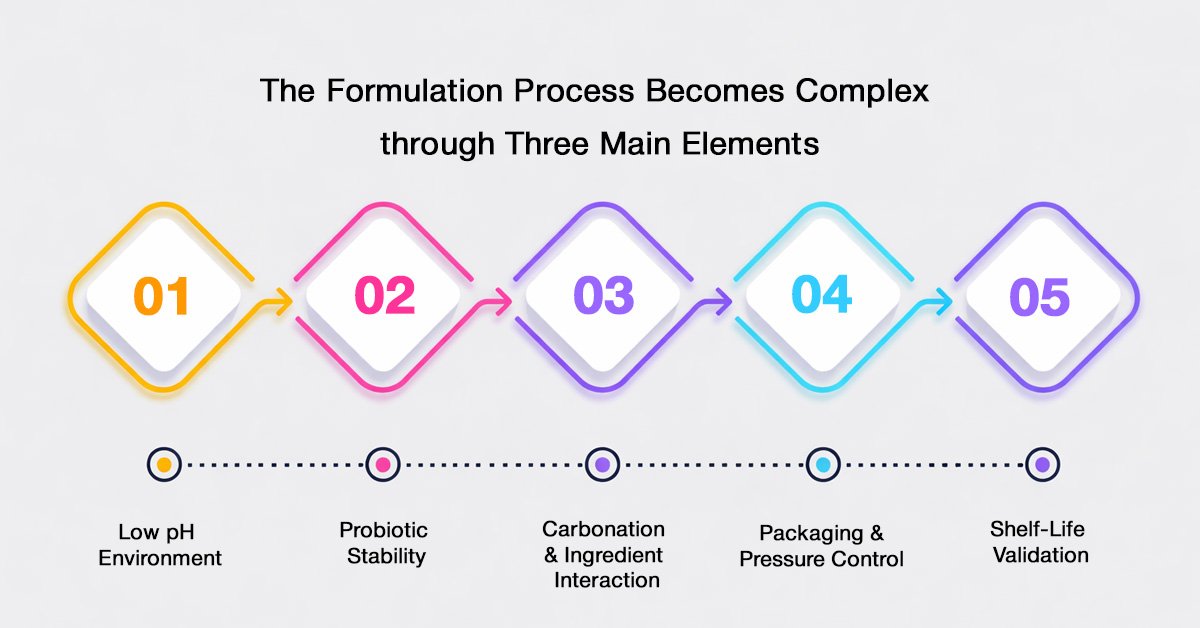
The formulation process becomes complex through three main elements, which include:
Low pH Environment
In their typical pH range, carbonated beverages show a pH level that falls between 3 and 4. Many probiotic strains struggle to survive in acidic conditions.
Probiotic Stability
Live cultures show sensitivity to:
Heat processing
Oxygen exposure
Long storage periods
The process needs to keep the required CFU counts from the start to the end of shelf life.
Carbonation & Ingredient Interaction
The presence of CO₂ affects three aspects of product development, which include flavour intensity, perception and ingredient stability. Excess carbonation creates intense acidity, which results in a harsh taste, while insufficient carbonation creates a flavour that lacks character.
Packaging & Pressure Control
Different pressure levels cause PET bottles, aluminium cans, and glass bottles to respond in distinct ways. Incorrect packaging selection can lead to carbonation loss or product instability.
Shelf-Life Validation
Carbonated beverages require three types of tests, which include stability testing, pressure retention testing, microbial analysis and temperature trials. The omission of this stage results in product failure when it reaches the market.
Founder Pain Points in Carbonated Beverage Development
- The process of selecting an appropriate category results in multiple difficulties.
- The system achieves sugar reduction through its ability to maintain product taste.
- The study examines how probiotics survive in environments with acidic conditions.
- The study evaluates carbonation stability, which lasts between 6-12 months.
What Actually Works
Successful carbonated beverage brands follow a structured approach:
- Clear category positioning
- Science-backed formulation strategy
- Carbonation optimization
- Shelf-life and stability validation
The establishment of a sustainable brand depends on development through structured methods, not through fizz alone.
Market Direction: Where Growth Is Happening
| Segment | Growth Potential | Formulation Complexity |
| Classic Soft Drinks | Stable | Low |
| Low-Sugar Sparkling | Growing | Moderate |
| Functional Carbonated | High Growth | Moderate |
| Probiotic Sodas | Fast Growing | Very High |
| Prebiotic Sparkling | Very Promising | Controlled Risk |
Functional and gut-health carbonated beverages are seen as premium categories in the market right now.
Role of Technical Expertise in Carbonated Beverage Development
Creating a successful carbonated drink demands more than developing its flavour.
The Foodsure team provides support for:
- Developing commercial beverage recipes
- Creating gut health products
- Improving carbonation levels
- Testing product stability and shelf-life
The structured method increases launch success while decreasing risks and enhancing compliance.
Founder Takeaway
The selection process from the entire carbonated beverages portfolio requires a complete understanding of all the available options because this choice determines business success through different functional paths, including sugar and gut health and clean-label fizz. Carbonation poses challenges when combined with probiotics, vitamins and plant-based active ingredients.
Our team uses its expertise in beverage formulation and commercialisation strategy to assist founders with developing their concepts into market-ready products, which brings them a clear understanding of their business goals.
If you’re planning to launch a carbonated soft drink or a functional sparkling beverage, let’s build it right, with science, stability, and scalability at the core.
LAUNCH A FUNCTIONAL FIZZ PRODUCT
Turn Your Carbonated Beverage Idea Into A Market-Ready Product
From carbonation stability and flavour systems to pilot trials and manufacturing scale-up, FoodSure helps beverage founders launch innovative carbonated drinks.
Related Beverage Innovation Insights
- Carbonated Drink Development: How Sparkling Beverages Are Formulated
- Prebiotic Carbonated Drink Formulation for Gut Health Beverages
- Soda Water vs Sparkling Water: Understanding Carbonated Drinks
- Probiotic Carbonated Drinks and Gut Health Beverage Trends
- Clean Label Beverage Development and Modern Drink Trends
FAQs
What are carbonated beverages?
Carbonated beverages refer to beverages that contain carbon dioxide gas, which produces bubbles and creates a fizzy drinking experience.
What are the different types of carbonated beverages with examples?
The various types of carbonated beverages consist of soft drinks, sparkling water, functional carbonated drinks, carbonated juices, energy drinks and fermented sparkling beverages, which include kombucha.
Are carbonated soft drinks unhealthy?
Regular carbonated soft drinks, which contain high sugar content, present health risks, but the market now offers low-sugar and functional beverage alternatives.
What are gut health carbonated drinks?
These sparkling drinks contain probiotics, prebiotics and synbiotics, which function as digestive wellness support products.
Can probiotics survive in carbonated beverages?
Yes, probiotics can survive in carbonated beverages when people select appropriate strains, create suitable product formulas and conduct stability tests for end shelf life preservation.
What is the difference between sparkling water and soft drinks?
Sparkling water consists of carbonated water that contains either no sugar or very small amounts of sugar, while soft drinks contain sweeteners together with flavouring agents.
How do beverage companies ensure carbonation stability?
The company achieves carbonation stability through its methods of controlling CO₂ levels, together with its tests on packaging compatibility and its validation procedures for shelf life and pressure retention.