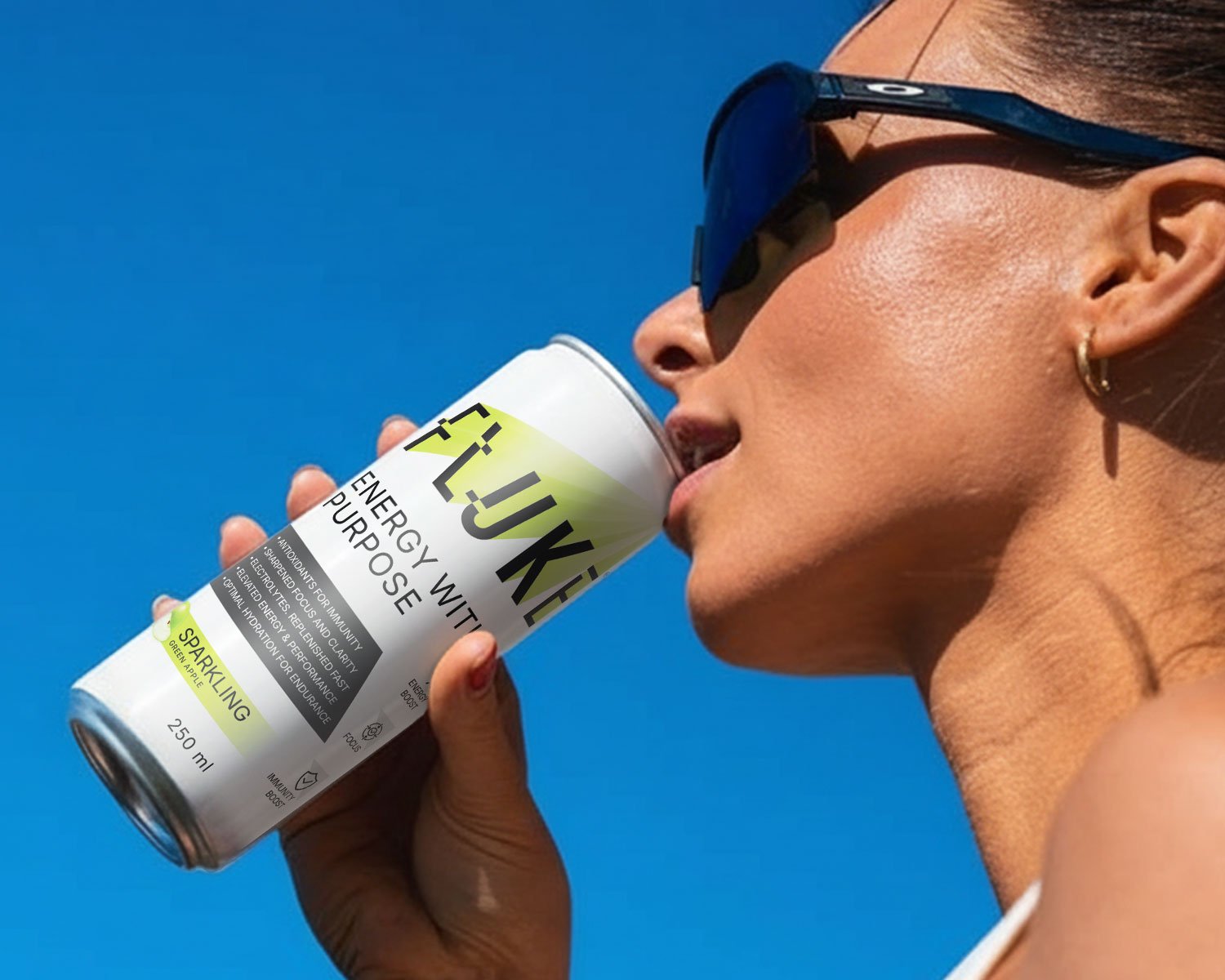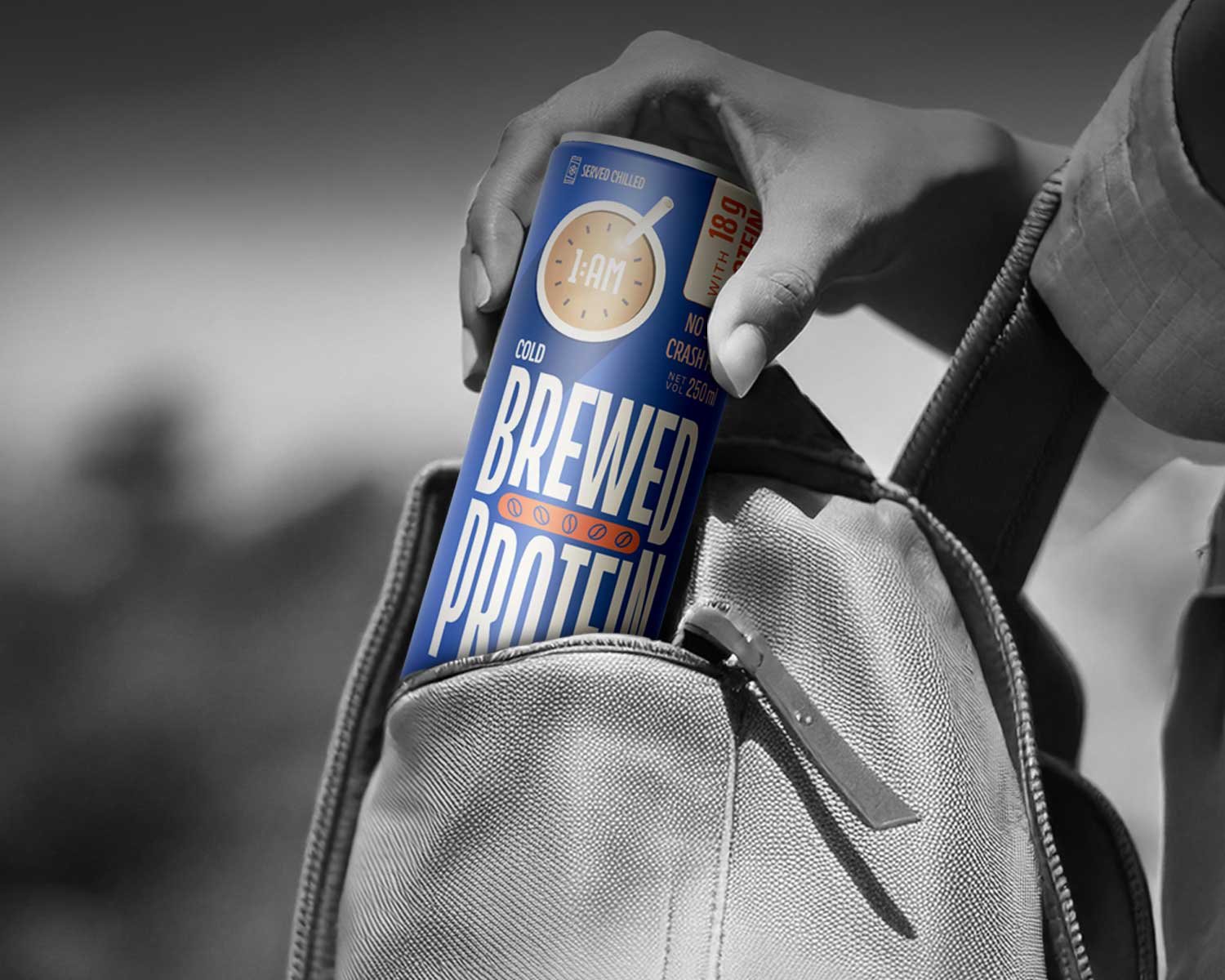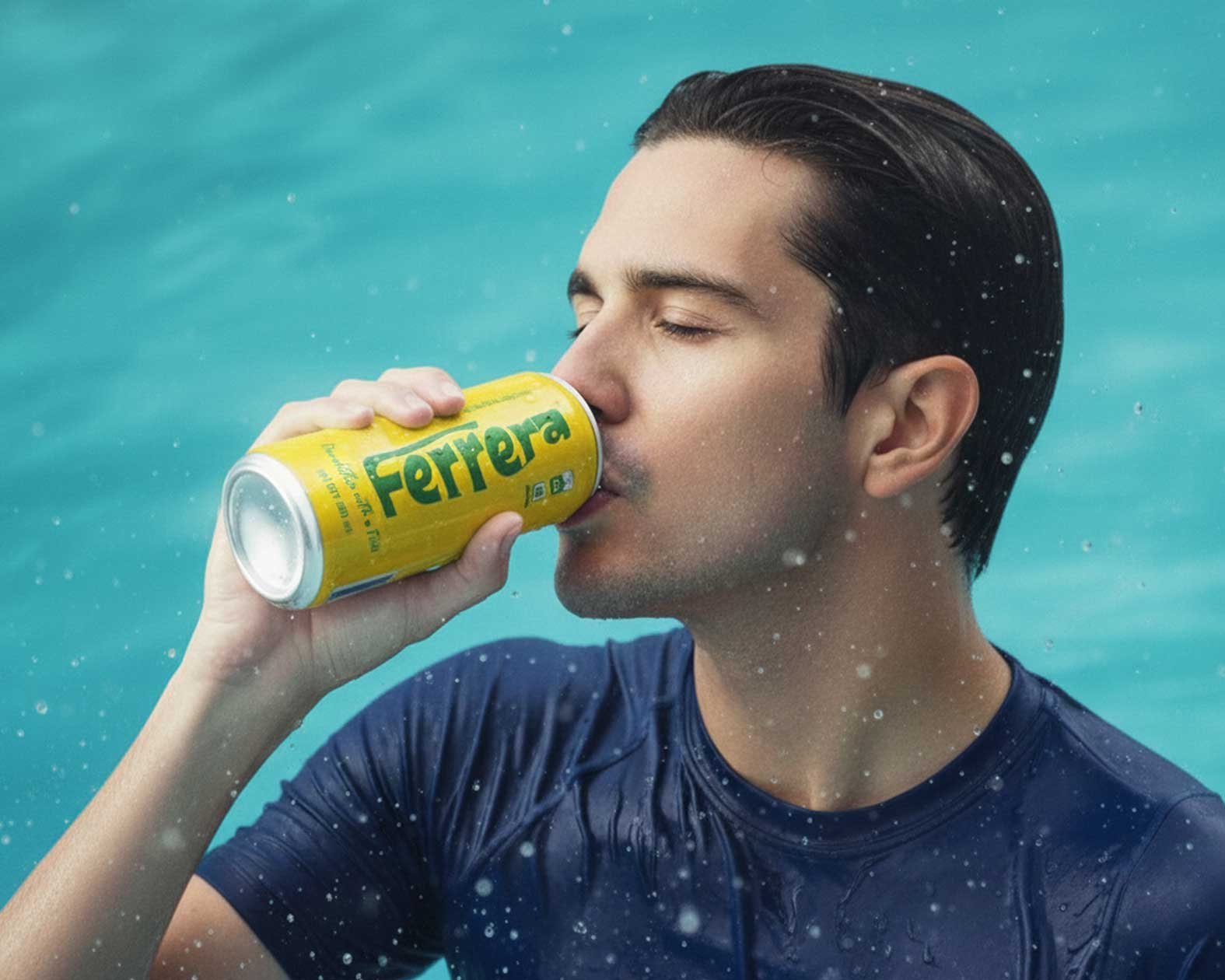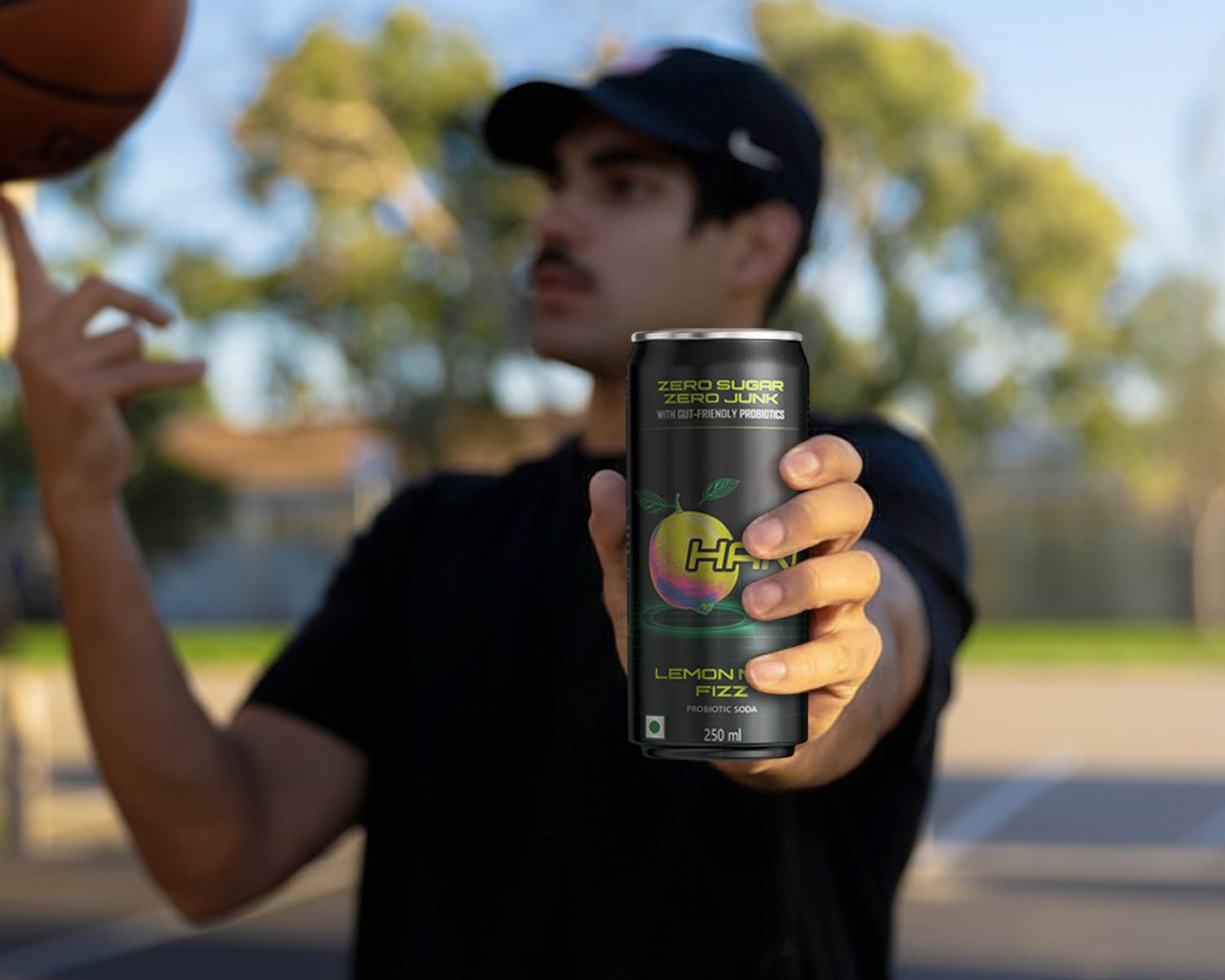
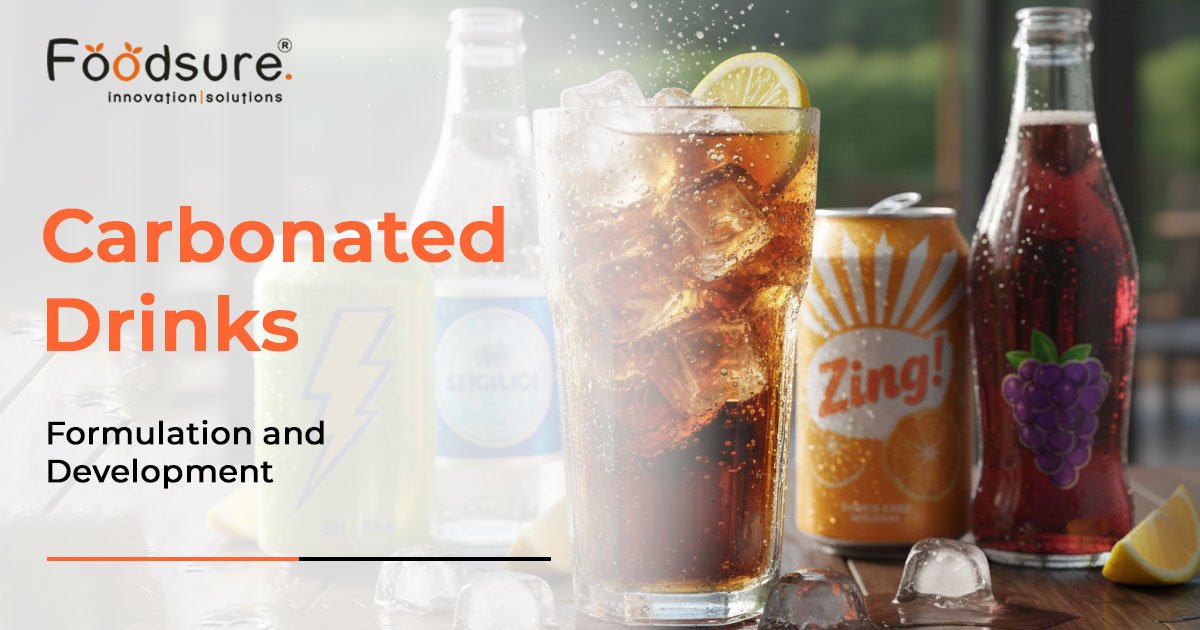
Carbonated drinks, including healthy carbonated drinks and carbonated soft drinks, are some of the most sought-after beverages worldwide. From refreshing sodas to sparkling waters, these drinks offer that iconic fizz that millions crave. But how are these popular drinks created? This guide will walk you through the carbonated drink recipe formulation process and how to develop a standout prebiotic carbonated drink brand.
What are Carbonated Drinks?
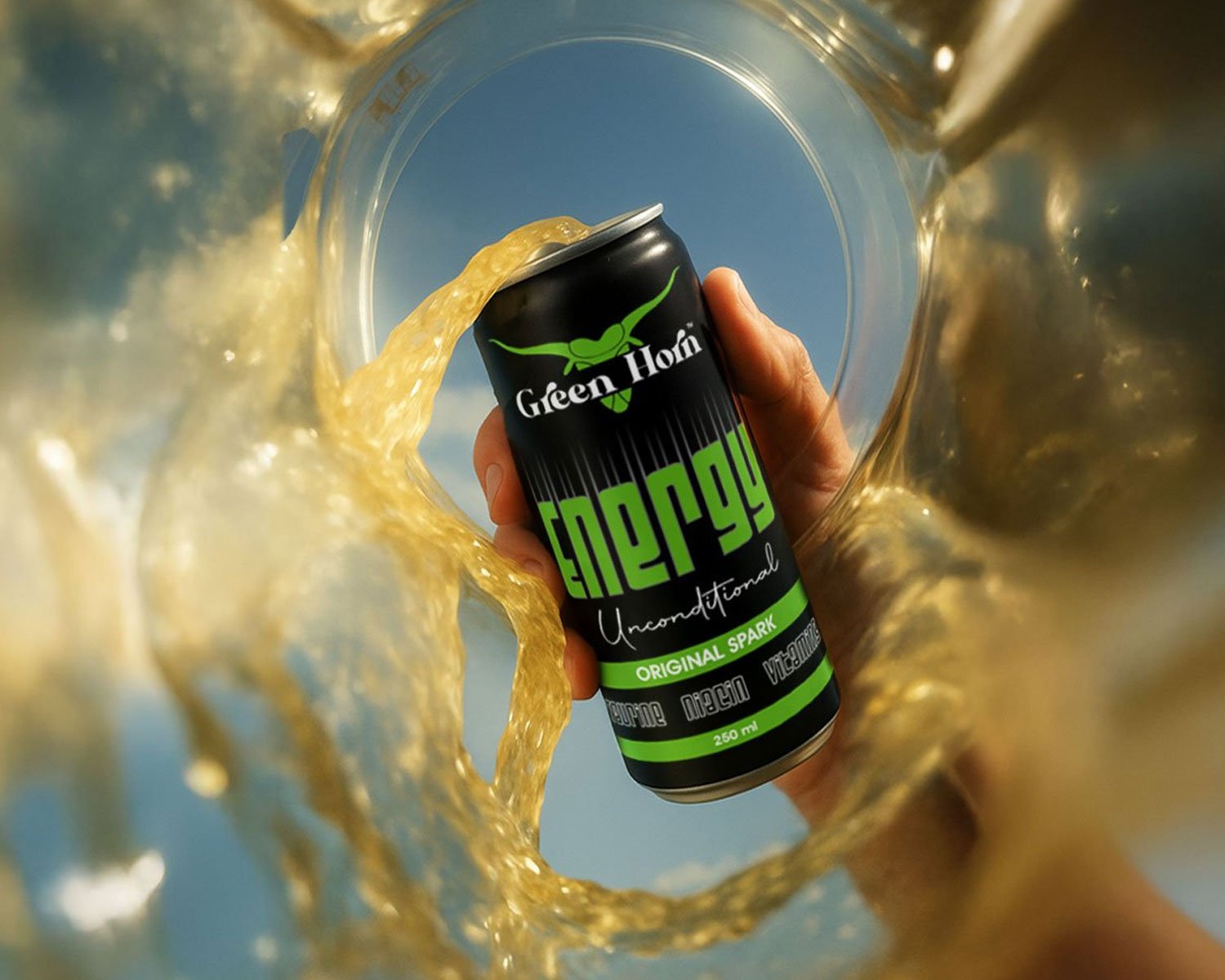
Carbonated drinks, often referred to as carbonated soft drinks, are beverages that get their signature fizz from carbon dioxide gas. The process of infusing carbon dioxide into a liquid forms carbonic acid, creating the refreshing bubbles we love. These drinks come in various flavors, and the carbonation level can vary based on the type of drink.
Why Carbonated Drinks are So Popular
The popularity of carbonated drinks, especially healthy carbonated drinks, lies in their refreshing, effervescent nature. Whether it’s a soda to accompany a meal or a sparkling water to stay hydrated, the fizz is something that adds an extra layer of enjoyment to the drinking experience. Consumers are shifting towards healthier options, and brands are responding by creating prebiotic carbonated drinks that support digestive health.
Formulating the Perfect Carbonated Drink
Creating the perfect carbonated drink isn’t just about adding carbonation to water; it’s about balancing ingredients for taste, texture, and health benefits. Here’s how carbonated soft drinks are formulated to deliver the right experience:
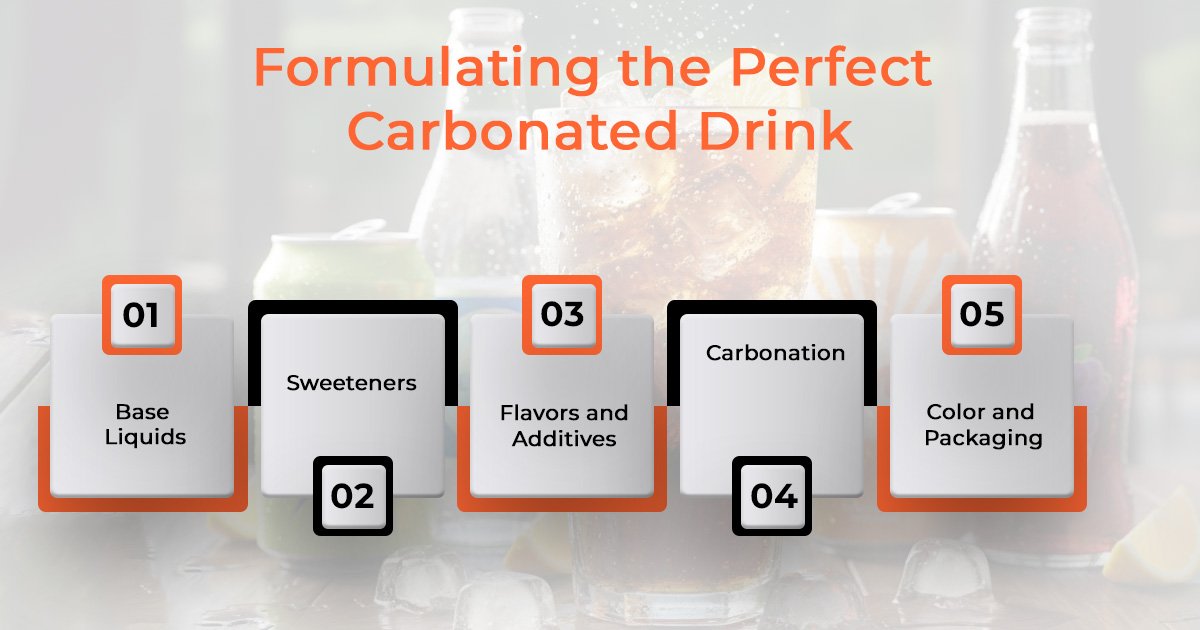
1. Base Liquids
Water is the foundation of any carbonated drink. High-quality water ensures clarity and purity, which is crucial for both aesthetic appeal and taste.
2. Sweeteners
Sweeteners, whether natural or artificial, play a major role in flavoring the drink. With the rise of health-conscious consumers, many are now opting for drinks with low sugar or sugar-free alternatives, making healthy carbonated drinks a popular choice.
3. Flavors and Additives
Flavors are added to give each carbonated drink its unique taste. Whether you’re aiming for fruity flavors or a more herbal, subtle blend, it’s important that your formulation is designed for the specific market. Also, for prebiotic carbonated drinks, adding ingredients that support gut health, like prebiotics and fiber, is becoming increasingly popular.
4. Carbonation
The carbonation process is where the magic happens. Depending on the drink, the level of carbonation is adjusted to provide the perfect balance of fizz. Drinks with higher carbonation levels tend to have a stronger fizzy sensation, which some consumers love.
5. Color and Packaging
The color and packaging of your carbonated drink can have a major impact on its success in the market. For healthy carbonated drinks, transparent packaging or clean labeling often appeals to consumers who are looking for all-natural or organic products.
Recommended Blog – Carbonated Drink Development
Development Process for Carbonated Drinks
Creating a carbonated drink involves several critical steps, from market research to final production. Here’s an overview of the development process:
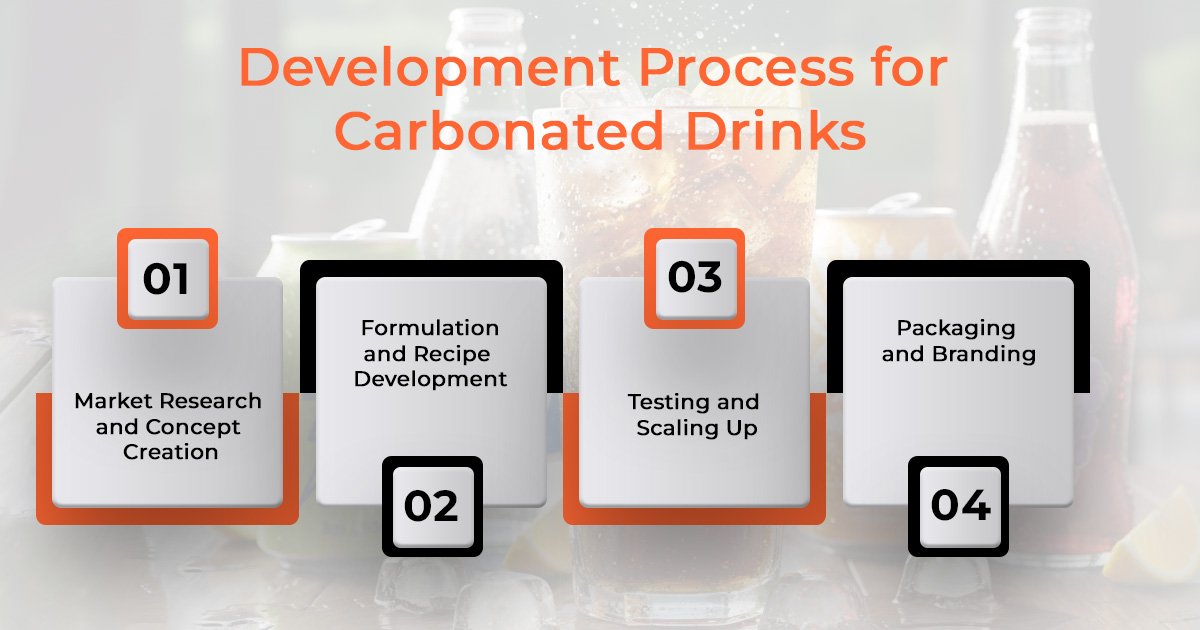
1. Market Research and Concept Creation
The first step is understanding consumer preferences. Market research allows you to understand trends in the carbonated drink sector—whether consumers are looking for prebiotic carbonated drinks or simply a healthier soda alternative.
2. Formulation and Recipe Development
Once the concept is solidified, it’s time to develop the recipe. A good recipe is balanced with flavor, sweetness, and carbonation. Testing different combinations ensures that the final product is both enjoyable and safe to drink.
3. Testing and Scaling Up
After finalizing the formula, small batches are tested for taste, quality, and safety. Once approved, the drink is scaled up for mass production.
4. Packaging and Branding
Packaging plays a key role in the branding of the drink. It needs to reflect the drink’s identity and appeal to the target market. For carbonated soft drinks, bold colors and creative packaging attract attention, while for healthy carbonated drinks, clean, minimalistic designs often work best.
Why Choose Foodsure for Your Carbonated Drink Development?
Foodsure specializes in beverage formulation and development, particularly for carbonated drinks. Our team provides:
- Custom Formulation: Tailored to your brand’s vision.
- Expert Guidance: We help you navigate the complexities of carbonated drink recipe formulation.
- Premium Ingredients: We only use the highest quality ingredients for every batch.
- Efficiency: From initial concept to the final product, we ensure timely and efficient production.
If you’re ready to create your own carbonated soft drinks or prebiotic carbonated drinks, partner with Foodsure for a seamless and professional experience.
Conclusion
Foodsure offers expert carbonated drink formulation services, whether you’re looking to create a healthy, functional drink or a classic carbonated soft drink. Our team helps you craft products that not only meet market demands but also focus on quality and health. Contact us today to begin developing your next big beverage!
FAQs
Q1. What makes a good carbonated drink?
A good carbonated drink balances the right amount of sweetness, flavor, and carbonation. The ingredients should complement each other, and the drink should be refreshing without being overly sweet.
Q2. Can I create a healthy carbonated drink?
Yes! By using natural sweeteners, low-calorie ingredients, and functional additives like prebiotics or vitamins, you can create a healthy carbonated drink that provides both taste and health benefits.
Q3. What ingredients are used in carbonated drinks?
Common ingredients include water, sugar or sweeteners, flavors, and carbonation. For healthy carbonated drinks, functional ingredients like fiber, vitamins, and minerals are also often added.
Q4. How are carbonated drinks made?
Carbonated drinks are made by dissolving carbon dioxide gas under pressure into a liquid. This creates the signature bubbles that make the drink fizzy.
Q5. Are carbonated drinks bad for health?
In moderation, carbonated drinks are generally safe for most people. However, high sugar content can contribute to health issues like obesity and tooth decay, so opting for low-sugar or prebiotic carbonated drinks is a healthier alternative.
Q6. How can I make my own carbonated drink?
Making your own carbonated drink at home is possible with a carbonation machine, but for large-scale production, it’s best to consult a professional like Foodsure to ensure quality and safety.
Q7. What makes prebiotic carbonated drinks special?
Prebiotic carbonated drinks contain ingredients that promote gut health by supporting the growth of beneficial bacteria in the digestive system.
Q8. How often can I drink carbonated drinks?
Moderation is key. One serving a day is typically fine for most people, but excessive consumption may lead to digestive issues or other health concerns, especially with sugary drinks.
Q9. Can carbonated drinks help with hydration?
Yes, carbonated soft drinks can help hydrate, but it’s important to choose drinks that are low in sugar and high in water content for optimal hydration.
Q10. What should I avoid in a carbonated drink?
Avoid drinks with excessive sugar, artificial colors, and unclear ingredient labels. Choose products with clear, clean ingredients and balanced formulations.