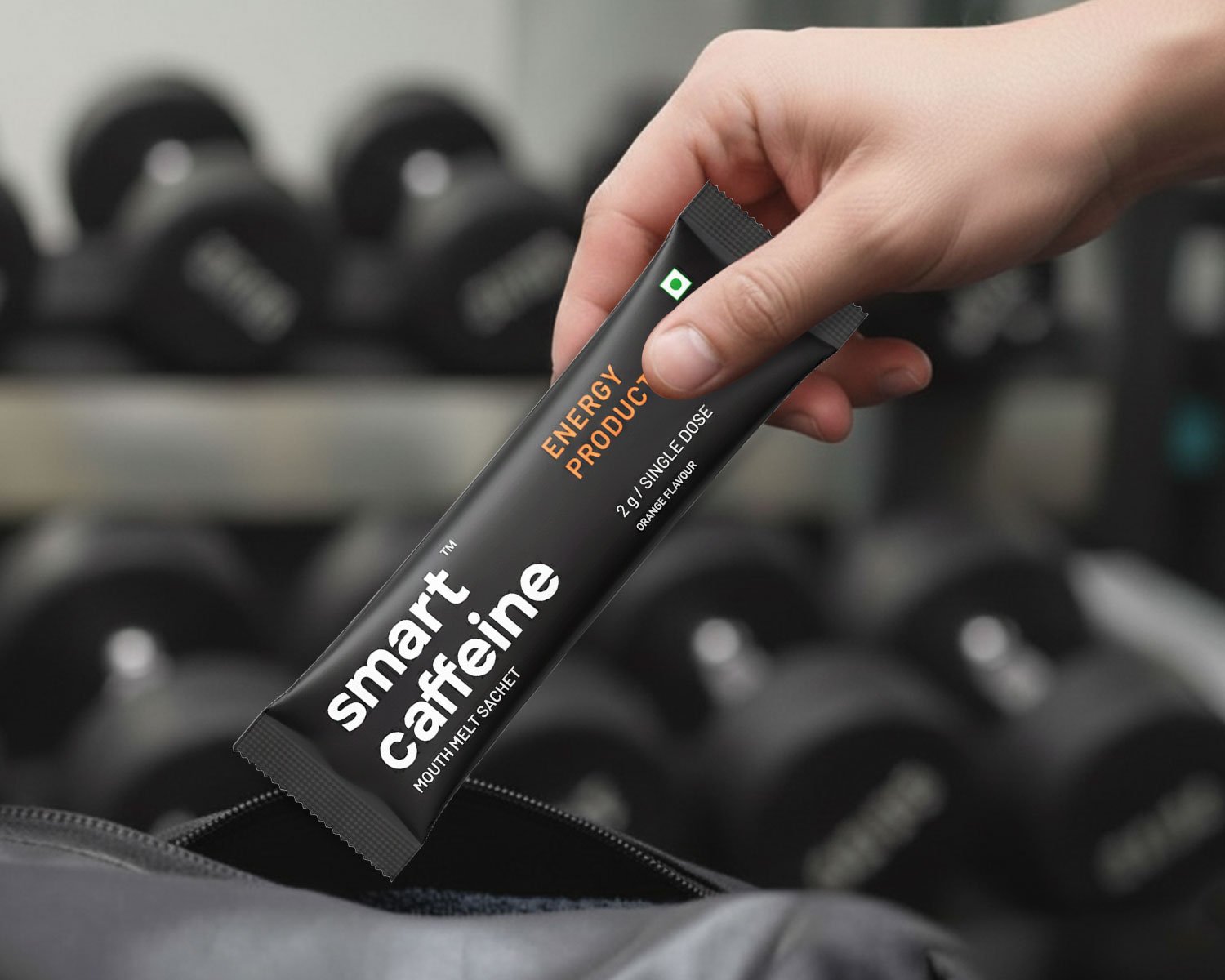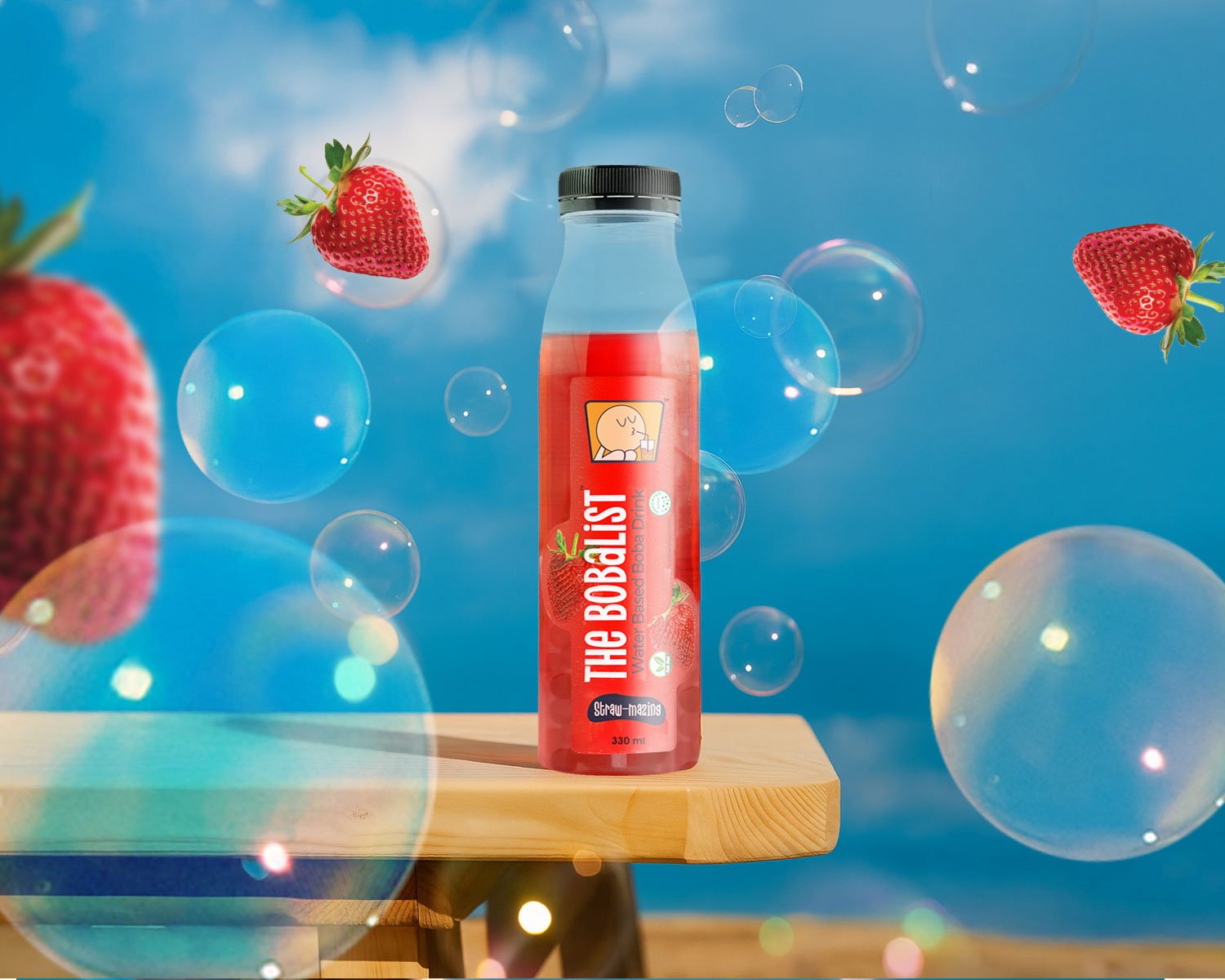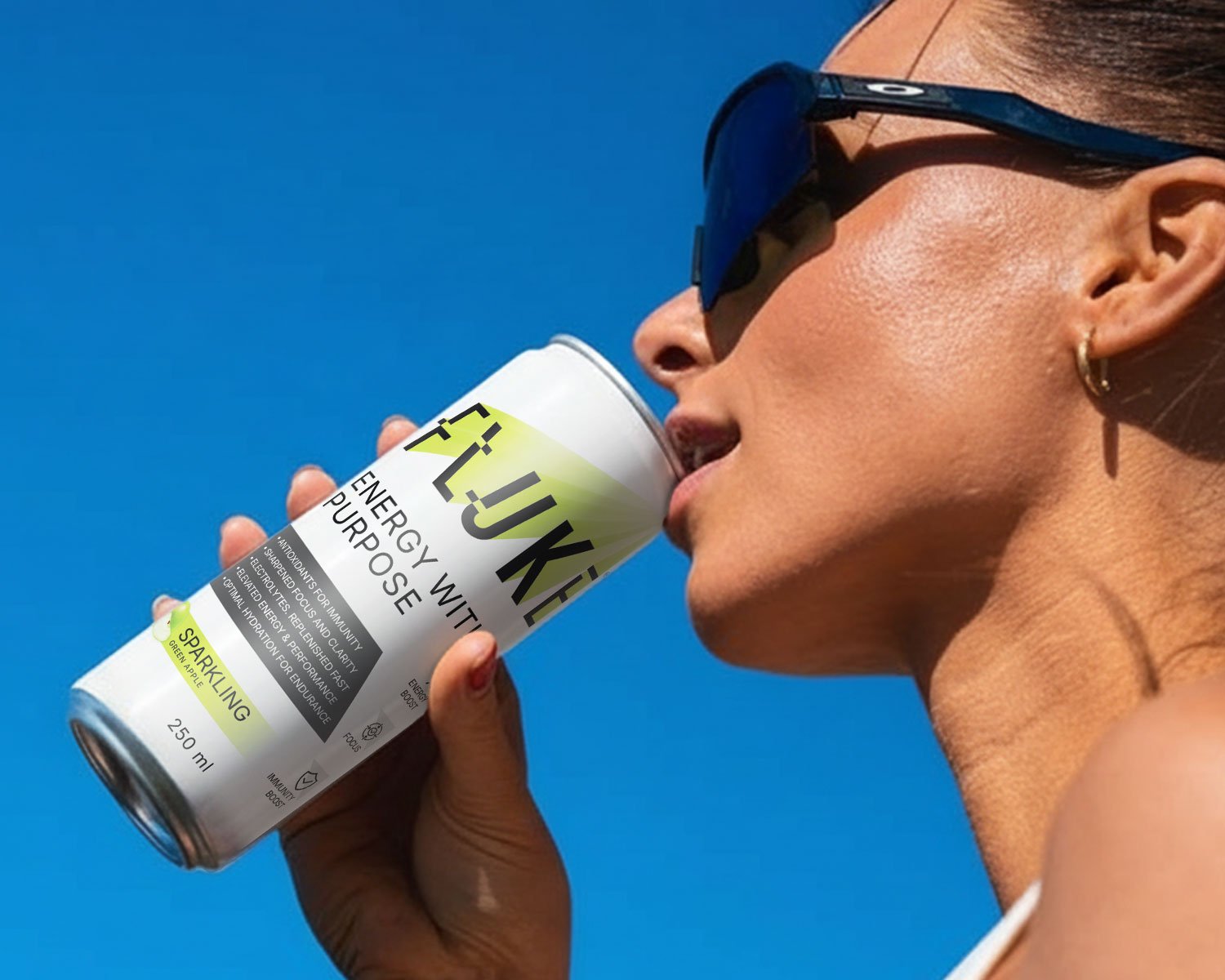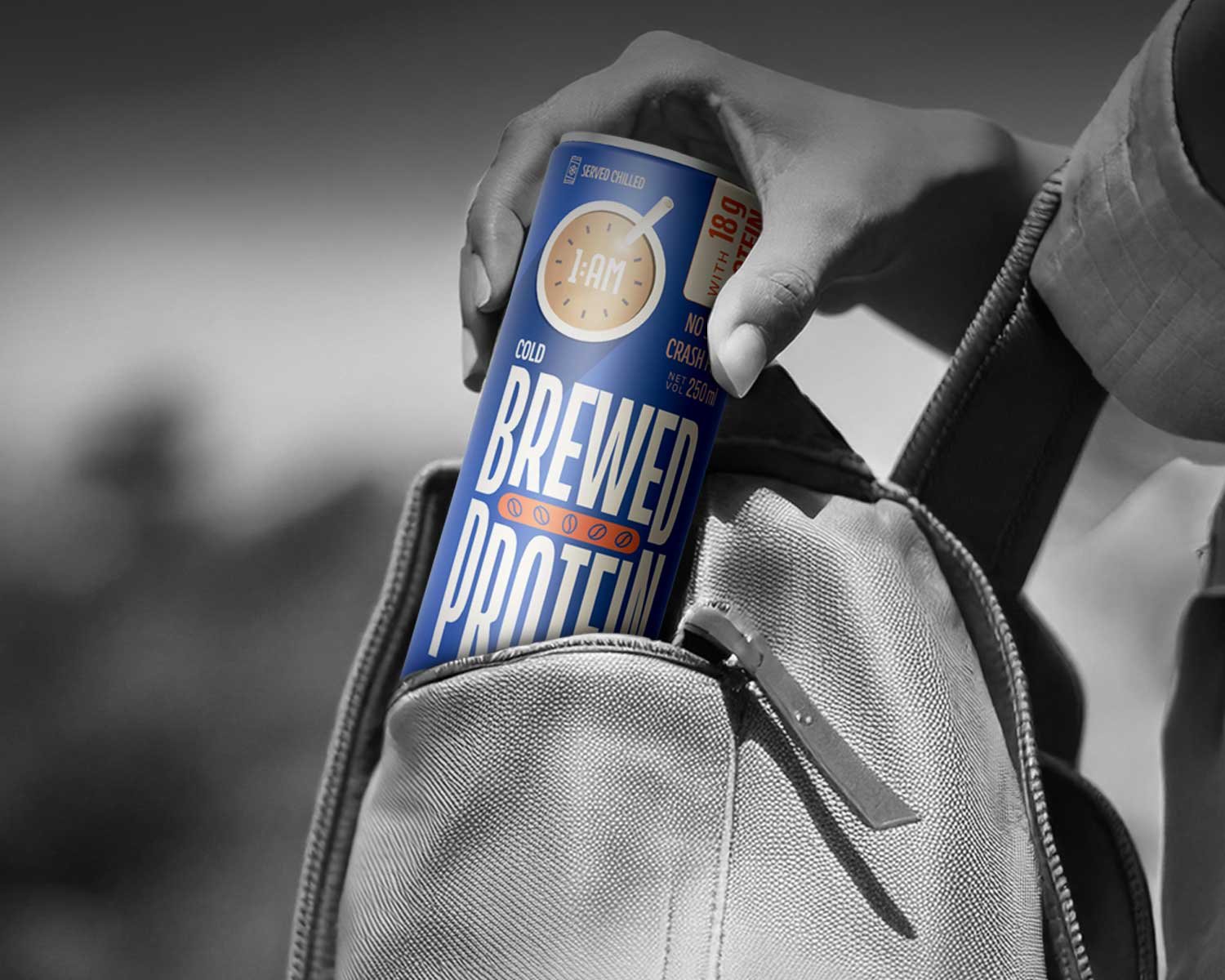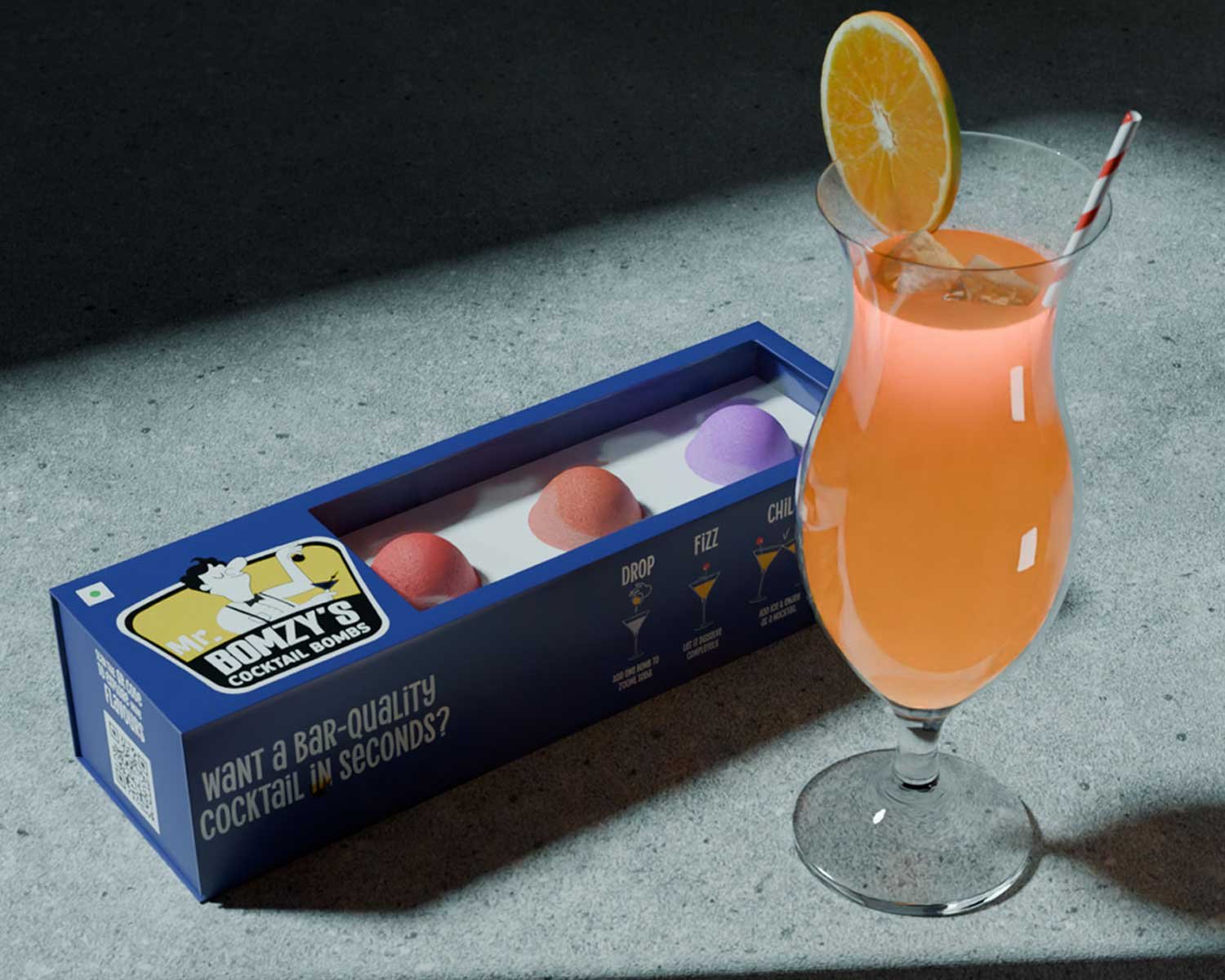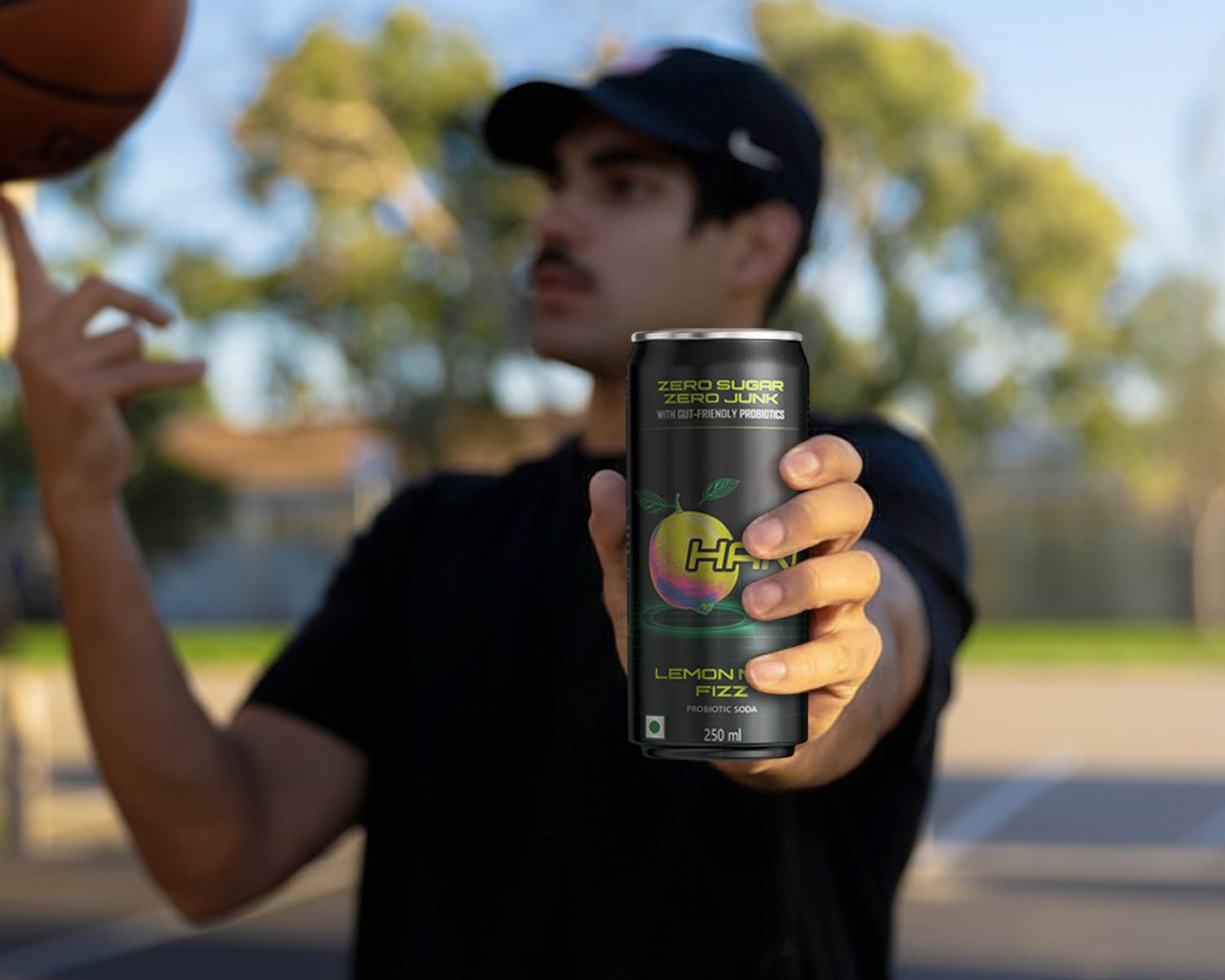
The Indian beverage market in 2026 experiences changes because consumers increasingly check ingredient lists while they reject artificial additives. The demand for products has grown because consumers now prefer clean-label energy drinks and clean-label sparkling beverages in India, and juice with no preservatives.
Brands need to provide transparent information about their products while they follow FSSAI labelling regulations to meet customer requirements. The 2026 clean-label standards require beverage labels to display specific information.
Clean Label Beverages: What the Term Means in India
In India, clean label beverages do not have an official definition from regulators because consumers demand beverages that contain visible ingredients and straightforward ingredient lists.
| Feature | Meaning |
|---|---|
| Simple Ingredients | Short, easy-to-understand ingredient lists |
| No Artificial Additives | No artificial colours, flavours, or preservatives |
| Transparent Labels | Clear ingredient declaration for consumers |
Why consumers prefer them:
- Health awareness
- Demand for natural drinks
- Consumer interest in clean-label energy drinks, no preservatives juice, and clean-label sparkling beverages in India.
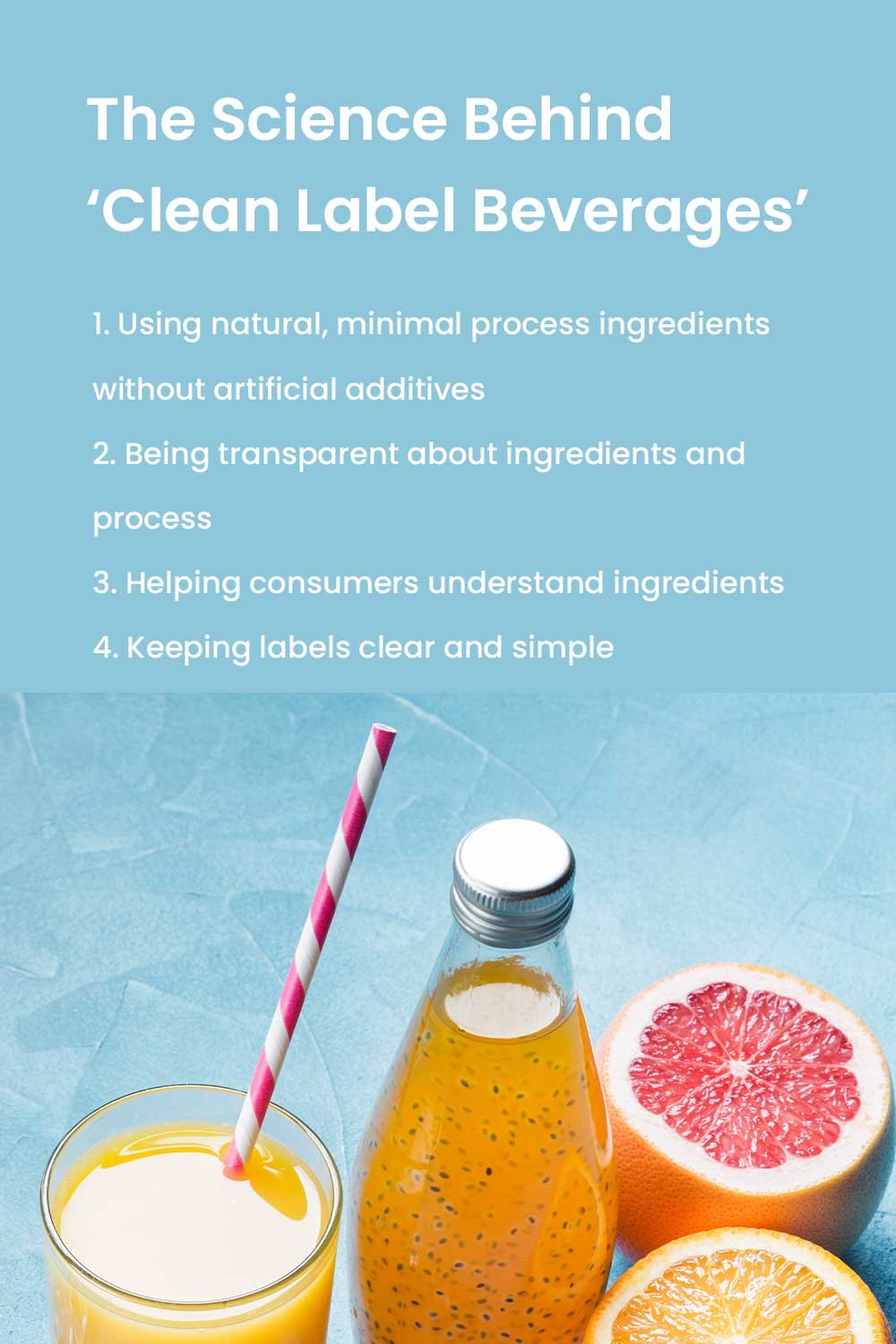
The Science Behind Clean Label Beverages
To meet consumer demand for transparency, brands developing clean-label beverages follow science-backed practices:
- Natural ingredients: Use minimally processed ingredients that lack artificial colours, flavours and preservatives.
- Transparency: The company needs to show complete details about its ingredient sources and its manufacturing methods.
- Consumer education: The program needs to explain basic ingredient information, which people usually misinterpret, so they can trust the product.
- Simple labelling: The organisation needs to create product labels that contain essential information in a format that customers can easily understand.
The practices that you described help create products such as clean-label energy drinks, no-preservatives juice and clean-label sparkling beverages in India because they help companies meet government requirements.
Essential FSSAI Labelling Requirements for Beverages in 2026
According to the regulations of the FSSAI 2026, the clean label beverages, functional drinks, or any other beverage shall contain the following information on the label:
- FSSAI Logo and License Number: Your label should indicate the FSSAI logo and the 14-digit license number. This shows that your product, be it clean label energy drink, no-preservatives juice and other drinks, complies with food safety standards in India.
- Name of the product: The name should be clear and explanatory of what the drink is, such as Fruit Juice with Herbal Extracts or Low Sugar Lemon Water. This is particularly necessary in the category like clean-label sparkling beverages in India so that the product does not deceive or give the buyers a wrong impression.
- Ingredient List: Add all ingredients in their descending order of usage, from the most to the least amount used. When you add food additives, include their INS numbers (e.g. citric acid = INS 330). These numbers have to be mentioned even in the case of creating clean-label beverages with natural additives or a clean-label cloudifier.
- Nutrition Facts: Provide values of:
- Energy (kcal)
- Protein
- Total carbohydrate and sugar
- Total fat
- Sodium (if applicable)
Consumption of values in 100 ml or per serving.
- Net Quantity: Indicate the volume in mL or litres.
- Date of manufacture and Expiry Dates: Include the date of manufacture as well as the date of best before or use by date.
- Manufacturer and Marketer Information: Print the name and full address of the manufacturer, packer or marketer.
- Batch Identification Number, Date of Marketing, and Country of Origin: This will assist in tracking the product in case there are any problems in future.
- Storage Instructions: It is particularly important when you have a drink that has no preservatives, juice formulations or few additives. Instruct consumers on storage (e.g., refrigerate after opening).
- Vegetarian / Non-vegetarian Symbol: A green or brown dot within a square indicates whether your product is veg or non-veg, depending on the source of its ingredients.
Common Mistakes that Affect FSSAI Approval
- Choosing the wrong font type and size: The FSSAI readability guidelines require the labels of clean label beverages, which include clean label energy drinks and no preservatives juice, to use specific font types and sizes.
- Not adhering to logo dimensions or colour: The FSSAI logo and license number must follow the specified size and colour requirements.
- Not using enough contrast in packaging: Poor contrast makes it difficult to read both ingredient lists and nutrition facts.
- False advertising and misleading labels: The claims on clean-label sparkling beverages in India and other drinks must accurately represent their actual formulation.
- Incorrect or misleading front-of-pack nutrition information: The nutritional information shown on the package front must exactly match the values present in the nutrition panel declaration.
Get FSSAI-Ready Clean Label Beverages With Our Formulation Experts
We assist brands in creating clean-label beverages that maintain their pure product attributes while meeting all requirements for safe consumption. Our team assists in the entire process of beverage creation, starting from ingredient selection and label development until all necessary regulatory approvals are obtained.
- Natural ingredient selection for products like clean label energy drinks, no preservatives juice, and clean label sparkling beverages in India
- Additive-free beverage formulation guidance, including alternatives such as clean label cloudifier
- Label review and FSSAI compliance support
- Product claims that meet FSSAI regulatory checks

Let’s bring your clean label vision to life—responsibly and legally. Contact us now!
Frequently Asked Questions
What do we mean by clean-label beverages?
Clean label drinks refer to beverages prepared using simple and familiar ingredients with little or no artificial additives.
Why are consumers shifting towards clean-label beverages?
Consumers prefer transparency, ingredient trust, and products perceived as safer and healthier for long-term consumption.
What is clean label energy drink?
A clean-label energy drink is made with natural sources of caffeine, has fewer additives, and the company clearly labels the ingredients.
How do clean-label beverages achieve shelf life without preservatives?
Shelf life is maintained through pH control, thermal processing, aseptic packaging, and carefully selected natural preservation systems.
What do we understand by clean-label sparkling beverages in India?
In India, clean-label sparkling beverages are also carbonated soft drinks that are prepared using natural flavours, simple ingredients, and no artificial preservatives.
What does it mean by clean label cloudifier of drinks?
A clean-label cloudifier is a natural ingredient that is used to achieve a cloudy drink with no artificial additives.
Do we not have any preservative juice products, as it is permitted by FSSAI?
Yes, no preservative juice products may be sold in FSSAI, provided that they comply with safety, labelling, and shelf-life regulations.
What are the clean-label beverages in India?
Clean label in India is generally perceived to be drinks that are made using simple ingredients, are clearly labeled and have undergone limited processing.