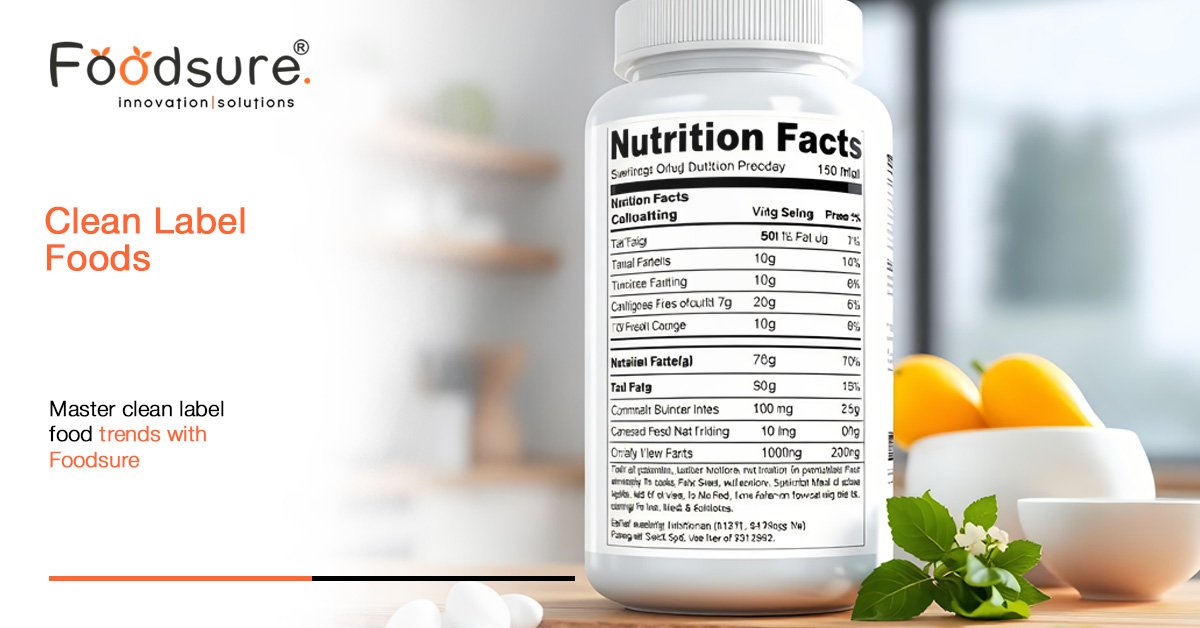
The need for people to become open now stands as an essential requirement. The majority of people now prefer to read food package information instead of watching the morning news. The market for Indian food brands is changing because more people want clean label foods. At Foodsure we understand that “Clean Label” functions as a marketing term but it actually represents a commitment to deliver products that meet safety and simplicity standards. The Clean Label Certification process in India requires brands to understand its requirements in order to establish consumer trust before 2026.
This blog explains the certification process which includes certification requirements and contemporary dining practices that influence our food choices.
You May Also Like: Clean Label Food Formulation
Defining the “clean standard”: the rise of clean labels
The Food Safety and Standards Authority of India (FSSAI) does not yet have a single legal definition for “Clean Label.” The business definition of clean label products refers to items that contain ingredients which are natural and simple for consumers to understand and which have not undergone excessive processing.
The clean label of a product requires three specific conditions to be fulfilled.
- Transparency: means having a short and easy-to-read list of ingredients.
- Purity: means that there are no artificial colours, preservatives, or additives in it.
- Authenticity: Ways of processing that keep the food’s natural flavour.
The Clean Label Certification Journey in India
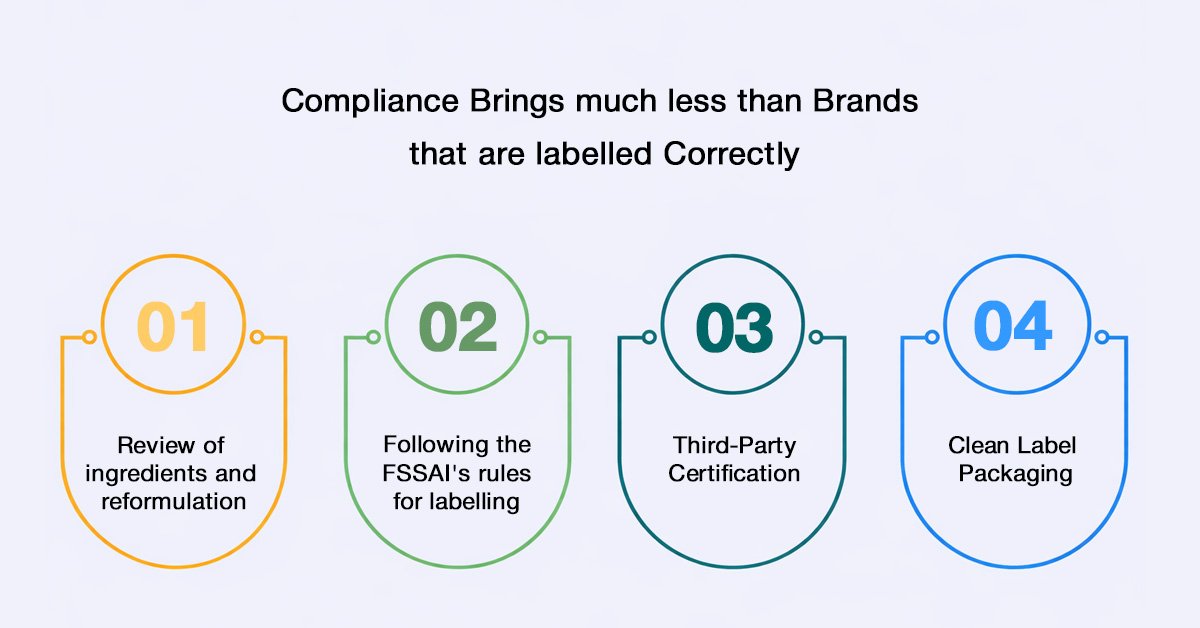
The Food Safety and Standards Authority of India (FSSAI) is in charge of the rules for “Labelling and Display.” But to get a “Clean Label” stamp, you usually need proof from a third party to back up claims like “100% Natural” or “No Added Preservatives.”
1. Review of ingredients and reformulation
First, you need to really look at your recipe. You cannot use artificial stabilisers or shelf-life enhancers if you want a clean label. You must use clean label ingredients that work instead. Using Cultured Dextrose or Vinegar instead of Calcium Propionate, for example, makes the statement clearer.
2. Following the FSSAI’s rules for labelling (2020-2025)
Before a third party will verify your product, it must meet the most recent FSSAI standards. In 2026, FSSAI made the rules for “Front-of-Pack Labelling” (FOPL) stricter.
Brands must make sure
- that allergens are clearly listed in a separate box.
- The nutritional information is shown for every 100g or 100ml.
- Lab reports from NABL-accredited facilities must back up claims like “Preservative Free.”
3. Third-Party Certification (The “Clean Label Project”)
A lot of Indian brands work with international groups like the Clean Label Project or local experts to do “Gap Assessments.”
- Gap Assessment: It includes assessing the current formulation you have in relation to prevailing clean label attitudes worldwide.
- Testing for Heavy Metals and Pesticides: Clean label certification usually means testing for hundreds of industrial pollutants, which is not the same as regular FSSAI tests.
- A verification audit: It is a check by a third party of your factory to make sure there is no cross-contamination.
4. Clean Label Packaging
The certification process requires the use of clean label packaging for its assessment. People today believe that “clean” products provide environmental benefits. The requirements include using recyclable films and pouches that decompose naturally and materials which do not contain BPA. Your packaging needs to protect food products while displaying your brand’s clean design philosophy through its basic design and visible icons.
Clean Label Food Trends for 2026
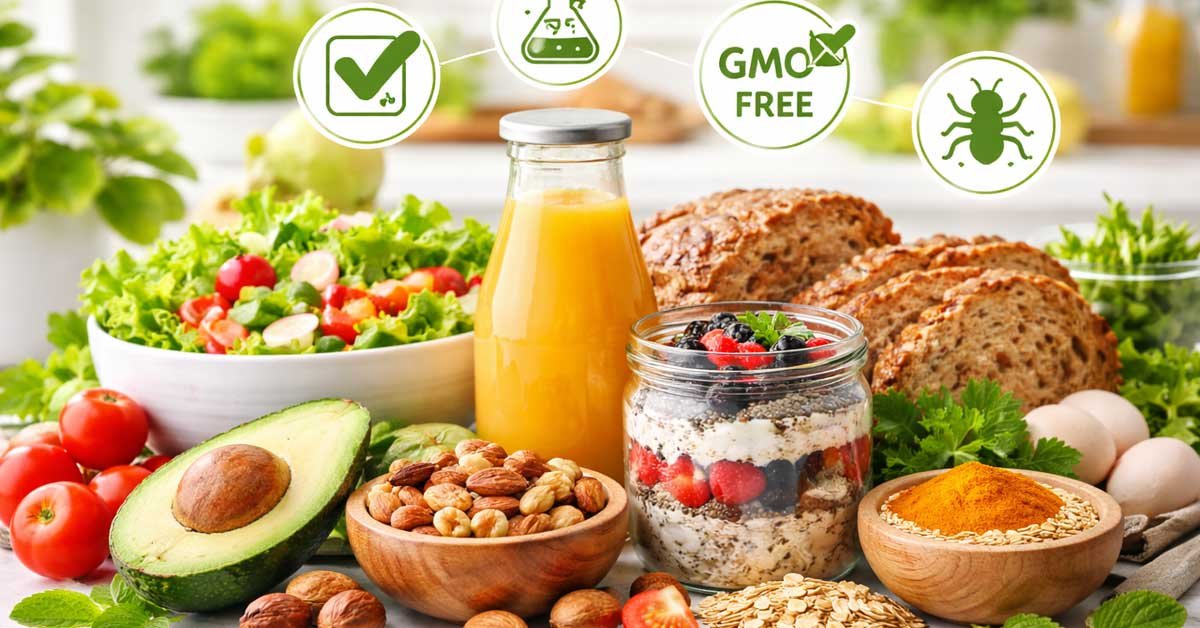
These days, the Indian market is seeing a whopping increase in “Label Literacy.”
- Natural Food Certification India: People are asking more and more for a single “Natural” seal, like the Jaivik Bharat logo for organic foods.
- The Rise of “Free-From”: Preservative free foods are no longer just juices. We are seeing “clean” versions of instant noodles, frozen snacks, and even Indian sweets that are made in the traditional way.
- Functional Clean Labels: People want more than just “no chemicals.” They want “extra benefits.””Think of snacks with pea protein or drinks with natural prebiotics that are good for your gut.
Why Foodsure is Your Partner for Natural Food Certification in India
The Clean Label Certification process in India creates challenges that make it difficult for people to navigate. The road to a clean label is hard because you have to find the right ingredients and make sure you follow all the rules. At Foodsure we provide specialized services in different fields.
- Finding Ingredients: We help you find clean label ingredients that are high quality and don’t affect taste or shelf life.
- Recipe Reformulation: Our food technologists turn regular recipes into clean-label works of art.
- Regulatory Help: We make sure your brand stands for honesty by helping you file with FSSAI and get ready for a third-party audit.
Summary of Clean Label Criteria
|
Feature |
Conventional Food |
Clean Label Food |
|
Ingredients |
Complex, chemical names |
Simple, kitchen-cupboard ingredients |
| Additives | Artificial colors & flavors |
Plant-based colors & natural extracts |
|
Preservatives |
Synthetic (e.g., Benzoates) |
Natural (e.g., Rosemary extract, fermentation) |
| Packaging | Standard plastics |
Sustainable/Eco-friendly materials |
Conclusion
Moving to clean label foods is a smart move for the future of your brand. A clean label is the best way to stand out in a market like India, where the middle class is becoming more health-conscious. It shows your customer that you care about their health as much as they do.
Ready to clean up your product line?
Contact Foodsure at +918130404757 today for a consultation on how to reformulate your products and achieve Natural Food Certification in India.
FAQs
Does FSSAI give out an official “Clean Label” certification?
No, FSSAI doesn’t give out a specific “Clean Label” certificate. Instead, it is a standard set by consumers that is checked by FSSAI and third-party audits.
What ingredients are not allowed at all in clean label foods?
Clean label foods can’t have synthetic colours like Tartrazine, artificial preservatives like Sodium Benzoate, or starches that have been chemically changed.
What does FSSAI do to control claims that a product is “natural” or “preservative-free”?
Starting in 2026, FSSAI will require scientific evidence and lab reports from NABL-accredited facilities to support any claims that a product is “natural” or “no preservatives.”
If a product lasts a long time, can it still be a clean label?
Using natural antioxidants like rosemary extract or advanced packaging technologies instead of chemical preservatives can help brands keep their products on the shelf for a long time.
Why is it important for certification to have clean label packaging?
The brand’s commitment to sustainability and openness is shown by the fact that clean label packaging keeps the food free of chemical leaching (BPA-free).