Clean Label Food Formulation: What the Science Really Says

Posted On

Share This Post

Get Started

    Clean Label Food Formulation

    Clean label food formulation has grown from a niche idea into a new standard in product development. It is about making food products that are not only safe and good to eat, but also honest and easy to understand. Nowadays, consumers want proof that what they are eating is clean, safe, and proven by science. But what does “clean” mean from a food science point of view? And how can food brands meet this demand without losing product quality?

    Let’s break down what clean label food recipe formulation really involves, and how brands can make the shift the right way.


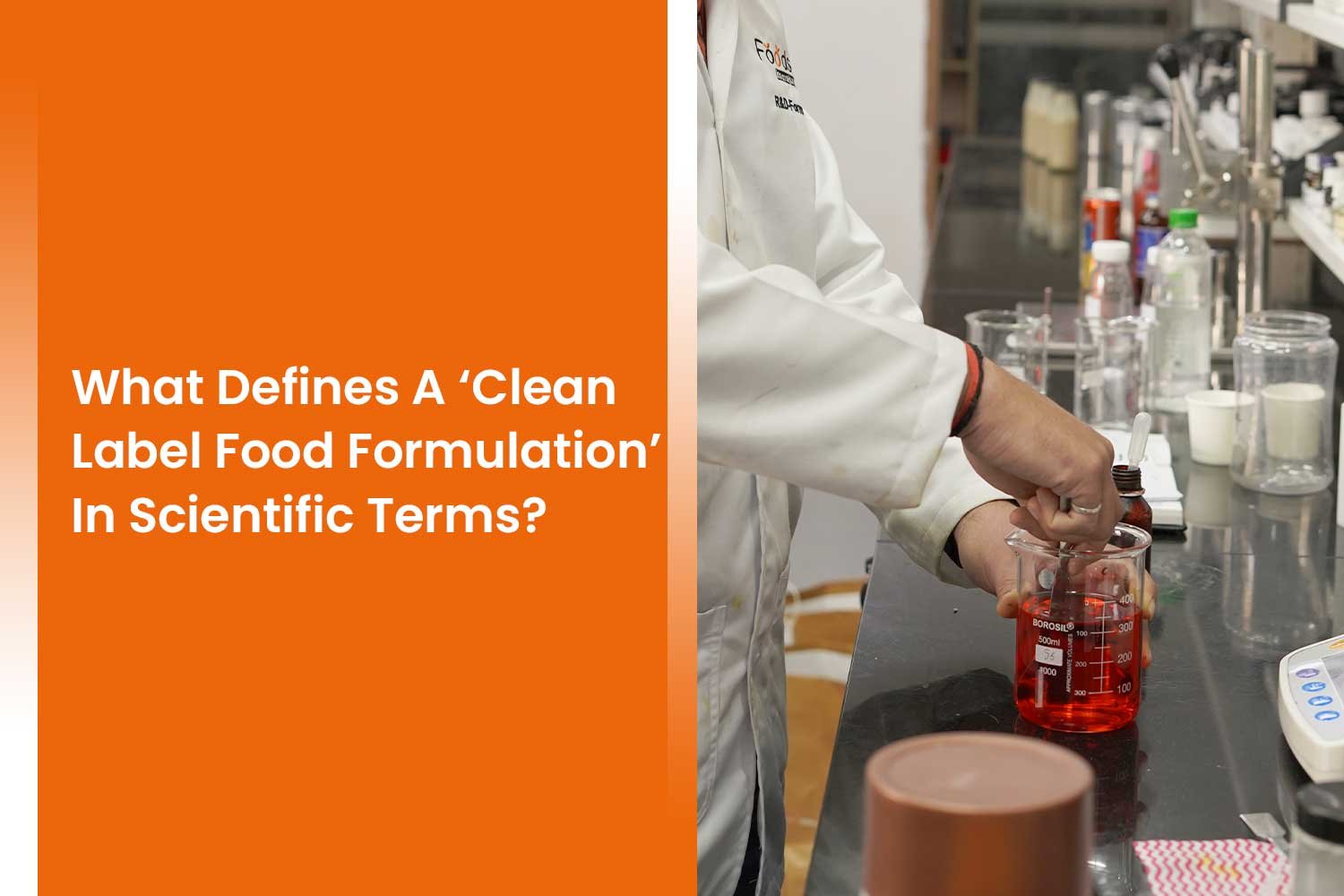
    What Defines A ‘Clean Label Food Formulation’ In Scientific Terms?
     

    What Defines A ‘Clean Label Food Formulation’ In Scientific Terms?


    “Clean label” does not just mean “natural.” It means using ingredients that are safe, functional, and recognizable, and not using harsh chemicals or synthetic additives. But it also means making sure that the food product stays safe for a longer time. It includes the understanding of scientific terms like pH, water activity, and how different ingredients work together to avoid spoilage. According to FSSAI, the clean label ingredients should be classified properly regarding their source to meet the consumer expectations and regulatory standards. 


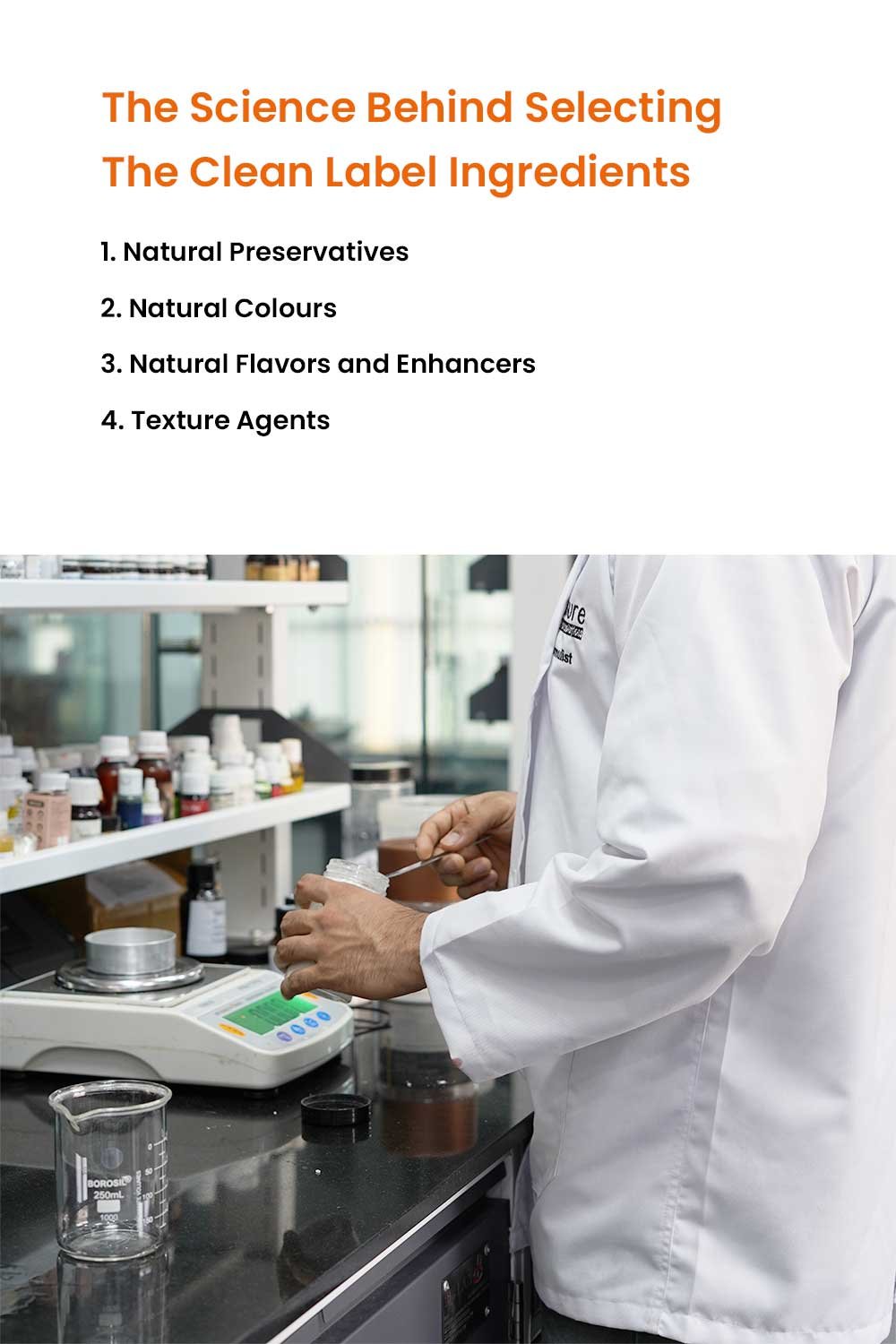
    The Science Behind Selecting The Clean Label Ingredients

    Clean label food development is the replacement of scientific additives with natural ones that work properly in the environment. The selection of ingredients should be properly tested for safety, stability, and taste of the clean label food formulation. These clean label ingredients work as:


    The Science Behind Selecting The Clean Label Ingredients


    1. Natural Preservatives

    Food formulation experts use natural preservatives to keep food fresh without synthetic preservatives. These come from fermentation and help control bacteria in products like sauces and dressings. Others, like rosemary extract or green tea, also help prevent spoilage by fighting oxidation. But natural preservatives usually cover fewer types of microbes, so food scientists combine them with other methods, like lowering pH or reducing moisture, to create a full safety system. This is known as “hurdle technology.”


    2. Natural Colors

    Plant-based colours like beetroot or turmeric are mostly used by the food formulation experts as firstly their appearance and taste are familiar to consumers, and also these natural colors are functional for the consumers’ body. But these natural colours can break down under heat, light, or during storage. To fix this, food formulation technologists use advanced techniques like encapsulation, a process that protects color molecules in a coating so they stay stable longer and look better throughout the product’s shelf life.


    3. Natural Flavors and Enhancers

    Artificial flavors like MSG need careful planning when they are replaced. Ingredients like mushroom extract, seaweed, and yeast extract can bring in natural umami flavors, but they can also create unwanted tastes if not balanced correctly. Food recipe formulation consultants do sensory trials to adjust levels and sometimes combine them with acids or sweeteners to make their flavor perfect.


    4. Texture Agents

    Natural emulsifiers like sunflower lecithin, acacia gum, and oat fiber require adjustments like oil-water ratio and mixing methods. Native starches from rice or tapioca are good for thickening, but they can break down when frozen or reheated unless processed in specific ways. So, getting clean label textures right means reformulating the recipe.


    Making Sure The Labels Of The Ingredients Are Legal

    The most important part of the clean label food recipe development is how ingredients are shown on the package. As per the law, the heavily processed ingredients will not be considered as “natural”, even if they are naturally sourced.

    Here’s what food startups need to keep in mind:

    • FSSAI (India): Ingredient names must be clearly stated. Claims like “natural flavor” need to be scientifically proven.
    • Europe (EFSA): Some plant-based E-numbers may still be used, but consumer perception can vary.
    • U.S. (FDA): GRAS status still requires safety evidence, even for natural ingredients.

    That’s why experienced food formulation consultants work closely with regulatory experts from the start to avoid costly errors later on.


    Do Clean Labels Mean Lower Quality? Not Always!
     

    Do Clean Labels Mean Lower Quality? Not Always


    Many people think clean label means the product won’t taste or perform properly. But with the right science, clean-label food recipe formulation can match, or even improve on, traditional versions. Instead of using one chemical to do many jobs, formulators build systems with multiple natural ingredients to get the same effect.

    For example, a plant-based drink might use sunflower lecithin and native starch to keep the texture smooth without synthetic emulsifiers. This kind of beverage recipe formulation needs real testing, like checking how it holds up over time or under heat, but when done well, it works. Clean label is not about cutting corners. It’s about using advanced tools.


    Clean Label Product Development- Expert Consultant Strategies
     

    Clean Label Product Development- Expert Consultant Strategies


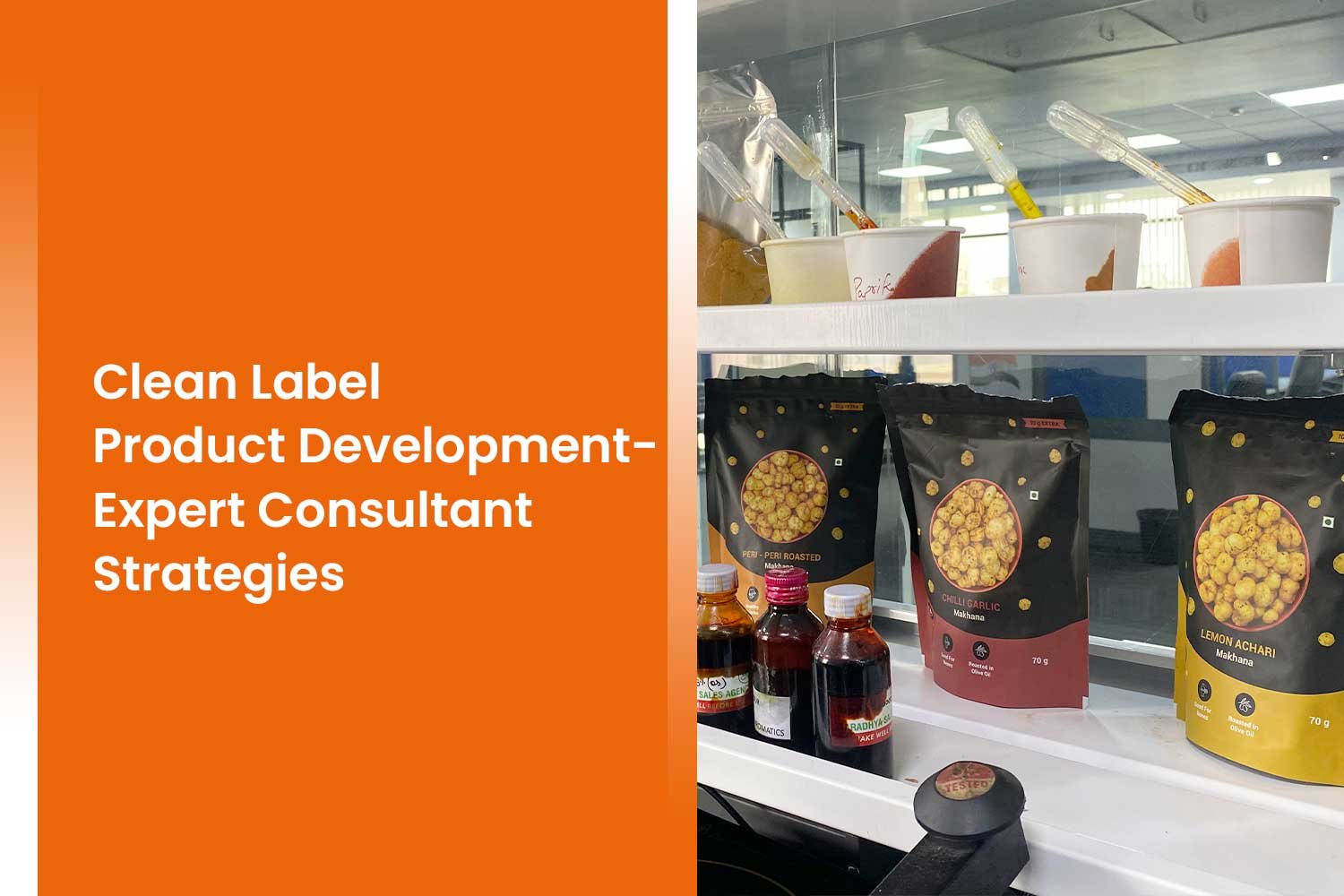
    Food formulation consultants who specialize in clean label formulation follow a clear process to avoid trial-and-error. First, they define the product’s main purpose, like low sugar, allergen-free, or high protein. Then they look at the current recipe to see which ingredients are important and which can be replaced.

    Next, they match natural alternatives to the product’s needs, checking how well they perform, how they react to heat or acid, and whether they meet local food laws. Small test batches, followed by shelf-life studies and tasting sessions, help make sure the product will work in the real world. Clean label food formulation consultants also review the packaging language to make sure it is honest and legal.


    The Future Of Clean Label Is Clean Science

    As the clean label trend is at its peak, the focus is shifting away from “no chemicals” and more toward “smart, natural systems.” New ingredients from fermentation, biotech, or advanced plant processing are opening fresh doors. And brands that build their products on science, not just marketing, will be the ones that succeed long-term.


    Turn Clean Claims Into Clean Science With Our Experts’ Guidance!


    Turn Clean Claims Into Clean Science With Our Experts' Guidance!


    Clean label is not about cutting corners; it is about making smarter, evidence-based choices that deliver real results. Our clean label food formulation experts help you go beyond marketing buzzwords to build products that are safe, stable, and legally compliant. From ingredient mapping to label review, we bring scientifically proven clarity to your clean label journey. Let’s create something that works and lasts. Contact us at +91 8130404757.


    FAQs

    Can a product be “clean label” and still have E-numbers?

    Yes, some E-numbers like E160a are plant-derived and can be part of a clean label. But consumer perception is important, and so transparency is necessary.

    Why do clean label colors fade faster?

    Natural colorants like beetroot or turmeric are more sensitive to heat, light, and pH changes. Encapsulation and smart processing can help them stay stable in clean-label food formulation.

    What makes a preservative “clean”?

    A clean label preservative is usually from a natural source like vinegar or green tea and works without synthetic chemicals, while still keeping food safe and fresh.

    Can clean label work for frozen or ready-to-eat foods?

    Yes, but it needs customized solutions. Like, native starches may break down in freezing, so process reformulate or ingredient mixes are used for stability.

    Success Stories

    Ever Wondered How Your Favourite Snack Brand is Curated?

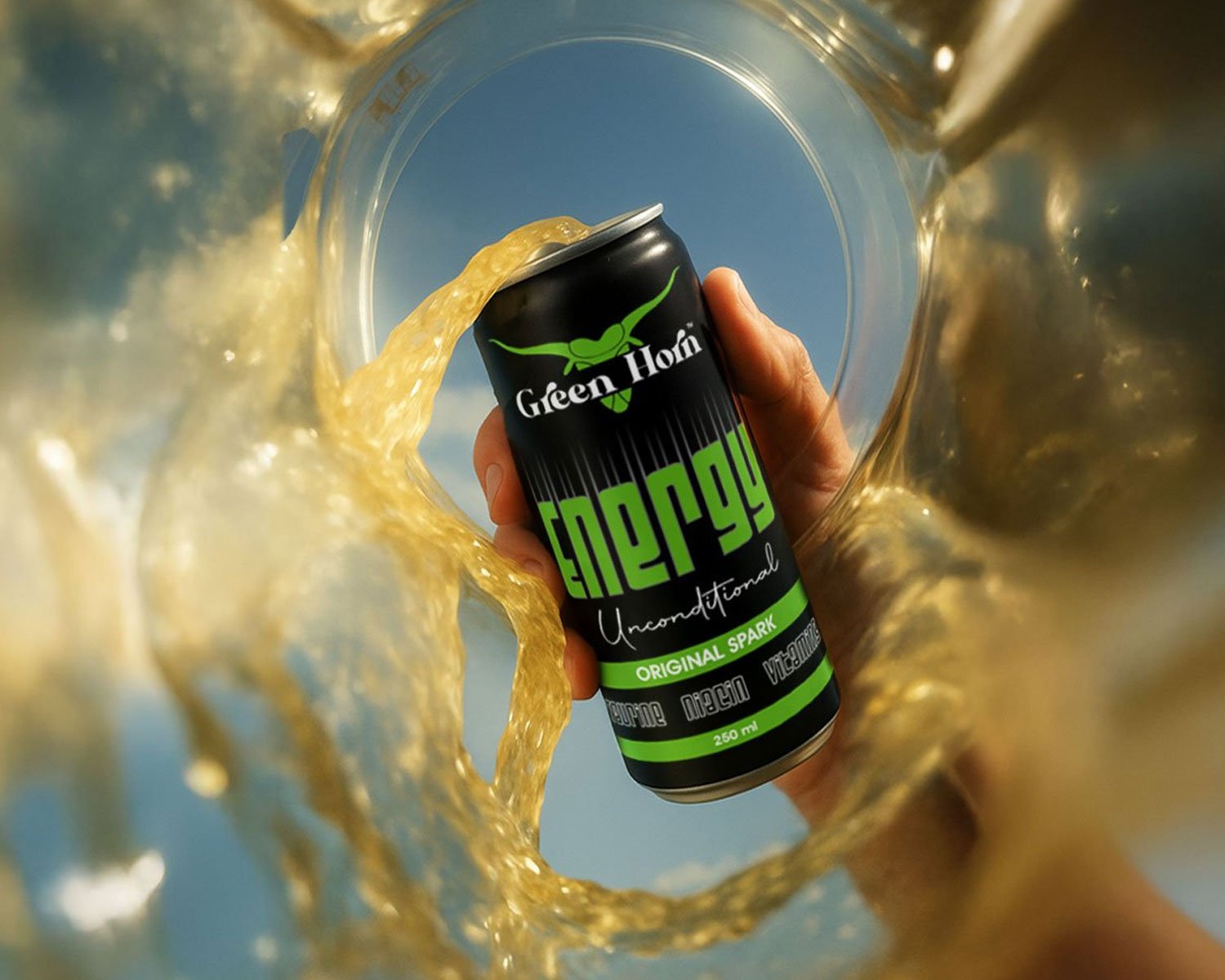
    Green Horn

    Green Horn has emerged as a new favorite energy drink among younger consumers, combining bold flavor with great performance, and has created an identified brand presence and customer loyalty across India.

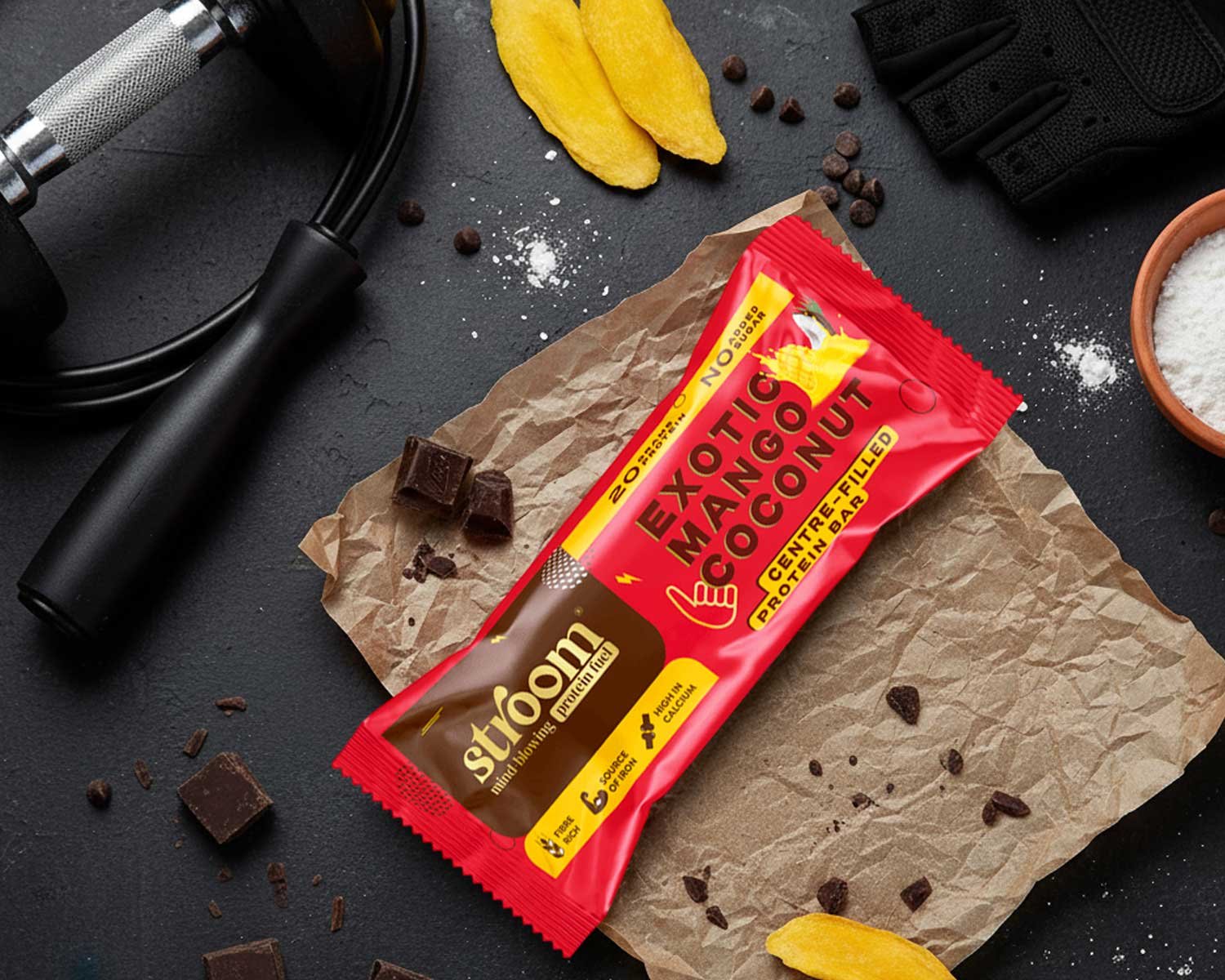
    Stroom

    Stroom Protein Bar is a healthy snack brand focused on natural ingredients, great taste, and energy for active people. It promotes fitness, balance, and everyday strength.

    Wlue's

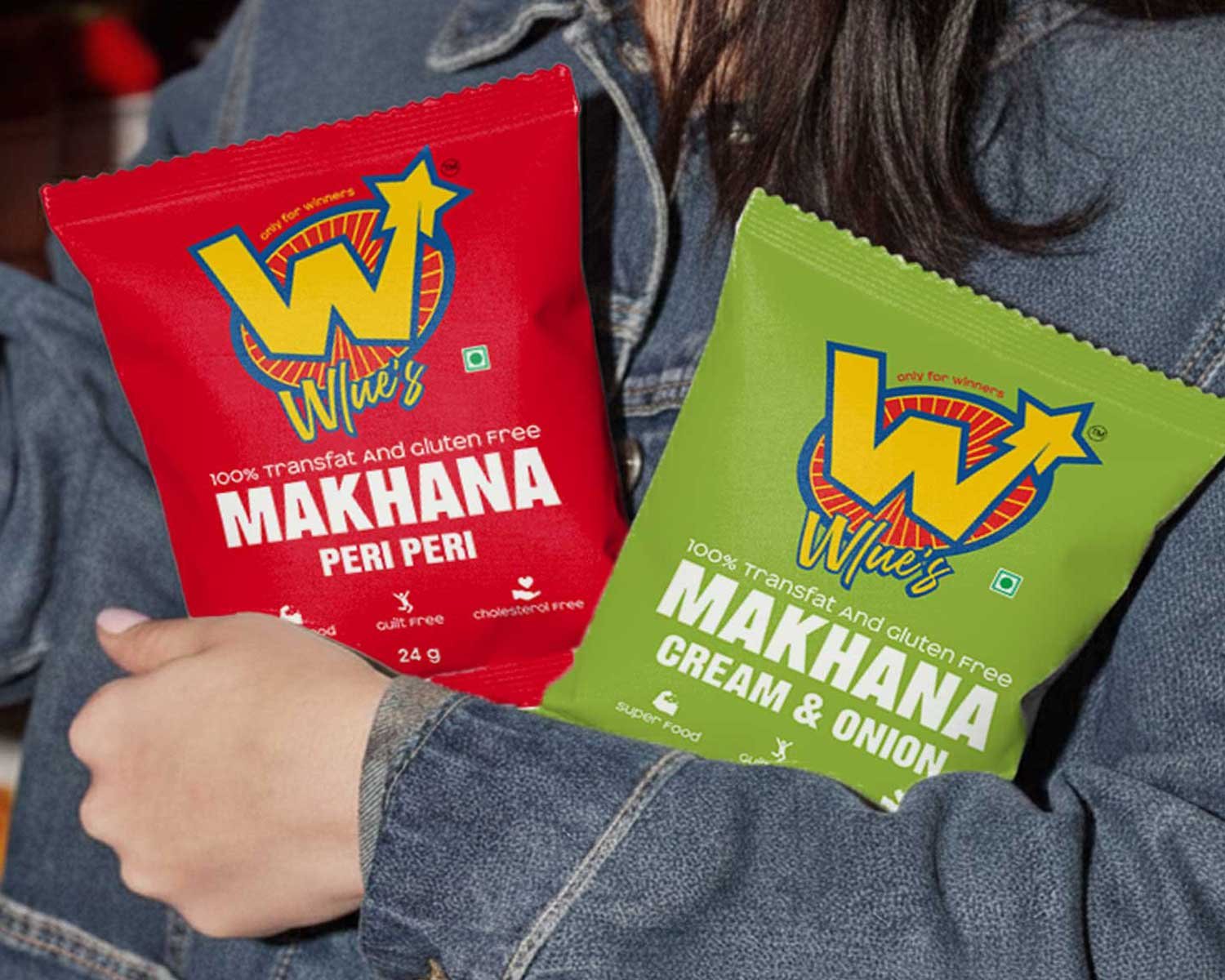
    Wlue's has transformed healthy snacking in India by creating a trendy superfood out of fox nuts, through innovation, strong branding, and presence across retail locations nationally.

    Smart Caffeine

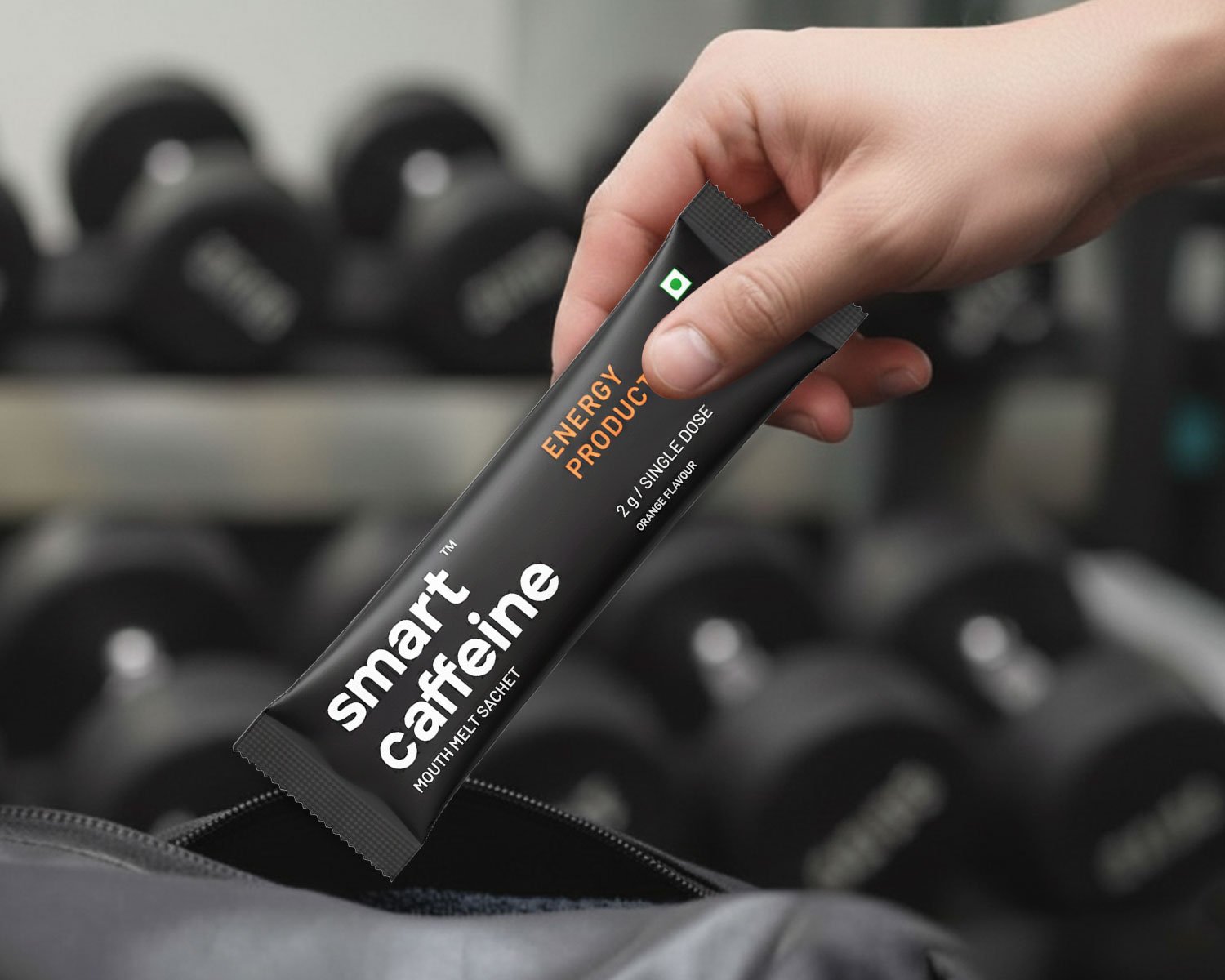
    Smart Caffeine offers quick, clean energy through easy-to-use powder sachets. It helps people stay alert, focused, and active without the crash of regular caffeinated drinks.

    The Bobalist

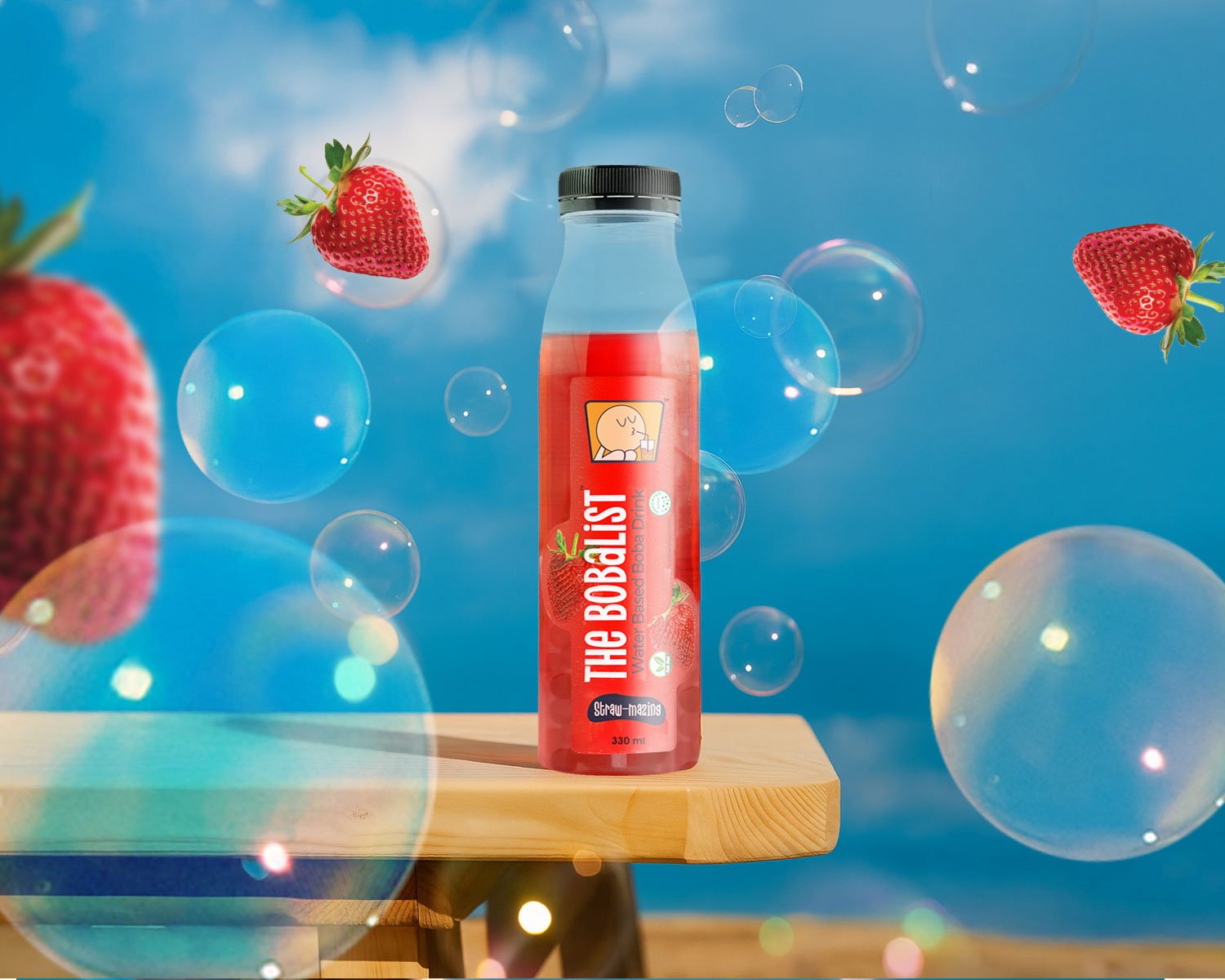
    The Bobalist set itself as the first bottled popping boba drink in India, creating a disruptive product in the marketplace through innovation, bright and vibrant colors.

    FLUKE

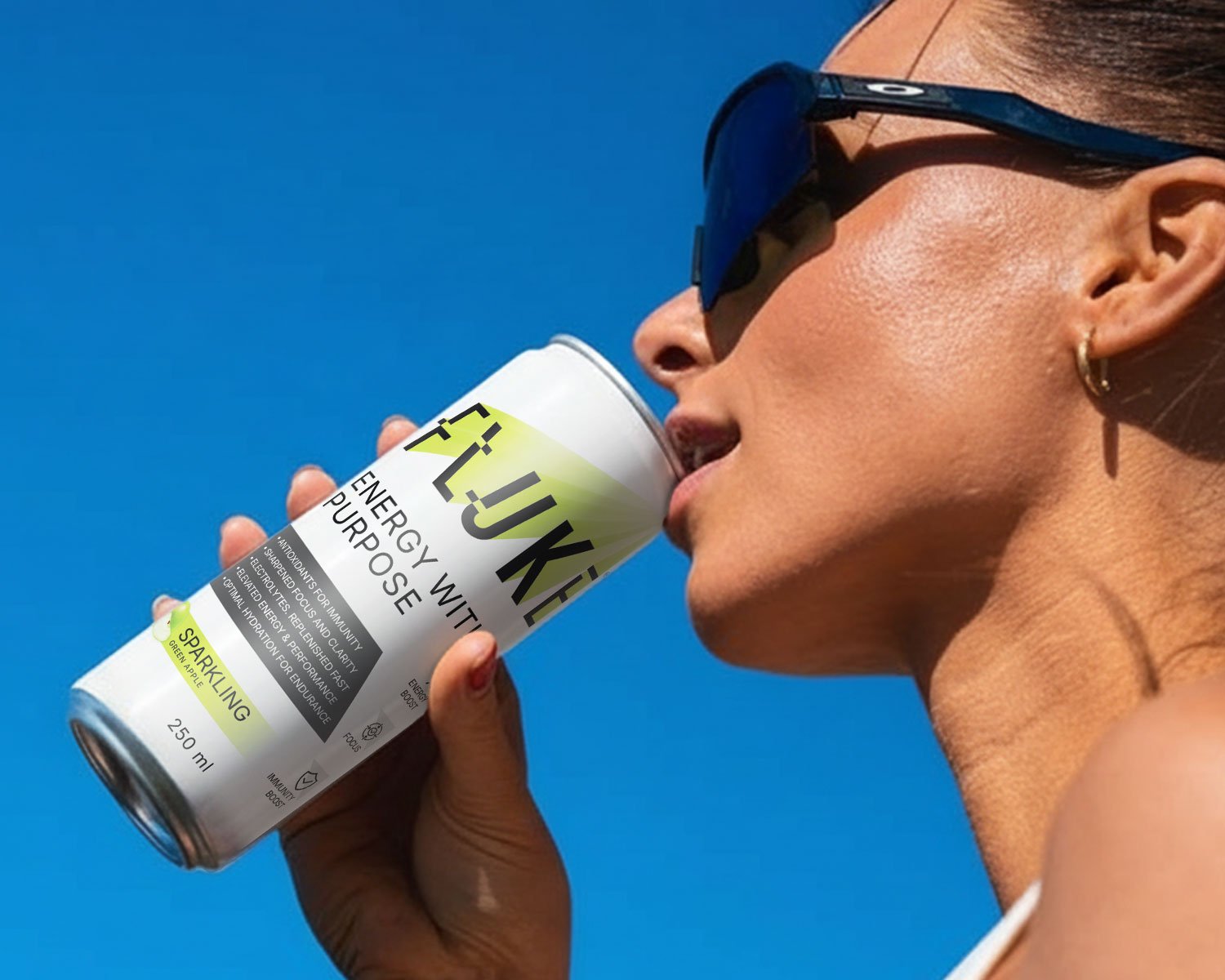
    Fluke changed how people see energy drinks: clean, tasty, and functional. It quickly became a favorite for those who want real energy without the crash.

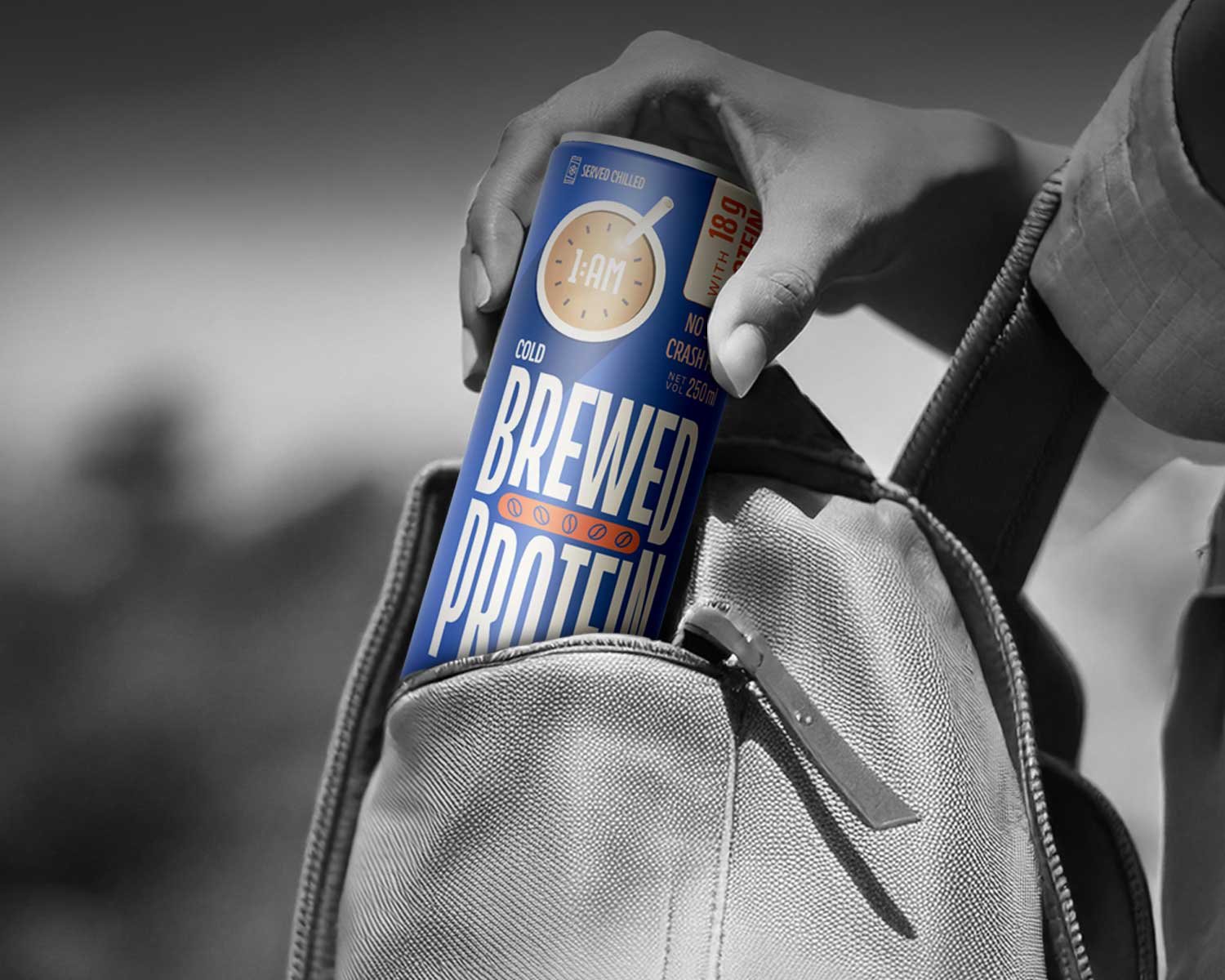
    1 AM

    1 AM shook up the market with its lactose-free, protein-packed cold coffee, giving coffee lovers a smooth, healthy boost without the guilt or discomfort.

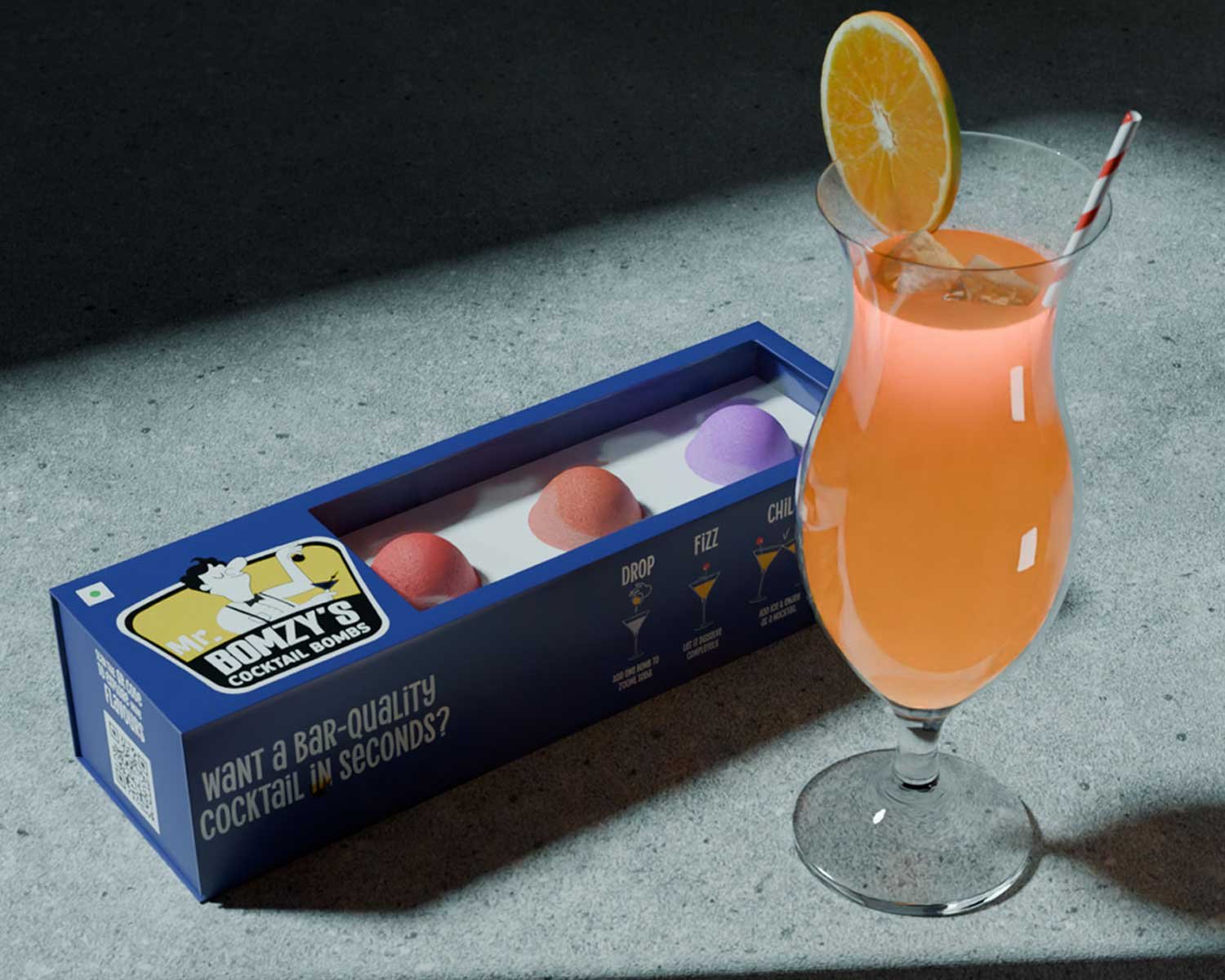
    Mr. Bomzy

    Mr. Bomzy changed the game for home mixology in India with innovative Cocktail Bombs to make premium, crafted cocktails using top-shelf quality spirits easy, affordable, and fun for celebrations.

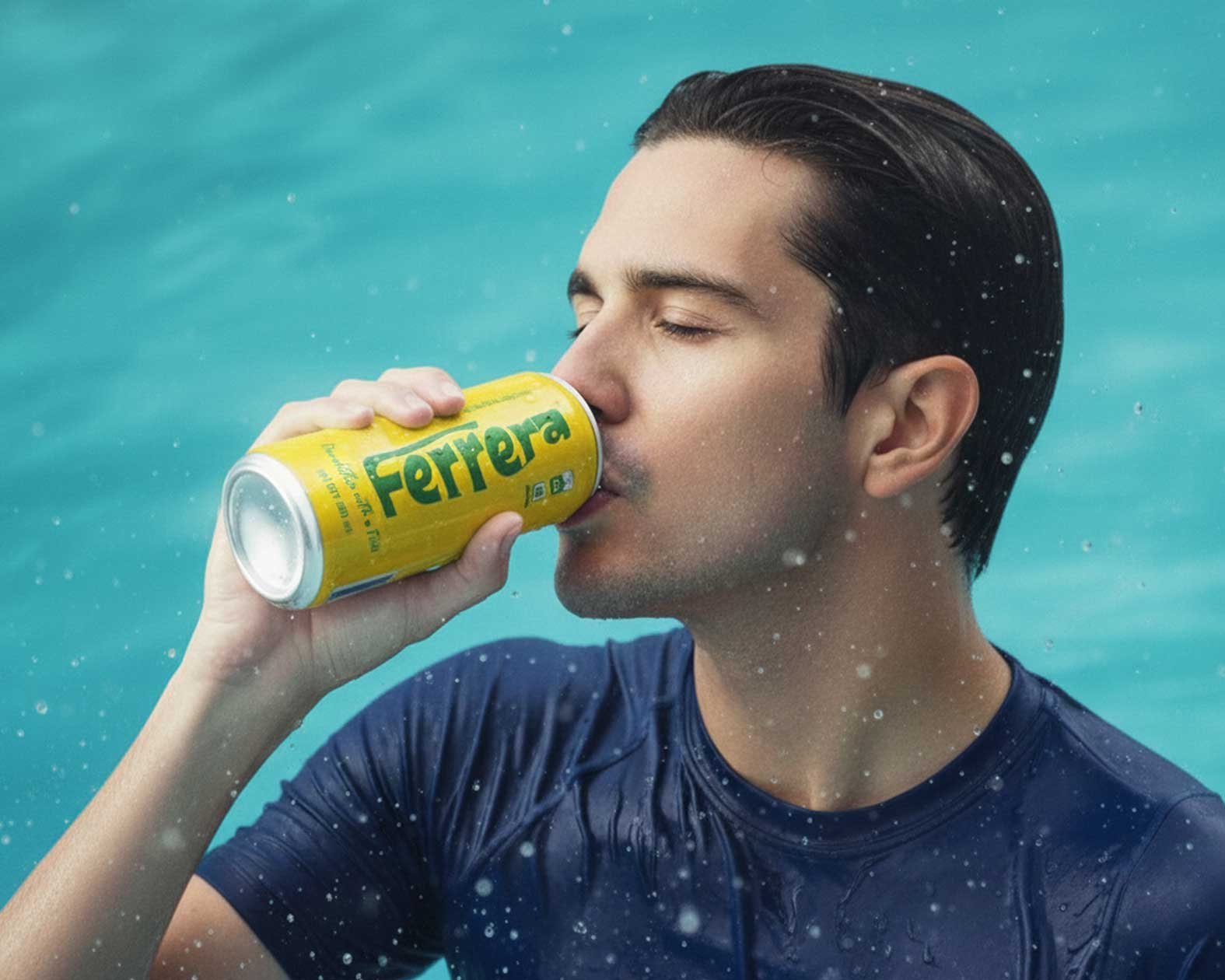
    Ferrera Fizzy Drink

    Ferrera expanded its reach by providing pure, vibrant flavors and a trendy, youth-driven branding, thus a mere fizzy drink was turned into a refreshing, health-leaning choice for the daily consumers.

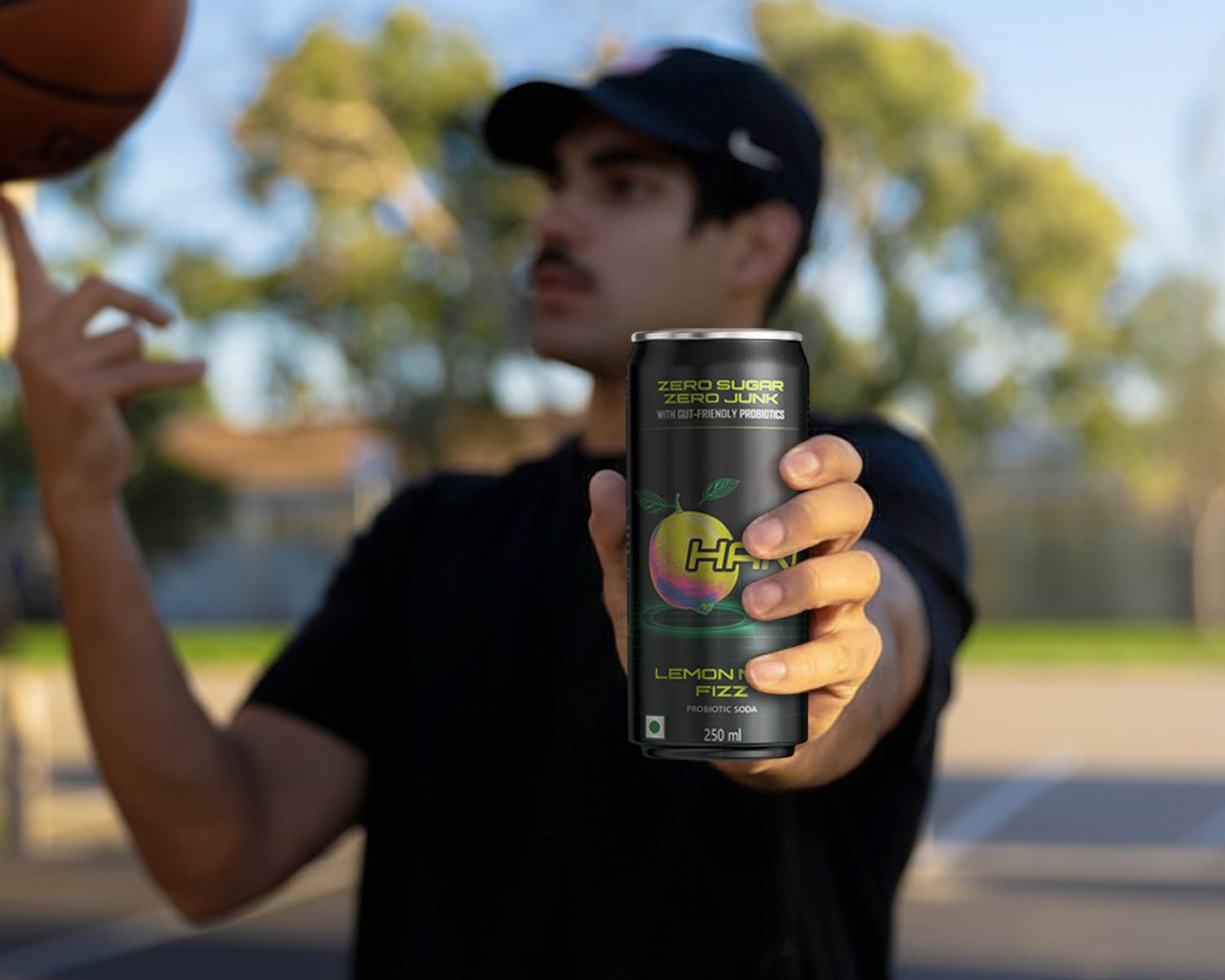
    Haki Probiotic Soda

    Haki combined probiotics with enjoyable fizz, thus educating the consumers through the wellness communities and quickly becoming trusted as a delicious, functional soda alternative.

    Flipkart Banana Chips

    Flipkart elevated the popularity of banana chips through excellent marketplace visibility, consistent quality, and customer trust, thus making them the most frequently chosen crunchy, everyday snack.

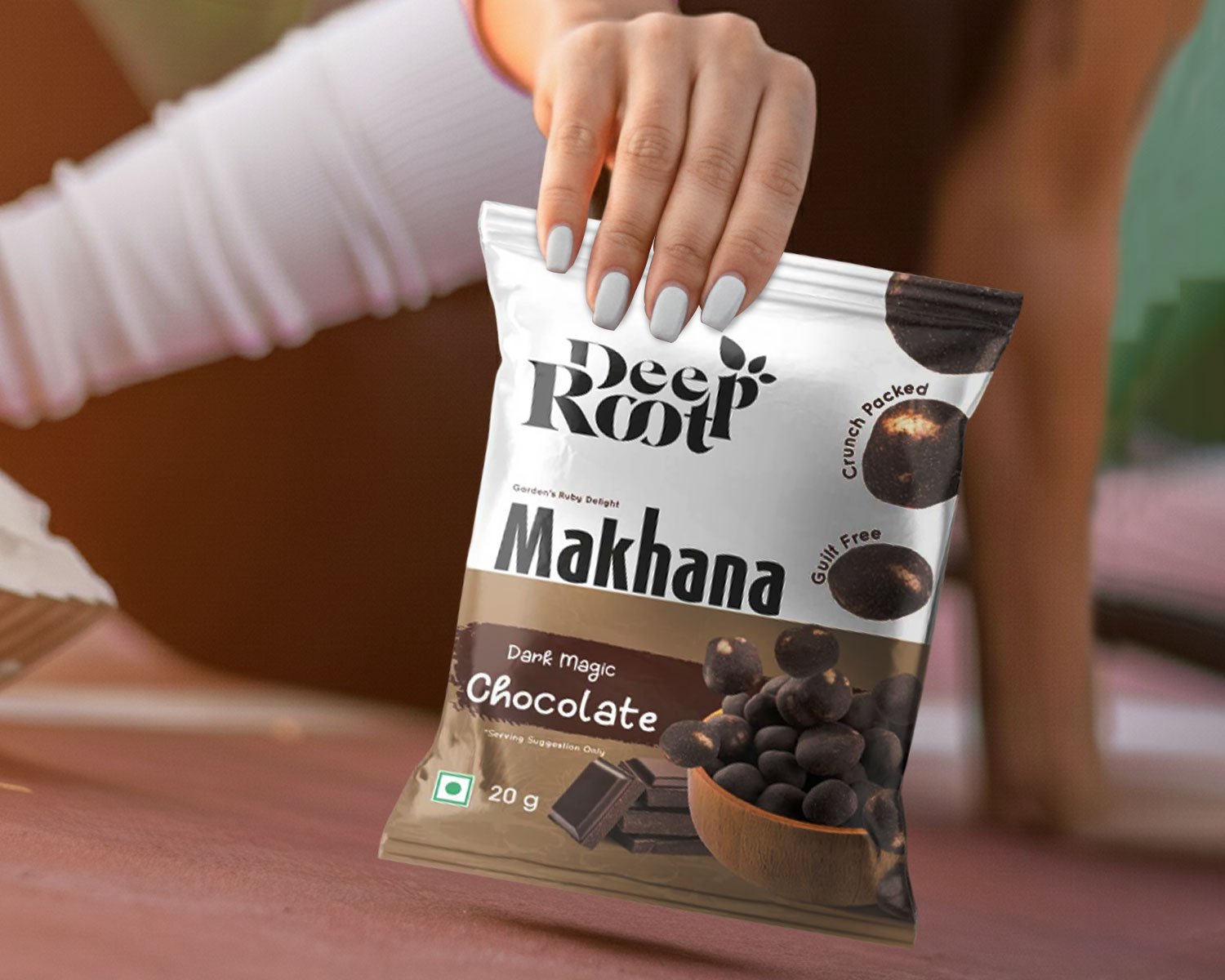
    Deeproot Chocolate Protein Makhana

    Deeproot transformed the traditional makhana by adding protein and chocolate, thereby attracting the fitness-conscious consumers who are looking for clean, tasty, and guilt-free ​‍​‌‍​‍‌​‍​‌‍​‍‌snacking.

    Success Stories

    Ever Wondered How Your Favourite Snack Brand is Curated?

    Let’s Build Something Great

    Himanshu Pratap Founder @Foodsure

    Get Started

      Only 2 Free Consultations Left Today!